In This Guide
Let's cut to the chase. You're probably here because you've seen pictures of those stunning Asian leopard cats with their spotted coats and thought, "I want one." I get it—they look like miniature leopards you could cuddle with. But hold on. Before you dive into exotic pet ownership, there's a lot you need to know. This isn't about scaring you off; it's about giving you the raw, unfiltered truth. I've spent years around wildlife rehabilitators and exotic pet owners, and I've seen too many cases where people jump in without understanding what they're signing up for. This guide will walk you through everything from legality to daily care, so you can make an informed decision.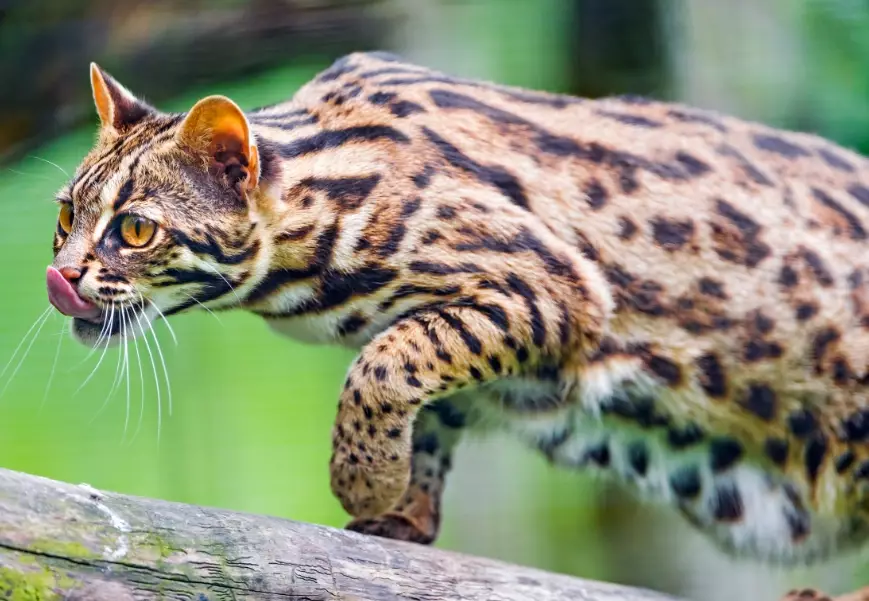
What Is an Asian Leopard Cat?
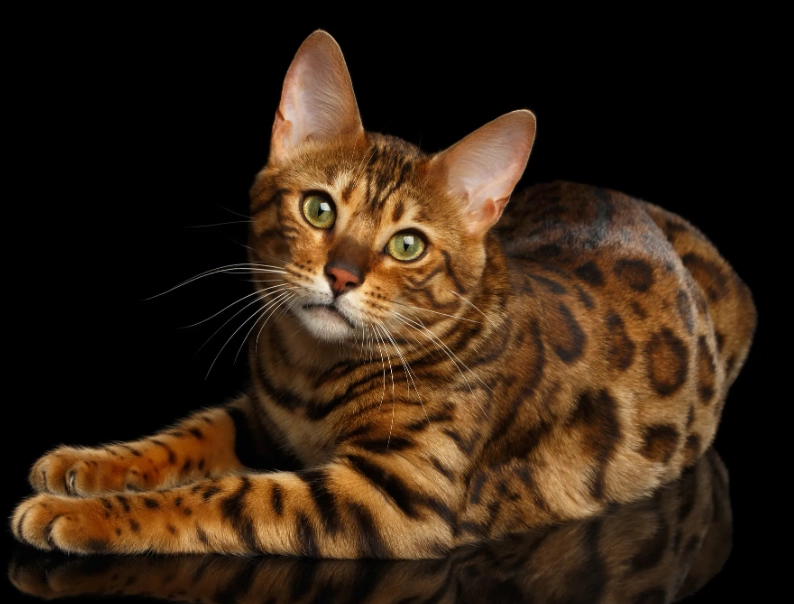
The Asian leopard cat (Prionailurus bengalensis) is a small wild cat native to South and East Asia. Think forests, grasslands, and sometimes near human settlements. They're not your typical domestic cat—far from it. An adult weighs between 3 to 7 kilograms, with a body length of about 45 to 65 cm, plus a tail that adds another 20-30 cm. Their coat is covered in black spots and rosettes, which is why they're often confused with leopards.
In the wild, they're solitary hunters, active mostly at dawn and dusk. They eat small mammals, birds, and insects. Now, here's where things get tricky for pet ownership. Their instincts are hardwired for survival, not for lounging on your couch. I remember talking to a wildlife expert in Thailand who said that even captive-bred leopard cats retain strong predatory behaviors. That means they might not ever fully adapt to a domestic setting.
Natural Habitat and Behavior
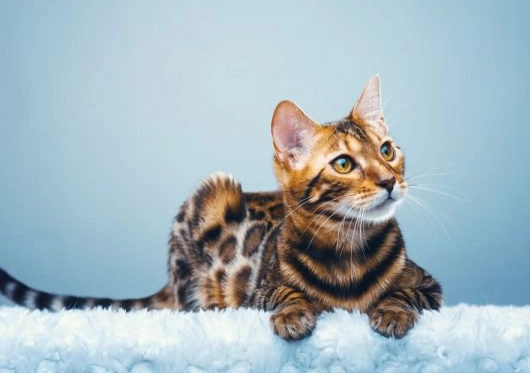
Leopard cats thrive in dense vegetation where they can hide and hunt. They're territorial and mark their space with scent. In captivity, this translates to needing a lot of enrichment—think climbing structures, hiding spots, and simulated hunting activities. If you don't provide that, they can become stressed and destructive. A common misconception is that they're just like Bengal cats (which are hybrids with domestic cats). But pure leopard cats are a different ball game. They're more skittish, less social, and require specialized handling.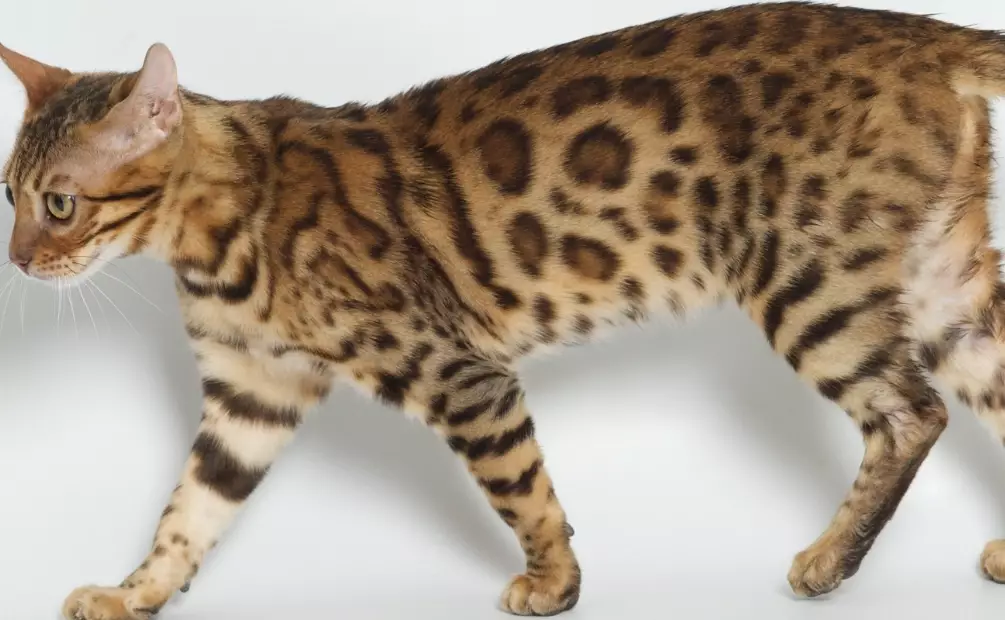
Differences from Domestic Cats
Domestic cats have been bred for thousands of years to live with humans. Leopard cats haven't. They're louder, with a distinctive chirping or growling vocalization. Their play is rougher, and they might not appreciate being picked up. I've heard stories from owners who ended up with scratched furniture and sleepless nights because their leopard cat was active at odd hours. It's not that they're mean; they're just being wild animals.
Legal Considerations for Keeping a Leopard Cat
This is the biggest hurdle. In many places, owning a leopard cat is flat-out illegal. Why? Because they're considered wild animals and pose risks to public safety and conservation. Laws vary wildly by country and even by state or province. Let's break it down.
In the United States, for example, the Endangered Species Act and state regulations come into play. Some states like California and New York have strict bans on owning exotic cats. Others like Texas or Florida might allow it with permits, but the process is rigorous. You'd need to check with your local wildlife agency—don't rely on hearsay. I once met someone in Ohio who assumed it was okay, only to face fines and confiscation. It was a messy situation.
Laws by Region: A Quick Overview
Here's a simplified table based on general trends—always verify with official sources like the U.S. Fish and Wildlife Service or your regional authority.
| Region | Legal Status | Key Requirements |
|---|---|---|
| United States (Federal) | Restricted under ESA | Permits for captive-bred individuals only |
| California, USA | Prohibited | No private ownership allowed |
| Texas, USA | Allowed with permit | Proof of secure enclosure, veterinary plans |
| European Union | Varies by country | Often requires CITES documentation |
| Australia | Generally prohibited | Strict import and ownership laws |
Even if it's legal, you might need permits from organizations like CITES (Convention on International Trade in Endangered Species) to ensure the cat is captive-bred and not taken from the wild. Poaching is a real issue, and supporting illegal trade harms conservation efforts.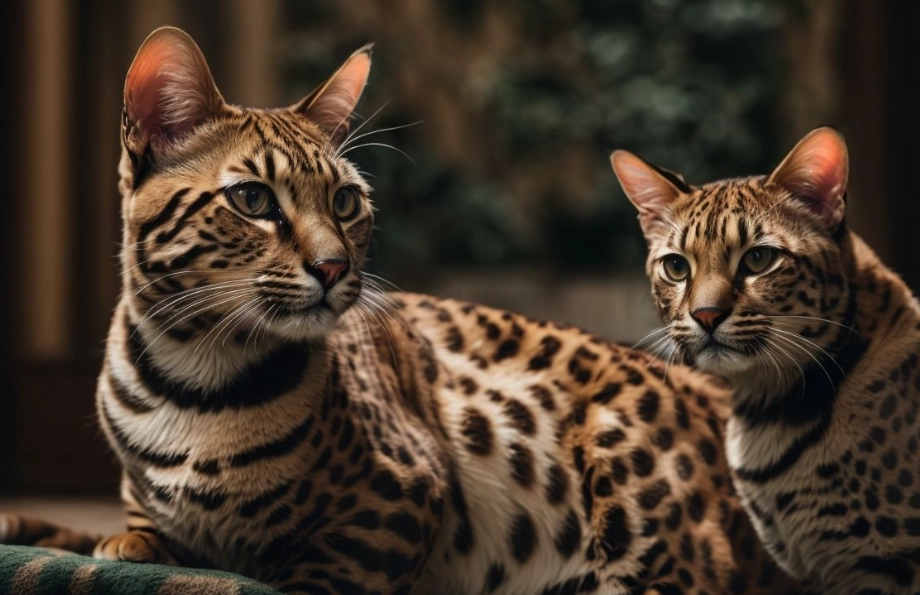
Permits and Regulations: What to Expect
Applying for a permit isn't a walk in the park. You'll need to demonstrate expertise, proper facilities, and a valid reason for ownership (e.g., education or breeding for conservation). Inspections are common. The cost can run into thousands of dollars annually for fees and compliance. I recall a zoo keeper friend who said the paperwork alone took months to process. For a pet owner, it's a massive commitment that many underestimate.
How to Care for a Leopard Cat: A Realistic Breakdown
Assuming you've jumped through the legal hoops, let's talk care. This isn't like feeding a house cat kibble. Leopard cats have specific needs that can't be compromised on.
First, space. You can't keep one in a standard apartment. They need a large, secure outdoor enclosure—think at least 10x10 feet with high fences and a roof to prevent escape. Indoor housing should mimic their natural environment. I've seen setups with trees, platforms, and even small ponds for enrichment. It's costly, but skimping here leads to behavioral issues.
Diet and Nutrition
Their diet is meat-based. In captivity, you'll need to provide whole prey or a raw diet formulated for wild felines. This includes items like chicks, mice, and supplemented raw meat. Commercial cat food won't cut it; it lacks essential nutrients they get from bones and organs. A typical daily intake might be 200-300 grams of food, but it varies by age and activity level. Expect to spend around $100-$200 per month on food alone. And storage—you'll need a freezer dedicated to their meals. It's not for the faint of heart.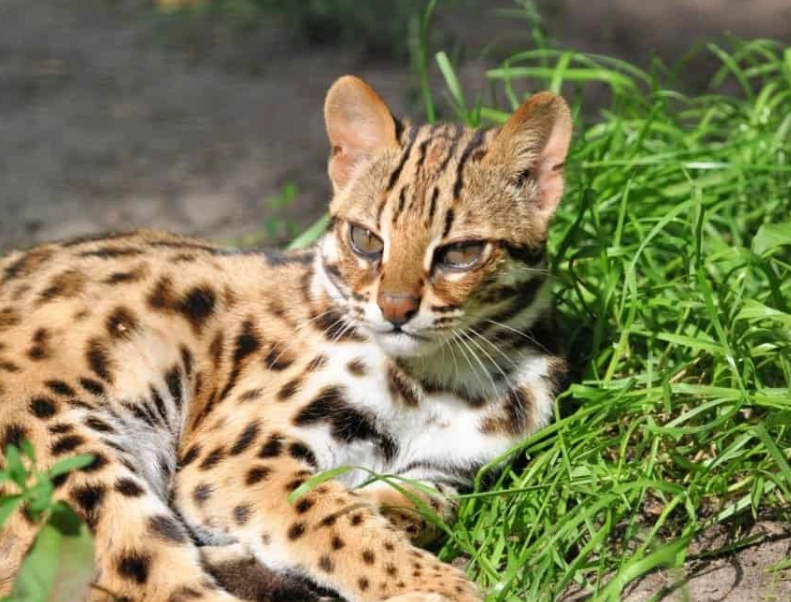
Housing and Enclosure Requirements
Here's a checklist for an ideal enclosure:
- Size: Minimum 100 square feet of outdoor space, plus indoor access.
- Security: Double-door systems to prevent escapes, with locks.
- Enrichment: Climbing trees, hiding boxes, puzzle feeders.
- Climate control: Shelter from extreme weather; they prefer temperatures between 60-80°F.
I visited a sanctuary where they had a custom-built enclosure costing over $5,000. The owner emphasized that without it, the cat would constantly try to break out. That's instinct, not misbehavior.
Health and Veterinary Care
Finding a vet who specializes in exotic animals is crucial. Regular check-ups are needed for vaccinations, parasite control, and dental care. Common health issues include obesity if under-exercised, and stress-related conditions like fur pulling. Annual vet bills can easily exceed $500, and emergencies might run into thousands. I know of a case where a leopard cat needed surgery after ingesting a foreign object—the bill was $3,000. Insurance for exotic pets is rare, so you're often on the hook for costs.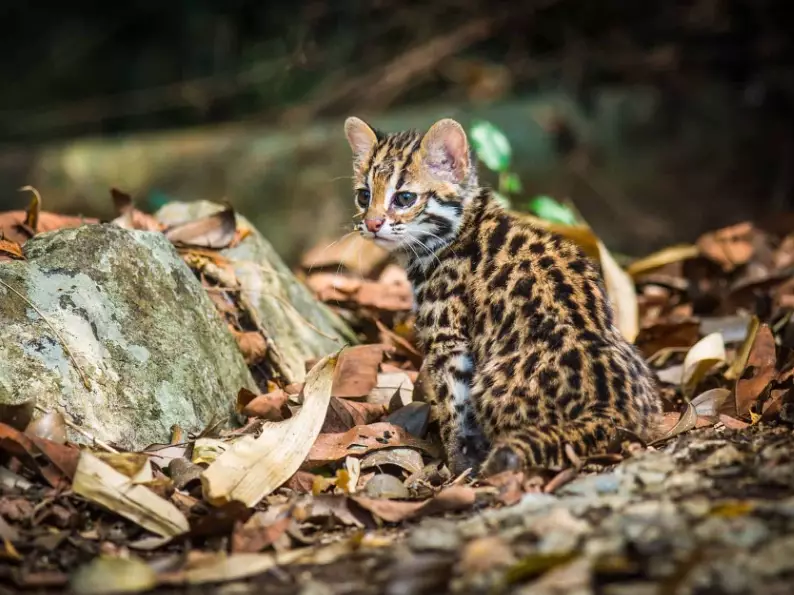
Common Mistakes New Owners Make
Based on my observations, here are pitfalls to avoid. Many stem from treating leopard cats like domestic pets.
Underestimating space needs. People think a large cage is enough, but these cats need room to roam and explore. Confinement leads to pacing and aggression.
Ignoring legalities. Some buy from shady breeders online, only to find out later it's illegal. Always verify sources and paperwork.
Neglecting mental stimulation. Without enrichment, they become bored and destructive. I've seen homes with shredded curtains and furniture because the owner didn't provide enough toys.
Assuming they'll be cuddly. Leopard cats are independent. They might tolerate handling, but they won't seek affection like a house cat. Expect aloofness.
Here's a non-consensus point from an experienced keeper: many think that hand-raising a leopard cat from a kitten will make it tame. It might reduce fear, but it doesn't eliminate wild instincts. I've spoken to breeders who say that even bottle-fed individuals can revert to skittish behavior during puberty. It's a gamble.
FAQ: Your Top Questions Answered
Wrapping up, owning a leopard cat isn't a decision to take lightly. It requires legal diligence, financial resources, and a deep understanding of wild animal behavior. If you're still interested, start by volunteering at a wildlife sanctuary to get hands-on experience. For most people, admiring these beautiful creatures from afar or considering a domestic hybrid like a Bengal cat might be a better fit. Whatever you choose, do your homework—this guide is just the beginning.