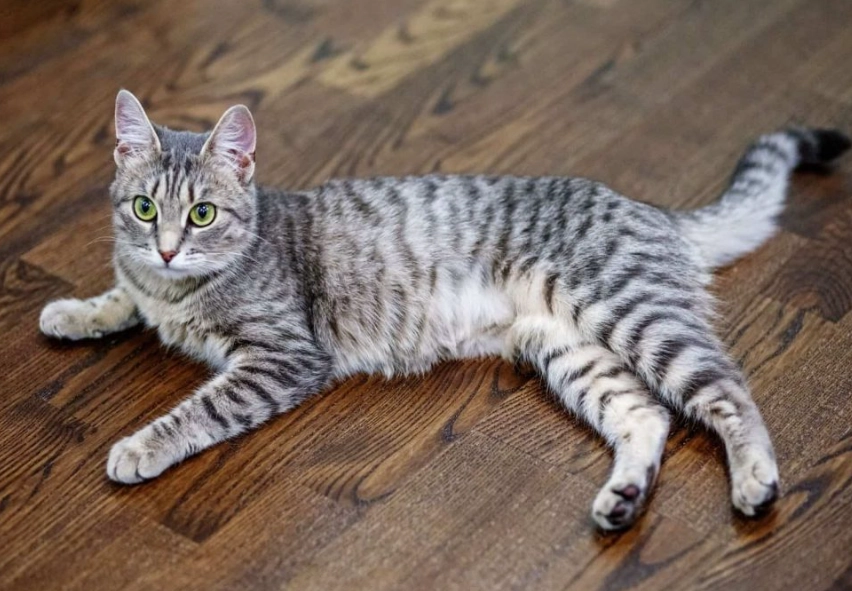
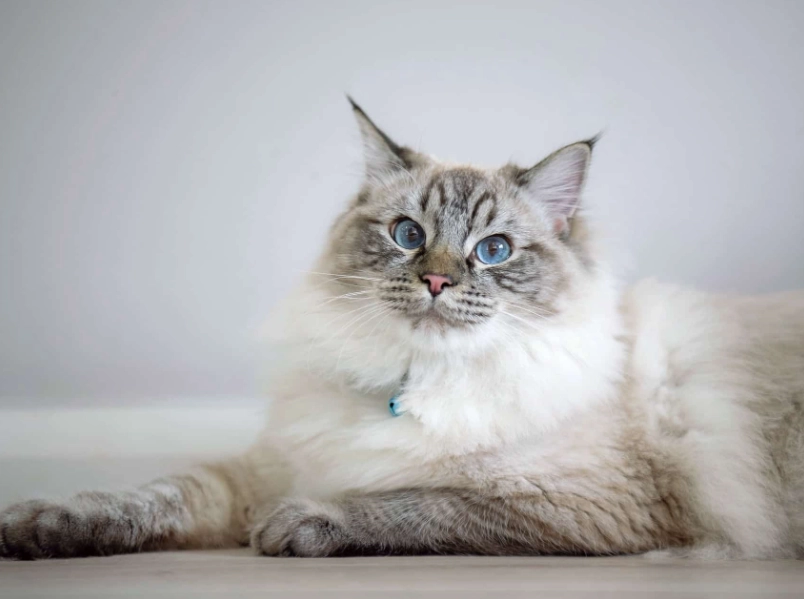
If you're looking for a cat that's more like a tiny, furry tornado with a heart of gold, the Somali might be on your radar. I've spent years around these cats, and let me tell you—they're not your average lap cat. They're intelligent, mischievous, and demand engagement. This guide cuts through the fluff to give you the real deal on Somali cats: their care, personality, health, and whether they'll thrive in your home.
What's Inside This Guide
History and Origin of the Somali Cat
The Somali cat is essentially the longhaired version of the Abyssinian. It didn't start as a separate breed—it emerged from recessive genes in Abyssinian litters. Back in the mid-20th century, breeders noticed these fluffy kittens popping up and decided to develop them. The Cat Fanciers' Association (CFA) recognized the Somali in 1979. It's named after Somalia, neighboring Ethiopia (where Abyssinians are thought to originate), which adds a touch of exotic flair.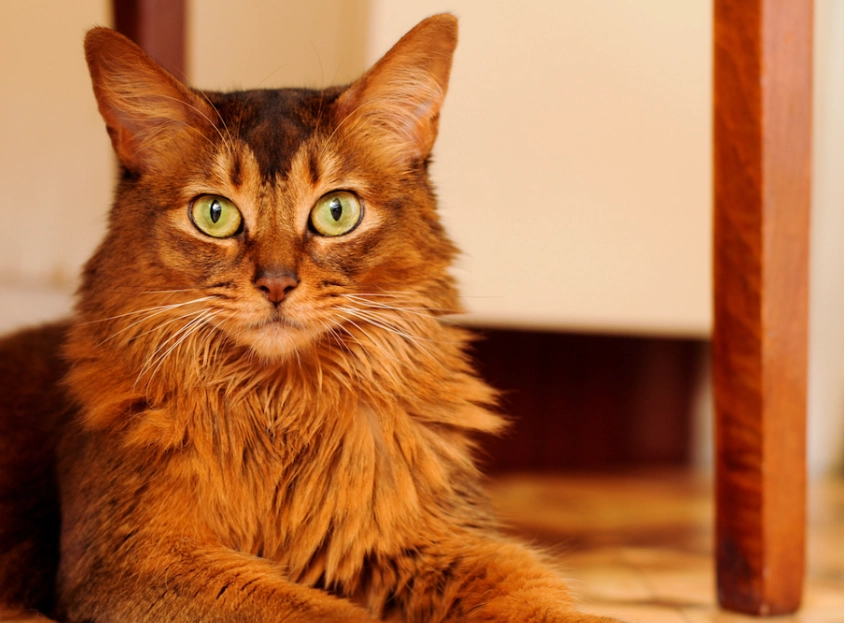
One thing most articles gloss over: early breeders faced skepticism. Some purists dismissed Somalis as "faulty" Abyssinians. But enthusiasts persisted, focusing on their unique coat and temperament. Today, organizations like The International Cat Association (TICA) and CFA uphold strict standards. If you dig into TICA's breed archives, you'll see how the Somali's profile evolved from a curiosity to a champion.
Physical Characteristics and Breed Standards
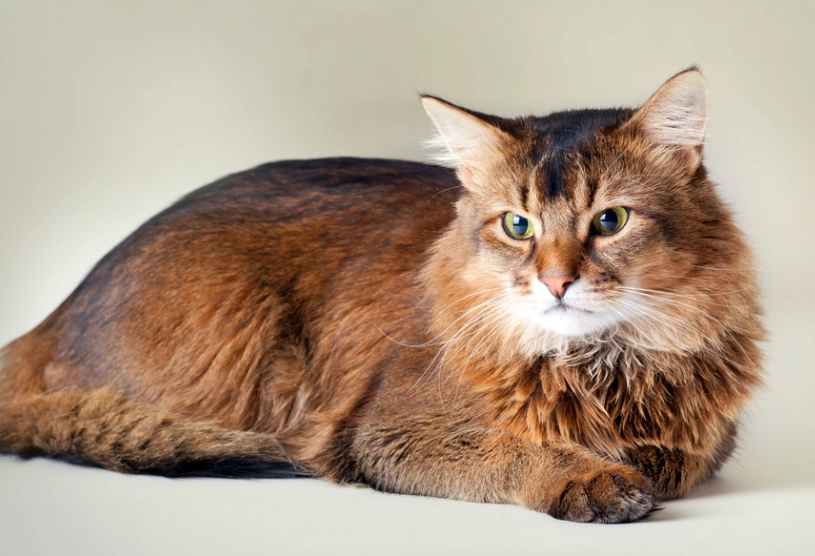
Somali cats are medium-sized, typically weighing 8 to 12 pounds. They're muscular and agile, built for jumping. The standout feature is their semi-longhaired coat—it's soft, dense, and has a distinctive ticked pattern. Each hair has multiple bands of color, giving them a warm, glowing appearance. Common colors include ruddy, red, blue, and fawn.
Pro tip: New owners often mistake the Somali's coat for being high-maintenance. It's not. The fur is surprisingly resistant to matting because of its texture, but that doesn't mean you can ignore grooming. I've seen people skip brushing, only to deal with hairballs later.
Their eyes are almond-shaped, usually amber or green, and their ears are large and tufted. The tail is bushy, like a fox's—hence the nickname "fox cat." Breed standards emphasize a balanced, wild look without being coarse. If you're considering showing, check CFA's latest standards for specifics on disqualifications, like white lockets or kinked tails.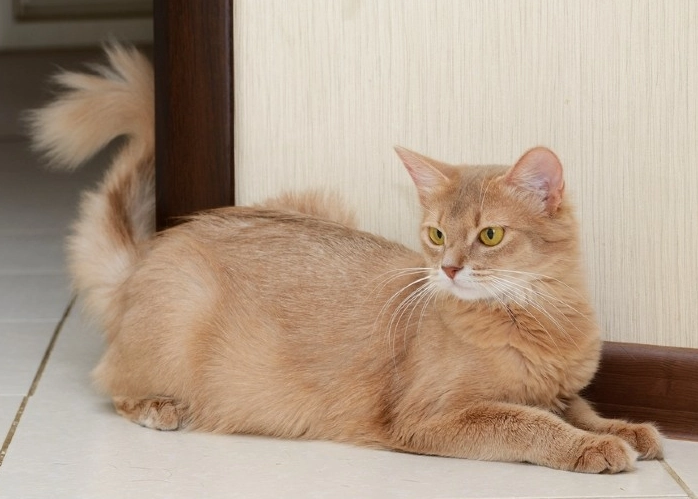
Personality and Temperament: What to Expect
This is where Somalis shine. They're incredibly active and curious. Think of them as the explorers of the cat world. They'll follow you around, inspect every grocery bag, and figure out how to open cabinets. I had one Somali, Leo, who learned to turn doorknobs. It was equal parts impressive and frustrating.
They're social but on their terms. Don't expect a cuddly lap cat all day. Somalis prefer interactive play—fetch, puzzle toys, climbing trees. They get bored easily. If left alone too long, they might resort to mischief, like knocking things off shelves. A common mistake is assuming they're independent like some breeds. They crave mental stimulation.
They're good with kids and other pets if introduced properly. Their playful nature makes them great companions for dogs, but supervise initial interactions. I've seen Somalis become the ringleaders in multi-pet households, orchestrating games of chase.
Caring for Your Somali Cat: A Practical Guide
Caring for a Somali isn't rocket science, but it requires consistency. Here's a breakdown of key areas.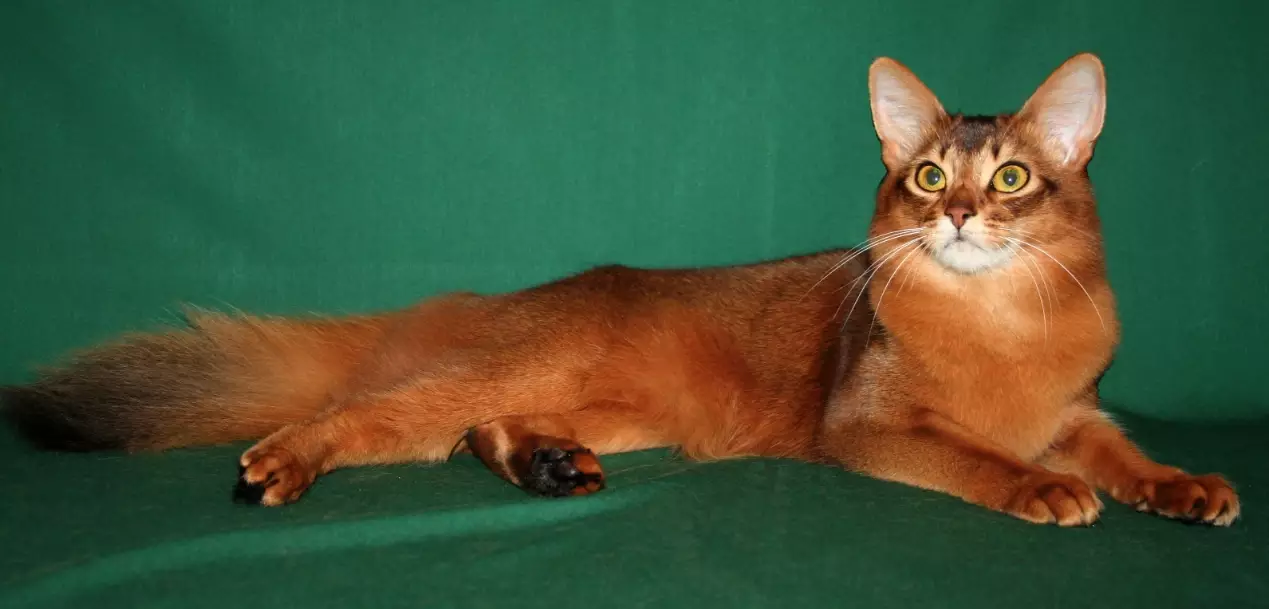
Grooming Needs
Brush your Somali at least twice a week. Use a stainless-steel comb to reach the undercoat. During shedding seasons (spring and fall), you might need daily sessions. Avoid over-bathing—it can strip natural oils. I bathe mine every few months, but only if they get into something messy. A damp cloth works for spot cleaning.
Nail trimming every two weeks is a must. Their fast growth can lead to scratching issues. Dental care is critical; many Somalis develop tartar. Introduce tooth brushing early. I use a feline toothpaste and a finger brush—start slow to avoid stress.
Diet and Nutrition
Feed high-quality, protein-rich food. Somalis are active, so they need calories. Look for brands with real meat as the first ingredient. Avoid fillers like corn and wheat. I rotate between wet and dry food to ensure hydration and dental health. Portion control matters; obesity is a risk if they're overfed without enough exercise.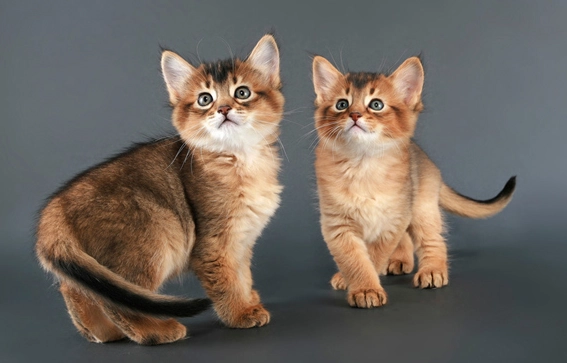
Here's a simple weekly feeding schedule I follow:
| Day | Morning | Evening | Notes |
|---|---|---|---|
| Monday | Wet food (1/2 can) | Dry food (1/4 cup) | Add a probiotic supplement |
| Tuesday | Dry food (1/4 cup) | Wet food (1/2 can) | Include a dental treat |
| Wednesday | Wet food (1/2 can) | Dry food (1/4 cup) | Rotate protein source |
| Thursday | Dry food (1/4 cup) | Wet food (1/2 can) | Monitor weight |
| Friday | Wet food (1/2 can) | Dry food (1/4 cup) | Add fish oil for coat |
| Weekend | Free-feed dry (limited) | Wet food meal | Adjust based on activity |
Exercise and Play
Provide at least 30 minutes of interactive play daily. Wand toys, laser pointers (use cautiously), and climbing structures work well. Somalis love vertical space—cat trees, shelves, window perches. I installed wall-mounted shelves, and it reduced boredom-related behavior significantly.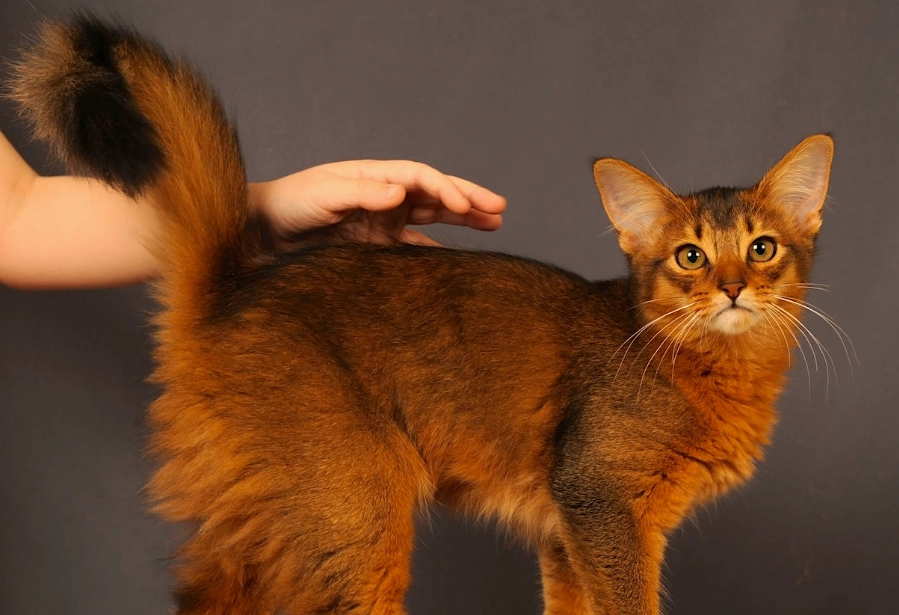
Consider puzzle feeders to engage their minds. A simple DIY: hide kibble in a muffin tin with balls on top. It keeps them busy and burns energy.
Common Health Issues in Somali Cats
Somalis are generally healthy, but they're prone to certain conditions inherited from Abyssinians. Regular vet check-ups are non-negotiable.
- Dental Disease: Gingivitis and periodontitis are common. Start dental care early. I've seen cats as young as three needing cleanings.
- Renal Amyloidosis: A kidney disorder that can be serious. Symptoms include weight loss and increased thirst. Ask your vet about screening.
- Patellar Luxation: Kneecap dislocation. Watch for limping or skipping steps. Mild cases might not need surgery.
- Progressive Retinal Atrophy (PRA): A genetic eye disease leading to blindness. Reputable breeders test for it. If adopting, request health records.
Insurance is worth it. I pay around $30 a month for comprehensive coverage—it saved me thousands when Leo needed kidney tests.
Is a Somali Cat Right for You?
Think about your lifestyle. Somalis thrive in active homes with owners who have time for play. They're not ideal for someone who's away 12 hours a day or prefers a quiet, sedentary pet. If you have young kids, they'll love the interaction, but teach gentle handling.
Consider adoption first. Rescue groups like Somali Cat Rescue often have cats needing homes. If buying from a breeder, expect to pay $800 to $1,500. Visit in person, check for clean facilities, and ask about genetic testing. A red flag: breeders who don't provide health guarantees.
My personal take? Somalis are rewarding but demanding. They'll keep you on your toes. If you're up for the challenge, the companionship is unmatched.