Picture a creature that looks like a miniature fox crossed with a wildcat, draped in a coat of smoky blue and silver. That's the Blue Somali cat. It's not just another pretty face in the cat world. This is a cat with a personality as vibrant as its unique, ticked fur. If you're tired of the same old descriptions of common breeds and want the inside scoop on a truly engaging feline companion, you're in the right place. I've spent years around cats of all kinds, and Somalis have a way of getting under your skin—in the best possible way. Let's get straight to what makes them tick.
What's Inside This Guide
What Exactly is a Blue Somali Cat?
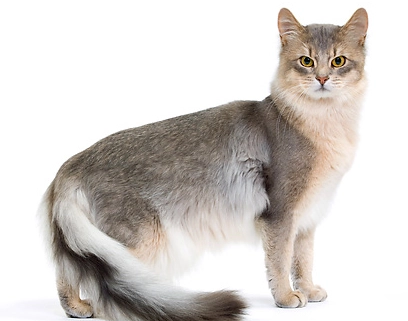
First, a bit of clarity. There isn't a separate "Blue Somali" breed. The Somali is the long-haired version of the Abyssinian cat. The "blue" refers to one of its several beautiful coat colors, officially called a "dilute" version of the classic ruddy (or usual) color. It's a genetic variation that softens the typical warm browns and oranges into cool, elegant shades of blue-grey and cream.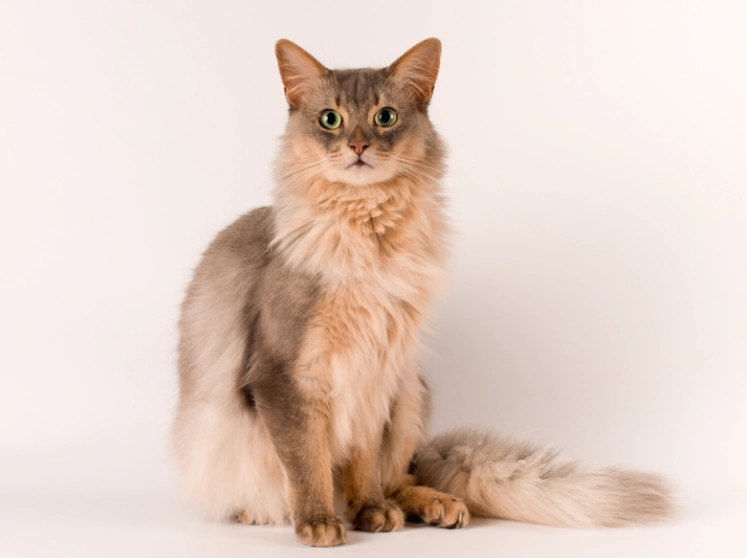
Think of it like hair color in humans. You have the breed (Somali), and then you have different color variations within that breed (ruddy, red, blue, fawn). The blue Somali is arguably one of the most visually striking of them all. The breed's history is tied directly to the Abyssinian. Long-haired kittens occasionally popped up in Abyssinian litters for decades, often dismissed as faults. It wasn't until the 1960s and 70s that breeders in North America and Europe began selectively breeding these long-haired cats, leading to the Somali's recognition as its own breed by major associations like the Cat Fanciers' Association (CFA) and The International Cat Association (TICA).
Quick Breed Snapshot: The Somali is a medium-sized, muscular, and agile cat. They are known for their "ticked" or "agouti" coat (each hair has alternating bands of color), large expressive ears, and a full, bushy tail that gives them their "fox-like" appearance. They are highly active, intelligent, and form strong bonds with their people.
The Blue Somali Cat's Striking Appearance
Let's break down what you're actually looking at with a blue Somali. It's not a solid blue like a Russian Blue. The magic is in the ticking.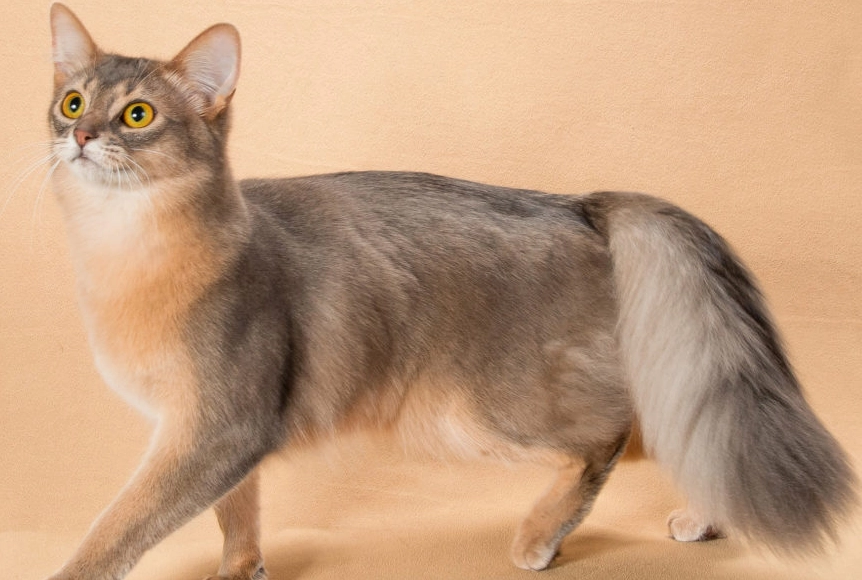
- Coat Color & Ticking: The base color is a warm, pale oatmeal or cream. Overlaying this are bands of slate blue-grey ticking. The overall effect is a shimmering, silvery-blue mantle. The underside, chest, and inner legs are a lighter cream. The tail tip and the "lining" of the ears are a deeper slate blue.
- Eyes: Their eyes are gold, green, or hazel, outlined with dark skin as if wearing eyeliner. The eye color can deepen with age.
- Build: They have a graceful, medium-sized body that feels surprisingly solid and muscular when you pick them up. They're built for jumping and climbing.
A common misconception? People see "blue" and expect a uniform color. The first time I saw one, I was stunned by the complexity. It's like looking at a piece of finely-woven tweed fabric, not a flat sheet of color.
| Feature | Description | Blue Somali Specifics |
|---|---|---|
| Coat Type | Medium-long, double coat, very soft | Dense undercoat with fine, silky topcoat |
| Coat Pattern | Ticked Tabby (Agouti) | Bands of slate blue on a cream base |
| Eye Color | Gold, Green, or Hazel | Often a rich amber or copper in adults |
| Body Type | Moderate, muscular, arched back | Gives a "springy" appearance |
| Tail | Full, bushy, tapering | Often carried high, like a plume |
Personality & Temperament: The Heart of a Somali
This is where the Somali truly shines, and the blue color doesn't change a thing about it. If you want a cat that's a passive piece of decor, look elsewhere. A Somali is a participant in your life.
They are famously energetic and playful, often retaining a kitten-like zest well into their senior years. I know a 12-year-old Somali who still initiates games of fetch every evening. They are also incredibly smart and curious. Nothing in your house is safe from investigation. Cabinets, drawers, sinks—they want to know how everything works.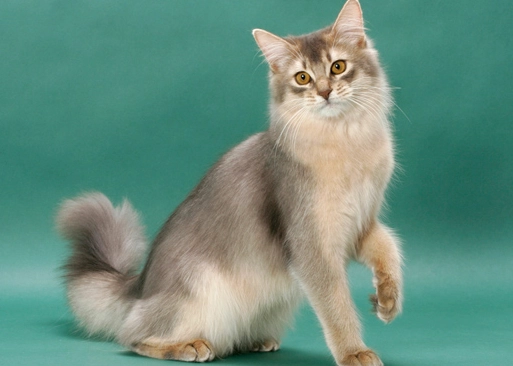
But it's not all chaotic energy. They are deeply affectionate and bond strongly with their family. They tend to follow you from room to room, not necessarily to be on your lap (though many will), but to be involved. They'll "help" you work on the computer, supervise cooking, and offer insightful commentary (they are quite vocal with soft, chirping meows).
They often do well with other cats, dogs, and respectful children who understand how to interact with an active animal. Their biggest need is interaction. A bored Somali is a Somali getting into trouble.
Caring for Your Blue Somali Cat: A Practical Guide
Caring for a Somali isn't overly difficult, but it requires an understanding of their specific needs. Let's get practical.
Grooming & Coat Maintenance
That beautiful coat needs help to stay beautiful. The good news: their lack of an undercoat means they are less prone to matting than other long-haired breeds like Persians. The bad news? They still shed, especially seasonally.
- Brushing: A thorough brushing 2-3 times a week is ideal. Use a stainless steel comb and a slicker brush. The goal is to remove loose hair and distribute skin oils. During spring and fall shedding, you might need to brush daily. A common mistake is only brushing the top. You need to get down to the skin to catch all the loose undercoat.
- Bathing: Rarely needed unless they get into something messy. Their coats tend to stay fairly clean.
- Other: Regular nail trims and ear checks are standard for any cat.
Diet & Nutrition
Somalis are active and need high-quality food to fuel their metabolism. Look for foods with real meat as the first ingredient. Whether you choose wet, dry, or a combination, ensure it's appropriate for their age (kitten, adult, senior). Obesity can be an issue if they are free-fed and under-exercised. I recommend measured meals rather than leaving food out all day. Always provide fresh water; many Somalis enjoy drinking from a cat fountain.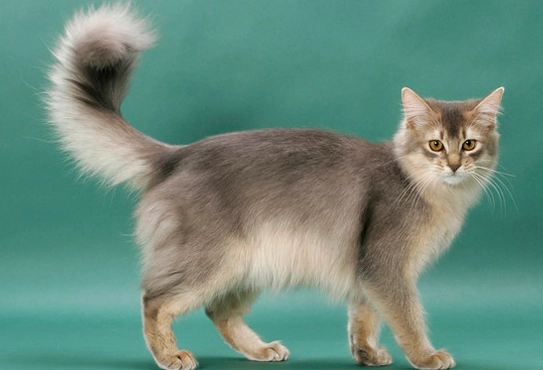
Exercise & Enrichment
This is non-negotiable. A walk around the apartment isn't enough.
- Vertical Space: Cat trees, tall scratching posts, and wall shelves are a must. They love to climb and survey their kingdom from the highest point.
- Interactive Play: Daily play sessions are crucial. Wand toys, laser pointers (always end with a physical toy they can "catch"), and puzzle feeders are fantastic. They excel at games that mimic hunting.
- Training: Their intelligence means they can learn tricks—fetch, sit, high-five. Clicker training works wonderfully and is great mental stimulation.
I made the mistake early on with my first Somali of thinking a couple of toys on the floor were enough. He quickly taught me the error of my ways by redecorating my bookshelves. Dedicated, interactive playtime saved my knick-knacks.
Health Monitoring
Beyond the specific issues listed in the next section, keep an eye on their dental health (prone to gingivitis) and weight. Annual vet check-ups are essential.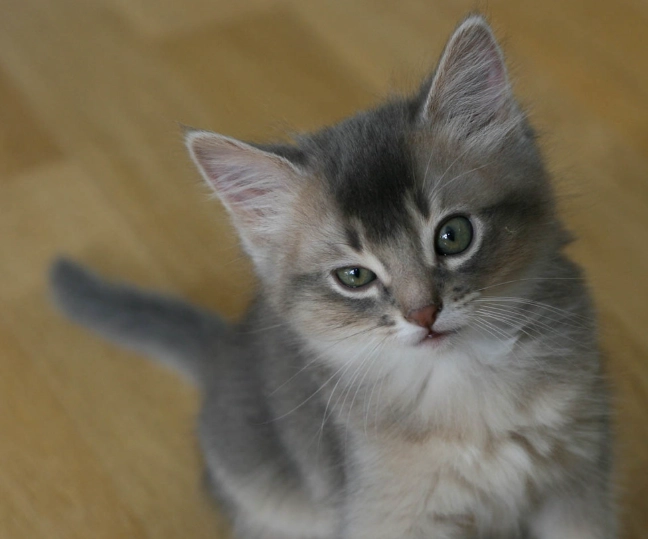
Common Health Issues to Be Aware Of
Reputable breeders test for genetic conditions. Being informed is key to providing a long, healthy life. Somalis are generally healthy, but they share some predispositions with their Abyssinian cousins.
- Gingivitis/Periodontal Disease: Very common. Start dental care early with brushing or dental treats. Your vet may recommend professional cleanings.
- Renal Amyloidosis: A serious condition where amyloid proteins are deposited in the kidneys, leading to failure. Reputable breeders screen their breeding stock. Ask your breeder about the health history of the lineage.
- Progressive Retinal Atrophy (PRA): A degenerative eye disease that can lead to blindness. A genetic test is available, and ethical breeders test for it.
- Patellar Luxation: A kneecap that dislocates easily. Usually mild but can require surgery in severe cases.
Choosing a breeder who openly discusses health testing is your first and best defense against these issues. The Somali Cat Club of America is a good resource for finding responsible breeders.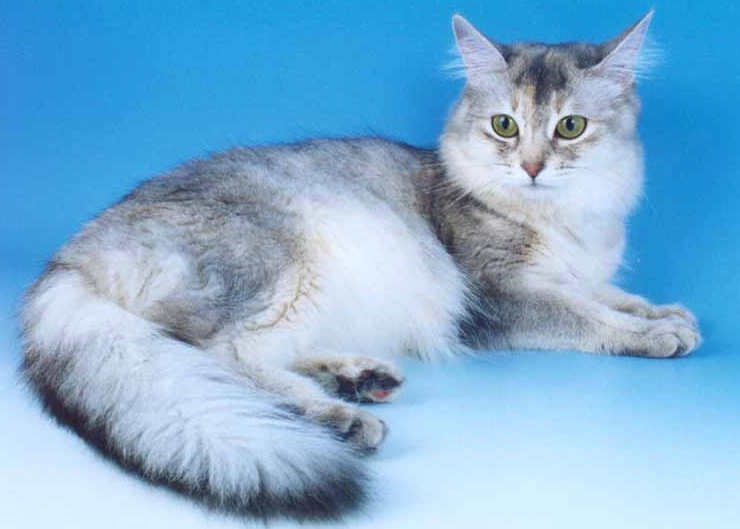
A Critical Point on Breeding: The beautiful blue color is a recessive dilute gene. Unscrupulous breeders might focus solely on color and engage in poor breeding practices that compromise health or temperament. Never choose a kitten based on color alone. The integrity and health of the breeder's program matter infinitely more.
Finding and Choosing a Blue Somali Cat
This is a rare color in a breed that isn't super common to begin with. Patience is required.
- Find a Reputable Breeder: Start with breed club websites (like the CFA or TICA breeder listings). Expect to be on a waiting list. A good breeder will interview you as much as you interview them.
- Visit the Cattery: If possible, see where the cats live. Are they clean, socialized, and part of the family? Kittens should be curious and playful, not shy or fearful.
- Ask the Right Questions: Inquire about health testing for PRA, PK-def (another Aby/Somali issue), and renal health. Ask about the parents' temperaments. What socialization practices do they use?
- Kitten Selection: A breeder will often match a kitten to your lifestyle based on personality, not just your color preference. Trust their judgment.
- Cost: A Somali kitten from a reputable breeder typically costs between $1,200 and $2,500 USD. The blue color does not usually command a higher price than other colors in well-regarded catteries. The price reflects health testing, quality care, and registration.
Adoption is rarer but not impossible. Check breed-specific rescues or keep an eye on general rescue groups; sometimes purebred cats end up there.