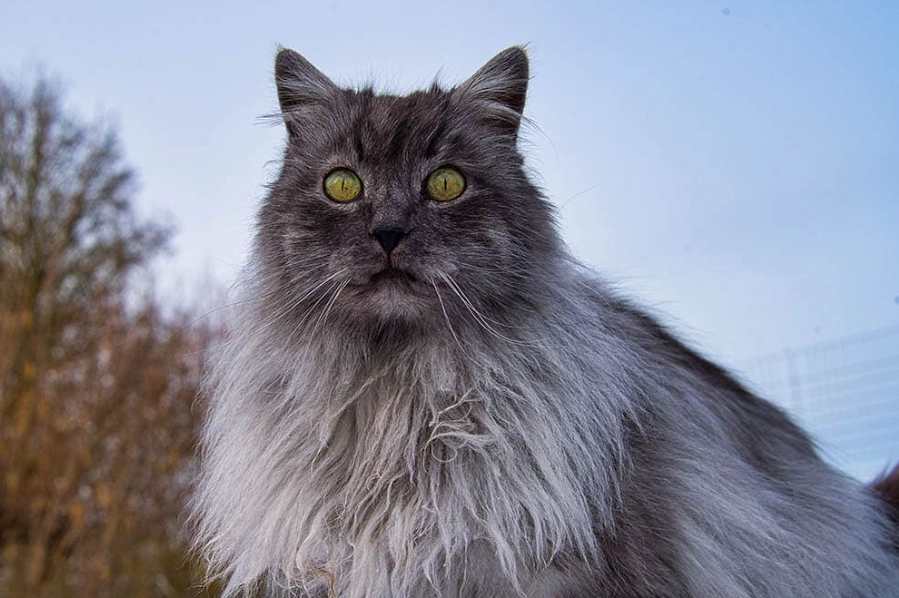
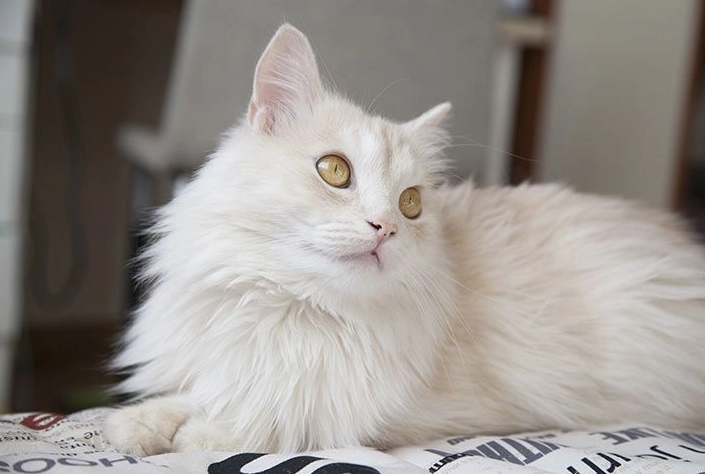
You see a photo of a Turkish Angora online. It's a vision of fluffy, cloud-like elegance. The immediate thought that pops into your head isn't just "how beautiful" but often, "how big is that cat?" That majestic, flowing coat creates an optical illusion, making it tricky to gauge their actual body size. I've owned two Turkish Angoras over the past decade, and the first thing visitors always get wrong is estimating their weight. "He must be 15 pounds!" they'd say about my male, Leo, who consistently weighed in at a lean 10.5 pounds. The coat is a master of disguise.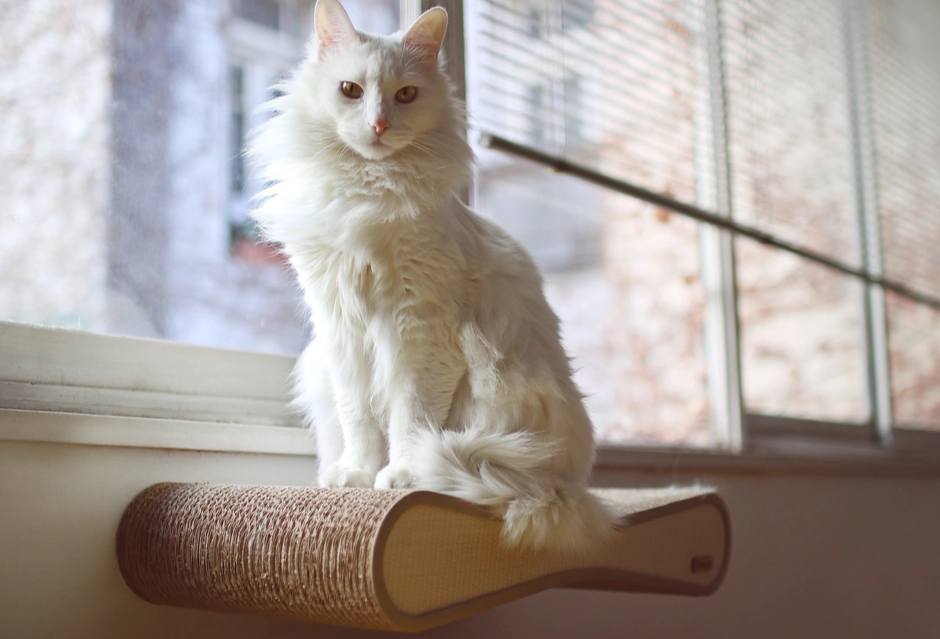
So, let's cut through the fluff—literally. The Turkish Angora is a medium-sized, fine-boned, and muscular cat. They are not giants like Maine Coons, nor are they dainty like some Siamese. Their magic lies in a deceptive combination: a lightweight, athletic frame wrapped in a deceptive volume of silky hair. Understanding their true size is crucial, not just for curiosity's sake, but for choosing the right carrier, cat tree, ensuring proper nutrition, and spotting potential health issues early.
Quick Jump to What You Need to Know
- Turkish Angora Cat Size and Weight: The Official Numbers
- How Turkish Angora Size Compares to Other Cats
- The Turkish Angora Growth Chart: From Kitten to Adult
- Factors That Influence Your Turkish Angora's Final Size
- Living with a Larger-Than-Life Cat: Space and Care Considerations
- Your Turkish Angora Size Questions, Answered
Turkish Angora Cat Size and Weight: The Official Numbers
According to breed standards from major cat registries like the Cat Fanciers' Association (CFA) and The International Cat Association (TICA), the Turkish Angora is described as a balanced, medium-sized cat. The key word is medium. But what does that mean in practical terms?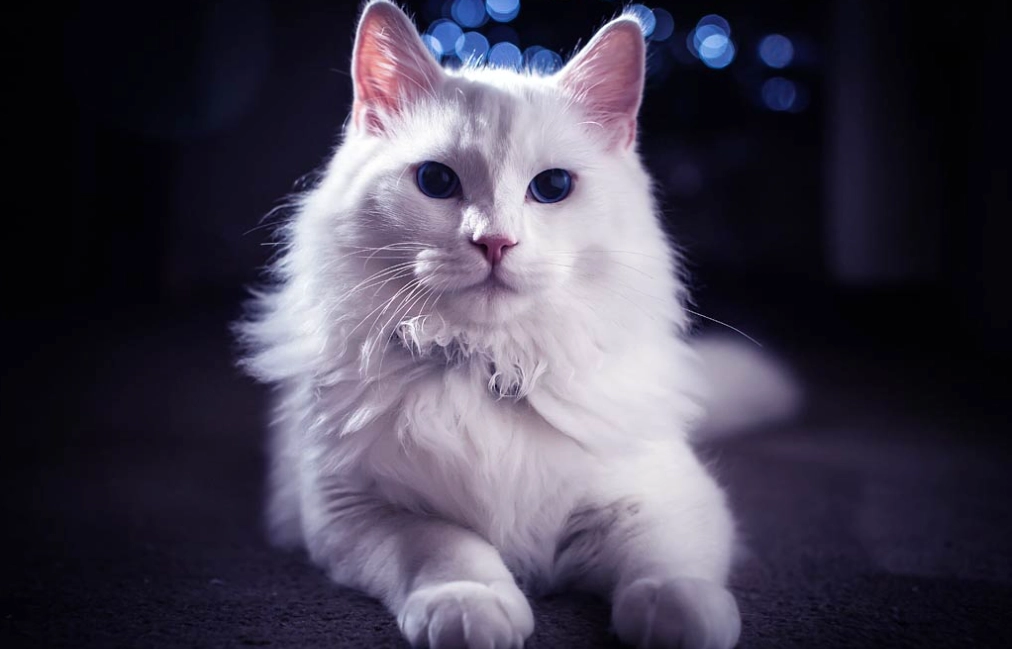
The Size Breakdown: An adult Turkish Angora typically measures about 9 to 14 inches (23 to 36 cm) in height at the shoulder, with a body length (nose to base of tail) of 12 to 18 inches (30 to 46 cm). When you add their magnificent, plume-like tail, which can be as long as their body, the total "visual length" can easily exceed 30 inches.
Weight is where people get tripped up. That luxurious coat can add a perceived 3-5 pounds. Here's the reality:
| Gender | Average Healthy Weight Range | Key Physical Traits |
|---|---|---|
| Male Turkish Angora | 8 - 12 pounds (3.6 - 5.4 kg) | Generally larger, with a more substantial bone structure and broader chest. They often carry a more impressive "ruff." |
| Female Turkish Angora | 6 - 10 pounds (2.7 - 4.5 kg) | More petite and fine-boned, but still muscular. Their elegance is often more pronounced. |
A common mistake new owners make is focusing solely on the number on the scale. A 9-pound Turkish Angora can look drastically different from a 9-pound British Shorthair. The Angora's weight is distributed on a long, tubular body with slender legs. You should be able to feel their ribs with a slight fat covering, and see a visible waist when looking down from above. If you can't, they might be overweight, which is easy to miss under all that fur.
How Turkish Angora Size Compares to Other Cats
Context helps. Let's put the Turkish Angora next to some other popular breeds.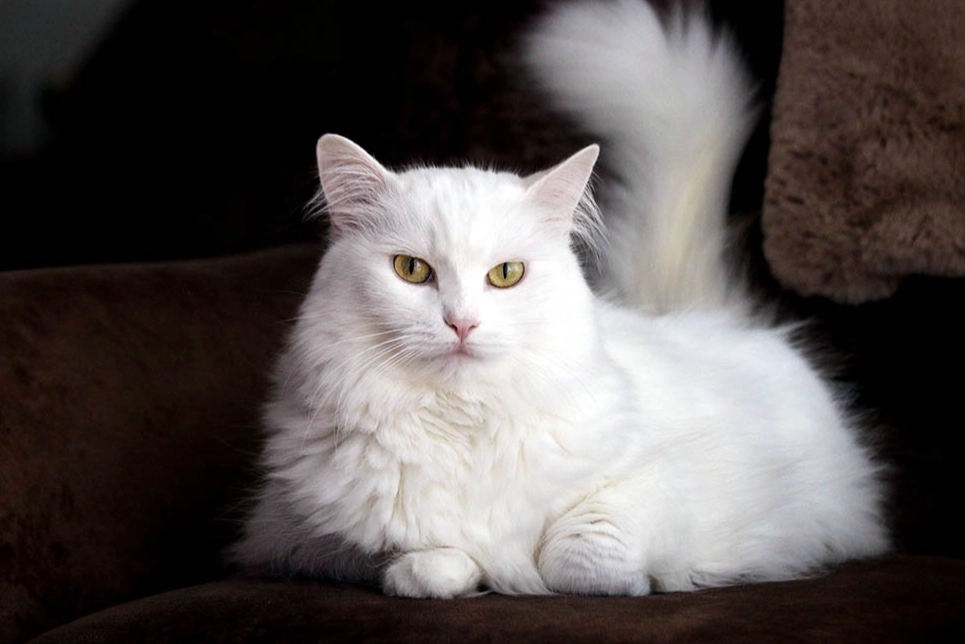
Vs. Maine Coon: No contest. The Maine Coon is a giant, often weighing 13-18 pounds (males can hit 20+). An Angora would look like a delicate dancer next to a lumberjack.
Vs. Persian: Persians are cobby, stocky, and low to the ground. They might weigh a similar 7-12 pounds, but that weight is packed into a much more compact, heavy-boned frame. An Angora of the same weight will appear taller, longer, and airier.
Vs. Siamese: Here, the Angora is usually larger. The modern Siamese is extremely slender and fine-boned, often weighing 6-10 pounds. The Angora has more muscle mass and, of course, the coat volume that the Siamese lacks.
Vs. Domestic Shorthair (Mixed Breed): This is the most common comparison. A robust male DSH can easily weigh 12-15 pounds. Your Angora will likely be lighter, but appear just as large or larger due to the coat. Their body type is more refined and athletic than the average "house cat."
The Turkish Angora Growth Chart: From Kitten to Adult
Turkish Angoras are moderately paced growers. They don't balloon up overnight like some large breeds. They achieve most of their skeletal growth by 12-15 months, but continue to fill out and develop their mature muscle tone and full coat until they are about 2 to 3 years old.
Here’s a rough timeline of what to expect:
- 0-6 Months (Rapid Growth): This is the kitten phase where they gain weight steadily, often around 1 pound per month. They're all legs and ears, with a thin, baby coat.
- 6-12 Months (Adolescent Lankiness): They reach near-adult height and length but remain slender. The adult coat starts to come in, especially the tail plume. This is when they look like a fluffy teenager.
- 12-24 Months (Filling Out): Growth slows significantly. They develop more muscle mass, their chest broadens, and their coat reaches its full, glorious length and density.
- 24-36 Months (Full Maturity): This is the final polishing. They achieve their adult weight and the complete, majestic appearance the breed is known for.
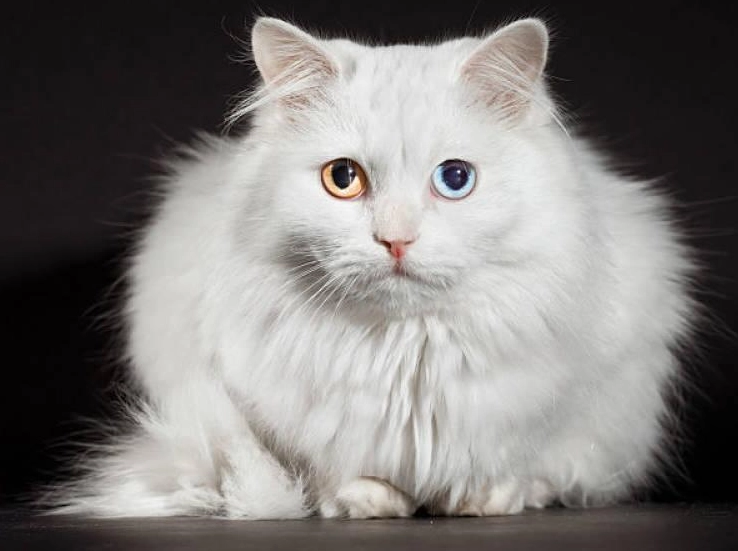
Watch Out For This: Many owners panic if their 1-year-old Angora still seems "small." Remember, they are late bloomers in terms of final physique and coat. A lean, somewhat scruffy-looking 12-month-old is completely normal. The real transformation happens in the second year.
Factors That Influence Your Turkish Angora's Final Size
Why is there a range? Not every Turkish Angora will hit 12 pounds. Several factors play a role.
Genetics and Lineage
This is the biggest one. Cats from lines bred for a more substantial, "traditional" type might be larger. Some European lines, for instance, can be a bit stockier. Reputable breeders, whose information you can often find through the Cat Fanciers' Association website, can give you insight into the typical size of their breeding lines.
Diet and Nutrition
A kitten fed a high-quality, protein-rich diet appropriate for growth will reach its genetic potential. Underfeeding or feeding low-quality food can stunt growth. Conversely, overfeeding leads to obesity, which is a serious health risk and makes it impossible to assess true size.
Gender
As the table showed, males are consistently larger, sometimes by a significant margin. If you have your heart set on a more substantial cat, a male is a safer bet.
Health
Parasites (like worms) as a kitten, or chronic illnesses, can impair growth. A healthy cat is a cat that can grow properly.
Neutering/Spaying
This is a nuanced point. Early spay/neuter (before 6 months) can sometimes lead to slightly taller cats because it delays the closure of growth plates. It may also predispose them to weight gain if their diet isn't adjusted post-surgery. Discuss timing with your vet.
Living with a Larger-Than-Life Cat: Space and Care Considerations
Their medium size is deceptive. Their personality and energy level require accommodations you might not think of for a 10-pound cat.
Vertical Space is Non-Negotiable: Turkish Angoras are famous climbers and love high vantage points. A flimsy 4-foot cat tree won't cut it. Invest in a sturdy, tall cat tree (6 feet or more) or create secure shelving pathways. They will use every inch of it.
Carrier and Litter Box Size: Don't buy a small carrier. Get a medium-to-large hard-sided carrier. They need room to turn around comfortably. For the litter box, a high-sided, large box is best to contain litter scatter and give them space.
Grooming Reality Check: That coat may make them look big, but it requires work. It's silky and less prone to matting than a Persian's, but it still sheds. A weekly thorough combing session (I use a stainless steel comb followed by a slicker brush) is essential to prevent tangles and hairballs. During spring and fall shedding seasons, expect to brush more frequently.
Exercise Needs: They are athletic and intelligent. A bored Turkish Angora in a small apartment can become destructive. Interactive play sessions with wand toys for 20-30 minutes daily are a must. Puzzle feeders are great for mental stimulation.
I learned this the hard way with my first Angora. I lived in a small studio and thought her size was manageable. What I didn't manage was her energy. She started climbing my curtains because she had nowhere else to go. The solution wasn't scolding her; it was installing wall-mounted shelves leading to a ceiling-height perch. Problem solved.
Your Turkish Angora Size Questions, Answered
My Turkish Angora is 1 year old and only weighs 7 pounds. Is she too small?
How can I accurately tell if my fluffy Angora is overweight?
Will a larger cat tree or scratching post help manage my Angora's size-related energy?
 Do male and female Turkish Angoras have different size-based personality traits?
What's the biggest mistake people make when planning for a Turkish Angora's size?