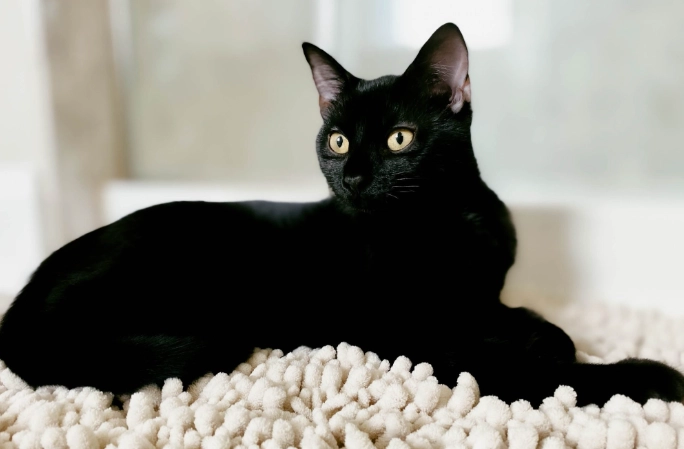
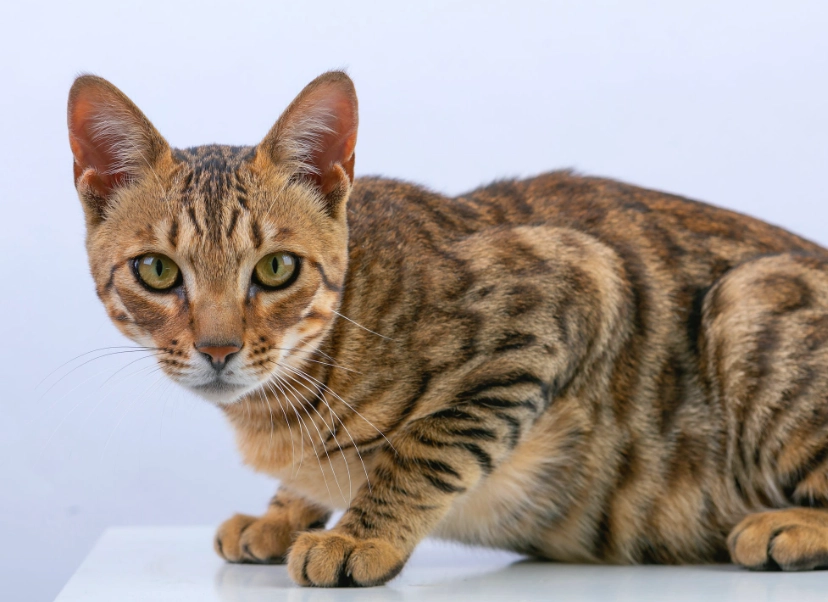
Let's cut to the chase. You're here because you've seen a charming black and white cat—maybe a sleek tuxedo with perfect white paws and chest—and wondered, "What's its personality really like?" Or perhaps you already live with one and are trying to decipher its sometimes baffling, often hilarious behavior. The internet is full of sweeping claims: tuxedo cats are smarter, more talkative, more dog-like. After sharing my home with a tuxedo cat named Max for over a decade and diving into both scientific literature and countless anecdotes from other owners, I've found the truth is more nuanced, and far more interesting.
The core personality of a black and white cat isn't dictated by its coat color alone. Genetics, early socialization, and individual quirks play massive roles. However, through observation and studies like those referenced by the International Cat Association, which note personality correlations in certain breeds and color patterns, we can identify common tuxedo cat personality trends. They often cluster around high sociability, notable intelligence, and a certain… theatrical flair.
What You'll Discover
The 5 Most Common Black and White Cat Personality Traits
Based on surveys from communities like Tuxedo Cat Lovers and my own experience, these traits pop up again and again. Not every cat will hit all five, but most tuxedo owners will recognize at least a few.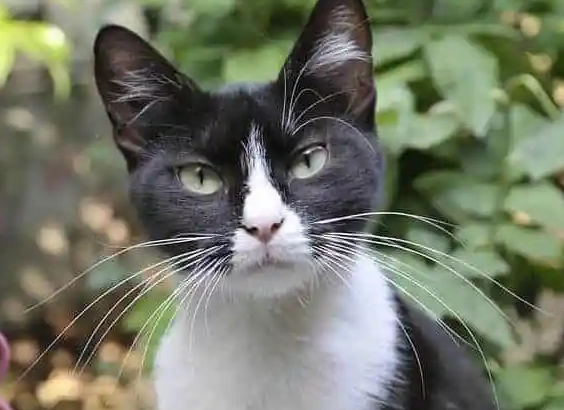
1. The Social Butterfly (With Boundaries)
Many black and white cats are famously people-oriented. They greet you at the door, follow you from room to room, and prefer to be in the same space as their humans. My Max has to be in whatever room I'm in, even if it's just lying on the bathmat while I shower. This sociability often extends to guests, making them seem more outgoing than other cats. But here's the nuance often missed: this isn't always constant cuddling. It's often "companionable proximity." They want to be near you, but on their terms. They might sleep at the foot of the bed, not on your face.
2. The Clever Problem-Solver
The "smart" label sticks for a reason. Tuxedo cats frequently exhibit sharp problem-solving skills. This isn't just about learning tricks (though many do). It's about observation and manipulation. I've watched Max figure out how to open lever-style door handles by jumping and pulling down. He learned that the sound of the cheese drawer means a possible treat and would appear instantly. This intelligence means they need mental stimulation. A bored, smart cat is a cat that invents its own games, usually involving your curtains.
3. The Chatty Cathy
A distinct vocal personality is common. They don't just meow; they trill, chirp, and have full-blown conversations. You'll hear a soft "mrrp?" when they jump up next to you, or a louder, persistent commentary around dinner time. It feels less like random noise and more like intentional communication. Responding to them often encourages this dialogue, for better or worse.
4. The Playful Clown (Even in Adulthood)
Many retain a kitten-like playfulness well into their senior years. They're the cats who will fetch a crumpled paper ball, chase laser pointers with abandon, and get the "zoomies" at predictable times (often 10 PM). This playful tuxedo cat personality trait is a joy, but it requires an owner willing to engage. Ten minutes of dedicated, interactive play twice a day can curb a lot of potential mischief.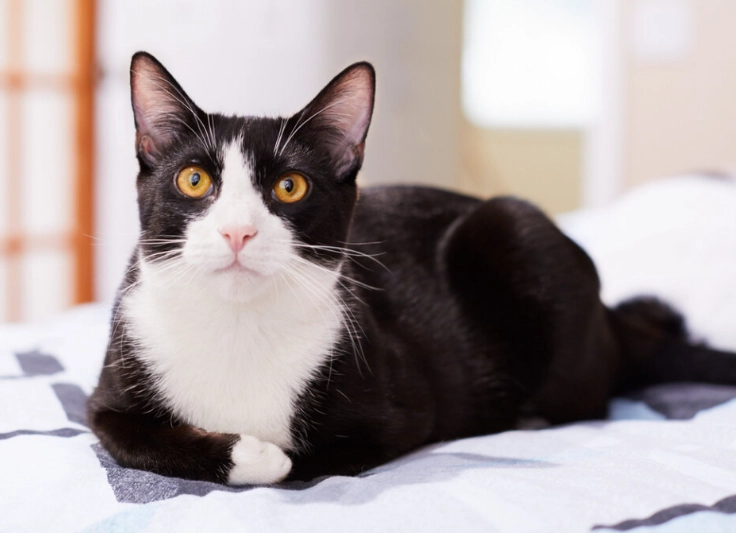
5. The Confident, Sometimes Stubborn, Leader
There's often an air of quiet confidence. In multi-cat households, the tuxedo cat frequently assumes a leadership role—not through aggression, but through calm assertiveness. This can tip into stubbornness. If they decide they want that spot on the couch you're sitting in, they will stare, paw, or gently but insistently nudge you until you move. It's not malice; it's determination.
Quick Reality Check: My friend's tuxedo, Luna, is shy and skittish, hiding from everyone but her owner. She breaks the "social butterfly" mold completely. This proves the rule: these are strong trends, not guarantees. Your cat's unique history is its biggest personality driver.
The Science vs. The Myth: Does Coat Color Really Determine Personality?
This is where we separate folklore from fact. The idea that fur color dictates temperament is a persistent myth. A cat's personality is a complex soup of genetics (beyond just color genes), prenatal environment, and—most critically—early life experiences during the socialization period (2 to 7 weeks old).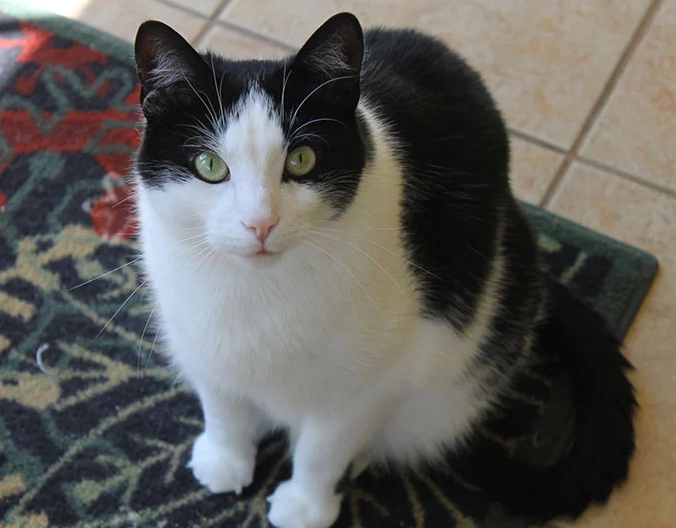
So why the strong associations with black and white cat personality traits? Researchers have explored possible links between the piebald spotting gene (which creates the white patches) and aspects of neural crest cell development, which in turn might influence temperament. A study often cited in animal behavior circles, like the survey research mentioned by the University of California, Davis, Veterinary Medicine, has noted correlations between certain coat colors and owner-reported behaviors, such as calicos being more "feisty" or orange cats more "friendly."
But correlation isn't causation. A more plausible explanation for the tuxedo's reputation is observational bias and selective breeding. Tuxedo is a common pattern in many breeds known for being sociable and interactive, like the American Shorthair. When people have positive experiences with outgoing tuxedo cats, the story spreads. The pattern is striking and memorable, so the personality traits become attached to the look.
The biggest mistake new owners make is assuming their black and white cat will automatically fit the mold. This sets up unrealistic expectations. You should hope for a friendly cat, but prepare to understand and work with the individual you actually bring home.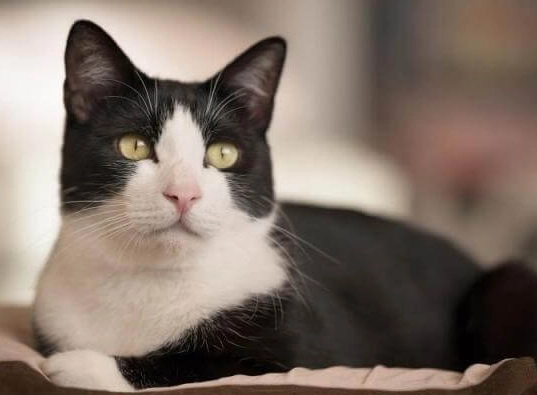
How to Live Happily with a Tuxedo Cat: A Practical Guide
If the common traits ring true for your cat, here’s how to build an environment where they can thrive. This isn't generic cat advice; it's tailored to the potential needs of a brainy, social, active tuxedo.
Mental Stimulation is Non-Negotiable
Food puzzles are your best friend. Ditch the food bowl and use puzzle feeders for at least one meal a day. Rotate toys to prevent boredom—a new cardboard box or a paper bag can be more exciting than an expensive toy they've seen for months. Consider clicker training. Teaching a "sit," "high-five," or to jump through a hoop engages their brain and strengthens your bond. It’s easier than you think.
Establish Clear Communication Routines
They talk to you, so talk back. Establish meanings for different sounds. A specific chirp before meals, a certain tone during play. This satisfies their communicative nature. Ignoring their vocalizations can lead to frustration and louder, more persistent calls.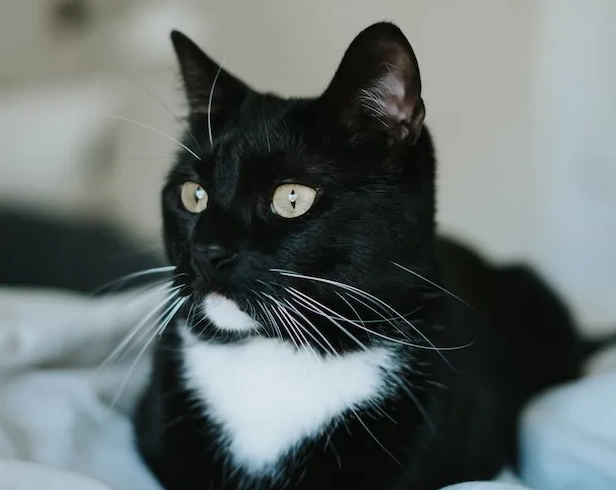
Respect the "Nearness, Not Needy" Paradox
Don't force cuddles. Let them initiate contact. Create inviting perches near your desk or favorite chair. A warm, soft bed placed where you spend time will often be chosen over a secluded spot. This meets their need for companionship without overwhelming them.
Provide Outlets for Leadership and Play
Interactive wand toys that let them "hunt" satisfy both play and leadership drives. End play sessions with a tangible "catch," like a treat or a small meal, to simulate a successful hunt. This can curb nighttime zoomies. If you have other pets, ensure resources (food, water, litter boxes, high perches) are plentiful and separate to avoid stress-related conflict.
Your Top Tuxedo Cat Questions, Answered
At the end of the day, living with a black and white cat is less about managing a set of predictable traits and more about engaging with a complex, intelligent individual. The tuxedo pattern might give you a hint about what's under the hood—a potential for smarts, chatter, and charm—but the real story is written by the cat itself. Pay attention, provide the right environment, and you'll likely find yourself with a companion full of personality, one that just happens to wear a very stylish suit.