If you're allergic to cats but love their company, you've probably heard that the Devon Rex is a "hypoallergenic" breed. Let's cut to the chase: yes, Devon Rex cats are often considered better for allergy sufferers than many other breeds, but they're not a magic bullet. No cat is 100% hypoallergenic. The truth lies in how much of the allergen Fel d 1 they produce and shed, and the Devon Rex tends to score lower on that front due to its unique coat. I've seen allergic owners live happily with Devon Rex cats for years, but it always requires some management. This guide dives deep into what that really means for you.
Jump to What Matters
- Understanding Hypoallergenic Cats: It's Not What You Think
- The Devon Rex: A Closer Look at Its Coat and Allergen Production
- How Devon Rex Stacks Up Against Other "Hypoallergenic" Breeds
- Real-World Tips for Allergy Sufferers Considering a Devon Rex
- Debunking Common Myths About Hypoallergenic Cats
- Your Questions Answered: Devon Rex and Allergies FAQ
Understanding Hypoallergenic Cats: It's Not What You Think
First off, "hypoallergenic" means less likely to cause an allergic reaction, not allergy-proof. Most cat allergies are triggered by a protein called Fel d 1, which is produced in a cat's saliva, skin glands, and urine. When cats groom themselves, the saliva dries on their fur and becomes airborne as dander (tiny skin flakes). So, the key factors are how much Fel d 1 a cat produces and how much dander it sheds.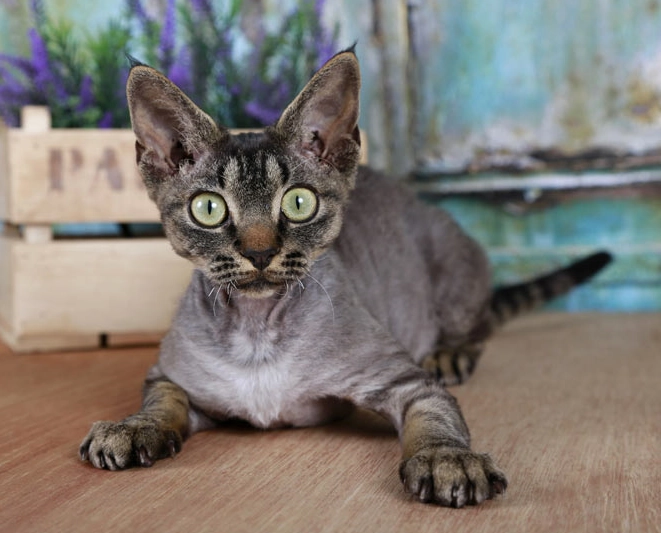
Some breeds, like the Devon Rex, are touted as hypoallergenic because they shed less. But here's a nuance many websites miss: shedding isn't the only factor. Individual cats vary widely. I've met Devon Rex cats that triggered sneezing fits in some people, while others had no issue. It depends on your specific allergies and the cat's genetics.
The Role of Fel d 1 and Shedding
Fel d 1 levels can differ between breeds and even between cats in the same litter. Studies, such as those referenced by the Asthma and Allergy Foundation of America, show that no breed is completely free of this protein. However, breeds with less fur or unique coat types may spread fewer allergens around your home.
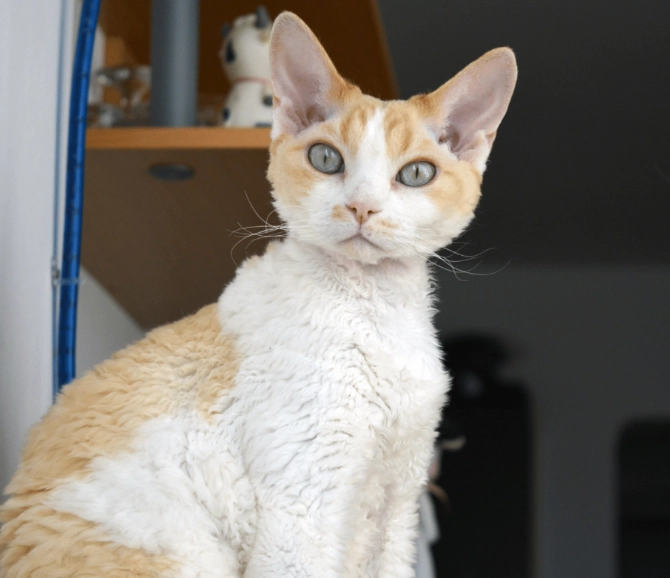
Devon Rex cats have a short, curly, and fine coat that doesn't shed much. They lack a full outer coat, which means less dander is released into the air. But they still produce Fel d 1 in their saliva and skin. So, while they're a better choice, you can't just bring one home and expect zero symptoms without any effort.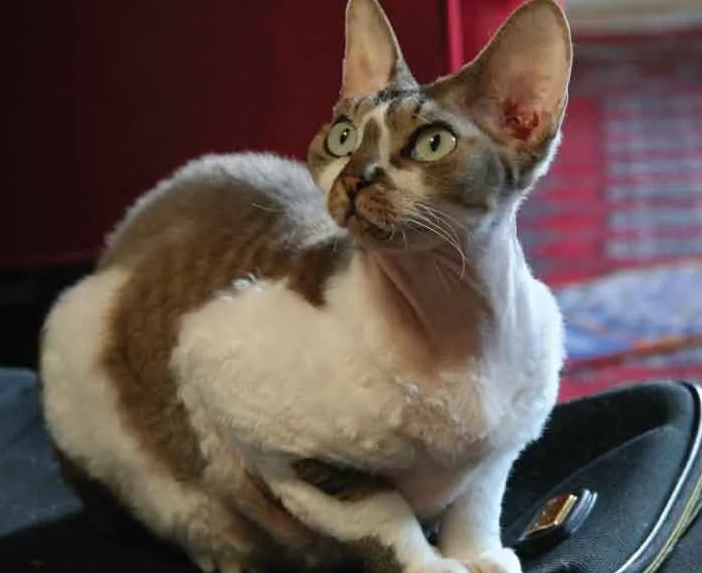
The Devon Rex: A Closer Look at Its Coat and Allergen Production
The Devon Rex is known for its elfin appearance and soft, wavy coat. According to The International Cat Association (TICA), this breed originated in England in the 1960s and has a distinctive coat that requires minimal grooming. Their fur is often compared to crushed velvet—it's thin and lies close to the body.
Because they shed less, there's less dander floating around. But here's a personal observation from my experience with the breed: Devon Rex cats can be oily. Their skin produces more oils than some breeds, which can trap allergens if not managed. That oil can transfer to furniture and your hands, so regular gentle cleaning is crucial.
Another point: Devon Rex cats are social and love to cuddle, which means more direct contact with their saliva and skin oils. If you're highly allergic, this could be a problem unless you take precautions like washing hands after petting.
Key Takeaway: The Devon Rex's low-shedding coat reduces airborne dander, but allergens are still present in saliva and oils. Individual reactions vary, so testing your tolerance before adoption is wise.
How Devon Rex Stacks Up Against Other "Hypoallergenic" Breeds
Let's compare the Devon Rex to other breeds often recommended for allergy sufferers. This table gives a quick overview based on allergen production and shedding patterns. Note that these are generalizations—your mileage may vary.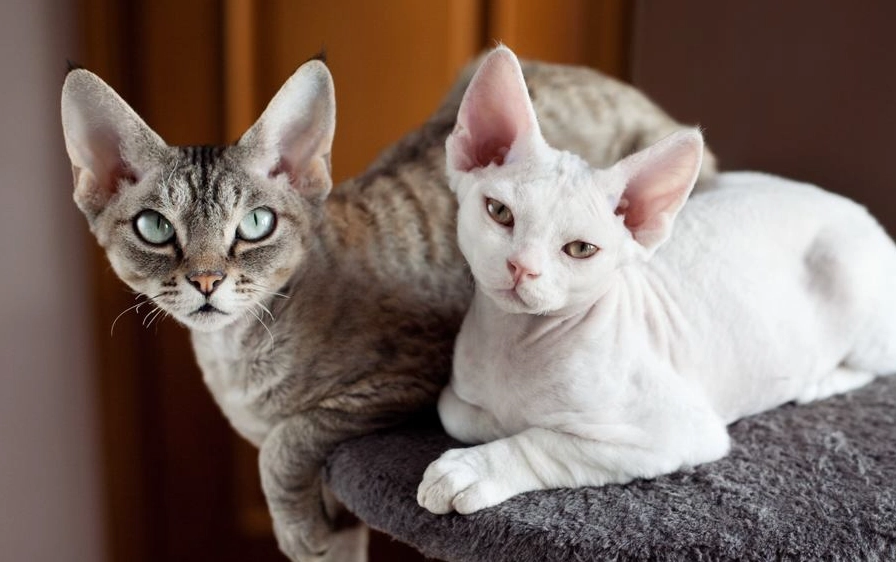
| Breed | Coat Type | Shedding Level | Fel d 1 Production (Estimated) | Good for Allergies? |
|---|---|---|---|---|
| Devon Rex | Short, curly, fine | Low | Moderate to Low | Often yes, with management |
| Sphynx | Hairless | None | Moderate (skin oils carry allergens) | Yes, but requires frequent bathing |
| Siberian | Long, thick | High | Reported low in some studies | Mixed reviews; some allergic owners do well |
| Balinese | Long, silky | Moderate | Low | Often recommended |
| Cornish Rex | Short, wavy | Low | Similar to Devon Rex | Yes, similar to Devon Rex |
From this, you can see the Devon Rex is in the same ballpark as the Cornish Rex and Sphynx for low shedding, but each breed has quirks. For instance, Sphynx cats need weekly baths to control oils, which can be a hassle. The Siberian might surprise you—despite its fur, some research suggests lower Fel d 1 levels, but shedding can still trigger allergies. The Devon Rex strikes a balance: less grooming than a Sphynx, less shedding than a Siberian.
I've talked to breeders who note that Devon Rex cats often produce less dander than typical domestic shorthairs, but they're not the absolute lowest. If you're severely allergic, a Sphynx with strict bathing might be better, but for moderate allergies, a Devon Rex can be a great fit.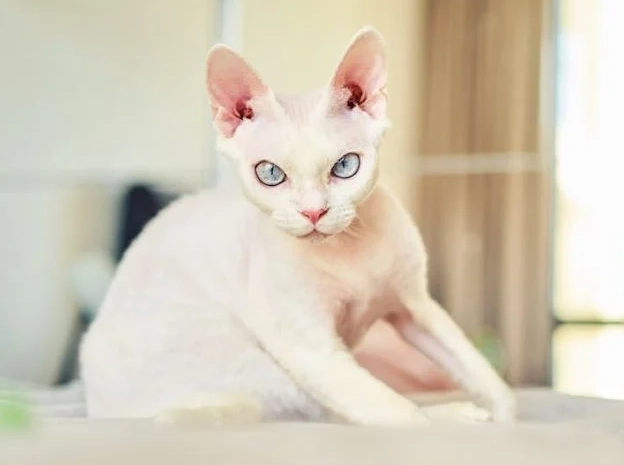
Real-World Tips for Allergy Sufferers Considering a Devon Rex
So, you're thinking about getting a Devon Rex. Here's a step-by-step approach to make it work, drawn from advice I've given to allergic friends and clients over the years.
Step 1: Test Your Reaction First
Don't just rely on online claims. Visit a breeder or shelter and spend time with a Devon Rex cat. Sit in a room with it for an hour or two. See if your eyes itch or you start sneezing. Some breeders even offer "trial periods" for allergic families. This is the most crucial step—I've seen people skip it and regret it later.
Step 2: Create an Allergy-Friendly Home Environment
Once you bring a Devon Rex home, manage the environment to minimize allergens.
- Use HEPA air purifiers: Place them in rooms where the cat spends most time. This reduces airborne dander significantly.
- Wash bedding weekly: Use hot water to kill allergens. Consider allergen-proof covers for mattresses and pillows.
- Vacuum regularly: Use a vacuum with a HEPA filter, ideally daily in high-traffic areas.
- Designate cat-free zones: Keep the bedroom off-limits to give your immune system a break during sleep.
Step 3: Groom and Care for Your Devon Rex
Devon Rex cats need minimal brushing, but regular wiping with a damp cloth can remove oils and dander from their skin. Bathe them once a month with a gentle cat shampoo—over-bathing can dry out their skin and increase oil production. Trim their nails to reduce scratching, which can spread allergens.
Step 4: Monitor Your Health and Adjust
Keep track of your allergy symptoms. If they flare up, you might need to increase cleaning frequency or consult an allergist for medications like antihistamines or allergy shots. Some people build tolerance over time; others don't. Be prepared to adapt.
I remember a client, Sarah, who adopted a Devon Rex despite mild allergies. She followed these steps and had no issues for months, but then her symptoms worsened during pollen season. Adding an air purifier in her living room made all the difference. It's about ongoing management, not a one-time fix.
Debunking Common Myths About Hypoallergenic Cats
There's a lot of misinformation out there. Let's clear up a few myths I often hear.
Myth 1: Hypoallergenic cats don't cause any allergies. False. As discussed, they just cause fewer reactions. Even hairless cats like the Sphynx produce Fel d 1.
Myth 2: All Devon Rex cats are equally hypoallergenic. Not true. Individual variation is huge. Some Devon Rex cats might produce more Fel d 1 due to genetics or health issues. Always test with the specific cat you plan to adopt.
Myth 3: Bathing a cat eliminates allergens. Partially true, but overdoing it can backfire. Bathing removes allergens from the skin and fur, but it's temporary. For Devon Rex cats, too-frequent baths can strip natural oils, leading to skin problems and potentially more dander. Stick to a monthly schedule unless advised by a vet.
Myth 4: Female cats are more hypoallergenic than males. Some studies, like those cited by the Journal of Allergy and Clinical Immunology, suggest that intact male cats produce higher levels of Fel d 1. Spaying or neutering can reduce this, but the difference isn't always dramatic. Don't rely solely on gender when choosing a Devon Rex.
Your Questions Answered: Devon Rex and Allergies FAQ
Wrapping up, the Devon Rex is a fantastic breed for many allergy sufferers, but it's not a cure-all. It requires a proactive approach—testing, environmental control, and ongoing care. From my perspective, the joy of having a Devon Rex often outweighs the hassle for those with mild to moderate allergies. They're affectionate, playful, and their unique look is a bonus. Just go in with eyes open, and you might find your perfect feline companion.