In This Guide
- What Exactly is an Orange Himalayan Cat?
- Beyond the Color: The Himalayan Personality
- The Heart of the Matter: Grooming Your Orange Himalayan Cat
- Health Considerations: What to Watch For
- Finding Your Flame Point Companion
- Living Happily Ever After: Daily Life & Enrichment
- Your Orange Himalayan Cat Questions, Answered
- Final Thoughts: Is an Orange Himalayan Cat Right for You?
Let's be honest, the first thing that grabs you about an orange Himalayan cat is that stunning coat. It's like someone dipped a cloud in a sunset. But if you're here, you're probably wondering what lies beneath that gorgeous fluff. Is it all looks, or do they have the personality to match? What's the real deal with caring for one of these living teddy bears? I've been around cats my whole life, and I've learned that with Himalayans, especially the orange ones, there's a lot more to unpack than just their color.
I remember the first time I met a proper flame point Himalayan. It was at a cat show, years ago. This creature sat regally on its cushion, its deep blue eyes staring right through me, contrasting wildly with its orange-tipped ears, tail, and face. I was smitten. But the owner, a seasoned breeder, gave me a friendly warning: "They're glorious, but they're a commitment. That coat doesn't groom itself." She was right. So let's dive in and separate the Instagram fantasy from the day-to-day reality of living with an orange Himalayan cat.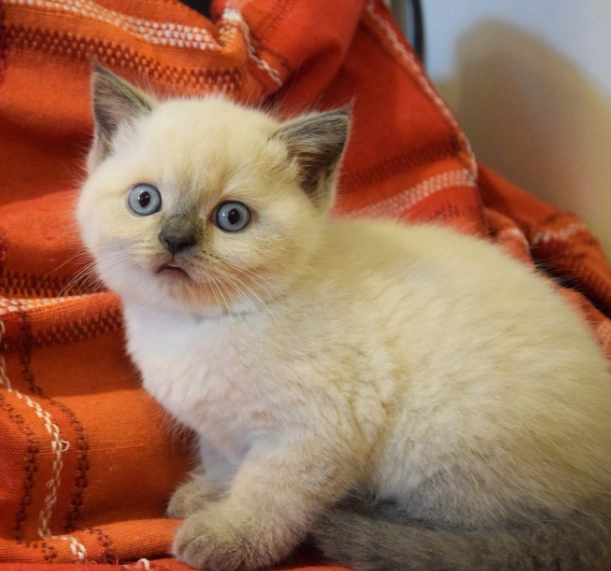
What Exactly is an Orange Himalayan Cat?
This is where things get interesting. "Orange" isn't the official term you'll find in breed standards. In the cat fancy world, that beautiful orange hue is called "red" or, more specifically for the point coloration, "flame point." A flame point Himalayan is a colorpoint cat with a creamy white body and distinct orange-to-reddish points on the ears, face mask, legs, and tail.
Breed Origin: The Himalayan isn't a natural breed. It was meticulously created by crossing Persian cats (for their body type and long coat) with Siamese cats (to introduce the colorpoint gene). The goal was to get the best of both worlds: the Persian's luxurious fur and calm demeanor with the Siamese's striking points. The Cat Fanciers' Association (CFA) actually considers the Himalayan a color division of the Persian breed, while other registries like The International Cat Association (TICA) treat it separately. You can read more about the breed history on the CFA's official Himalayan page.
The "points" are cooler areas of the body. The color gene is temperature-sensitive, which is why the color only develops on the cooler extremities. A kitten is born all white and develops its points over the first few weeks of life. So, that stunning orange Himalayan cat color you see is the result of a very specific genetic recipe.
The Genetics Behind the Flame
Getting that perfect flame point isn't simple. The orange color in cats is carried on the X chromosome. This leads to some quirks:
- Male Orange Cats are More Common: Since males only need one orange gene (XY), they are more frequently orange. A male Himalayan cat orange in color is quite common.
- Female Orange Cats Need Two: Females (XX) need the orange gene on both X chromosomes to show the color. This makes female flame points less common. If she has only one orange gene, she'll be a tortoiseshell or calico point, which are also gorgeous but different.
This genetic dance means breeders carefully plan pairings to increase the chances of getting those sought-after flame point kittens. It's not just about putting two orange parents together.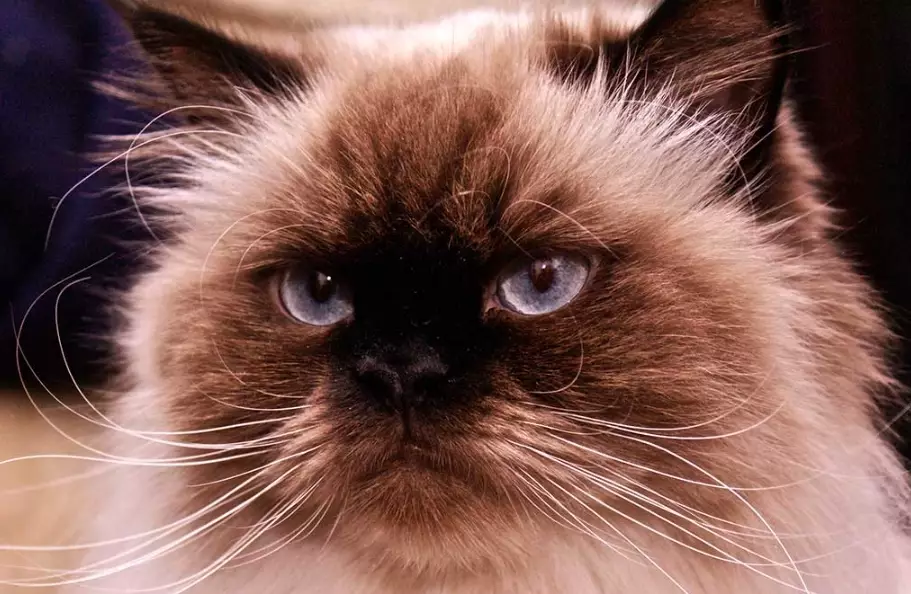
Beyond the Color: The Himalayan Personality
Okay, so they look like a masterpiece. But what are they like to live with? I've found that people either expect a aloof, decorative diva or a hyperactive chatterbox. The truth is, the Himalayan personality is wonderfully in-between.
They inherited the Persian's laid-back, sweet nature. Most orange Himalayan cats are not climbers or constant zoomie enthusiasts. They are quintessential lap cats. They want to be near you, often following you from room to room just to plop down decoratively a few feet away. They communicate, but not with the piercing yowl of a Siamese. It's more of a soft, melodic chirp or a quiet meow to get your attention.
My friend has a flame point named Marmalade. He's the definition of a gentle giant. His favorite activity is to be carried around the house like a baby while my friend does chores. He'll just go limp and purr. He's not much for fetching, but he will stare intently at you until you give him chin scratches. It's a peaceful, low-drama kind of companionship.
They are intelligent but not in a "let's solve this puzzle feeder in 30 seconds" way. Their intelligence is more social. They learn routines quickly—dinner time, grooming time, your bedtime—and will gently remind you if you're late. They tend to do well in quieter households. A chaotic environment with loud noises and constant running might stress them out.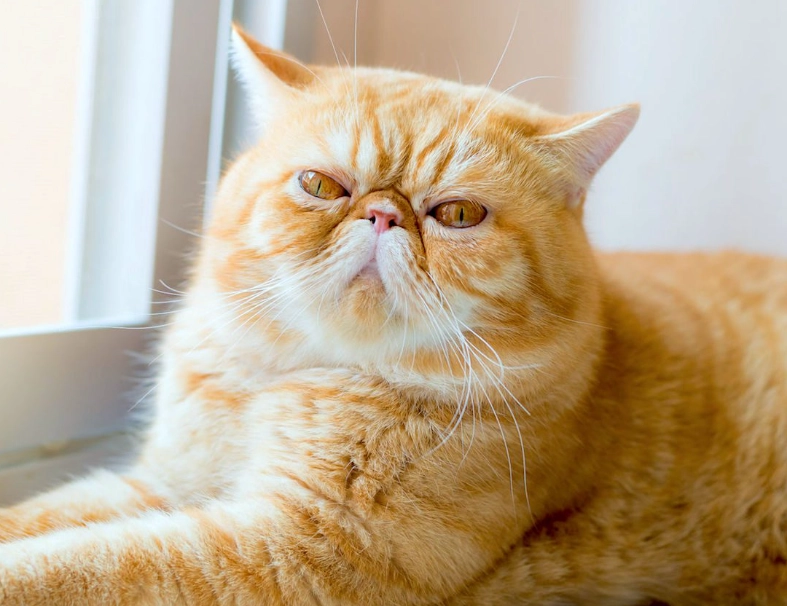
The Heart of the Matter: Grooming Your Orange Himalayan Cat
This is the non-negotiable part. That magnificent coat is a magnet for mats and tangles. If you dislike grooming or are short on time, this breed will be a source of stress for both of you. It's the biggest commitment you make.
You can't get away with a quick brush once a week. We're talking daily maintenance to prevent the undercoat from felting into tight mats close to the skin, which can be painful and require shaving. A proper grooming session for my friend's cat takes about 15 minutes a day.
Warning: Neglecting grooming doesn't just lead to a messy coat. Mats pull on the skin, can hide parasites or skin infections, and cause significant discomfort. Severe matting is a serious welfare issue and requires a full "lion cut" from a professional groomer, which, while cute, is a sign the regular care has failed.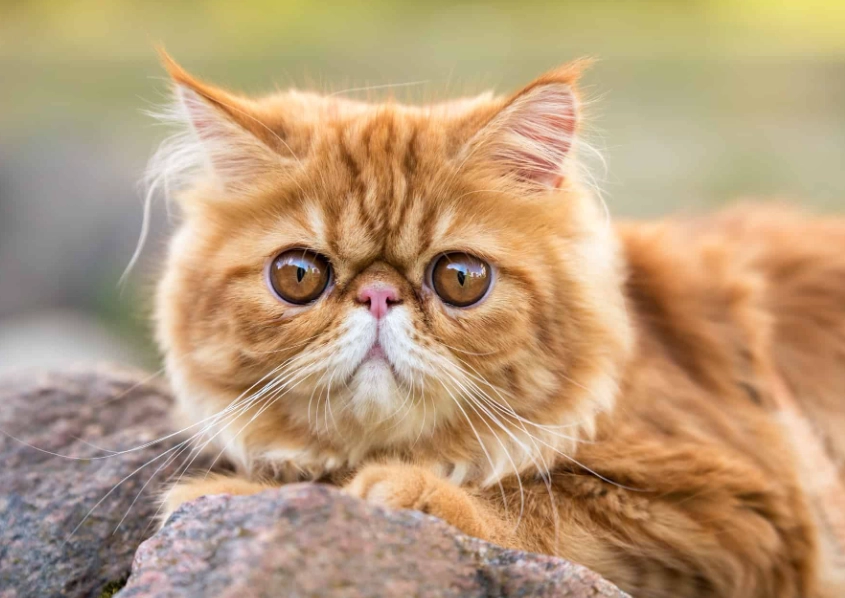
Essential Grooming Tools & Routine
Having the right tools makes all the difference. Here’s what you actually need:
| Tool | Purpose | Frequency |
|---|---|---|
| Stainless Steel Comb (Wide & Fine-toothed) | The #1 most important tool. Gets through the entire coat to the skin, finds and breaks up tiny tangles before they become mats. | Daily |
| Slicker Brush | Great for fluffing up the topcoat and removing loose hair after combing. | Daily (after combing) |
| Blunt-tipped Scissors | For carefully snipping out small, stubborn mats you can't comb out (be extremely careful not to cut skin). | As Needed |
| Grooming Wipes | To clean tear stains under the eyes (common in flat-faced breeds) and keep the rear clean. | Every 1-2 Days |
The routine itself is straightforward but must be consistent. Start at the head and work back, sectioning the coat. Pay special attention to high-friction areas: behind the ears, under the armpits, the belly, and the "pants" around the hind legs. These are mat hotspots.
And here's a personal, slightly embarrassing tip: make grooming positive. Use treats. Talk softly. If you only bring out the comb when the cat is already a tangled mess and you're frustrated, they'll learn to hate it. Start when they're kittens, even if it's just for a few minutes of gentle handling.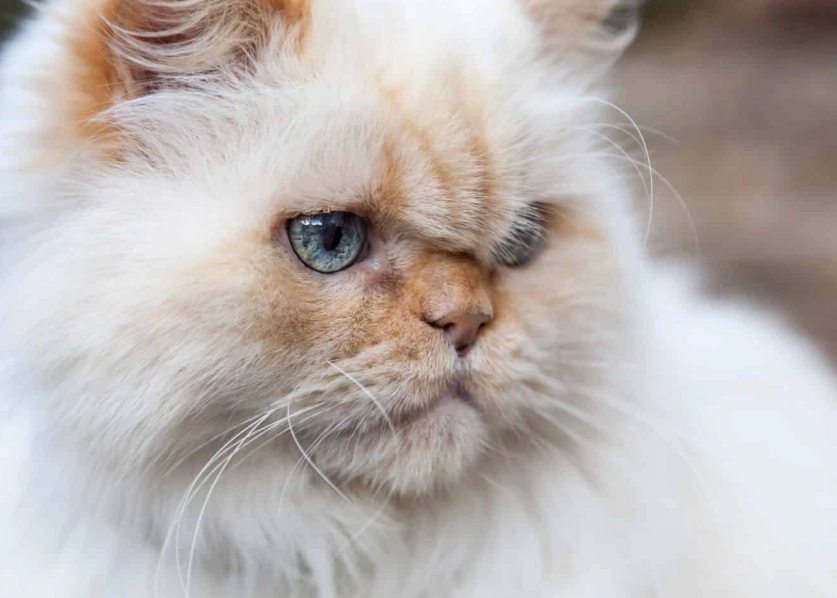
Health Considerations: What to Watch For
Like all purebreds with a specific structure, Himalayans are prone to certain health conditions. Being informed helps you be a better advocate for your cat. Responsible breeders test for these.
- Polycystic Kidney Disease (PKD): This is a big one. It's an inherited disorder where cysts develop in the kidneys. Reputable breeders will have their breeding cats genetically tested for PKD and provide proof. Always ask for this. Organizations like the Cornell Feline Health Center have detailed information on PKD.
- Brachycephalic Issues: Their flat, "peke-faced" structure can lead to breathing difficulties (Brachycephalic Airway Obstructive Syndrome), dental crowding, and prominent eye issues. Those beautiful big eyes are prone to excessive tearing and conditions like entropion (where the eyelid rolls inward). Daily face wiping is a must.
- Heat Sensitivity: Their long coat and compromised breathing make them overheat easily. Always ensure they have a cool place to rest in summer, and never leave them in a car or hot room.
I feel it's only fair to mention that the very flat face, while adored by many, can come with quality-of-life challenges. Some lines are bred for an extremely flat face, which exacerbates these health issues. When looking for an orange Himalayan cat, consider a "traditional" or "doll-faced" Himalayan that has a slightly longer nose. They often have fewer breathing and eye problems while still being unmistakably Himalayan.
Finding Your Flame Point Companion
This is the most important step. Do not impulse-buy from a pet store or the first online ad you see. The wrong source can lead to heartbreak, both emotionally and financially, with a sickly, poorly socialized kitten.
Reputable Breeder Checklist:
1. They ask YOU questions. They want to know about your home, lifestyle, and why you want a Himalayan. They are matching kittens to homes, not just selling a product.
2. They welcome visits. You should be able to see where the cats and kittens live (clean, spacious, social).
3. They have health guarantees and contracts. This includes proof of genetic testing (PKD), vaccination/deworming records, and a promise to take the cat back at any point in its life if you can't keep it.
4. The kittens stay until at least 12-16 weeks old. This is crucial for proper socialization with their littermates and mother.
5. They are registered with a major cat association (CFA, TICA) and can explain the breed standard.
Adoption is also a wonderful option. Purebred cat rescues and even local shelters sometimes have adult Himalayans, including orange Himalayan cats, who need a second chance. An adult cat's personality is already known, and they often require less intense supervision than a kitten. Check resources like Petfinder and search for breed-specific rescues.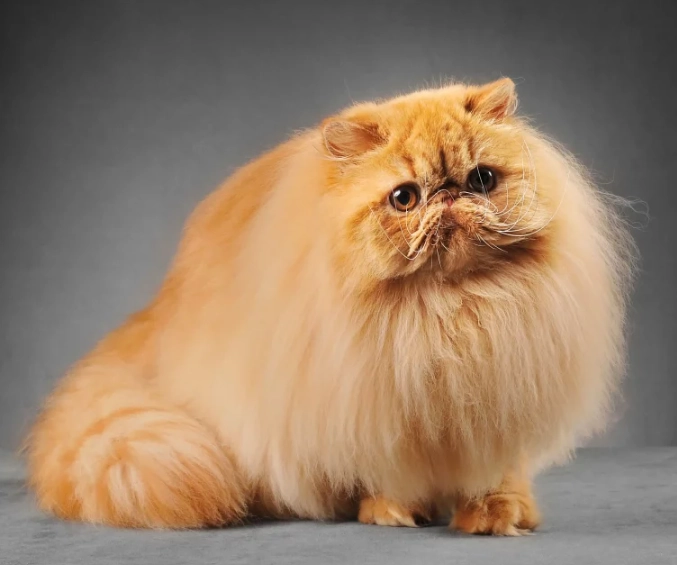
Living Happily Ever After: Daily Life & Enrichment
So you've brought your fluffy orange companion home. Now what? Their needs are simple but specific.
Diet: A high-quality diet is key. Many vets recommend wet food to increase moisture intake, which supports urinary tract and kidney health. Ensure food bowls are wide and shallow to accommodate their flat faces.
Litter Box: Get a large, uncovered box. A covered box can trap odors and be uncomfortable for a large, long-haired cat. Use a fine, unscented clumping litter—it's less likely to stick to their fur and get tracked around. Place it far from their food and water.
Enrichment: They aren't marathon players, but they need mental stimulation. Puzzle feeders that make them work for kibble are excellent. Cat trees with sturdy, low platforms (they're not great jumpers) give them a vantage point. Feather wands and laser pointers (always end with a physical toy they can "catch") can initiate short, playful bursts.
Your Orange Himalayan Cat Questions, Answered
Final Thoughts: Is an Orange Himalayan Cat Right for You?
Look, I adore these cats. The sight of a flame point Himalayan cat, orange points glowing against its white coat, is breathtaking. They are affectionate, quiet, and undeniably beautiful companions.
But I have to be straight with you. They are not low-maintenance pets. The daily grooming is a serious time investment. The potential health issues require a vigilant and financially prepared owner. They thrive on companionship and shouldn't be left alone for extremely long periods.
If your life is very busy, unpredictable, or you simply don't want to dedicate time to daily fur care, this might not be your breed. And that's perfectly okay. There are many wonderful cats with lower grooming needs.
However, if you're looking for a gentle, loving shadow of a cat, if you find the ritual of grooming to be a bonding experience rather than a chore, and if you're committed to providing a quiet, stable home, then an orange Himalayan cat could be your perfect match. They reward dedicated care with an immense amount of quiet love and serene beauty. Just go into it with your eyes wide open, prepared for all the fluff—both the literal and figurative kind.
Do your homework, choose your source wisely, and get that stainless steel comb ready. The journey with one of these remarkable cats is truly special.