Quick Navigation
Let's be honest, when most people picture a longhaired black cat, they're probably thinking of a Persian, or maybe just a stunning domestic moggy. But there's another player in the world of elegant felines, one that's a bit more of a mystery: the Black Angora cat. I remember the first time I saw one at a cat show, it wasn't just a cat; it was a silhouette draped in moving, liquid shadow. It stopped me in my tracks. But behind that breathtaking beauty is a real animal with specific needs, and that's what we're here to talk about. Forget the fluffy marketing. Is a Black Angora the right fit for your home, or are you setting yourself up for a high-maintenance surprise?
This isn't just a breed profile. It's a straight-talk guide from someone who's spent years around cats of all kinds, talking to breeders, owners, and vets. We'll dig into what makes them tick, the real work behind that coat, and the things nobody tells you before you bring one home.
Quick Reality Check: The term "Angora" can be confusing. Today, the Cat Fanciers' Association (CFA) and other major registries recognize the Turkish Angora as a distinct, natural breed. So, a true Black Angora cat is, officially, a Turkish Angora with a solid black coat. However, many people still use "Angora" more loosely to describe any cat with a similar long, silky single coat. For this guide, we're focusing on the authentic Turkish Angora in black.
What Exactly Is a Black Angora Cat?
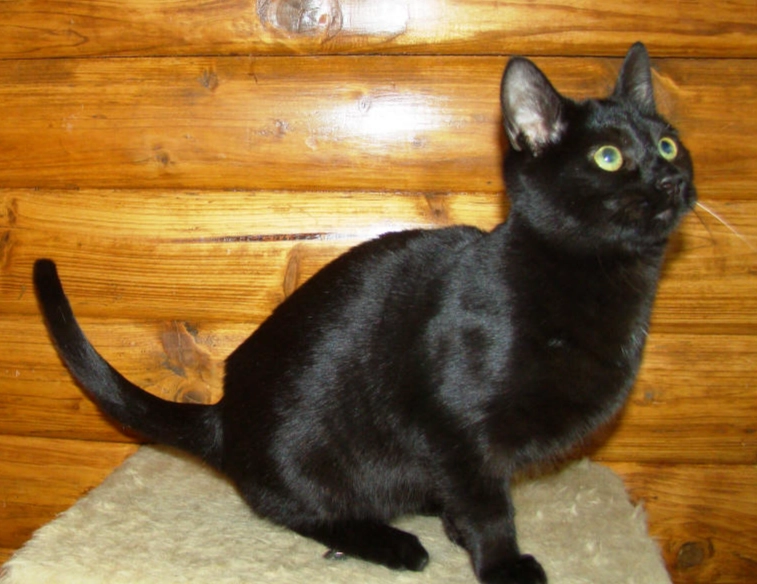
Think of the Turkish Angora as the ballet dancer of the cat world—elegant, fine-boned, and surprisingly muscular under all that fluff. A Black Angora cat takes this elegance and adds a layer of pure, dramatic sophistication. The black isn't just a color; it's a depth. In the right light, you might see faint ghost tabby markings (called "ghosting") when they're kittens, but a good quality adult solid black should be a consistent, rich ebony from root to tip.
Their most famous feature is that tail. It's a magnificent, feathery plume that they often carry proudly arched over their back, like a banner. But here's a personal opinion: while they're stunning, their look isn't for everyone. They can appear almost too delicate for some tastes, especially compared to the cobbier Persian. I've heard some folks call them "skinny" under all the fur, which isn't entirely fair, but it's a different aesthetic.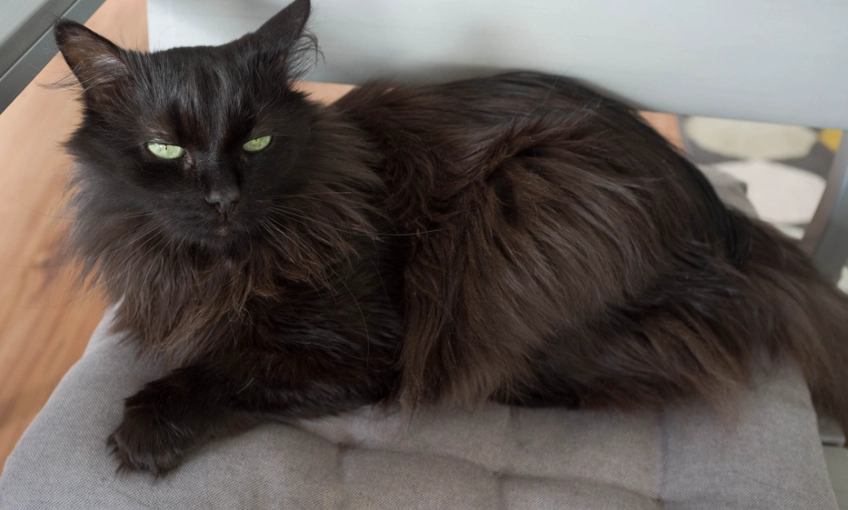
Fun (and Ironic) Fact: The most famous Turkish Angoras are often the pure white, blue-eyed ones. But the gene for that stunning white coat and blue eyes is also linked to a higher chance of congenital deafness. A Black Angora cat, with its pigmented coat, completely sidesteps this issue. Sometimes, the classic beauty comes with hidden trade-offs.
Personality: More Than Just a Pretty Face
If you want a living room ornament, look elsewhere. A Black Angora cat is typically a bundle of intelligent, active energy wrapped in a silky package. They're known for being people-oriented, often choosing one favorite human to shadow around the house. Don't be surprised if yours tries to "help" you type on your laptop or insists on supervising your shower.
They're vocal, but not in a yowly Siamese way. It's more of a conversational chirp and trill. You'll have chats. They're also famously playful well into adulthood and are often cited as one of the more trainable breeds—think fetching toys or learning simple tricks. But this intelligence has a downside: boredom. A bored Angora is a mischievous Angora. They might figure out how to open cabinet doors or decide your favorite pen is the best toy ever.
Smart, loving, but demanding of your attention. That's the core of it.
The High-Maintenance Reality of That Gorgeous Coat
Okay, let's tackle the big one. Everyone asks, "Is the grooming a nightmare?" For a Black Angora cat, it's less about daily torture sessions and more about consistent, smart care. Their coat is single-layered (no dense undercoat like a Persian or Maine Coon), which is a huge plus. It's less prone to matting, but it's fine and silky, which means it tangles if you ignore it.
Here’s the real routine, not the sugar-coated version:
- Brushing: 2-3 times a week is the sweet spot. Use a high-quality stainless steel comb and a slicker brush. The goal is to remove loose hairs and prevent any knots from forming, especially in the armpits and behind the ears.
- Shedding: They shed. Oh, they shed. Seasonally, it can be impressive. That fine black hair will find its way onto every dark suit and light couch. A weekly brushing session becomes non-negotiable during these times.
- Bathing? Some owners do bathe their Angoras every few months to keep the coat in top condition and reduce oil buildup. It's not strictly necessary for health, but it does make that black coat look incredibly lustrous. It's a commitment.
I once catsat for a friend's black Angora for two weeks. I was diligent about brushing, but I still found little tufts of silky black hair in the weirdest places. It's a presence. On the flip side, because there's no undercoat, when you do brush them, the hair comes out in soft clouds rather than stubborn mats, which is actually kind of satisfying.
Health and Lifespan: What to Watch For
Generally, Turkish Angoras are considered a healthy, robust breed with a good lifespan of 12-18 years. Their gene pool, being natural, is wider than many man-made breeds. However, no breed is without its potential issues. For a Black Angora cat, color-specific problems are rare, but breed-aware ones are good to know.
| Condition | Description | Prevalence in Angoras |
|---|---|---|
| Hypertrophic Cardiomyopathy (HCM) | A form of heart disease where the heart muscle thickens. It's the most common heart condition in cats across all breeds. | Low to moderate. Responsible breeders screen their breeding cats via echocardiograms. Always ask for proof of HCM testing from the breeder's lines. |
| Hereditary Ataxia | A rare, inherited neurological disorder specific to the breed that affects coordination, appearing in kittens. | Very rare. Reputable breeders have largely eliminated this through genetic testing and careful breeding. |
| Dental Issues | Like many purebreds, they can be prone to gingivitis and periodontal disease. | Moderate. A key part of care is establishing a dental hygiene routine early (brushing teeth, dental treats). |
The best defense? A reputable breeder. Someone who health tests their cats, provides documentation, and is open about their lines' history. The International Cat Association (TICA) and the CFA have breeder referral lists that are a good starting point. Avoid anyone who has multiple litters available at all times or won't let you see where the cats live.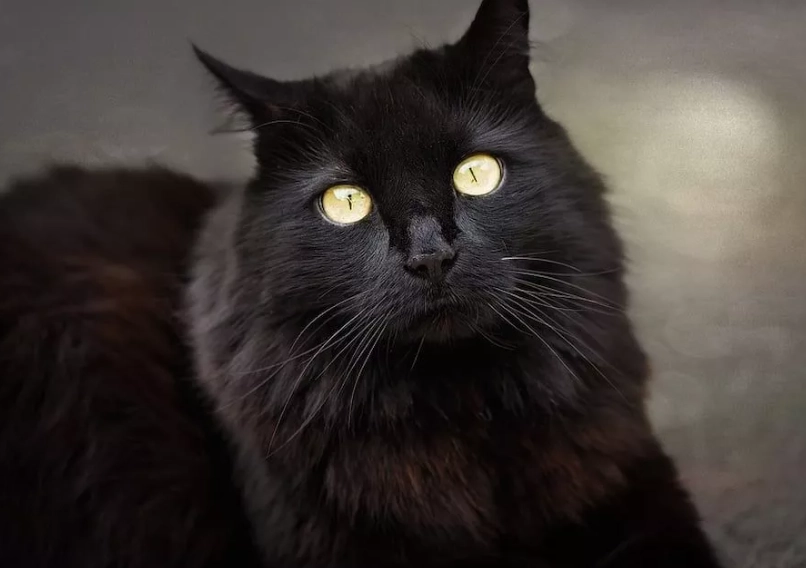
A Word on "Rare" Colors: Be extremely wary of breeders who advertise "rare" Black Angora cats at exorbitant prices. While black might be less common than white in show circles, it is a standard, accepted color. A premium price should only reflect the breeder's reputation, health testing, and care, not just the coat color as a marketing gimmick.
Bringing a Black Angora Cat Home: The Essentials
So you've decided you're up for it. Your home needs to be ready for an agile, curious athlete. Think vertical space—tall, sturdy cat trees are a must. They love to be up high. Interactive puzzle toys will save your sanity. And because they are so social, seriously consider getting two if you're out of the house for long hours. Another feline friend (perhaps even another Angora) can prevent a lot of loneliness-induced mischief.
Diet matters for that coat. A high-quality diet rich in animal proteins will help keep their fur shiny and skin healthy. You might notice the black coat can get a slight rusty tinge if they sit in the sun a lot (it's just sun bleaching) or if their diet is deficient. It's usually nothing to worry about.
Black Cat Myths and the Angora
It's impossible to talk about a Black Angora cat without touching on the silly superstitions. Black cats, sadly, still face lower adoption rates in shelters due to old myths. But in the Angora's case, their striking elegance often overrides that nonsense. In many cultures, they're considered good luck. More practically, that black fur does show every single speck of dandruff or dust if their coat isn't in top condition. It's a high-visibility jacket for their health.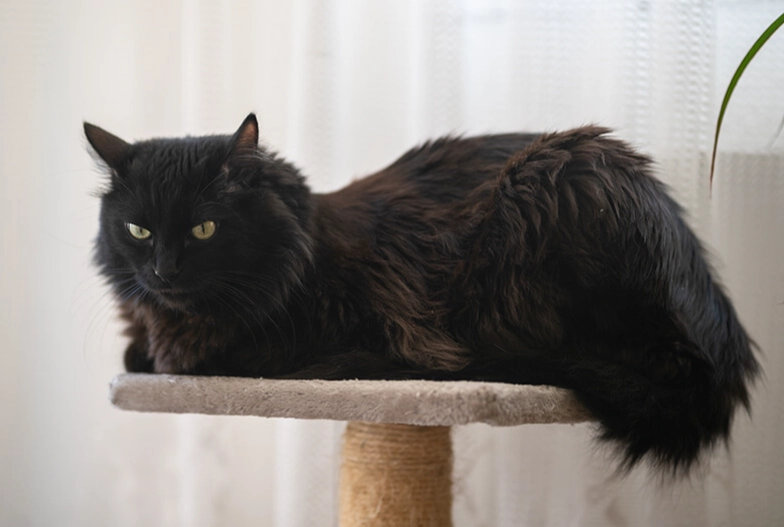
A clean, well-cared-for black Angora is arguably the most stunning cat you'll ever see. A neglected one looks rough quickly. The coat tells all.
Frequently Asked Questions (The Real Ones People Ask)
Are Black Angora cats hypoallergenic?
No cat is truly hypoallergenic. Allergens come from saliva, skin dander, and urine. While a Black Angora cat may produce less dander than some breeds due to its single coat, it still produces the Fel d 1 protein. Spending time with one before committing is the only way to know how you'll react.
How much does a Black Angora kitten cost?
From a reputable, ethical breeder who does full health testing, expect a range of $800 to $2,500. Pet-quality (with minor cosmetic "flaws" like a white locket spot) will be on the lower end, while show-potential kittens from champion lines will be higher. The price should include vaccinations, vet checks, spay/neuter, and registration.
Do they get along with dogs and children?
Generally, yes, due to their social and adaptable nature. However, their temperament is often more delicate and reserved than, say, a bombproof Ragdoll. They prefer gentle, respectful interaction. A calm dog or older children who understand how to handle a cat gently are ideal. They might hide from loud toddlers.
Is their grooming harder than a Persian's?
In my experience, and most groomers will agree, no, it's easier. The lack of a thick undercoat is a game-changer. Persians require daily combing to prevent painful mats. A Black Angora cat needs regular but less frequent grooming to prevent tangles. It's a different type of maintenance, but for most people, it's less intensive.
Why choose a Black Angora over another longhaired black cat?
It's about personality and coat type. If you want an active, chatty, involved companion with a relatively manageable single coat, the Angora is a fantastic choice. If you prefer a more laid-back, cuddly lap cat, a black Maine Coon or Ragdoll might be better. If you love the extreme look and don't mind daily grooming, a black Persian is the route. It's about matching energy levels and care commitment.
Final Thoughts: Is This Your Cat?
Living with a Black Angora cat is a commitment to beauty, activity, and conversation. They're not background pets. They're participants. The grooming, while not horrific, is a real and non-negotiable part of your weekly schedule. The intelligence that makes them charming also means they need mental stimulation.
But for the right person—someone who appreciates feline grace paired with a lively mind, who doesn't mind a bit of cat hair and enjoys a chatty companion—a Black Angora cat is utterly irreplaceable. That moment when they leap through the air, their black plume of a tail flowing behind them, or when they curl up next to you, a soft, dark cloud of purring silk, makes all the care worth it.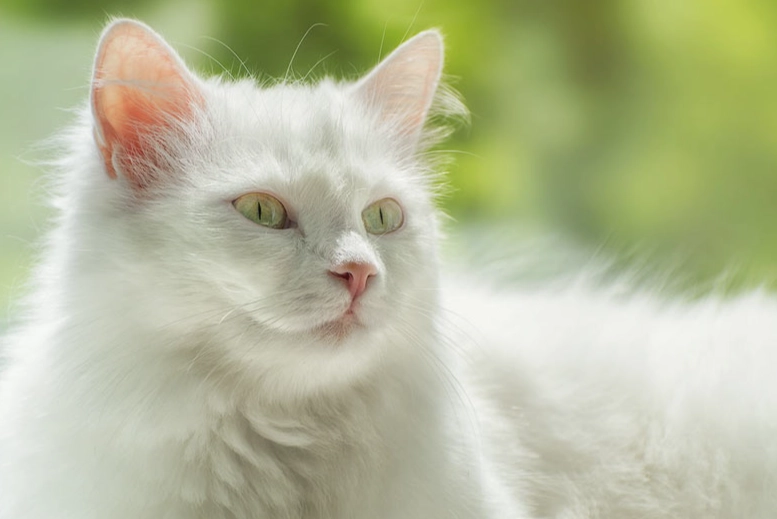
Do your homework. Reach out to breeders from the TICA breed list or the CFA breeder referral. Consider checking rescue networks like Petfinder—purebred cats, including Angoras, sometimes need new homes. And be brutally honest with yourself about the lifestyle you can provide.
At the end of the day, the color is just the wrapping paper. It's the vibrant, mischievous, loving creature inside that truly defines the Black Angora cat experience. Make sure you're ready for the whole package.