Let's cut to the chase. You've seen pictures of those elegant, snow-white cats with striking green or blue eyes—often called Russian Whites or white Russian Blues—and you're smitten. But before you get lost in daydreams, the practical side of your brain kicks in: how much is this going to cost?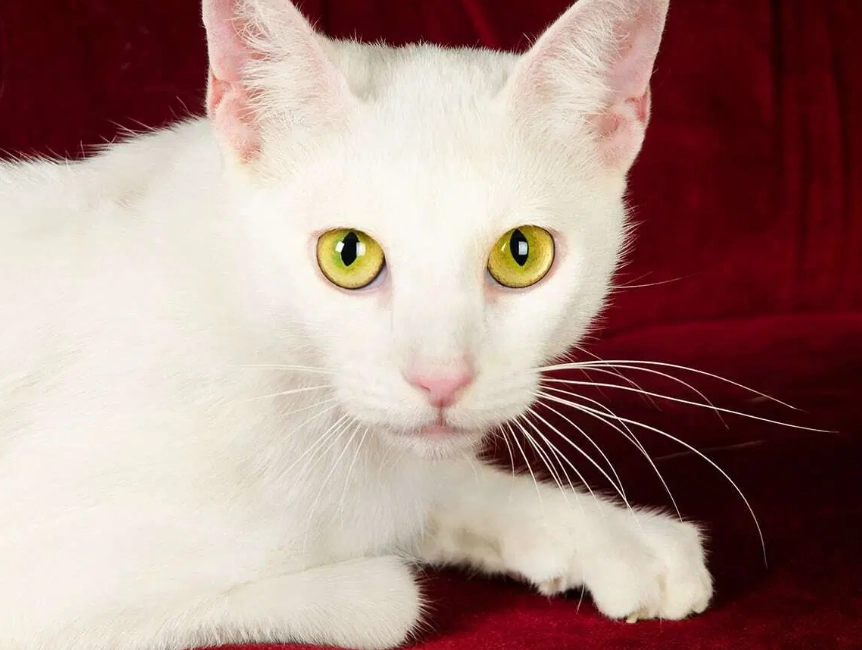
The short answer isn't a single number. A white Russian cat can cost you anywhere from $800 to well over $3,000 just to bring home. But that's just the ticket price. The real cost of ownership is a 15-20 year financial commitment that many first-time owners underestimate.
I've been around cat breeds and breeders for over a decade, and I've seen the heartbreak (and wallet-ache) that comes from not doing the math upfront. This guide won't just throw numbers at you. We'll dissect where the money goes, expose common pricing traps, and give you a realistic budget template so you can decide if this is the right move for you.
What You'll Learn in This Guide
$1,200 – $2,500
That's the typical sweet spot for a healthy, pet-quality white Russian kitten from a responsible breeder. Prices below $800 should raise immediate red flags about the cat's health and the breeder's ethics.
The Real Price Range: From Pet to Show Quality
First, a quick clarification. "White Russian cat" usually refers to one of two things: a Russian White, which is a recognized separate breed in some registries like the Cat Fanciers' Association (CFA), or a white variant of the Russian Blue. The pricing and availability are similar, but it's good to know what you're actually looking at. A reputable breeder will be clear about their cats' lineage and registration.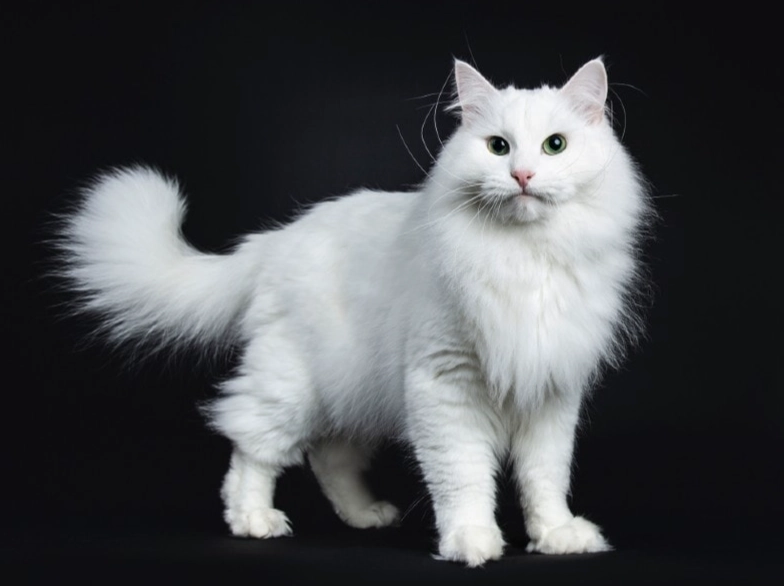
Here’s how the market typically breaks down:
| Cat Type / Source | Price Range | What You're Getting (And Risking) |
|---|---|---|
| Backyard Breeder / Online Classifieds | $300 – $800 | High risk. Likely no health guarantees, minimal vet care, unknown genetic history. You might save money upfront but face massive vet bills later for issues like hypertrophic cardiomyopathy (HCM), which Russian breeds can be prone to. |
| Pet-Quality Kitten (Reputable Breeder) | $1,200 – $1,800 | The standard. This kitten is healthy, vaccinated, dewormed, often spayed/neutered, and comes from health-tested parents. It has a minor "flaw" (like a slightly incorrect coat texture or eye color) making it unsuitable for showing but a perfect companion. |
| Show/Breeding-Quality Kitten | $2,000 – $3,500+ | Exceptional lineage, perfect conformation to breed standards, and breeding rights. Sold only to experienced individuals or other breeders. You're paying for genetics and potential. |
| Adult Cat from Breeder (Retired) | $600 – $1,500 | A fantastic, often overlooked option. A mature cat, already spayed/neutered, with a known personality. Usually much lower cost, but just as much love to give. |
| Shelter/Rescue Adoption | $50 – $200 | You'll be saving a life, but you are extremely unlikely to find a pedigreed Russian White. You may find a lovely domestic white shorthair. The fee covers initial vet work. |
See that gap between $800 and $1,200? That's often the difference between an ethical operation and one that cuts corners. A friend learned this the hard way, buying a "discount" kitten that ended up needing $2,000 in vet care for a congenital issue within the first year. The initial savings vanished instantly.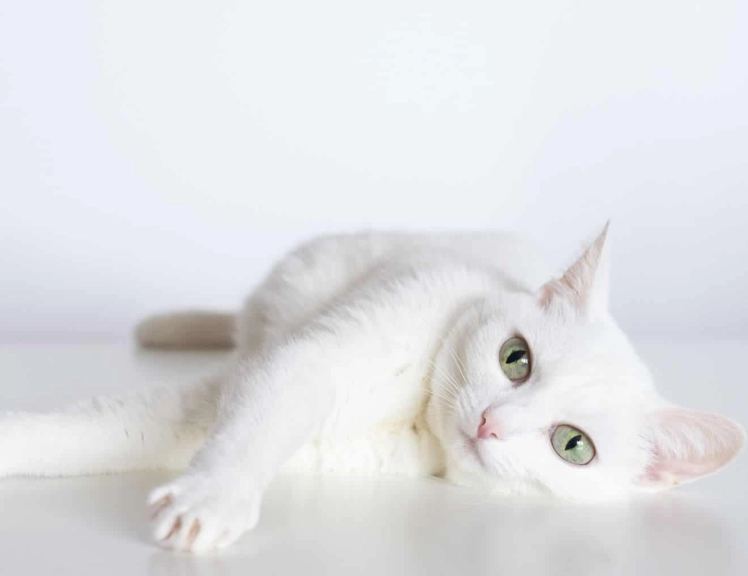
5 Key Factors That Make the Price Swing Wildly
Why does one kitten cost $1,500 and another $2,800? It's not random. These elements directly impact the price tag.
1. Lineage and Pedigree
Champion bloodlines command higher prices. If the kitten's parents or grandparents have titles from major cat shows like those sanctioned by The International Cat Association (TICA), the breeder has invested significant time and money into that lineage, and it shows in the price.
2. Breeder Reputation and Location
A breeder with a 20-year reputation for healthy, well-socialized cats can charge more—and they should. Their experience is part of the product. Location matters too. Breeders in major metropolitan areas or regions with high costs of living often have higher prices than those in rural areas.
3. Color and Eye Color Purity
A pure, even, snow-white coat with no yellowing is preferred. Most importantly, eye color is a huge factor. Russian Whites are known for their vivid green eyes. Some may have blue or odd-eyed (one blue, one green) traits, which, while beautiful, might place them in the "pet quality" category and affect price depending on the breed standard they are being judged against.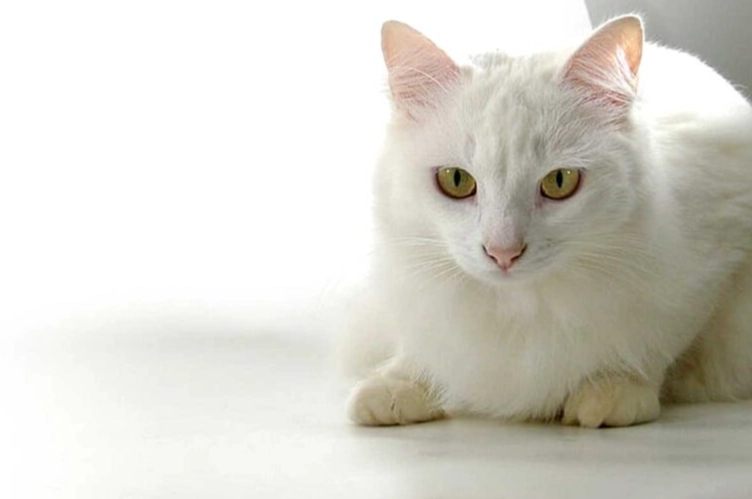
4. Included Services
Does the price include initial vaccinations, deworming, microchipping, and spay/neuter surgery? Top-tier breeders often include all this, which can represent $300-$500 of value. A lower quote might mean these are extra costs you'll pay your own vet later.
5. Demand and Availability
Russian Whites are less common than Russian Blues. A breeder might only have one litter a year. High demand and low supply naturally drive prices up. Waiting lists are common.
The Real Cost of Owning a White Russian Cat
The purchase price is just the first line item. Let's build a full budget. I'm using average costs, but your location will adjust these.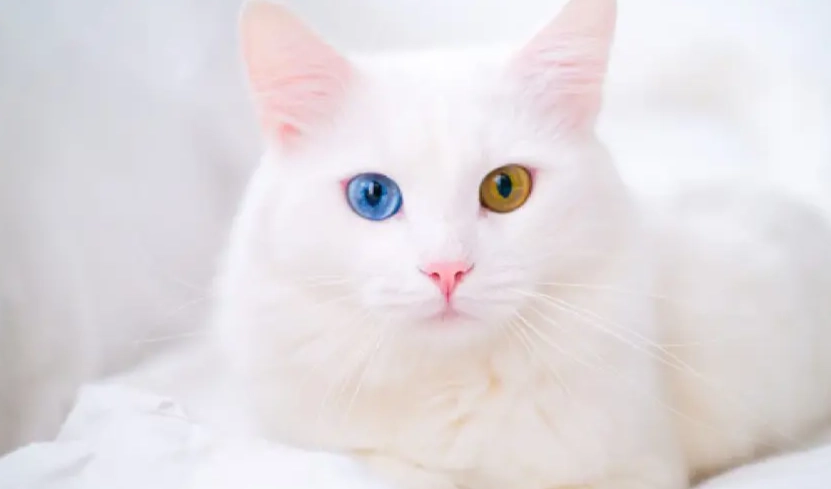
One-Time Initial Costs (Year 1)
These are your startup costs, in addition to the kitten's price.
- Essential Supplies: Carrier ($50-$100), litter box & scoop ($40-$80), scratching posts ($50-$150), food/water bowls ($20-$50), bed ($30-$80), brush ($15-$30), nail clippers ($10). A basic starter kit is around $200-$300.
- Initial Vet Visit & Setup: Even if the breeder provided first shots, you'll need a wellness check, possibly final vaccinations, and a fecal test. Budget $100-$250.
- Microchipping: If not included by breeder: $50-$100.
- Spay/Neuter: If not included: $200-$500.
Total Initial Setup (excluding kitten price): $350 – $950. It adds up fast.
Recurring Annual Costs
This is where people get shocked. For a healthy adult cat, plan for this each year:
- High-Quality Food: Russian cats do best on a consistent, high-protein diet. Wet/dry combo: $300 – $600/year.
- Litter: A good clumping litter: $150 – $300/year.
- Routine Veterinary Care: Annual checkup, vaccines, parasite prevention: $200 – $400/year.
- Pet Insurance: Highly recommended. For a good plan with a reasonable deductible: $300 – $600/year. This is your financial lifesaver if the cat gets sick or injured.
- Miscellaneous: Toys, treats, replacement scratching posts: $100 – $200/year.
Total Estimated Annual Cost: $1,050 – $2,100. Yes, owning a cat can easily cost over $100 a month.
That means over a 15-year lifespan, the ongoing care alone could total $15,750 to $31,500. The initial kitten price becomes a relatively small part of the picture.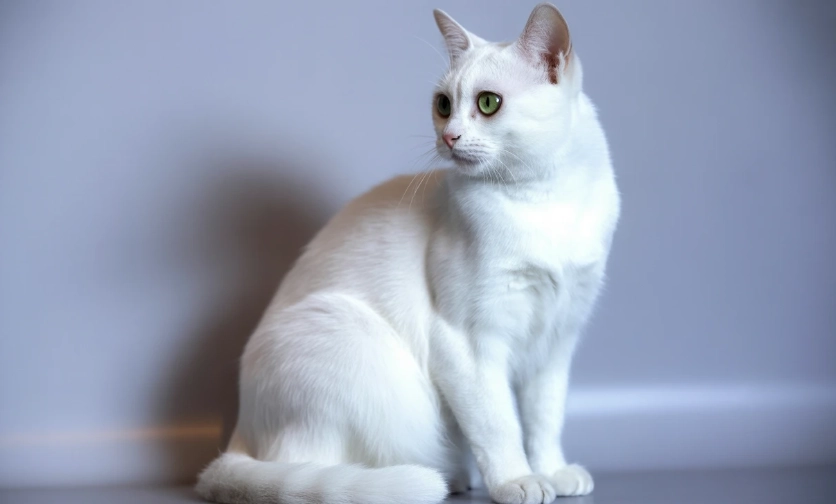
How to Find a Reputable Breeder (Without Getting Scammed)
Finding the right source is 90% of the battle. Avoid anyone who:
- Has multiple litters available immediately.
- Won't let you visit their home or see where the cats live.
- Only communicates via text/email and refuses a phone or video call.
- Offers to ship the kitten without a detailed conversation first.
Do this instead:
- Start with Breed Clubs: Look for the Russian Blue Breed Council or similar organizations affiliated with CFA or TICA. They maintain breeder referral lists.
- Prepare for an Interview: Good breeders will interview YOU extensively. They'll ask about your home, lifestyle, and cat experience. This is a good sign.
- Ask for Proof: Request copies of health testing for the parent cats (HCM scans by a cardiologist, PRA genetic tests).
- Get a Contract: A responsible breeder provides a detailed contract guaranteeing the cat's health, requiring spay/neuter for pet-quality cats, and stating they will take the cat back at any point in its life if you can't keep it.
Your White Russian Cat Cost Questions, Answered
So, what's the final tally? Bringing a white Russian cat into your life is a significant decision that blends emotional desire with financial planning. The initial price tag of $1,200-$2,500 is just the beginning. The true cost is the lifelong commitment of $1,000+ per year for care, love, and unexpected vet visits.
If those numbers align with your budget and your heart is set on this particular breed, the next step is patience. Finding the right ethical breeder takes time. Visit cat shows, join online forums, and ask all the hard questions. The reward—a healthy, graceful companion for the next decade or two—is worth every penny of thoughtful investment.
If the numbers give you pause, that's okay. It's better to know now. Consider fostering a cat from a local rescue to understand the time and cost commitment with less financial pressure. The right cat, whether a majestic Russian White or a charming shelter mix, will find you when the time and resources are right.