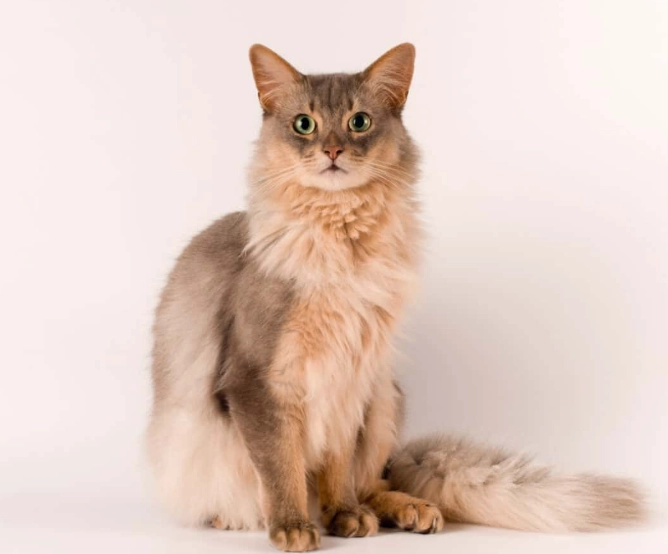
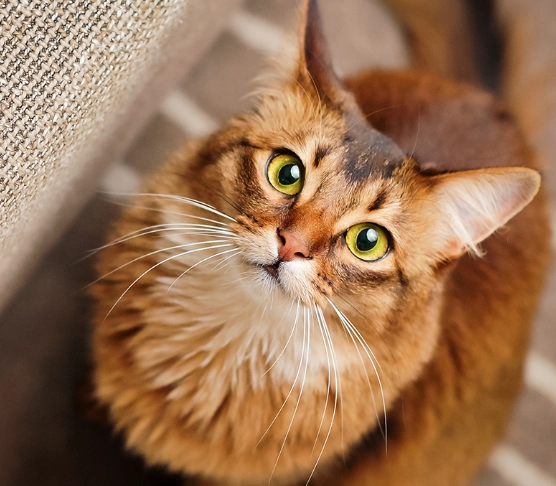
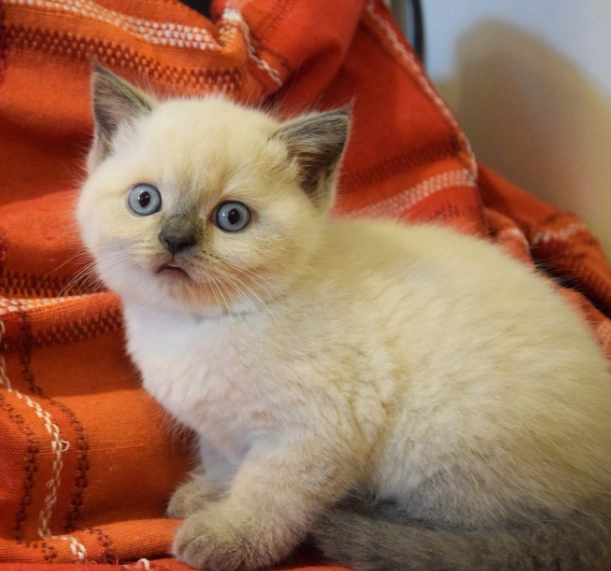
You see a photo of a Turkish Angora. Fluffy, elegant, often with mesmerizing heterochromatic eyes (one blue, one amber). It looks like a creature from a fairy tale. And then you think: "I want one." The immediate follow-up question that pops into your head, and the one that brings you here, is: Are Angora cats rare? The short answer is yes, but the real story is far more interesting than a simple yes or no. Their rarity isn't just about numbers; it's a tale of history, genetics, and modern breeding ethics. Let's unpack what "rare" really means for this ancient and captivating breed.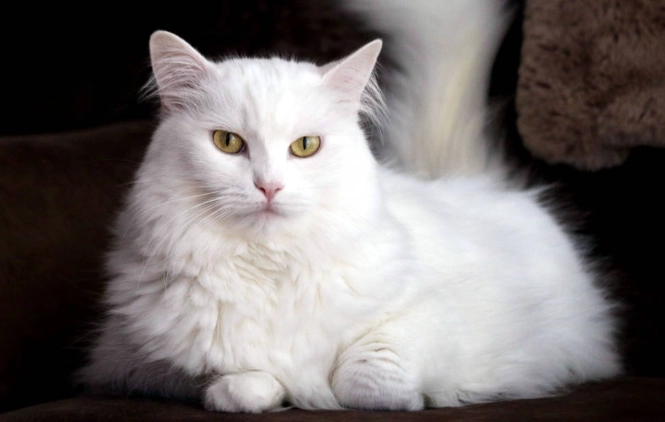
What's in this guide?
What Makes a Cat Breed 'Rare'?
Before we talk numbers, let's define our terms. In the cat fancy world, "rare" can mean a few different things. It's not always about being on the brink of disappearance.
Sometimes, a breed is numerically rare. Fewer kittens are registered each year with major cat registries like The Cat Fanciers' Association (CFA) or The International Cat Association (TICA) compared to household names like Persians or Maine Coons. Other times, a breed is geographically rare. You might find them easily in their country of origin but struggle to locate a breeder elsewhere. Finally, there's perceived rarity—the breed is so distinctive and less commonly seen in pop culture or local shelters that it *feels* exceptionally rare.
The Turkish Angora, I'd argue, ticks all three boxes to varying degrees, and that's what creates the mystique—and the challenge—of finding one.
The Turkish Angora's Journey: From Near Extinction to Controlled Preservation
To understand their current status, you have to rewind a few centuries. The Turkish Angora is one of the oldest natural cat breeds, originating in the Ankara region of Turkey (historically Angora). For a long time, they were prized possessions, even considered national treasures in their homeland.
The trouble began in the late 19th and early 20th centuries. Persian cats, with their even more exaggerated features, became the trendy long-haired cat in Europe and America. Breeders started outcrossing Angoras with Persians, essentially diluting the pure Angora bloodlines. The original, sleek, silky-coated Angora was nearly bred out of existence. By the mid-20th century, finding a pure Turkish Angora outside of Turkey was incredibly difficult.
The Zoo That Saved the Breed: This is a critical piece of the puzzle. In the early 20th century, the Ankara Zoo in Turkey initiated a formal breeding program to protect and preserve the pure white Turkish Angora. They became a genetic reservoir. Many modern, ethically-bred Turkish Angoras in the West can trace their lineage back to cats imported from this very zoo program in the 1960s. This controlled origin story is a huge reason for their ongoing rarity—the gene pool is carefully managed.
Key Factors That Make Angora Cats Scarce
So, why aren't there Angora kittens in every pet store? Let's break down the concrete reasons.
1. Strict Breed Standards and Preservation Mentality
Reputable breeders of Turkish Angoras aren't in it for mass production. They are preservationists. Registries like the CFA have strict rules. For a cat to be registered as a purebred Turkish Angora, all its ancestors must trace back to cats imported from Turkey. No outcrossing with other breeds is allowed. This protects the breed's integrity but naturally limits the speed and scale of population growth. A breeder might have only one or two litters a year, prioritizing health and temperament over quantity.
2. The "White Cat" Misconception and Genetic Realities
Here's a nuance many articles miss. The iconic all-white, blue-eyed Angora is just one variant. The breed actually comes in many colors and patterns—black, blue, tabby, tortoiseshell. However, the gene responsible for the pure white coat and blue eyes is also linked to a higher chance of congenital deafness. Ethical breeders must test for this and breed carefully, which complicates their programs. The public's fixation on the white version creates a perception of scarcity for that specific look, even if other colors are slightly more available (but still rare).
3. You Will Not Find Them in Shelters (Almost Ever)
This is a major practical point. With common domestic shorthairs, shelters are a viable option. With a rare, purebred, high-value cat like a Turkish Angora, it's a different story. It is exceedingly uncommon for a purebred, healthy Angora to end up in a general animal shelter. If one does, it's usually a senior cat or has significant health issues, and it will be adopted within hours. Relying on a shelter to find your Angora is, frankly, not a realistic plan. This pushes all legitimate demand toward a small network of breeders, heightening the sense of scarcity.
4. Geographic Concentration
While you can find dedicated breeders in North America and Europe, they are few and far between. You might have to drive or fly several states over. In contrast, in Turkey, they are more common. This geographic imbalance makes them feel exceptionally rare if you're searching from, say, Ohio or Melbourne.
How to (Ethically) Find an Angora Cat
Let's get practical. If you've decided the rarity is worth navigating, here's your roadmap. Forget quick online marketplaces.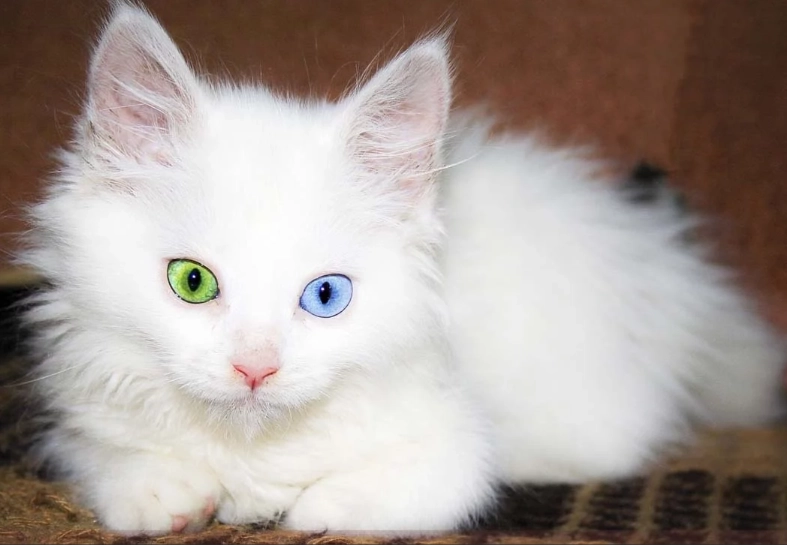
Start with the Registries. Go directly to the breeder directories on the websites of the Cat Fanciers' Association (CFA), The International Cat Association (TICA), or the Governing Council of the Cat Fancy (GCCF). These lists filter out backyard breeders.
Prepare for Scrutiny. A good breeder will interview you as much as you interview them. They'll ask about your home, other pets, your understanding of the breed's needs (that single-coat silk fur mats if neglected!). Be ready for this. It's a sign they care.
Get on a Waitlist. This is the norm, not the exception. Waiting a year or more for a kitten is typical. Use this time to research, buy supplies, and maybe connect with other owners online.
Budget Realistically. The Turkish Angora cat price reflects their rarity and the breeder's investment. From a reputable breeder, expect a range of $1,200 to $2,500+ USD. A price significantly lower than this is a massive red flag. This cost should include health screenings, vaccinations, and often spay/neuter.
I made the mistake years ago with a different breed of being impatient and going with a breeder who had "immediate availability." It ended in heartbreak and vet bills. The wait with the right breeder is frustrating but protective.
Looking Beyond Rarity: Is an Angora Right for You?
The rarity question often overshadows the more important one: is this the right cat for your life? Their personality is as distinctive as their fur.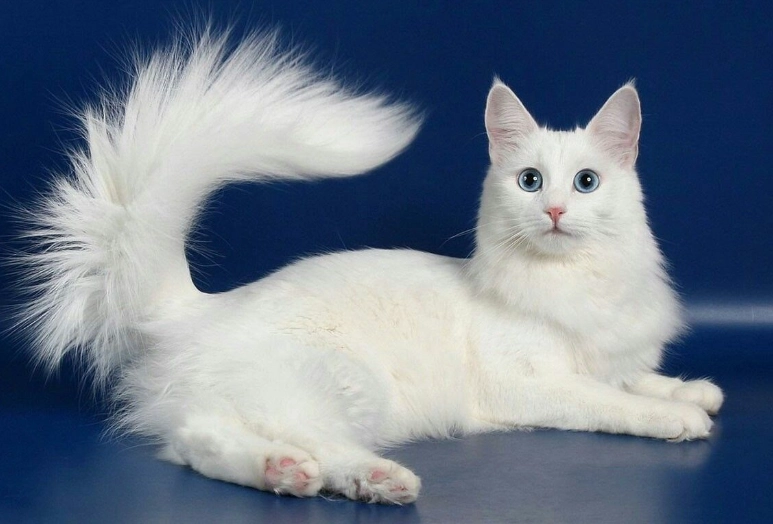
They are famously intelligent, agile, and often described as "dog-like" in their loyalty. They tend to bond deeply with one person. They are talkative, not in a yowly way, but with soft chirps and trills. They need interaction and mental stimulation. Leaving a bored Angora alone all day is a recipe for mischief (and possibly shredded curtains).
Then there's the grooming. That gorgeous coat is deceiving. Unlike a Persian's dense undercoat, the Angora has a single, fine layer of silky hair. It doesn't mat as easily, but it sheds a lot and can form tight knots if not combed at least twice a week. It's a commitment.
Their rarity means finding a vet familiar with any breed-specific quirks might be harder. You become their primary health advocate.
Your Angora Rarity Questions Answered
 Are male or female Angoras rarer?