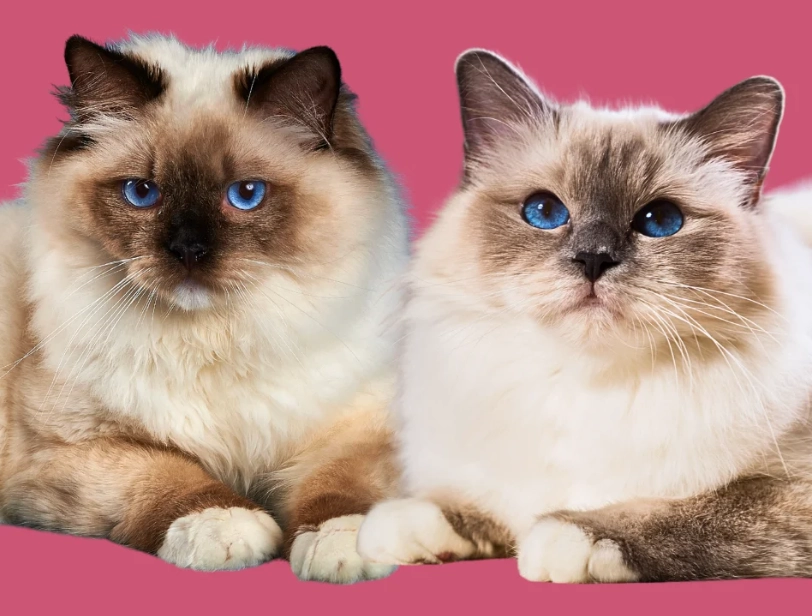
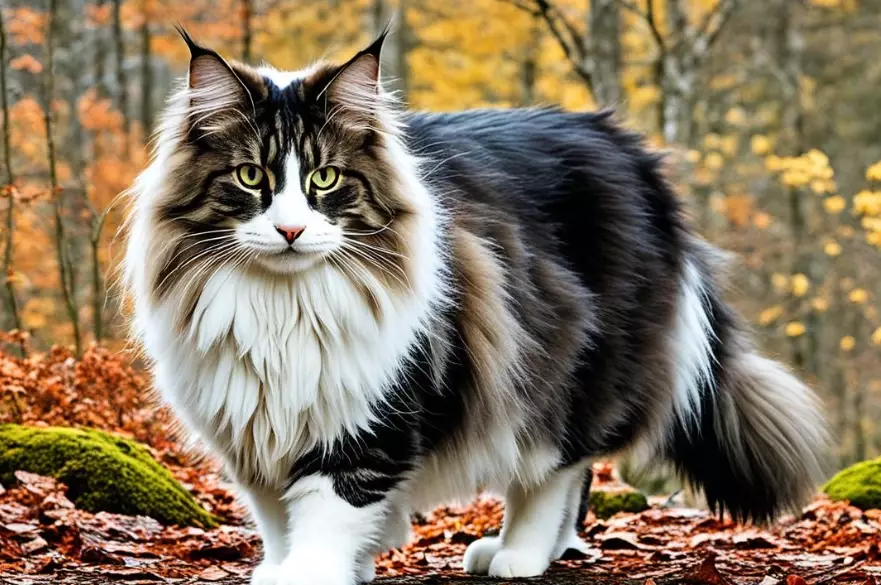
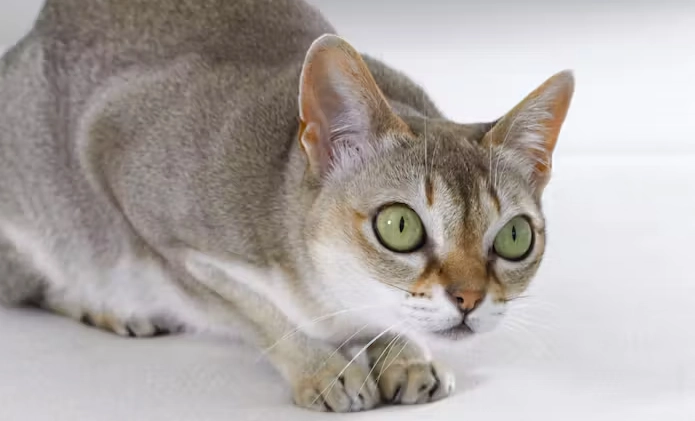
Let's be real. If you're searching for "the most hypoallergenic cat with fur," you're probably an allergy sufferer who desperately wants a feline friend. I get it. The idea of a completely non-allergenic cat is a myth—there's no such thing. The allergen, a protein called Fel d 1, is produced by all cats. But here's the crucial point: some breeds produce significantly less of it, and some have coats that trap the allergen, preventing it from becoming airborne. So, the answer isn't one single breed, but a shortlist of contenders where the Siberian and the Balinese often lead the pack for their notably lower Fel d 1 production. However, choosing the "best" depends just as much on your personal reaction and lifestyle as it does on the cat's genetics.
Quick Navigation
Understanding Cat Allergies: It's Not Just About the Fur
Most people blame cat hair. That's the first mistake. The real culprit is the Fel d 1 protein, found primarily in cat saliva and sebaceous (skin) glands. When a cat grooms itself, the saliva dries on its fur, and the microscopic flakes of skin (dander) carrying the protein become airborne. Long hair can actually act as a reservoir, holding more dander close to the body, while some shorter-haired cats might shed dander more freely. So, "hypoallergenic" usually means one of two things: the cat produces less Fel d 1, or its coat type sheds less dander into your environment.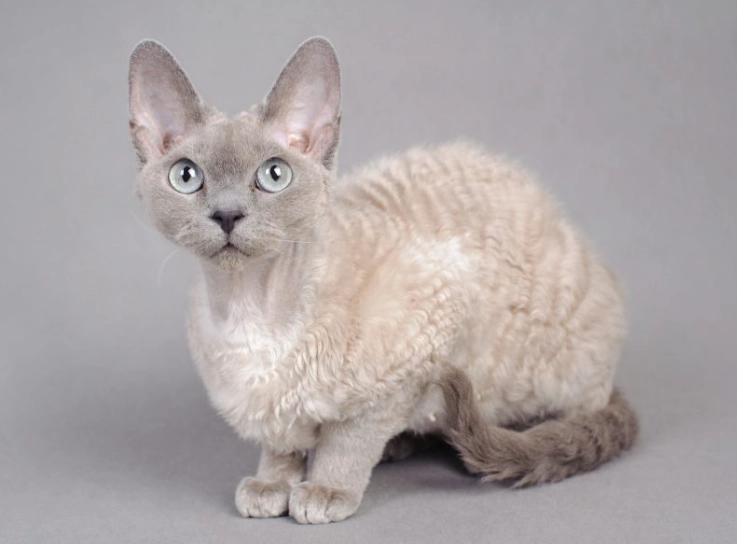
Top Hypoallergenic Cat Breeds With Fur
Based on anecdotal evidence from breeders and allergy organizations like the Asthma and Allergy Foundation of America, and my own experience talking to owners, these breeds consistently come up as the most manageable for allergy sufferers. Remember, "most hypoallergenic" is relative. Always spend time with a specific cat before bringing it home.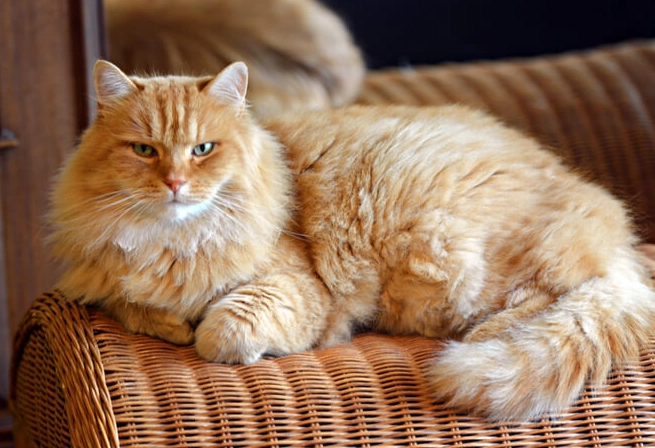
| Breed | Coat Type & Length | Why It's Considered Hypoallergenic | Key Personality Trait | Grooming Need |
|---|---|---|---|---|
| Siberian | Long, triple-layer | Reportedly produces lower levels of Fel d 1 protein. Studies, including one often cited from 1999, suggest some Siberians have significantly less. | Affectionate, dog-like, playful | High (weekly brushing) |
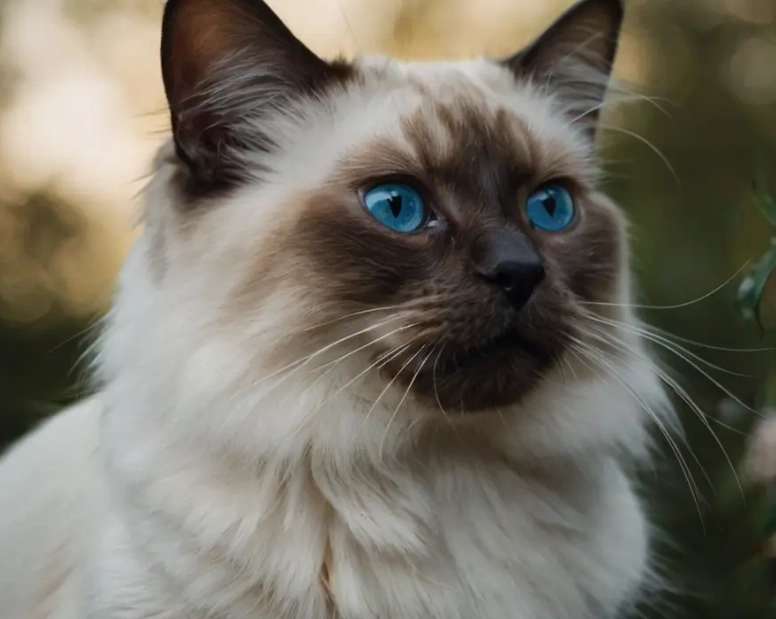
| Balinese | Long, silky single coat | A long-haired version of the Siamese. Produces less Fel d 1 than many breeds. Their fine coat sheds less dander. | Vocal, intelligent, social | Moderate (weekly brushing) |
| Russian Blue | Short, dense double coat | Produces less Fel d 1 and has a coat that traps dander close to the skin, requiring less frequent release. | Reserved, gentle, loyal to family | Low (weekly brushing) |
| Bengal | Short, pelt-like | Their unique coat sheds very little, minimizing dander dispersal. They are also fastidious groomers. | Energetic, curious, needs engagement | Very Low (occasional wipe-down) |
| Javanese | Long, silky | Like the Balinese, a long-haired Oriental breed with lower Fel d 1 production. | Talkative, acrobatic, people-oriented | Moderate (weekly brushing) |
Digging Deeper: The Siberian & Balinese Frontrunners
The Siberian is the heavyweight contender in the "low Fel d 1" category. I've met breeders who have clients with severe allergies live symptom-free with their Siberians. It's not a guarantee—individual cat variation is huge—but the trend is strong enough to take seriously. Their thick, long fur requires commitment. If not brushed regularly, mats form, and trapped dander can become a problem. They are not a low-maintenance pet, but for the right owner, they might be the closest thing to a "hypoallergenic longhair."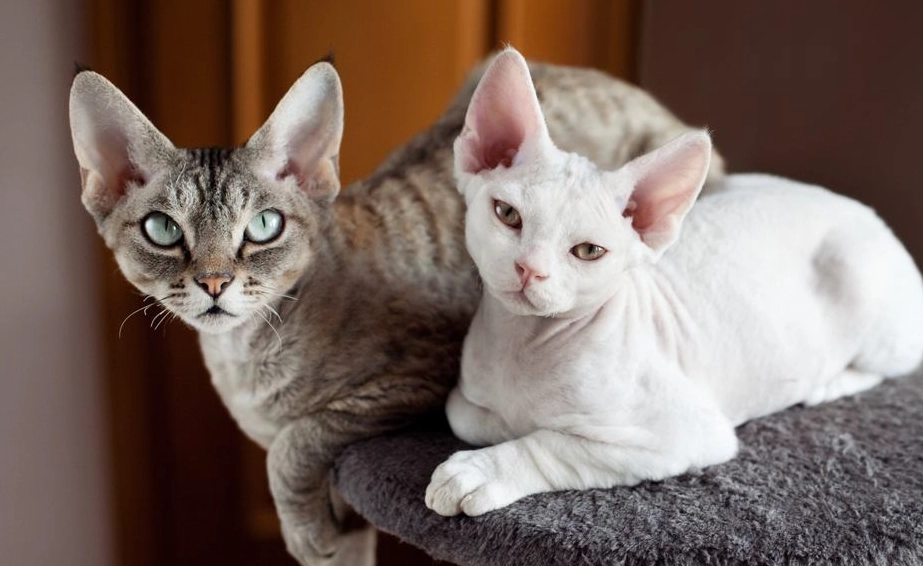
The Balinese offers a different approach. They stem from Siamese lines, which are often better tolerated. Their long hair is fine and lacks an undercoat, so it doesn't mat easily and tends to shed less dander-laden underfur. They are "wash-and-wear" longhairs compared to the Siberian. Their personality is intense; they'll tell you exactly what they think.
The Russian Blue deserves special mention for its effectiveness. That plush, dense coat is a brilliant dander trap. It's like wearing a thick wool sweater that holds onto dust. When you brush them (which they often love), you're physically removing the allergen reservoir. They are shy with strangers but profoundly sweet with their people.
How to Choose and Live With a Hypoallergenic Cat
Picking a breed is step one. Making it work is where most people fail. Here's a practical plan, the kind I'd give a friend.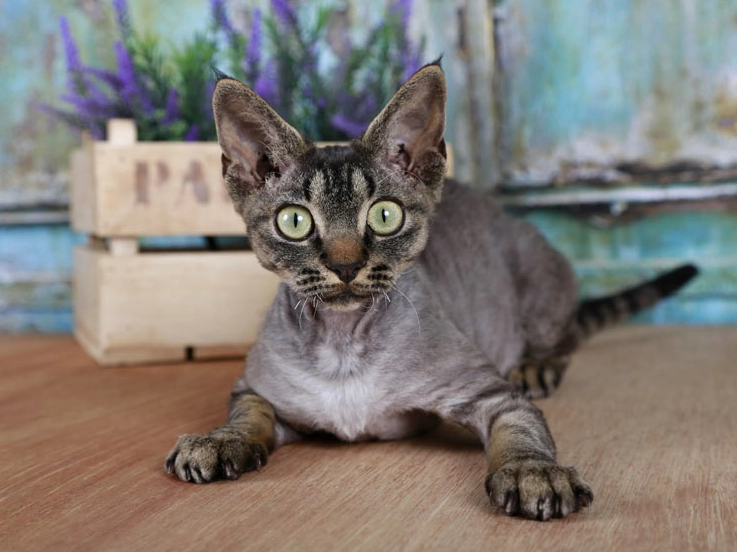
Before You Bring a Cat Home
Test, Don't Guess. Contact breeders (prioritize those registered with TICA or CFA) and ask for a visit. Spend at least 60-90 minutes in the home, petting the cats, putting your face near them. A reputable breeder understands this necessity. Do not rely on a 10-minute meet at a show or shelter. Allergens need time to accumulate in the air around you.
Consider Age. Kittens produce less Fel d 1. Your mild reaction to a kitten might not predict your reaction to the same cat as an adult. Ask to meet the parent cats if possible.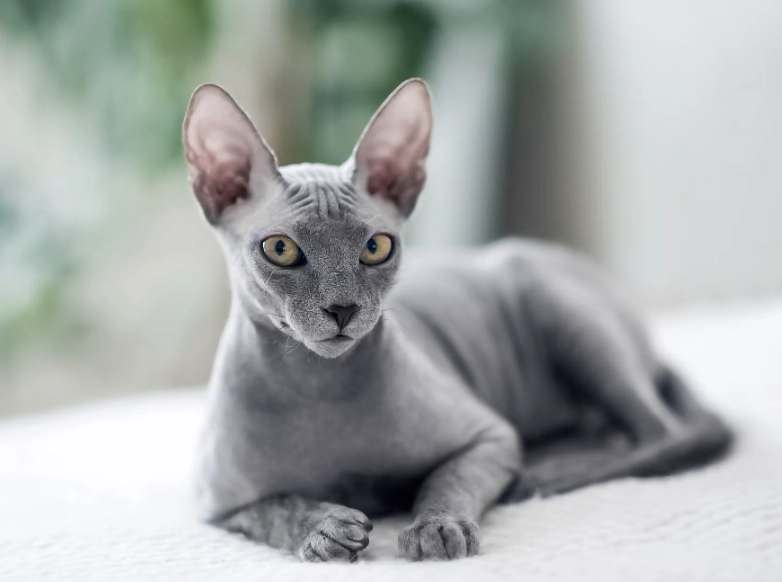
Creating a Low-Allergen Home
This is non-negotiable and often more impactful than the breed itself.
- Designate Cat-Free Zones: Your bedroom must be one. This gives your immune system 8 hours of respite each night.
- Invest in an Air Purifier: Get one with a true HEPA filter and run it continuously in the main living area. Don't cheap out here.
- Become a Cleaning Fanatic: Vacuum carpets and upholstery with a HEPA-filter vacuum 2-3 times a week. Use a damp microfiber cloth on hard surfaces. Wash cat beds and your own bedding in hot water weekly.
- Grooming is Your Secret Weapon: Brush your cat outside or in a well-ventilated area several times a week. This captures dander and hair before it spreads. Some owners even gently wipe their cat down with a damp cloth or pet-safe allergen-reducing wipes daily.
I think the wiping tactic is underrated. Bathing a cat is stressful for everyone and the effect is short-lived. A quick wipe-down is sustainable and removes surface allergens directly.