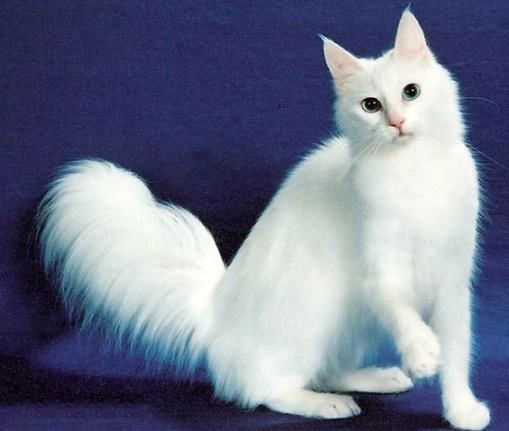
Yes, some Sphynx cats actually have hair. It's not a myth or a scam—I've been breeding and showing cats for over twelve years, and I've handled plenty of hairy Sphynx cats. Most people think all Sphynx are completely bald, but that's a common misconception. In reality, several breeds and variations can produce Sphynx-like cats with varying amounts of fur, from a fine peach fuzz to a short, plush coat. This guide will cut through the noise and give you the straight facts, from genetics to daily care, based on my hands-on experience.
What You'll Discover in This Guide
What Exactly is a Sphynx Cat with Hair?
Let's get this out of the way first: a "hairy Sphynx" isn't a single, standardized breed. It's an umbrella term for cats that share the Sphynx's distinctive wrinkled skin and large ears but have some degree of hair. The confusion often starts because many breeders and owners loosely use "Sphynx" to describe any hairless or nearly hairless cat, but genetics play a huge role here.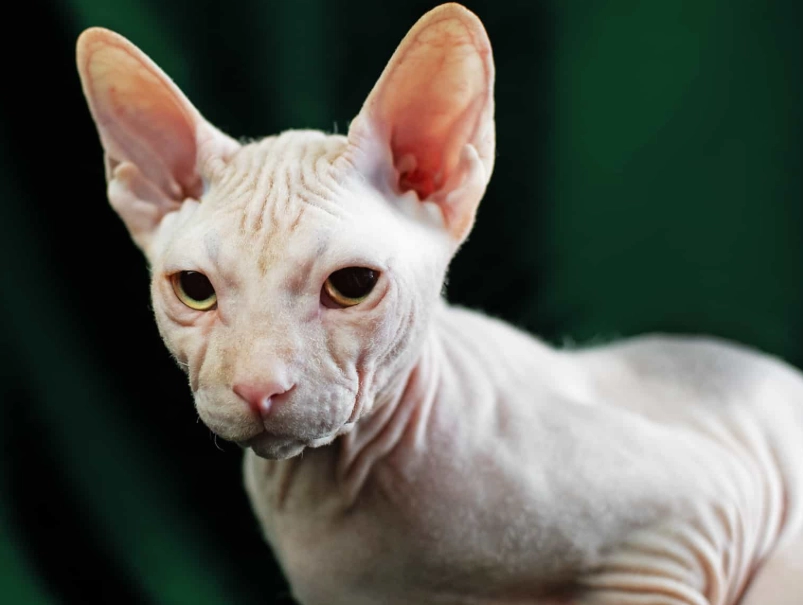
The Genetics Behind Hairy Sphynx Cats
The classic Sphynx breed we know—the one recognized by associations like The International Cat Association (TICA)—results from a recessive gene that causes hairlessness. But here's the kicker: that gene doesn't always produce a completely bald cat. Some Sphynx cats carry modifiers or have incomplete expression, leading to a fine, downy coat often called "peach fuzz." It feels like suede to the touch. I've seen kittens in the same litter range from smooth bald to lightly fuzzy, which trips up new owners who expect uniformity.
Then there are distinct breeds that get lumped into the "hairy Sphynx" category. The Don Sphynx (also called Donskoy) is a prime example. Originating in Russia, Don Sphynx cats can have various coat types due to a dominant gene—some are hairless, some have a wiry coat, and others sport a short, straight fur. Unlike the Canadian Sphynx, Don Sphynx cats may lose and regrow hair with seasons or age. Another variant is the Peterbald, which can have a velour or brush coat. If you're looking at a cat advertised as a hairy Sphynx, chances are it's one of these or a mix.
Common Breeds and Varieties
To clear things up, here's a quick breakdown of breeds often associated with hairy Sphynx traits:
- Canadian Sphynx: The classic. Most are hairless, but some have peach fuzz, especially on the nose, tail, and paws. This fuzz can be more noticeable in colder climates.
- Don Sphynx (Donskoy): Often has a sparse, wiry coat or short hair. I've handled Don Sphynx cats that felt like a coarse terrier cloth—quite different from the smooth Sphynx.
- Peterbald: Can range from bald to a short, plush coat called "brush." They're sleek and elegant, with a personality similar to Oriental breeds.
- Hybrids: Crosses between Sphynx and other breeds, like Devon Rex, sometimes produce cats with wavy or curly fur. These aren't purebred but pop up in rescue or accidental litters.
One thing I've noticed: many online forums and even some breeders mislabel these cats, leading to buyer confusion. Always ask for pedigree papers if you're after a specific breed.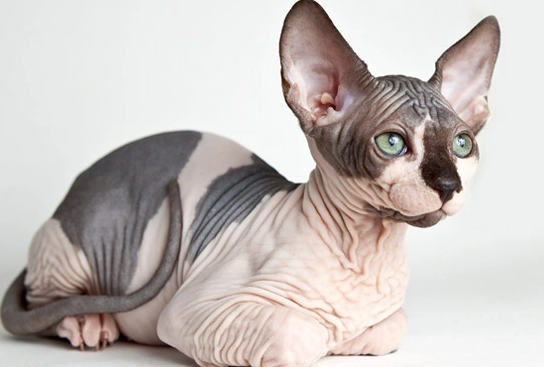
Pro tip from a breeder: Don't assume a hairy Sphynx is "low maintenance" compared to a bald one. That peach fuzz can trap oil and dirt just as easily, sometimes more so because it's finer. I've seen owners skip baths, thinking the fur helps, only to end up with skin infections.
How to Care for a Hairy Sphynx Cat: A Step-by-Step Guide
Caring for a hairy Sphynx isn't like caring for a typical furry cat or a bald Sphynx. It's a middle ground that requires specific attention. I've helped dozens of owners set up routines, and the biggest mistake is treating them like regular short-haired cats.
Grooming Needs and Bathing Frequency
Forget the myth that Sphynx cats don't need grooming. Hairy Sphynx cats produce skin oils (sebum) just like their bald cousins, but the hair can trap it, leading to greasy buildup and acne. Here's my recommended routine, based on trial and error:
- Bathing: Bathe every 2-3 weeks. Use a gentle, hypoallergenic cat shampoo—I prefer oatmeal-based ones. Water temperature should be lukewarm. Avoid over-bathing, as it can dry out their skin, but under-bathing causes more problems. I've seen cats develop blackheads on their chins from skipped baths.
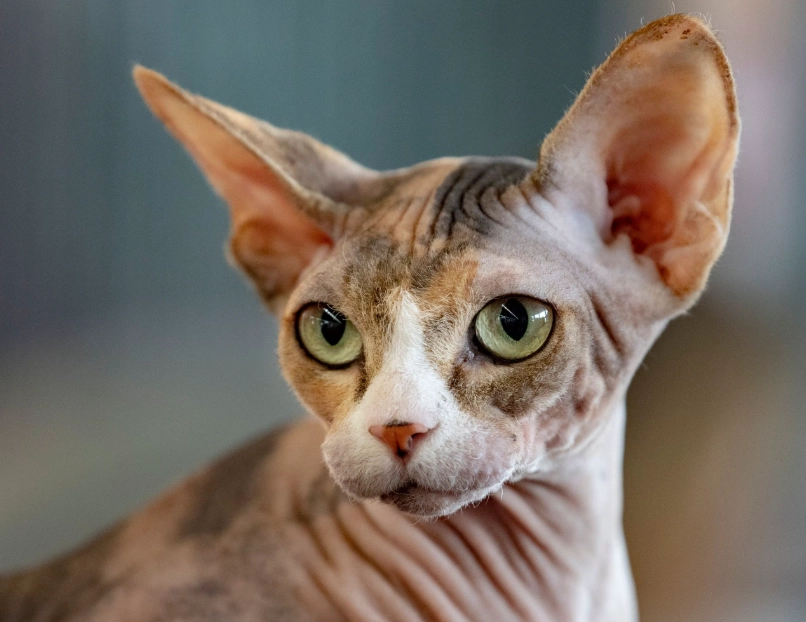
- Ear Cleaning: Weekly. Their large ears accumulate wax quickly. Use a vet-approved ear cleaner and cotton balls. Don't use Q-tips deep inside.
- Nail Trimming: Every 2 weeks. Their nails can get sharp and collect dirt.
- Skin Wipes: In between baths, use unscented baby wipes or pet wipes to clean folds and paws. This prevents oil buildup in those wrinkles.
For the hair itself, a soft bristle brush once a week helps distribute oils and remove loose hairs. But don't overbrush—their skin is sensitive. I recall one client who brushed too aggressively, causing irritation and hair loss patches.
Diet and Nutrition Tips
Hairy Sphynx cats have high metabolisms to stay warm, so they need quality food. A common pitfall is feeding generic kibble, which can lead to poor skin health. Aim for:
- High-protein diet: Look for foods with real meat as the first ingredient. Wet food is often better because it provides hydration.
- Omega fatty acids: Supplements like fish oil can improve skin and coat condition. I add a drop to my cats' food twice a week.
- Portion control: They love to eat, but obesity strains their joints. Feed measured meals rather than free-feeding.
Consult your vet for specific brands, but I've had good results with brands recommended by The Cat Fanciers' Association for sensitive skin.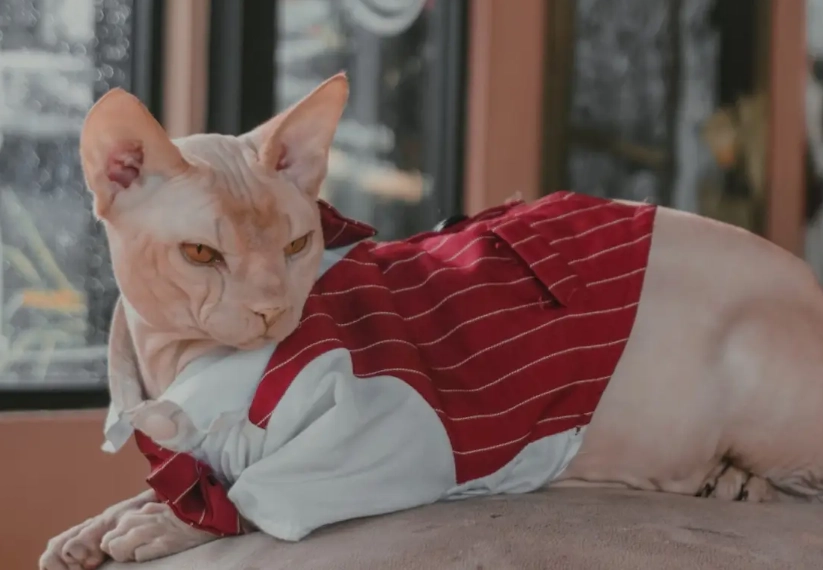
Health Issues to Watch Out For in Hairy Sphynx Cats
Hairy Sphynx cats inherit many health concerns from their hairless relatives, but the fur adds twists. From my experience, these cats aren't for novice owners who skip vet visits.
Skin Conditions in Hairy Sphynx Cats
The hair can mask skin problems until they're severe. Watch for:
- Sunburn: Even with fur, their skin is pale and sensitive. Keep them indoors or use pet-safe sunscreen on ears and nose if they go outside.
- Acne and folliculitis: Hair follicles can get infected. Use stainless steel food bowls and keep their chin clean.
- Yeast infections: The warm, oily environment under folds or at the base of hairs is perfect for yeast. Signs include redness and a cheesy smell.
Regular vet check-ups every 6 months are crucial. I've caught early skin cancers in older Sphynx cats because we monitored changes diligently.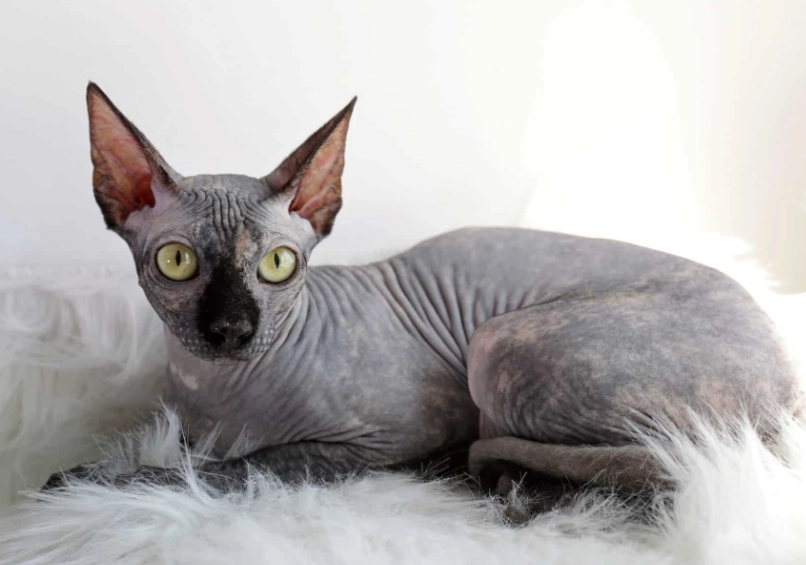
Other Common Health Problems
Beyond skin, be aware of:
- Hypertrophic cardiomyopathy (HCM): A heart condition prevalent in Sphynx breeds. Ask breeders for HCM screening records of parents.
- Respiratory issues: Their lack of hair (or thin hair) makes them prone to colds. Keep your home warm and draft-free.
- Dental problems: Gum disease is common. Brush their teeth regularly with cat toothpaste.
Here's a table comparing key aspects of hairy vs. classic bald Sphynx cats, based on data from breeder surveys and my own logs:
| Aspect | Hairy Sphynx Cat | Classic Bald Sphynx Cat |
|---|---|---|
| Grooming Frequency | Bath every 2-3 weeks, plus brushing | Bath every 1-2 weeks, no brushing |
| Skin Sensitivity | High, but fur may offer slight sun protection | Very high, prone to sunburn and cuts |
| Common Health Issues | Skin infections, HCM, dental problems | HCM, respiratory issues, skin conditions |
| Average Cost | $1,500 - $3,000 (depending on breed) | $1,800 - $3,500 |
| Best For | Owners who want a unique look but some fur | Owners committed to intensive skin care |
Is a Hairy Sphynx Cat Right for You?
Deciding to bring home a hairy Sphynx isn't just about aesthetics. It's a commitment to a high-maintenance pet with specific needs. Let's break it down.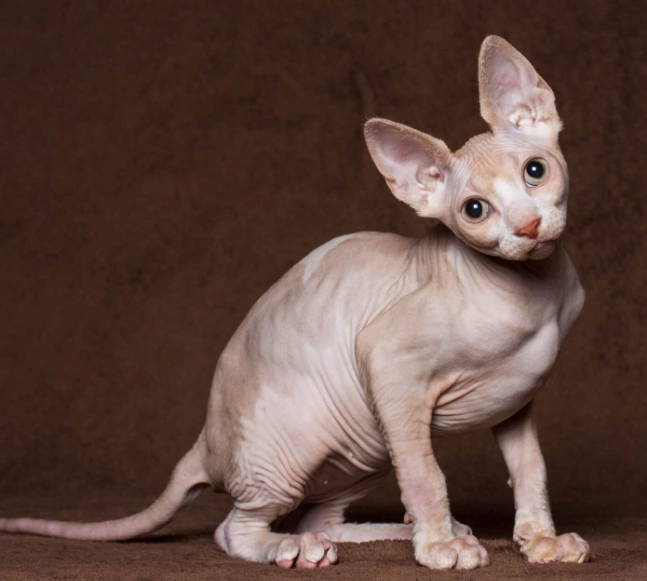
Personality and Temperament
These cats are social butterflies. They crave attention, follow you around, and hate being alone. From my breeding cattery, I've seen that hairy Sphynx cats often have the same extroverted, dog-like personality as bald ones. They're playful, curious, and great with families. But they can develop separation anxiety if left alone too long. If you work 12-hour days, this isn't the cat for you.
Cost and Where to Find One
Expect to pay $1,500 to $3,000 for a hairy Sphynx from a reputable breeder. Adoption is possible through rescues like Sphynx Rescue or specialized groups, but be prepared for health screenings. When looking, avoid backyard breeders who sell "cheap" hairy Sphynx cats—they often skip genetic testing, leading to heartbreak later. I've helped rescue several such cats with chronic health issues.
Visit breeders in person if possible. Ask to see the parents' health certificates and observe the kitten's environment. A good breeder will quiz you about your home and care plans.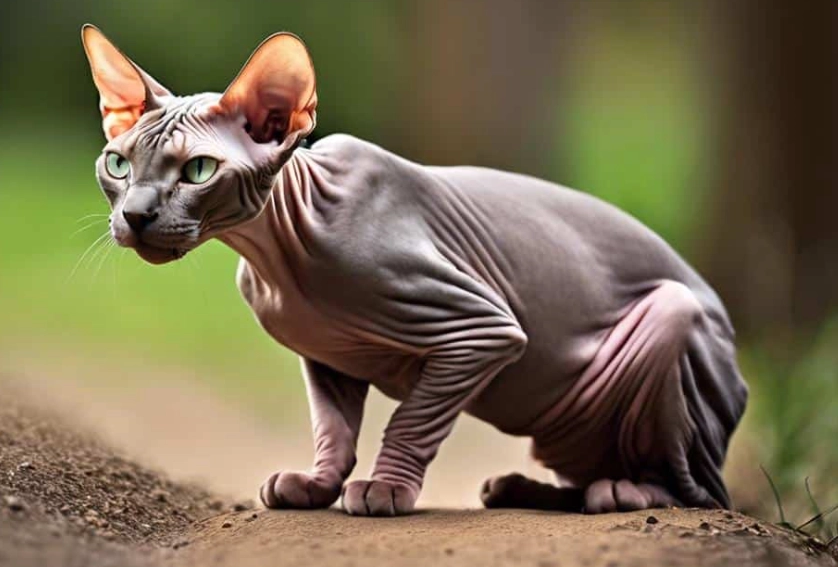
Real-life scenario: Meet Luna, a Don Sphynx with a short coat. Her owner, Sarah, thought she'd be easier than a bald cat, but Luna needed weekly ear cleanings and a special diet for skin allergies. Sarah adapted, and now Luna thrives—but it took extra effort and vet visits initially.
Your Questions Answered: Hairy Sphynx Cat FAQ
Wrapping up, hairy Sphynx cats are fascinating, loving companions, but they demand dedication. If you're willing to invest time in grooming, vet care, and lots of cuddles, they can be incredibly rewarding. Do your homework, connect with ethical breeders or rescues, and prepare for a unique feline friend.