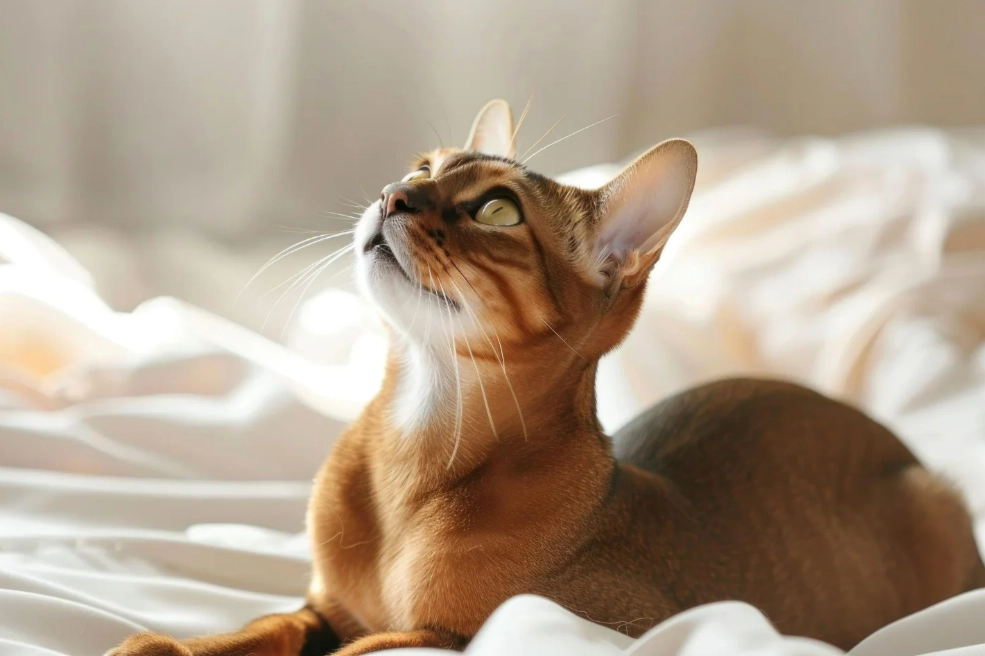
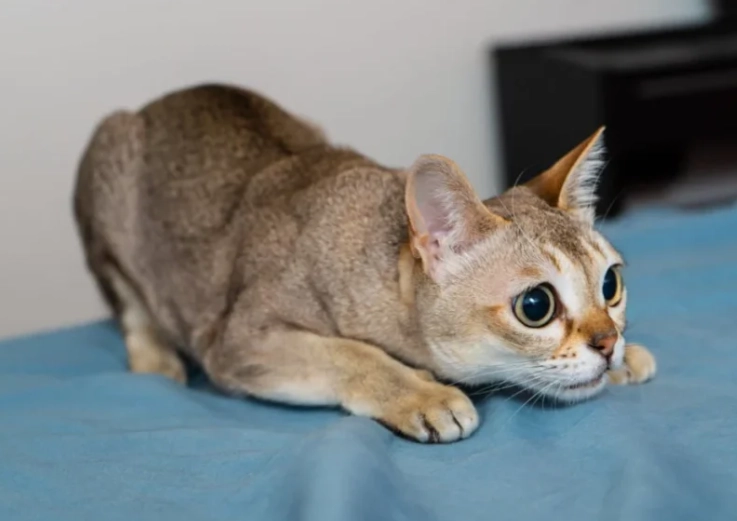
So you've fallen for those gleaming copper eyes and that sleek, panther-like coat. The Bombay cat is a stunner, no doubt. But before you get lost in daydreams of a mini black panther prowling your living room, let's talk numbers. The question "How much does a Bombay cat cost?" has a deceptively simple answer upfront, followed by a much more important and complex one. The initial price tag is just your ticket into a 15-20 year financial commitment. Let's break down every dollar, from the breeder's fee to the last bag of premium food, so you know exactly what you're signing up for.
What's Inside This Guide?
Why Are Bombay Cats Expensive?
You're not just buying a black cat. You're investing in a specific, man-made breed. The Bombay was created in the 1950s by crossing sable Burmese with black American Shorthairs to achieve that specific "patent leather" coat and muscular build. Reputable breeders spend years, and significant money, maintaining strict lineage standards, conducting extensive health testing (for issues like hypertrophic cardiomyopathy and craniofacial defects), and providing exceptional early-life care. This isn't a backyard operation. The Cat Fanciers' Association (CFA) maintains rigorous breed standards that ethical breeders adhere to, which costs money. You're paying for predictability in temperament, health, and appearance—something a random-bred cat can't guarantee.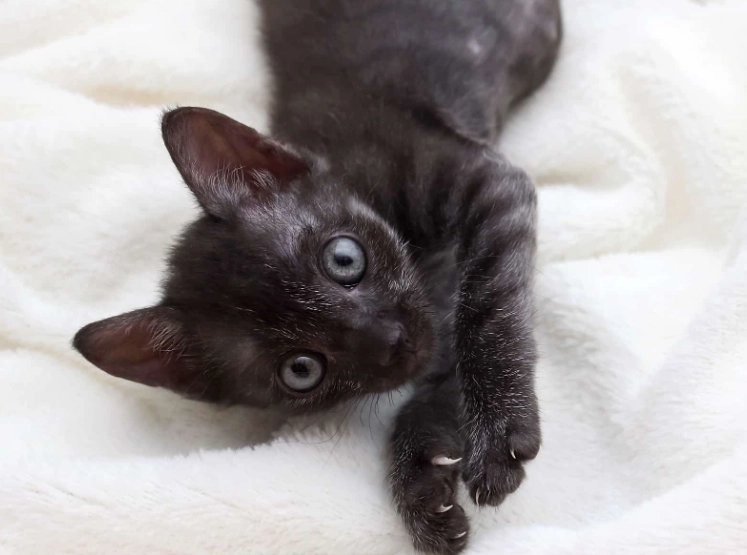
The Initial Purchase Price: Breeder vs. Adoption
This is your first major fork in the road. The price difference is massive, and so is the context.
Breeder Prices: What You're Really Paying For
A reputable breeder's fee isn't profit; it's reinvestment. Here’s where your money goes, based on conversations I've had with breeders over the years:
| Cost Component | Typical Price Range | What It Covers & Notes |
|---|---|---|
| Breeder's Kitten Fee | $1,200 - $2,500 | This is the headline number. It includes: genetic health testing of parents, first vaccinations (FVRCP, sometimes FeLV), deworming, a veterinary check-up, microchipping, and early socialization. A breeder charging under $1,000 is likely cutting corners on health testing—a major red flag. |
| Pet vs. Show Quality | Varies ($300-800 less) | "Pet quality" kittens have minor cosmetic deviations from the breed standard (e.g., a tiny white spot, slightly off eye shape) but are perfectly healthy. They are often sold with a mandatory spay/neuter contract for a lower price. |
| Shipping (if applicable) | $200 - $500 | If you can't find a local breeder. Requires USDA-accredited transport and adds significant stress for the kitten. I always recommend driving to pick up your cat if at all possible. |
| Deposit | $200 - $500 | Usually non-refundable, secures your spot on a waiting list. Ethical breeders often have lists for future litters. |
One subtle mistake new buyers make? Not asking for proof of the parents' health screenings. A breeder saying "they're healthy" isn't enough. Ask to see the actual HCM echocardiogram reports and genetic test results from organizations like the Veterinary Cardiac Genetics Lab. No proof, no deal.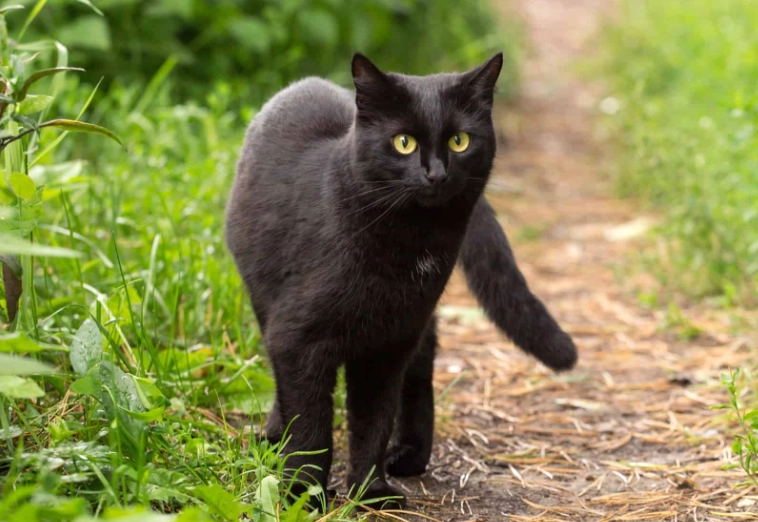
Adoption Fees: The Budget-Friendly Path
You can find black cats, and sometimes even cats labeled as "Bombay mixes" or "Bombay-like," in shelters and breed-specific rescues. The experience is different, but the love isn't.
Shelter/Rescue Adoption Fee: $50 - $300. This is arguably the best value in pet ownership. For that fee, you typically get a cat that is already spayed/neutered, vaccinated, microchipped, dewormed, and has had a basic health check. You're saving a life and bypassing the highest initial veterinary costs. The trade-off? Uncertainty about true breed lineage and sometimes unknown early-life history. But for a loving companion that fits the aesthetic, it's unbeatable. Check with the Petfinder network or the Black Cat Rescue organization.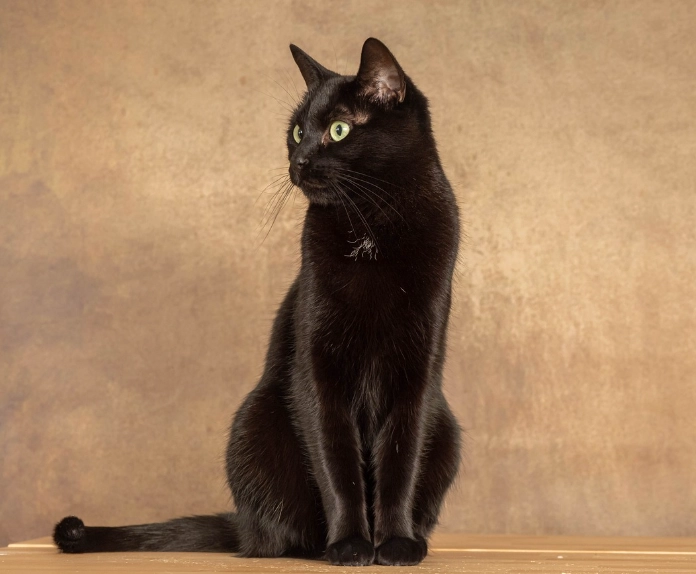
What Are the Ongoing Costs of Owning a Bombay Cat?
This is where budgets get real. Let's be honest, that initial price tag is just the tip of the iceberg. The annual costs are what sneak up on you.
Annual Veterinary Care: $200 - $600+. This is for a healthy adult. It covers the yearly check-up, core vaccine boosters, and parasite prevention. Bombay cats are generally healthy, but they can be prone to gum disease. I budget an extra $150-$300 annually for a professional dental cleaning every other year, which many owners forget to plan for.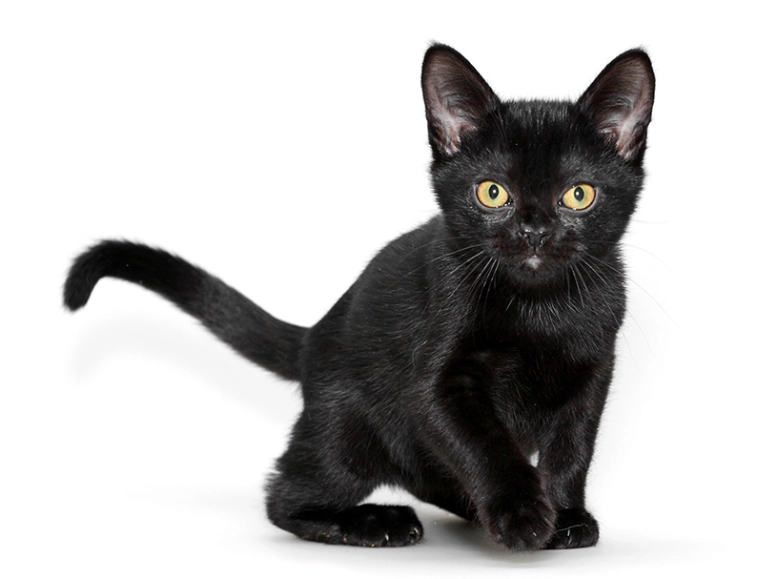
High-Quality Food: $300 - $700 per year. Bombay cats have a reputation for being food-motivated and can gain weight. Feeding a grain-free or high-protein wet/dry diet is key. A 5.5oz can of premium wet food costs about $1.50-$2.50. Do the math: even one can a day plus dry food adds up fast.
Litter & Supplies: $150 - $300 per year. Clumping litter is a must. Factor in scratching posts (they need sturdy ones), toys (they're playful), and the occasional replacement of a worn-out bed or carrier.
I once made the mistake of thinking a cheap supermarket brand food was "fine." My Bombay, Leo, developed a dull coat and became less active. Switching to a better diet fixed it within a month, but it was a lesson learned—skimping on food often leads to higher vet bills later.
The Hidden & One-Time Costs Everyone Forgets
These are the budget-busters. The ones that hit your credit card in one painful swipe.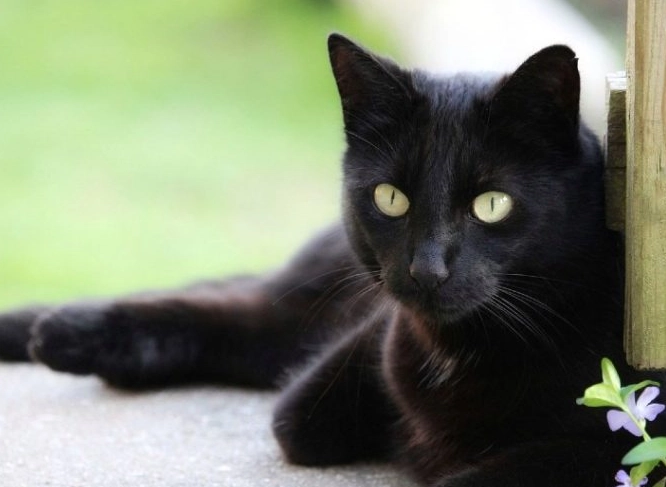
Spay/Neuter: If not included (like in adoption), this costs $200-$500 at a private vet. Low-cost clinics offer it for $50-$150.
Initial Setup: Carrier ($40-$100), scratching post/tree ($60-$200), bowls, brush, nail clippers, toys, bed. A one-time outlay of $200-$400 is normal.
Pet Insurance OR Emergency Fund: This is non-negotiable. A foreign body surgery (if they eat a string) can cost $2,000-$5,000. Pet insurance like Healthy Paws or Trupanion costs $25-$50/month. Alternatively, start a dedicated savings account and auto-deposit at least $50/month. Choose one. I've seen too many heartbreaking GoFundMe campaigns from owners who couldn't afford emergency care.
Boarding/Pet Sitting: $20-$40 per day when you travel. Another often-overlooked line item.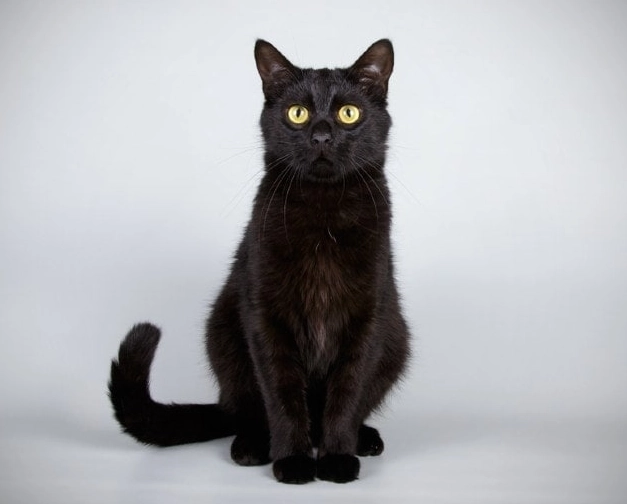
Your Bombay Cat Cost Questions Answered
It almost always comes down to health testing and reputation. A breeder charging $2,500 is likely providing documented, breed-specific health clearances for multiple generations, raising kittens in their home with intense socialization, and perhaps showing their cats to champion status (which proves they meet the standard). The $800 breeder might be doing minimal to no genetic testing, giving early vaccinations all at once (a stressor), and keeping cats in cages. The cheaper initial cost carries a much higher risk of expensive health problems later. Always, always prioritize health proof over price.
Beyond emergencies, two areas catch owners off guard. First, dental disease. Their facial structure can make them prone to gingivitis. A dental cleaning with extractions can run $500-$1,200. Start brushing their teeth early. Second, obesity-related issues. Their love of food can lead to diabetes or arthritis. Budget for prescription diet food or joint supplements, which are more costly than regular maintenance.
I view it as catastrophic coverage. For a young, healthy Bombay, you might pay $400 a year in premiums and only claim $200 for a minor issue. It feels like a loss. But the year your cat develops a heart condition or gets into a toxic lily, that $10,000 hospital bill becomes a $1,000 deductible. The peace of mind is worth the monthly fee for me. If you're extremely disciplined, a robust emergency fund works, but most people dip into it for non-emergencies. Insurance removes that temptation.
Purebred? Rare, but it happens when breeders retire breeding cats or a family's circumstances change. "Bombay-like" mixes are more common. Your best strategy is to network. Don't just browse shelter websites. Contact breed-specific rescues (search for "Bombay cat rescue" or "black cat rescue") and get on their lists. Also, let local reputable breeders know you're open to adopting a retired adult. They sometimes need to rehome cats and prefer to place them directly with knowledgeable people. Patience is key here.
Focusing solely on the kitten's price tag and not creating a lifetime budget. They get the $1,500 kitten, then buy the cheapest food, skip pet insurance, and hope nothing goes wrong. When the first $800 vet bill arrives (and it will, for something), it becomes a financial crisis. The smarter move is to take that breeder fee, add 50% for first-year setup/vet costs, and then calculate a realistic monthly ongoing cost. If that total number makes you uncomfortable, consider adoption or wait until you're more financially secure. A cat is a living being, not an impulse purchase.