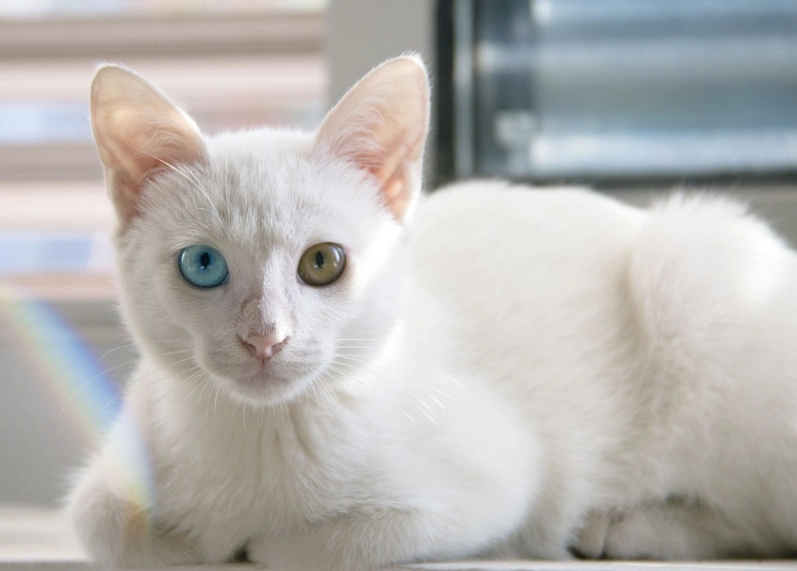
You see a photo online—a stunning cat with a plush, snow-white coat and brilliant green eyes, captioned "rare Russian white." It stops you mid-scroll. Is that a Russian Blue, but white? Is it a separate breed? And just how rare are Russian white cats, really? The answer is more complicated than a simple yes or no. It's a tangled web of feline genetics, strict breed standards, and breeder preferences. If you're dreaming of bringing one of these elusive felines home, you need to understand what you're actually looking for.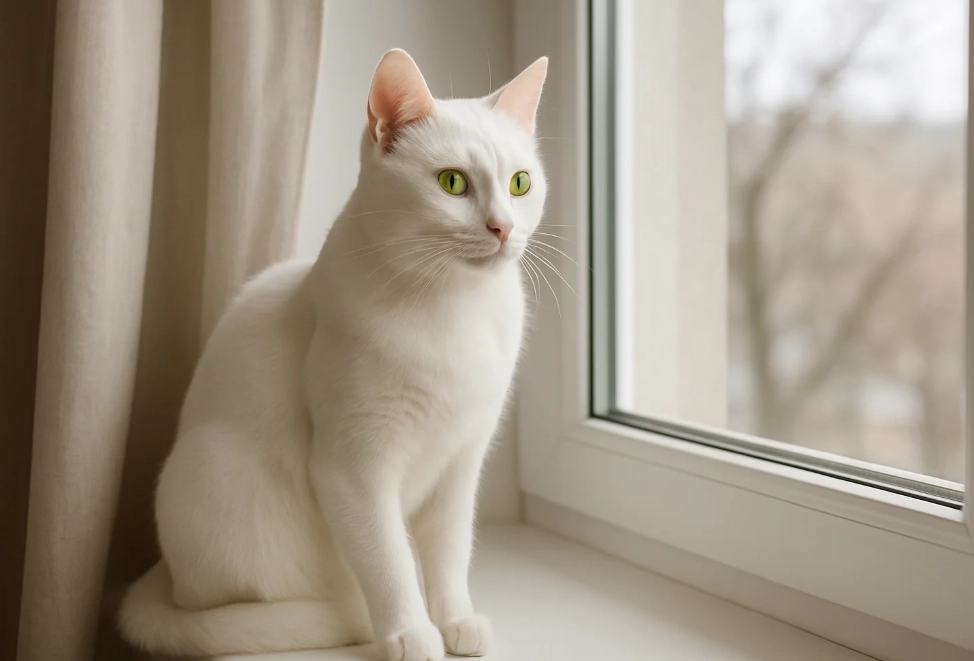
Quick Navigation: What You'll Learn
Are Russian White Cats a Separate Breed?
Let's clear this up first, because it's the source of most confusion. "Russian White" is not a universally recognized, standalone breed like the Siamese or Maine Coon. When people use the term, they're usually referring to one of two things:
A White Variant of the Russian Blue: This is the most common meaning. The Russian Blue is famed for its short, dense blue-gray (really a diluted black) coat with silver tipping. However, through genetic variation, solid white kittens can occasionally appear in Russian Blue litters. Some cat registries, particularly the Governing Council of the Cat Fancy (GCCF) in the United Kingdom, formally recognize "Russian White" and "Russian Black" as allowable color variants within the Russian breed. These cats must meet every other point of the Russian Blue breed standard—body type, eye color (green), coat texture—except for the coat color.
Any White Cat from Russia: More loosely, it can describe any pure white domestic cat originating from Russia, which isn't a breed designation at all.
The Big Caveat: In North America, the major registries like the Cat Fanciers' Association (CFA) and The International Cat Association (TICA) only recognize the Russian Blue in its classic blue color. A pure white cat cannot be shown as a Russian Blue in these associations. This regional difference in breed standards is a huge factor in the cat's rarity and availability.
I've spoken to Russian Blue breeders who've had a white kitten pop up in a litter. Their reaction isn't usually excitement for a "rare" cat—it's often slight disappointment because that kitten can't be shown in CFA circles and doesn't fit the breed's iconic look they work so hard to preserve. That kitten usually becomes a cherished pet in a loving home, but it's not part of their breeding program.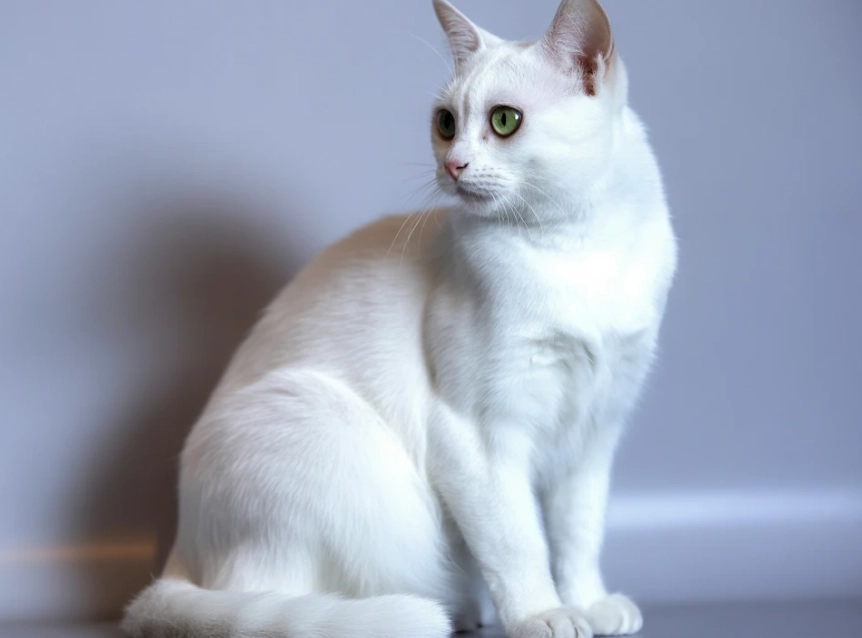
The Genetics Behind the White Coat
To understand the rarity, you need a basic grasp of the genetics. A cat isn't white by accident. That snowy coat comes from specific genetic instructions.
The Dominant White Gene (W)
This is the usual culprit. It's a dominant gene that completely masks all other color and pattern genes. Think of it as a thick, white blanket thrown over the cat's genetic color code. A cat with one copy of this gene (Ww) will be white. Here's the kicker: this cat can still carry hidden genes for black, blue, tabby, you name it. If bred, it can produce kittens of various colors, not just white. This is why two white cats can have colored kittens—it happens more often than people think.
True Albinism (c)
This is different and much, much rarer. Albino cats lack melanin pigment entirely due to a mutation in the tyrosinase gene. They have pale cream to white fur, but their eyes are pale blue or pinkish, and their skin is pink. A true albino Russian-type cat would be an extreme rarity, not the green-eyed beauty you typically see in photos labeled "Russian white."
The White Spotting Gene (S) Gone Extreme
Sometimes, the gene that creates tuxedo or van patterns (white spotting) can express itself so completely that it covers the entire body, resulting in a solid white cat. This is less common as the cause for a truly solid white coat.
The dominant white gene brings us to the most critical health consideration.
Why Are They So Rare? The Three Main Reasons
So, how rare are Russian white cats? Extremely, especially if you're looking for a pedigreed, health-tested example that conforms to a specific breed standard. Here’s the breakdown.
1. Breed Standard Restrictions
This is the biggest barrier. Breed clubs exist to preserve and improve a specific look and temperament. For the Russian Blue, that iconic look is the blue-gray coat. In registries like CFA, breeding for white is actively discouraged because it falls outside the standard. Ethical breeders focused on showing and preserving the breed will not intentionally select for white. It only appears as a random genetic surprise and is then typically spayed/neutered and placed in a pet home, not used for further breeding.
| Cat Registry | Recognition of "Russian White" | Impact on Rarity |
|---|---|---|
| CFA (Cat Fanciers' Association) | Not recognized. Russian Blue is blue only. | High. No incentive for mainstream breeders to produce them. |
| TICA (The International Cat Association) | Not recognized in the Russian Blue breed standard. | High. Similar to CFA. |
| GCCF (Governing Council of the Cat Fancy - UK) | Recognized as a color variant of the Russian breed. | Moderate. Some specialized breeders in the UK/Europe may work with them. |
2. The Deafness Link and Ethical Breeding
The dominant white gene (W) is linked to a higher incidence of congenital deafness, particularly in cats with blue eyes. While many white cats with green or gold eyes have normal hearing, the risk is real. A responsible breeder who encounters a white kitten must conduct a BAER (Brainstem Auditory Evoked Response) test to check for deafness. This adds cost and complexity.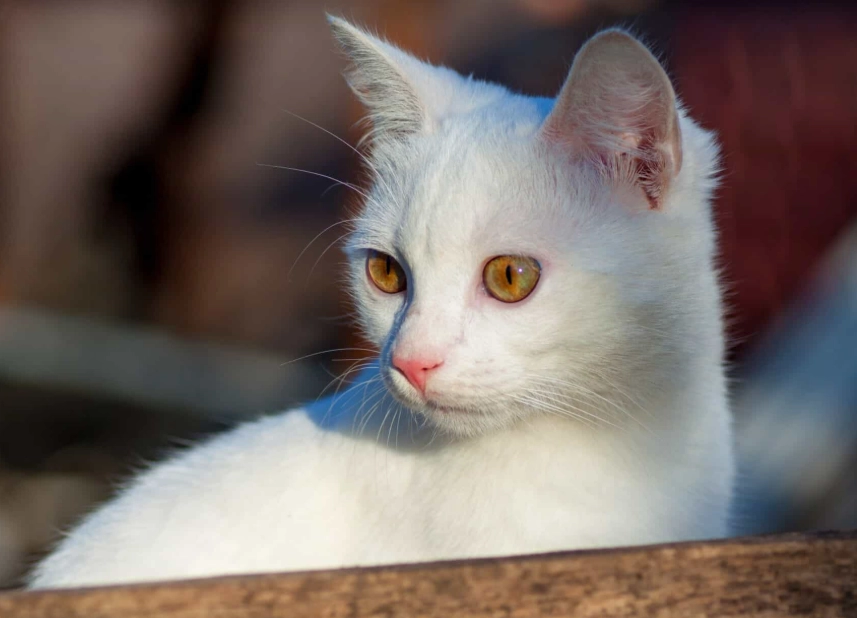
An ethical breeder prioritizes health. Intentionally breeding cats with a known higher risk of a disability like deafness, without rigorous health screening and a clear purpose to improve the breed, is considered irresponsible by many in the fancy. This ethical line further limits the number of breeders who will deliberately produce white lines.
3. Simple Lack of Demand vs. the "Blue"
Let's be honest—the Russian Blue's massive popularity is built on that unique blue-silver shimmer. It's what people want. The demand for a white version is a niche within a niche. Most breeders are busy trying to perfect the classic blue type, temperament, and health. Dedicating cattery space and resources to a color that can't be shown in most countries and has extra health considerations just doesn't make business or breed-improvement sense for them.
I recall a conversation with a longtime Russian Blue exhibitor. She said, "When someone emails me asking only for a white one, it's a red flag. It tells me they care more about the color as a status symbol than the breed's wonderful personality. My blues are perfect the way they are." That sentiment is widespread.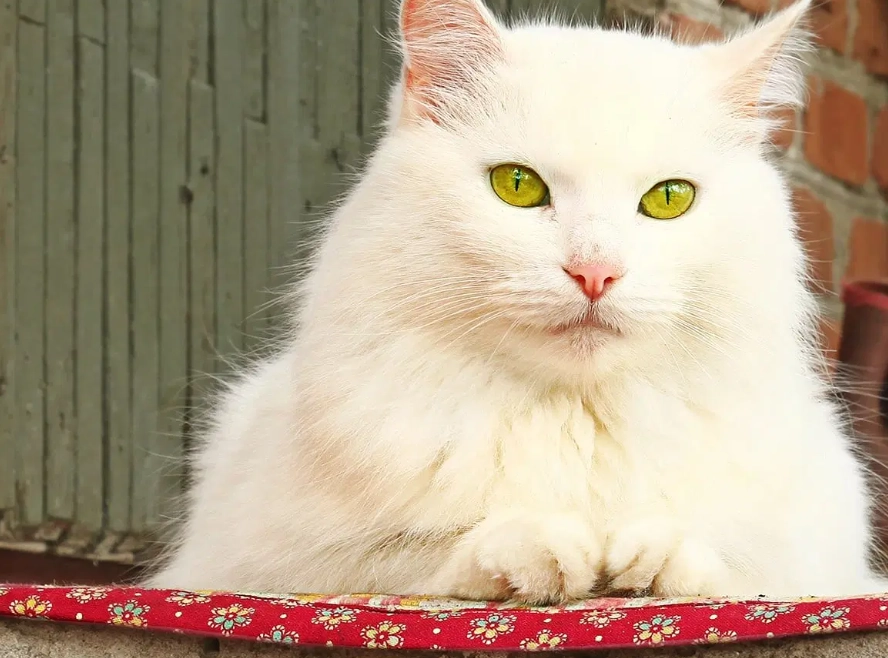
How to Find and Care for a Russian White Cat
If you're still determined, your path must be one of patience and due diligence. Forget pet shops or generic online marketplaces. You will only find poorly-bred, misrepresented, or unhealthy cats there.
Your Search Strategy
Start with Breed Clubs: Contact the Russian Blue Breed Council under CFA or similar organizations in TICA or GCCF. Explain your interest in a white variant. They may know of a reputable breeder who had a white kitten in a recent litter or who works within a registry that recognizes the color.
Look to the UK/Europe: Since the GCCF recognizes them, your best chance of finding a breeder intentionally working with healthy, well-tempered Russian Whites is in the UK, Europe, or Australia. Be prepared for international logistics, which are complex, expensive, and stressful for the cat.
The Interview Goes Both Ways: A good breeder will grill you about your home, lifestyle, and cat experience. You should grill them right back. Key questions:
- "Under which registry is this cat registered? Can I see the pedigree?"
- "Have both parents had genetic health screening? Can I see the results?"
- "Has this specific kitten had a BAER test for deafness? What were the results?"
- "Can I visit your cattery and meet the kitten's parents?"
- "What is your contract regarding health guarantees and spay/neuter?"
If they hesitate, avoid, or get defensive on any of these, walk away.
Special Care Considerations
Caring for one isn't vastly different from any other cat, but white coats and potential deafness need attention.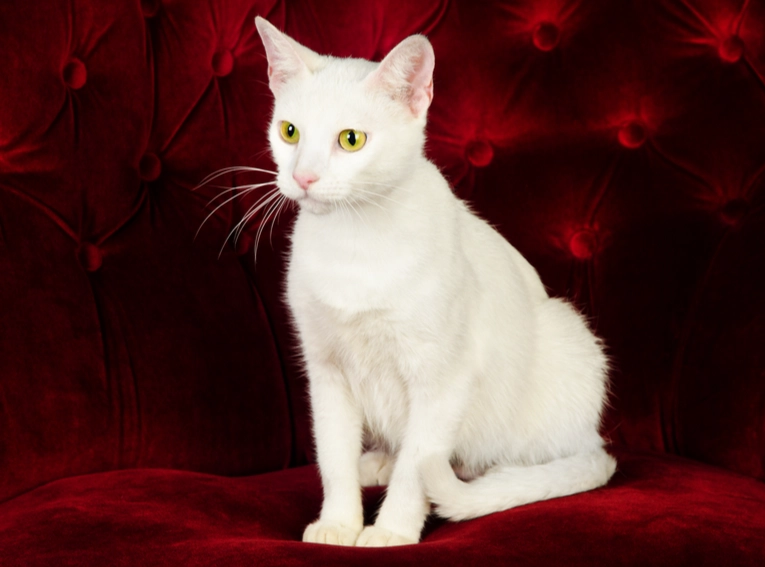
Sun Protection: White cats, especially those with pink skin under their fur, are prone to sunburn and skin cancer on their ears and nose. Keep them indoors, or provide a completely shaded, enclosed outdoor space (like a catio). There are pet-safe sunscreens, but consult your vet.
Deafness Adaptation: If your cat is deaf, it adapts brilliantly. You communicate with visual cues (hand signals, flashing lights) and vibrations (stomping on the floor). Always approach from the front so you don't startle them. Keep them strictly indoors, as they can't hear dangers like cars.
Grooming: That white coat shows dirt! Regular brushing is needed to keep it clean and mat-free. You might need the occasional gentle, cat-safe bath with a vet-recommended shampoo. Check for tear stains near the eyes.
The bottom line? A truly pedigreed, responsibly-bred Russian white cat is one of the rarest finds in the cat world. For most people, the quest ends with the realization that the wonderful, green-eyed companion they truly want is, in fact, a classic Russian Blue. And there's absolutely nothing ordinary about that.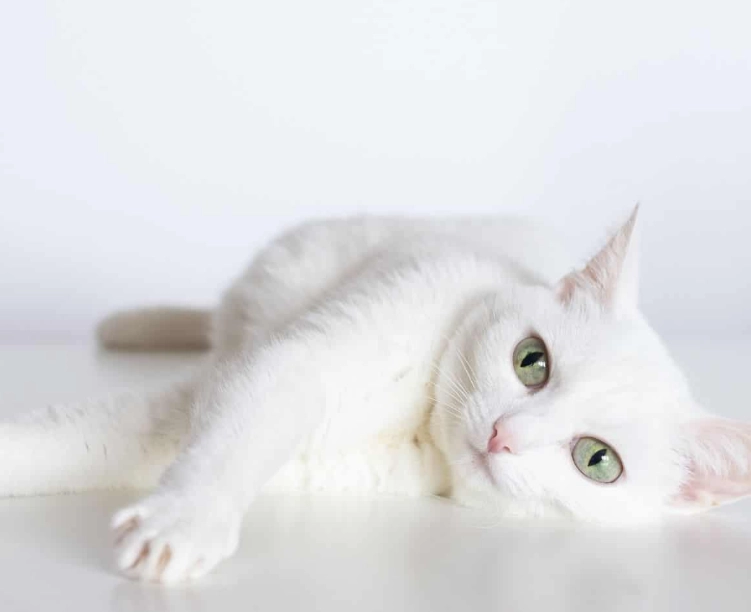
Your Questions on Russian White Cats, Answered
Are Russian white cats a separate breed?
No, 'Russian White' is not a universally recognized, separate breed like the Russian Blue. It typically refers to a solid white cat of Russian descent, most commonly a white variant of the Russian Blue. Major cat registries like CFA and TICA recognize the Russian Blue only in its classic blue-gray coat. Some registries, like the GCCF in the UK, do recognize 'Russian White' and 'Russian Black' as color variants within the Russian breed, but they are not common and must conform to the same breed standard in every way except coat color.
What causes a Russian cat to be white?
The white coat is caused by specific genetic factors. The most common is the dominant white gene (W), which masks all other color genes. A cat with this gene can produce kittens of various colors if it carries hidden color genes. Less commonly, it can be caused by the white spotting gene in an extreme form, or true albinism (a complete lack of pigment), which is extremely rare. It's crucial to understand that a white cat is not an albino by default; true albinos have pinkish eyes and no pigment anywhere.
Are Russian white cats prone to deafness?
There is a known correlation between the dominant white gene (W) and congenital deafness, especially in cats with blue eyes. However, this is not a certainty. A responsible breeder of white Russian-type cats should conduct BAER (Brainstem Auditory Evoked Response) testing on their breeding stock and kittens to screen for deafness. This is a non-invasive test that provides definitive results. If you're considering a white kitten, always ask the breeder for documentation of BAER test results. Not all white cats are deaf, but the risk is higher, making ethical breeding practices non-negotiable.
How can I find a reputable breeder for a Russian white cat?
Start by contacting established Russian Blue breed clubs, such as the Russian Blue Breed Council under CFA or The Russian Blue Cat Club. Inquire if any of their member breeders work with or know of ethical breeders producing white variants under registries that permit them, like GCCF. Be prepared for a long search and a waiting list. Steer clear of anyone advertising 'rare white Russians' as a mainstay without health testing, pedigree documentation, or a focus on temperament. A genuine breeder will interview you thoroughly, allow home visits, and prioritize the cat's welfare over a quick sale.