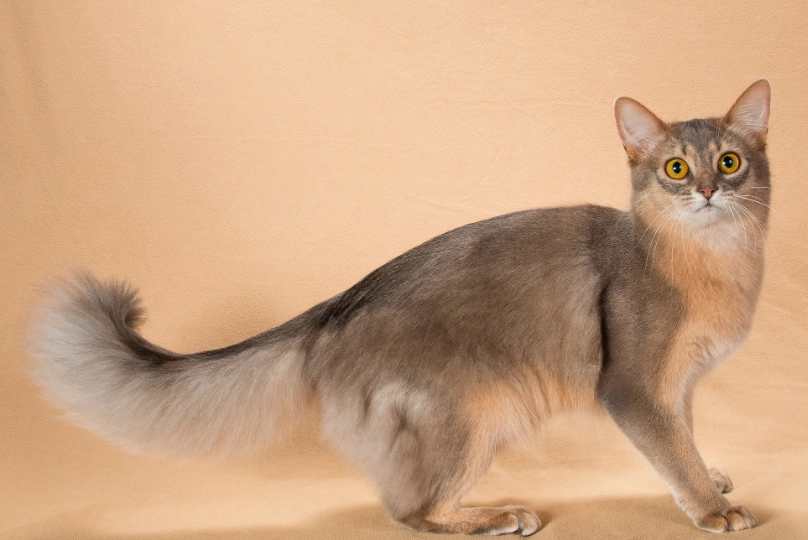
You see a photo online. A cat with a stunning, fox-like tail, a rich ruddy coat that seems to glow, and large, alert ears. It's a Somali cat. You're smitten. Then you start looking for one. And that's when you hit a wall. Breeder websites have waiting lists. Pet listings are non-existent. The prices make you blink. Just how rare is a Somali cat, and why? It's not a simple yes or no. Their rarity is a cocktail of genetics, history, and deliberate breeding practices. Let's cut through the mystery. Based on registration data from major cat associations, Somali cats consistently rank in the bottom third of popular breeds. They're not vanishingly rare, but finding one requires patience, research, and a significant budget.
In This Article
The Hard Data: Somali Cat Rarity by the Numbers
Forget guesswork. Let's look at the stats. Major cat registries like The International Cat Association (TICA) and the Cat Fanciers' Association (CFA) publish annual registration rankings. These numbers tell a clear story.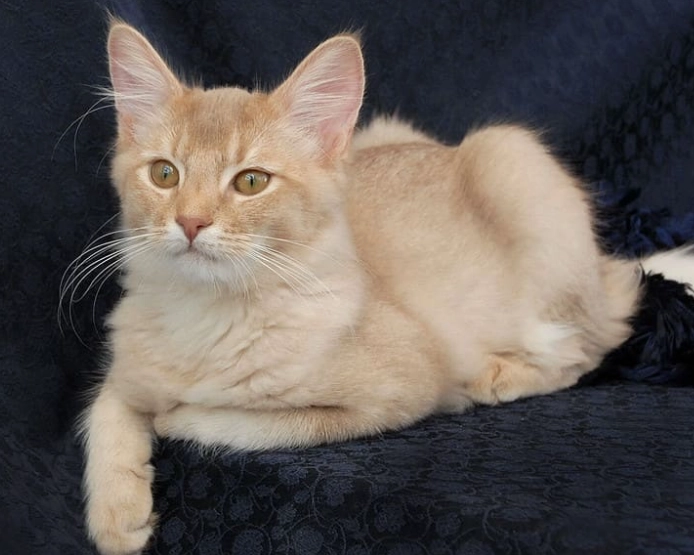
In the CFA's 2022 registration report, Somali cats ranked 28th out of 45 recognized breeds. For context, that's behind the better-known Abyssinian (their shorthaired cousin, ranked 6th) and far behind mass-popular breeds like the Ragdoll (1st) or Exotic (2nd). TICA's data shows a similar pattern, with Somalis consistently hovering outside the top 15 most registered breeds globally.
What does this mean for you? It translates directly to availability. A top-ranked breed might have hundreds of active, reputable breeders worldwide. For Somalis, the global network of dedicated, ethical breeders is much smaller—likely in the low hundreds, scattered across North America, Europe, and a few other regions.
| Breed | CFA 2022 Ranking (Out of 45) | Relative Availability |
|---|---|---|
| Ragdoll | 1 | Very High |
| Exotic Shorthair | 2 | Very High |
| British Shorthair | 3 | High |
| Abyssinian | 6 | Moderate to High |
| Somali | 28 | Low |
| Turkish Van | 40 | Very Low |
This table isn't about good or bad—it's about supply. Low registration numbers equal fewer kittens born each year under the careful watch of preservation breeders.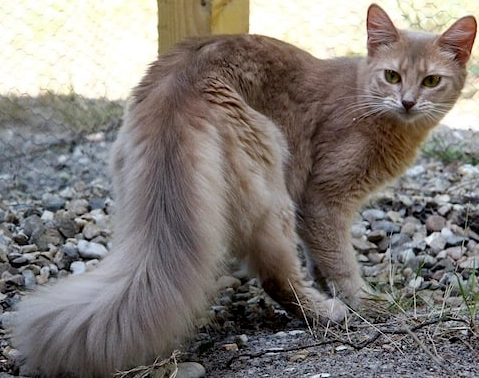
Why Are Somali Cats So Rare? It's in the Genes
The primary reason is genetic. The Somali is essentially a long-haired Abyssinian. The long hair is caused by a recessive gene. For a kitten to have the Somali's glorious coat, it must inherit the longhair gene from both parents.
Think of it like this. Two Abyssinians (shorthaired) can both carry the recessive longhair gene. Statistically, only about 25% of their kittens will be longhaired Somalis. The rest will be shorthaired Abyssinians, though some may carry the gene. This makes producing Somalis less predictable than breeds where every kitten looks like the parent.
Here's a nuance most articles miss: Not all Somali breeders are trying to maximize Somali kitten numbers. Many are, first and foremost, Abyssinian breeders. They value Somalis, but their breeding programs are often focused on refining the Abyssinian type, health, and color. Somali kittens are a wonderful byproduct of this work, not always the primary goal. This further limits the intentional production of Somali litters.
Then there's history. The breed wasn't officially recognized until the 1970s (by CFA in 1979). It started from what were initially considered "faults" in Abyssinian litters—kittens with longer hair. Building a gene pool from scratch takes decades of careful, slow work to ensure health and temperament, not just looks. Rushing it isn't an option for ethical breeders.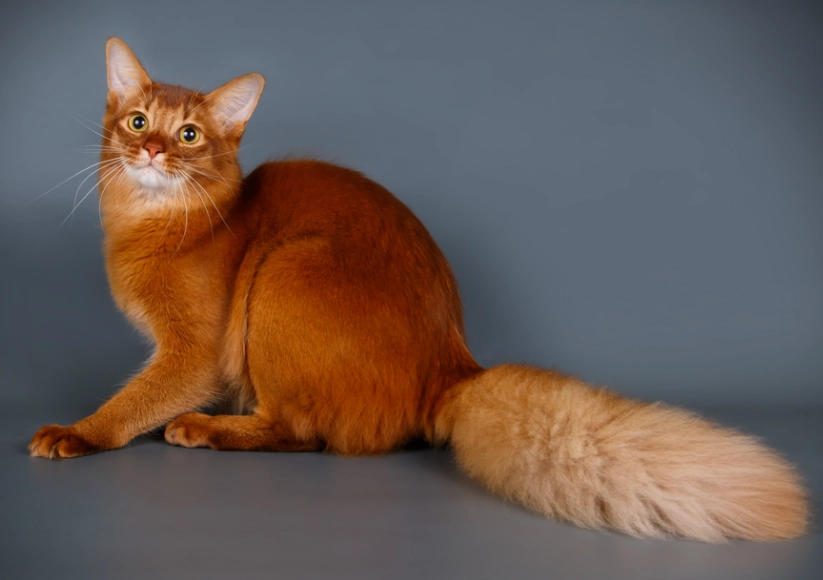
The Breeder's Dilemma: Quality Over Quantity
Talk to any established Somali breeder, and you'll hear the same thing. Litters are small, typically 3-4 kittens. They screen potential homes rigorously. They keep kittens for 12-16 weeks for proper socialization and vaccinations. They perform genetic health testing on parents for conditions like PK deficiency and progressive retinal atrophy. This entire process is slow, expensive, and driven by passion, not profit. It's the antithesis of mass production.
I visited a breeder years ago who had just one Somali kitten in a litter of four Abyssinians. She wasn't disappointed. That one Somali female would be the foundation of her next planned Somali pairing two years down the line. The timeline is glacial by modern standards.
The Real-World Search: Finding a Somali Cat Breeder
So, you want a Somali cat. What does the search actually look like? It's a marathon, not a sprint.
First, avoid pet stores and online marketplaces like Craigslist or general puppy/kitten sites. You will not find a responsibly bred Somali there. You might find someone using the term, but it will almost certainly be a backyard breeder or a scam.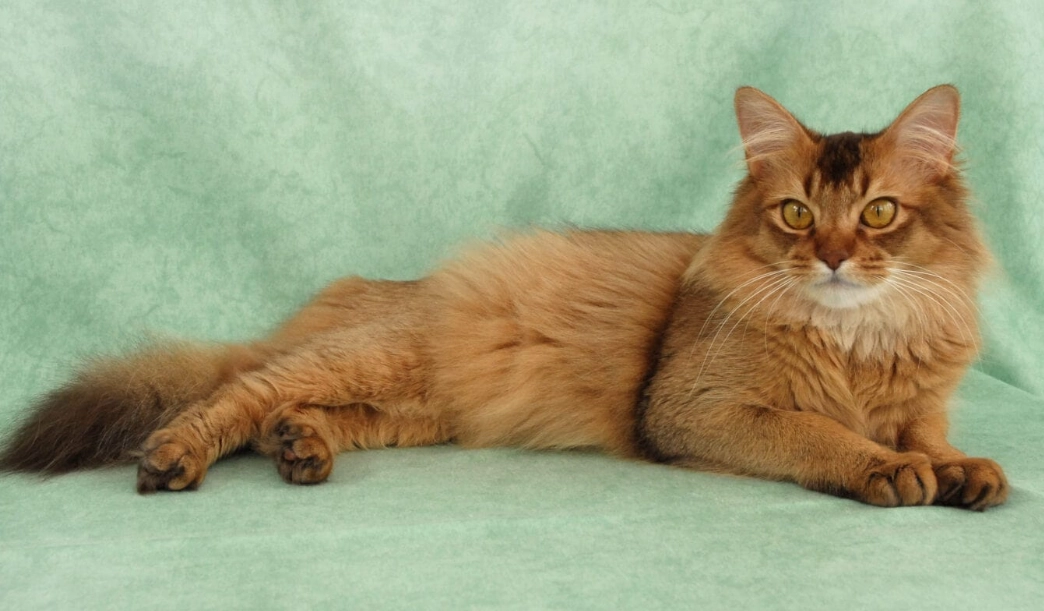
Your only reliable path is through reputable breeders. Start with the breeder directories on the websites of TICA and the CFA. These list breeders who agree to a code of ethics. Expect to:
- Get on a waitlist. A 6 to 18-month wait is standard for a well-regarded breeder.
- Answer questions. Be prepared for an application and a conversation. Good breeders want to know about your home, other pets, and your understanding of the breed.
- Be open to traveling. You may need to drive several hours or arrange a flight nanny service. Breeders are not evenly distributed.
- Consider an adult or retired show cat. This is a fantastic, often overlooked option. These cats are well-socialized, known quantities health-wise, and need loving homes. Breeders sometimes have them available with much shorter wait times.
What about rescues? It's extremely rare, but not impossible. Breed-specific rescues like those affiliated with the Abyssinian Breed Club occasionally get Somalis or Somali mixes. Patience and persistent checking are key.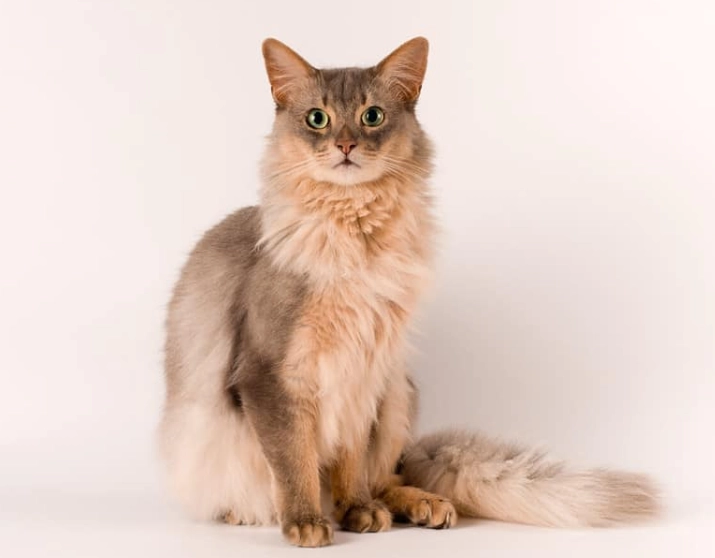
Understanding Somali Cat Prices: A Cost Breakdown
The rarity and breeding effort directly impact cost. A Somali kitten from a reputable breeder typically ranges from $1,200 to $2,500+ USD. Why?
Let's break down where that money goes, something many breeders are transparent about if you ask:
- Health Testing: Genetic screens, vet checks for the queen and stud, and kitten vet visits/vaccinations.
- Quality of Life: Premium food for the mother and kittens, high-quality litter, toys, and enrichment.
- Registration & Pedigree: Fees paid to the cat registry.
- Breeder's Time: 24/7 care for the first weeks, litter training, socialization, and answering your questions.
Price can vary by location, the breeder's reputation, the kitten's quality (pet vs. show potential), and color. Ruddies are most common; rare colors like blue or fawn may command a premium. A price significantly lower than this range is a major red flag—it usually means corners were cut on health or care.
The initial cost is just the start. Plan for ongoing expenses: high-quality food, routine vet care, and potential grooming tools for that magnificent coat (though they are surprisingly low-shedding for a longhair).