Let's cut to the chase. When people ask "what is the most popular cat?", they're usually thinking about breed popularity based on registrations, social media buzz, or sheer numbers in homes. But here's the thing—popularity isn't just about what's trending; it's about what fits real lives. I've been around cats for over a decade, volunteering at shelters and advising new owners, and I've seen the good and bad of chasing the "top" breeds.
Based on data from organizations like The International Cat Association (TICA) and the Cat Fanciers' Association (CFA), the most registered and sought-after breeds consistently include the Ragdoll, Persian, Maine Coon, Siamese, and British Shorthair. But why? And more importantly, should you care?
What You'll Learn in This Guide
Understanding Cat Breed Popularity: More Than Just Numbers
Popularity in cats is often measured by registration statistics from cat associations. For instance, TICA's annual reports show which breeds have the most new registrations. But that's only part of the story. Social media has blown up certain breeds—think of Grumpy Cat (a Persian mix) or Lil Bub (a unique rescue). Videos and memes can spike interest overnight.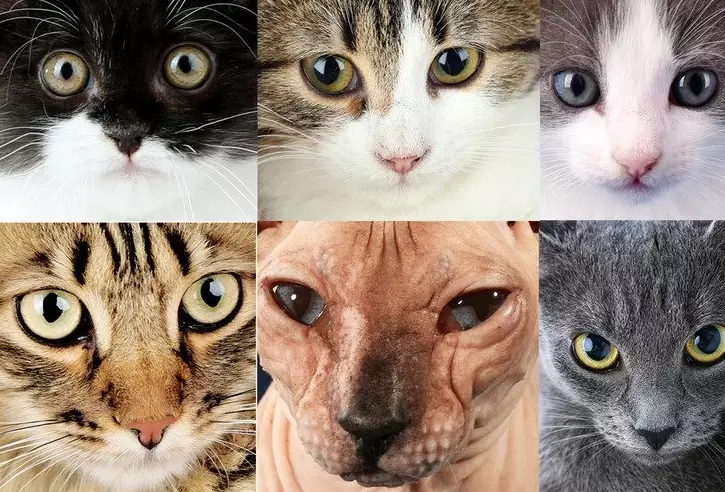
I remember when the Scottish Fold went viral due to celebrity owners. Suddenly, everyone wanted one, but few realized the ethical concerns around their folded ears, which are linked to cartilage issues. Popularity can drive irresponsible breeding if we're not careful.
Another angle: adoption rates. Shelters report that mixed-breeds are actually the most common cats in homes, but purebreds dominate the "popular" conversation because they're tracked more closely. So when we talk popularity, it's a mix of data, trends, and perception.
The Top 5 Most Popular Cat Breeds: A Detailed Breakdown
Here's a table summarizing the top breeds based on recent TICA and CFA rankings. I've included key traits to give you a snapshot.
td>Docile, affectionate, follows owners around| Breed | Key Characteristics | Personality | Best For | Average Cost (from breeder) |
|---|---|---|---|---|
| Ragdoll | Large, blue eyes, semi-long fur | Families, quiet homes | $800 - $2,000 | |
| Persian | Flat face, long luxurious coat | Calm, sweet, enjoys lounging | Indoor lifestyles, experienced owners | $500 - $1,500 |
| Maine Coon | Massive size, tufted ears, bushy tail | Friendly, playful, dog-like | Active households, kids | $600 - $1,800 |
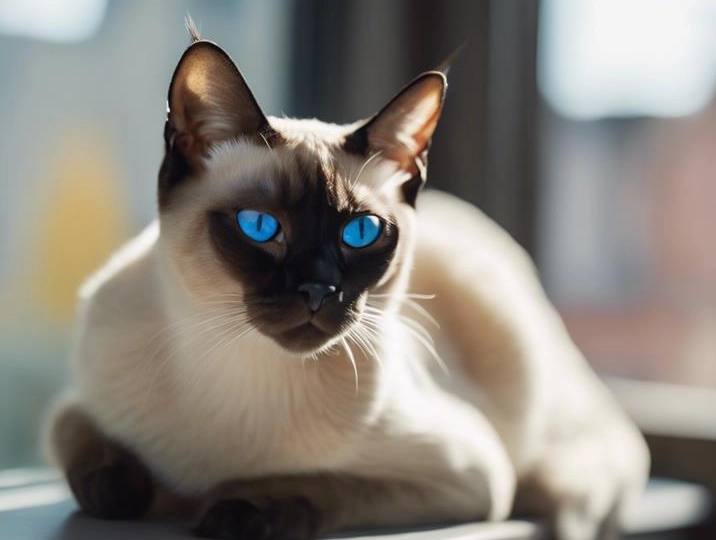
| Siamese | Sleek body, blue almond eyes, pointed coloration | Vocal, intelligent, social | Companionship, interactive play | $400 - $1,200 |
| British Shorthair | Stocky build, dense coat, round face | Independent, easygoing, low-key | Busy professionals, first-timers | $700 - $1,500 |
Let me dive deeper into each. The Ragdoll, for example, gets its name from going limp when held—a trait many love. But their fur mats easily. I've helped owners who didn't budget for daily grooming, leading to painful tangles.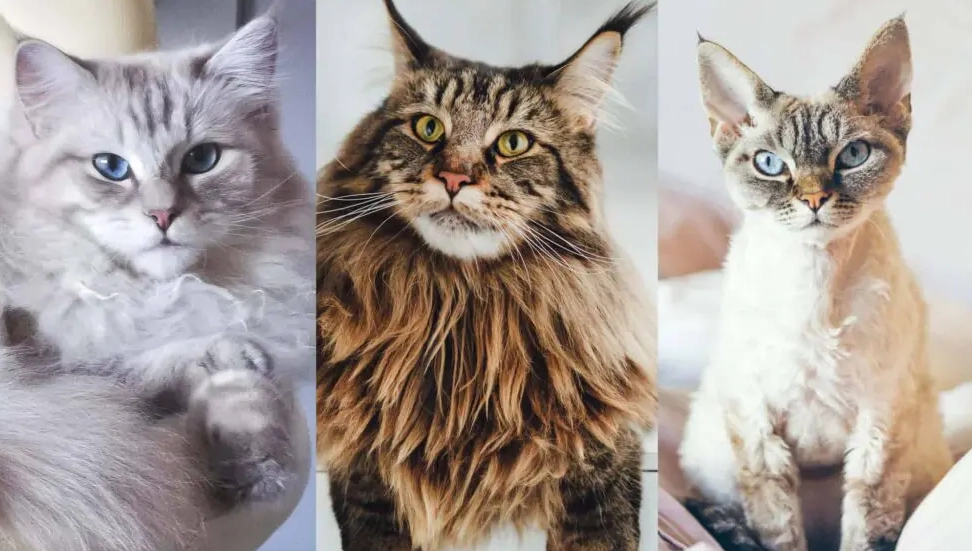
Persians are iconic, but their flat faces need daily cleaning to prevent eye infections. I once fostered a Persian with chronic breathing issues because the previous owner ignored this.
Maine Coons are gentle giants. They're great with kids, but their size means they eat more and need space. A friend's Maine Coon broke a shelf by jumping on it—true story.
Siamese cats are chatterboxes. If you value quiet, think twice. Their intelligence means they get bored easily; puzzle toys are a must.
British Shorthairs are chill. They're like the couch potatoes of the cat world, perfect if you're away often. But they can gain weight quickly, so watch their diet.
What About Other Contenders?
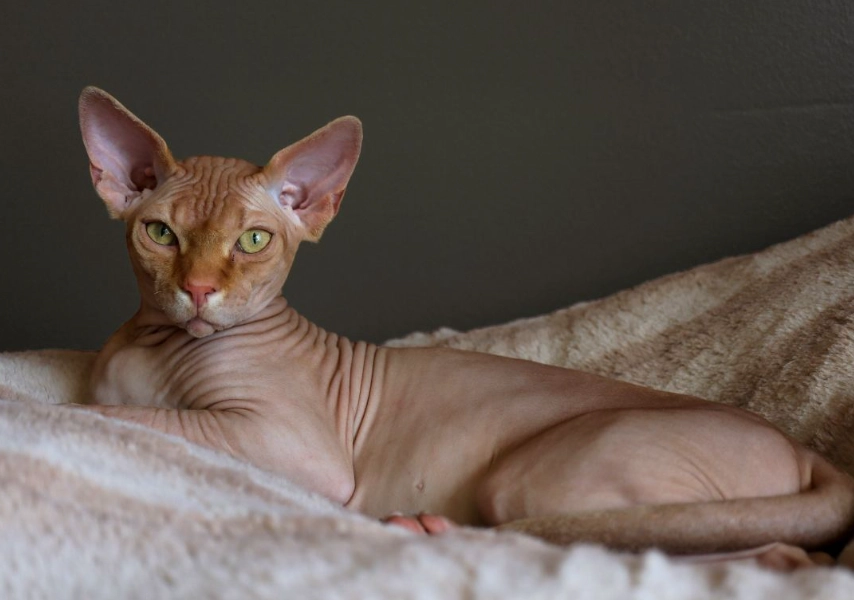
Breeds like the Bengal or Sphynx often trend online due to their wild looks or hairless appeal. However, they rank lower in registrations because they're niche. Bengals need lots of stimulation; Sphynxes require weekly baths. Popularity isn't always about practicality.
Why These Breeds Top the Charts: Key Factors
So, what makes a cat breed popular? It's not random. From my experience, three factors stand out.
Appearance: Humans are visual creatures. Breeds with striking features—like the Ragdoll's blue eyes or the Maine Coon's majestic fur—draw attention. Social media amplifies this. A cute photo can go viral and spike demand overnight.
Personality: People want cats that match their lifestyle. Ragdolls and Persians are laid-back, ideal for apartments. Maine Coons are interactive, great for families. Siamese offer companionship. It's about finding a fit.
Cultural Influence: Movies and celebrities play a role. Think of the Siamese in "Lady and the Tramp" or celebrities flaunting their Persians. This creates aspirational ownership.
But here's a non-consensus point: popularity often ignores health. Persians, for instance, are prone to polycystic kidney disease. Reputable breeders test for it, but many don't. I've seen owners hit with huge vet bills because they bought from a breeder who skipped genetic screening.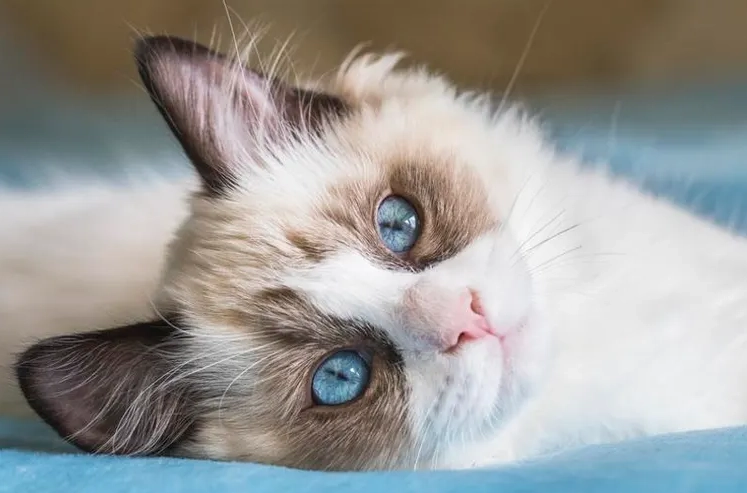
Expert Insight: Don't just follow the crowd. A breed's popularity might mean more backyard breeders cutting corners. Always prioritize health over hype.
How to Choose the Right Cat for You: Beyond Popularity
Choosing a cat isn't about picking the most popular one. It's about compatibility. Let's break it down.
Assess Your Lifestyle: Are you home often? Do you have kids or other pets? Active breeds like Siamese need interaction; independent ones like British Shorthairs are fine alone.
Consider Maintenance: Long-haired breeds like Persians demand daily grooming. If you're busy, a short-haired breed might be better. I learned this the hard way with a Persian I adopted—grooming took an hour daily.
Budget Realistically: Popular breeds can be expensive upfront and in upkeep. Factor in food, vet visits, grooming, and insurance. For example, Maine Coons eat more, so food costs are higher.
Adoption vs. Buying: Shelters have plenty of cats, including purebreds. Organizations like Petfinder list breed-specific rescues. I've helped people adopt Ragdolls from shelters for a fraction of breeder costs.
Try this: visit a shelter and spend time with different cats. Personality often trumps breed. My first cat was a mixed-breed from a shelter, and she was the perfect fit—affectionate without the high maintenance.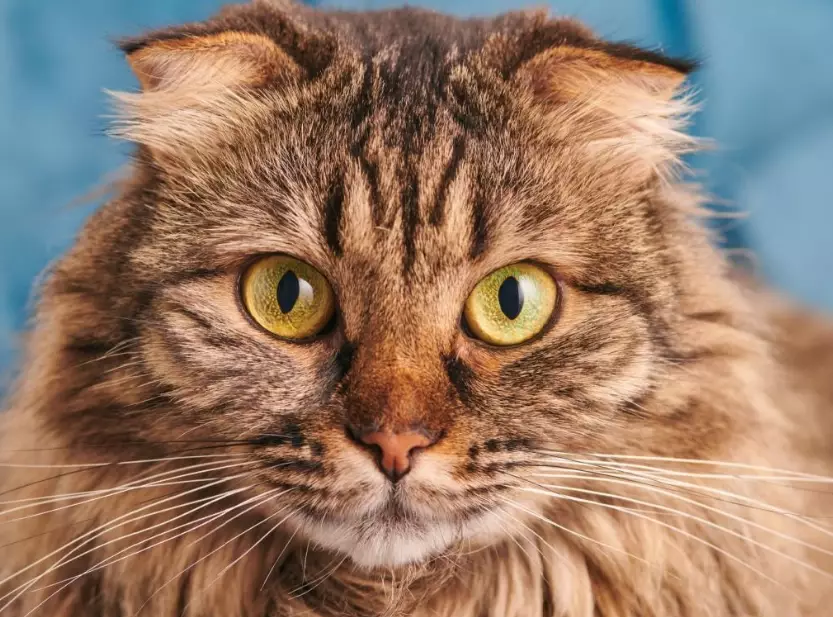
Common Mistakes When Picking a Cat Breed
I've seen too many people regret their choice. Here are pitfalls to avoid.
Ignoring Grooming Needs: People fall for a Persian's looks but forget the daily brushing. Mats can lead to skin infections. Set a grooming routine from day one.
Overlooking Activity Levels: A high-energy Bengal in a small apartment? Recipe for destruction. Match energy to your space.
Skimping on Research: Don't just rely on breeder websites. Check forums, talk to owners, and consult vet resources. For instance, the Cornell Feline Health Center offers breed-specific health info.
Focusing Only on Kittens: Adult cats have established personalities. Shelters often know their traits better, making matching easier.
My advice: list your non-negotiables. If you hate shedding, avoid long-haired breeds. If you're allergic, consider hypoallergenic options like the Siberian—even though they're not top in popularity.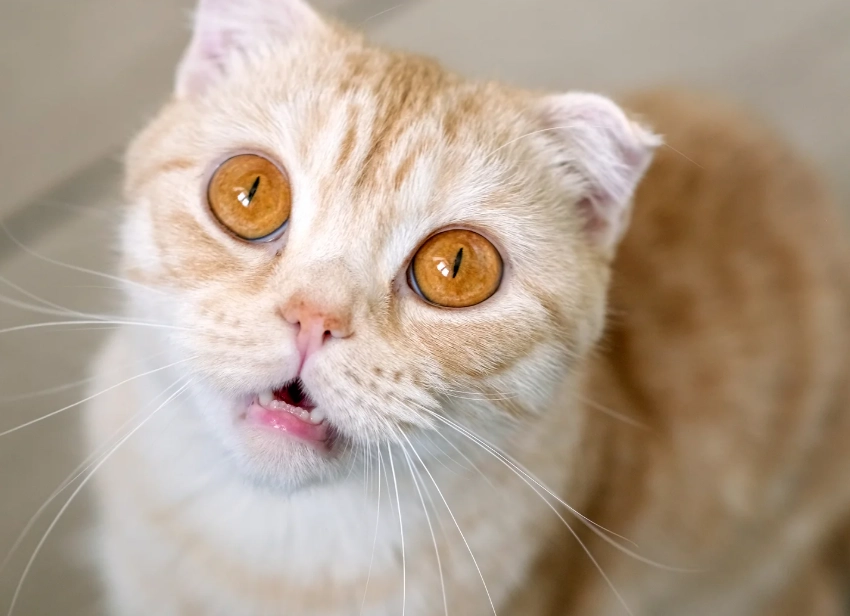
Your Questions Answered: Cat Breed FAQ
Wrapping up, the most popular cat breed changes with trends, but your perfect cat is about fit. Look beyond popularity—consider health, lifestyle, and adoption options. I've made mistakes myself, like choosing a breed for looks alone, and learned that a happy cat-owner relationship comes from understanding needs, not following crowds.
Got more questions? Drop a comment or reach out. I'm here to help you find your feline match.