Let's get this out of the way first. You're probably here because you heard Siberian cats are hypoallergenic. Maybe you're allergic but dream of a fluffy companion. That's a big part of their story, but it's not even half of it. Owning a Siberian is like having a piece of living Russian folklore in your home – a gentle giant with a wild heart and a surprisingly dog-like devotion.
I've lived with cats for over twenty years, including a magnificent Siberian named Misha for the last eight. What I learned from him, and from talking to breeders and vets, goes far beyond the standard breed description. There are nuances, little secrets, and a few things everyone seems to get wrong about these cats.
What You'll Discover
The Hypoallergenic Truth: Science vs. Hype
This is the headline feature, and it's where most of the confusion lies. Here's the non-negotiable fact: No cat is 100% hypoallergenic. Anyone promising you that is selling a fantasy. The term "hypoallergenic" means "below normal" or "slightly" allergenic. For Siberians, this appears to be true for many people, but it's a gamble, not a guarantee.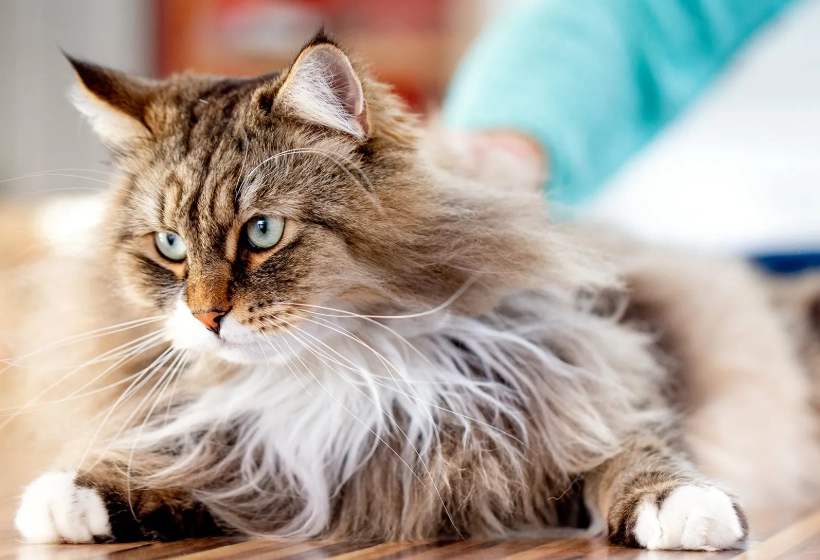
The science points to a specific protein called Fel d 1, produced in cat saliva and skin glands. When cats groom, this protein gets on their fur and becomes airborne. Some studies, like one referenced by the ASPCA in discussions on pet allergies, suggest that certain breeds may produce less of this allergen. Anecdotal evidence and preliminary research indicate Siberian cats often (but not always) produce lower levels of Fel d 1.
I've seen friends with moderate cat allergies react completely differently to Misha. One can bury their face in his fur with no issue. Another still gets itchy eyes after an hour. The variability is huge.
How Their Coat Plays a Role
Their legendary fur isn't just for show; it's a functional masterpiece. It's a triple-layer coat developed for surviving Siberian winters:
- Guard Hairs: The long, glossy topcoat that sheds water and dirt.
- Awn Hairs: The middle layer that provides insulation.
- Downy Undercoat: The dense, woolly layer closest to the skin for ultimate warmth.
This structure might help "trap" allergens closer to the skin compared to breeds with simpler coats, potentially reducing the amount shed into your environment. But again, it's the protein production that's the core issue.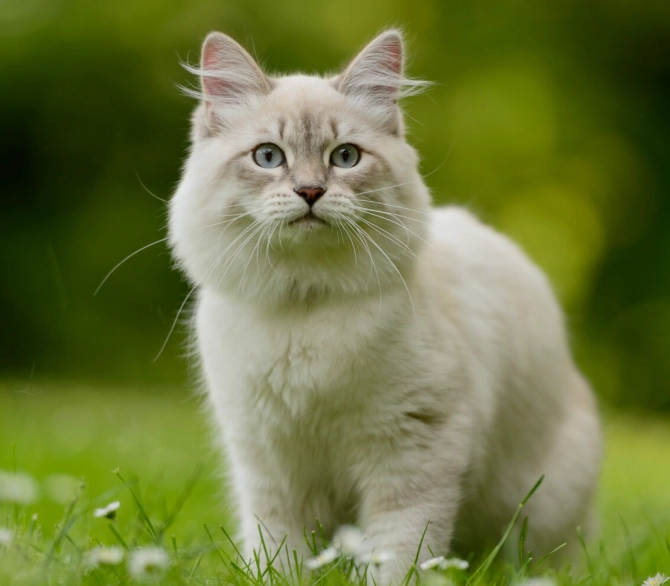
Personality Unpacked: The "Dog-Cat" of the Feline World
If the hypoallergenic trait gets you in the door, their personality will make you stay. Calling them friendly is an understatement. They are profoundly social, often choosing one or two people in the family as their special companions. Misha follows me from room to room, not in a needy way, but like a quiet supervisor.
They exhibit behaviors you rarely see to this degree in other cats:
- Greeting Rituals: They will meet you at the door. Not just sitting there, but chirping and trilling, weaving between your legs.
- Conversationalists: They have a wide vocabulary of chirps, trills, and meows used to communicate specific things, not just demand food.
- Water Fascination: Many Siberians are fascinated by running water. Don't be surprised if they try to join you in the shower or insist on drinking from the tap. Some theories link this to their wild ancestors needing to find fresh, flowing water.
- Loyalty: They form deep bonds. They want to be near you, often in the same room, content to just be part of the action.
But they aren't clingy lap cats in the traditional sense. They might sit beside you rather than on you. They appreciate their independence and love high vantage points. A sturdy cat tree is non-negotiable.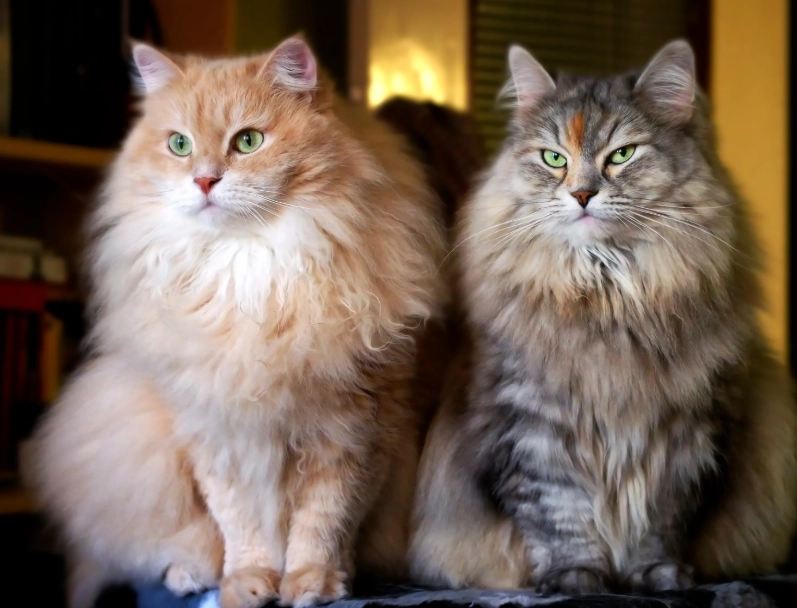
Surprisingly Low-Maintenance Fur: The Care Myth
You look at that luxuriant triple coat and think, "Nightmare to groom." Wrong. This is one of their best-kept secrets. Their coat texture is non-matting. Unlike Persians or other longhairs, the Siberian's fur is designed by nature to be functional and easy to maintain.
For most of the year, a thorough brushing 2-3 times a week is plenty. You'll need a good metal comb and a slicker brush. The real work comes during the bi-annual "blow" of their undercoat, usually in spring and fall. For a few weeks, you might need to brush daily to manage the incredible amount of soft down that comes out. Invest in a deshedding tool for this period.
>| Grooming Task | Frequency | Notes & Tips |
|---|---|---|
| Brushing | 2-3 times per week | Focus on armpits, belly, and behind the ears where mats can rarely form. |
| Nail Trimming | Every 2-3 weeks | Start young to get them accustomed. Their paws are large and powerful. |
| Ear Check/Cleaning | Weekly | Just a visual check. Clean only if you see wax buildup with a vet-approved solution. |
| Seasonal Deshedding | Daily during coat "blow" (2-4 weeks) | Use an undercoat rake. Be prepared for clouds of fur! |
| Bathing | Rarely (2-3 times a year max) | Their coat is self-cleaning. Bath only if they get into something sticky or dirty. |
Bathing? Almost never needed. Their coat has a slightly oily, water-resistant quality that repels dirt. Misha somehow always looks pristine, even after exploring the garden.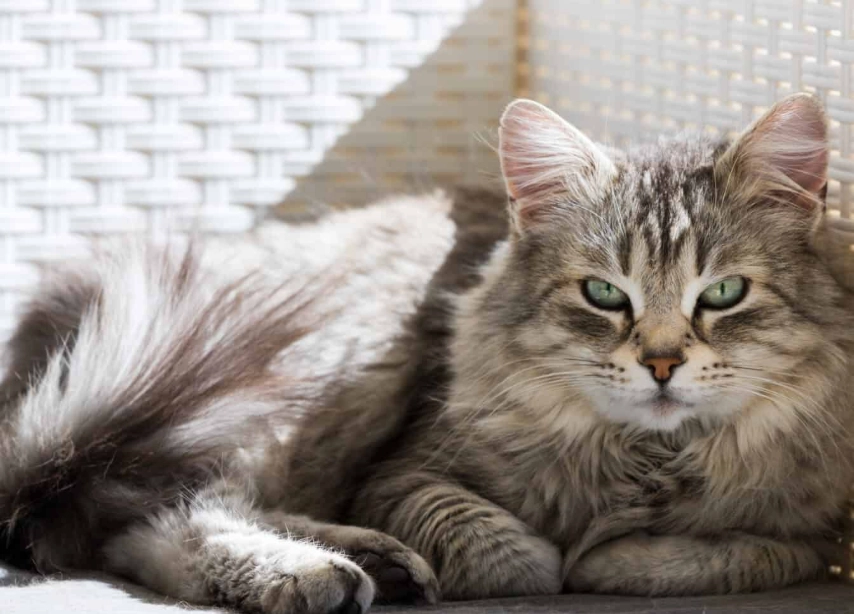
Health, Size, and Finding a Responsible Breeder
Siberians are a natural breed, which generally means fewer genetic issues than heavily manipulated breeds. They are slow to mature, reaching full size around 5 years old.
Size: They are substantial. Males typically weigh 15-20 pounds, females 10-15 pounds. It's not just fat; they are muscular and sturdy with strong bones. You feel their weight when you pick them up.
Lifespan: A healthy Siberian can live 12-15 years or more with proper care.
Main Health Screening: The primary genetic concern is Hypertrophic Cardiomyopathy (HCM), a heart disease. Any reputable breeder will have their breeding cats regularly screened by a veterinary cardiologist and provide you with proof. Ask for this documentation. Don't settle for vague assurances.
Other minor issues can include hereditary gum disease, so good dental care (like dental treats or brushing) is important.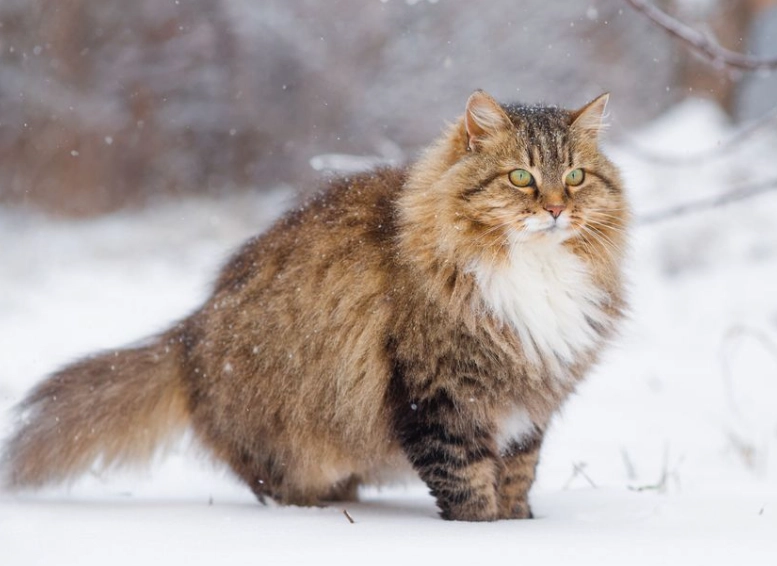
Is a Siberian Cat Right for You? The Honest Checklist
Don't get one just because they're pretty and "hypoallergenic." See if this fits your life.
You might be a great match if you:
- Want an interactive, communicative pet that's part of the family.
- Have mild allergies and have successfully spent 2+ hours in a home with a Siberian.
- Can commit to regular, though not arduous, grooming.
- Have space for a large, active cat to climb and play.
- Appreciate a cat with a calm, confident demeanor, good with respectful children and other pets.
Think twice if you:
- Have severe cat allergies and are banking on a miracle.
- Want a completely independent, aloof cat that ignores you.
- Are away from home for 10+ hours a day regularly. They get lonely.
- Are on a tight budget. Purebred kittens from ethical breeders are a significant investment ($1,200 - $2,500+), and their size means higher food and litter costs.
Your Siberian Cat Questions Answered
So, what's special about a Siberian cat? It's the whole package. It's the contradiction of a wild-looking coat that's easy to care for. It's the promise of companionship that feels deeper than the average feline bond. It's the hope they offer to allergy sufferers, tempered by the reality that they're still cats. They're not for everyone, but for the right person or family, a Siberian isn't just a pet; they become a legendary, furry cornerstone of your home.