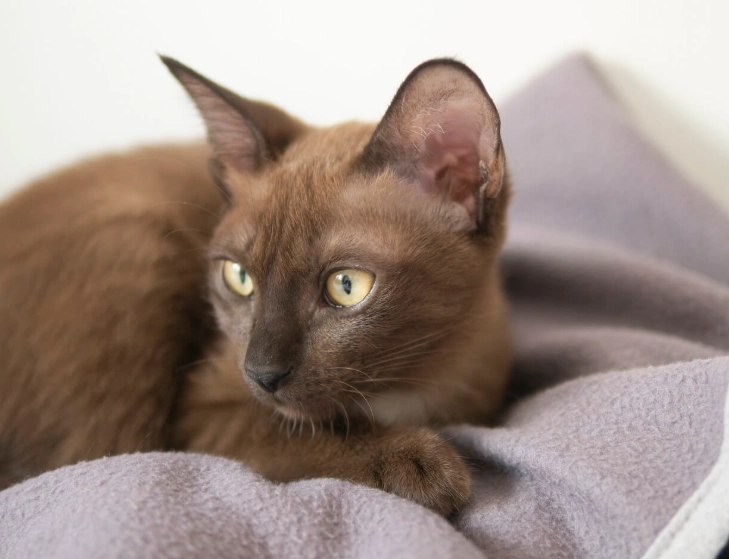
Let's clear something up right away. Searching for the "best" cat breed is like asking for the best ice cream flavor. It completely depends on you. Your lifestyle, your living space, your patience for grooming, and even your tolerance for chatter are what truly matter. A cat that's perfect for a quiet retiree might drive a busy family with toddlers up the wall.
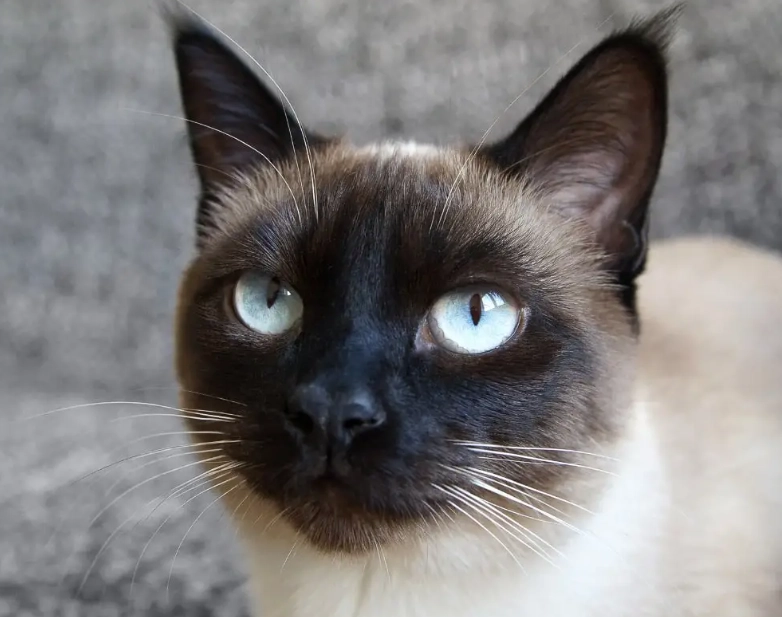
I learned this the hard way. Years ago, I fell for the stunning looks of a Siamese, drawn in by their elegance. I was not prepared for the operatic demands for attention at 5 AM. My mistake was prioritizing aesthetics over energy alignment. That experience shaped how I think about matching people with cats.
So, instead of a generic top 10 list, let's find your purrfect match by looking at breeds that excel in specific, real-life scenarios.
What's Inside?
The Family-Friendly Favorites (With Kids & Dogs)
You need a cat with the patience of a saint and the durability of a toy truck. The key here is a tolerant, easy-going temperament that won't spook easily or retaliate with claws.
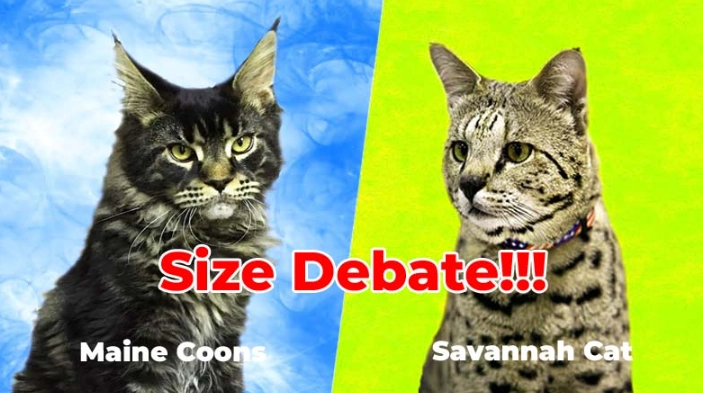
The Maine Coon is the quintessential family cat for a reason. They're massive, gentle, and often described as "dog-like." Many enjoy playing fetch and don't mind being carted around by enthusiastic little ones (within reason, of course). Their long, flowing coat requires commitment, though. Think 2-3 solid brushing sessions a week to prevent mats.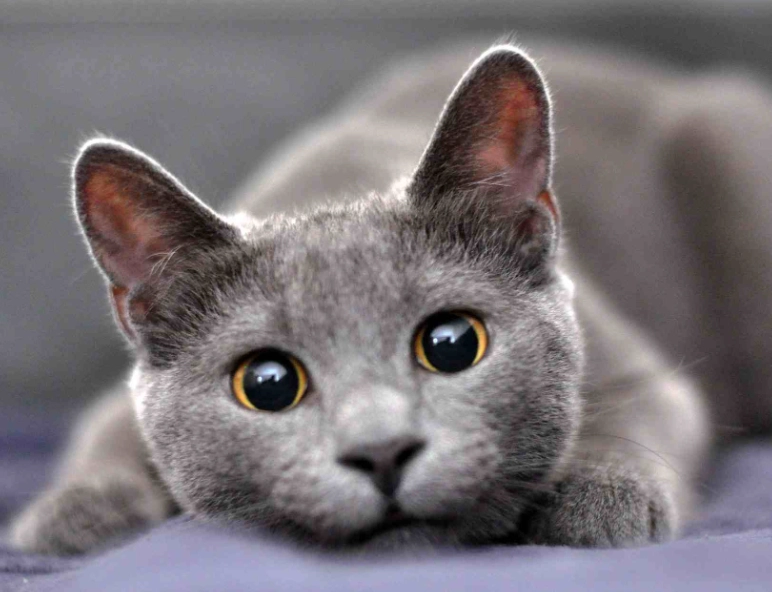
The Ragdoll lives up to its name. They tend to go completely limp when held, making them remarkably tolerant of cuddles. They are typically quiet, affectionate, and prefer to stay close to the ground rather than climbing your curtains. A common misconception is that they are fragile. They're not, but their laid-back nature means they might not defend themselves from an overly rambunctious puppy, so supervised introductions are non-negotiable.
Don't sleep on the American Shorthair. This is the sturdy, no-fuss workhorse of the cat world. Healthy, adaptable, and playful without being neurotic, they integrate into chaotic households beautifully. Their coat is, as the name implies, easy to care for.
Pro Tip from a Multi-Pet Home: Regardless of breed, always set up a "safe room" for your new cat—a quiet space with food, water, litter, and a tall cat tree where they can retreat from kids and dogs. Let them choose when to explore. Forcing interaction is the fastest way to create a fearful, reclusive cat.
Best Breeds for Apartment Living & First-Time Owners
Small space? New to cats? You need an adaptable, moderately energetic companion that won't feel cooped up or develop destructive habits out of boredom.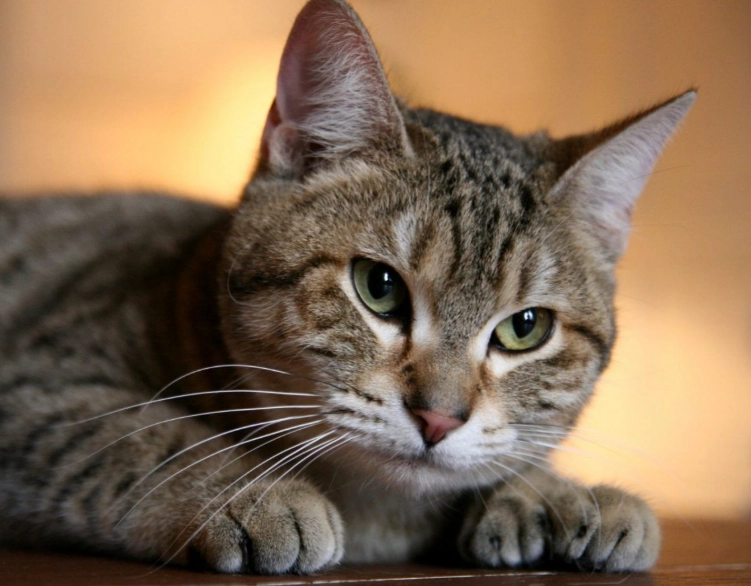
The British Shorthair is my top recommendation for first-time apartment dwellers. They are the epitome of a low-drama companion. Calm, undemanding, and content to observe the world from a sunny windowsill. They're not lap cats in the clingy sense, but they enjoy being near you. Their plush coat is deceptively easy—a weekly brush is usually enough.
The Scottish Fold (with the cute folded ears) has a sweet, quiet demeanor well-suited to calm apartments. A crucial note: only acquire a Fold from a reputable breeder who tests for osteochondrodysplasia, the genetic joint condition linked to the fold gene. This is where breed research becomes critical.
For someone who wants more interaction, an Abyssinian can thrive in an apartment if you commit to being their entertainment committee. They are clever, active, and need interactive play daily. Think feather wands, puzzle feeders, and maybe even leash training for hallway adventures. Without engagement, they'll create their own fun, which you might not appreciate.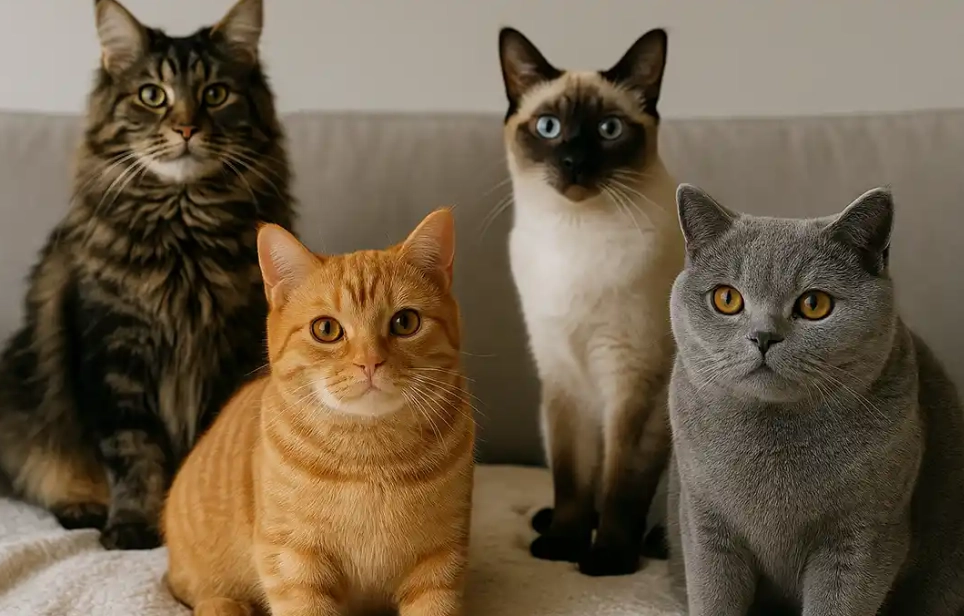
The Low-Maintenance Lineup (Shedding & Grooming)
"Low-maintenance" often means "less fur to deal with." But here's the expert twist: some low-shed cats require more maintenance in other areas.
| Breed | Shedding Level | The Real Grooming Commitment | Good to Know |
|---|---|---|---|
| Cornish Rex / Devon Rex | Very Low | Weekly wipe-down with a damp cloth. Their fine fur can get oily. | High energy, heat-seekers. Prone to getting cold. |
| Sphynx | None (No Fur) | Weekly bath to remove oily skin buildup. Ears need regular cleaning. | Not hypoallergenic (allergy is to saliva/skin). Need sunscreen/sweaters. |
| Russian Blue | Low to Moderate | Weekly brushing. Their dense double coat sheds seasonally. | Often shy with strangers but deeply loyal to family. |
| Siamese | Low | Weekly brushing is sufficient for their short coat. | High vocal maintenance. They will talk to you. Constantly. |
See the trade-off? A Sphynx saves you vacuuming but adds bath time. A Rex might not leave hair on your couch but may leave oily marks. The truly easiest cat grooming-wise is often a standard domestic shorthair with a healthy, simple coat.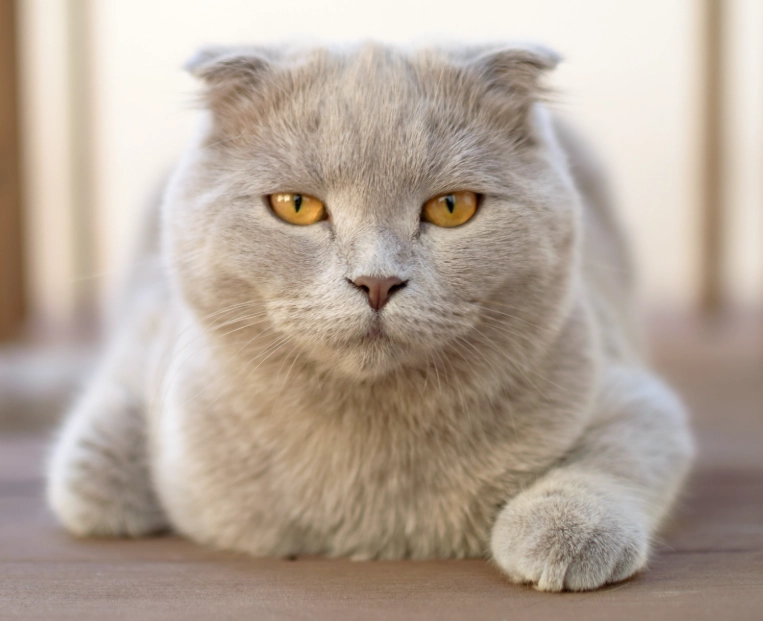
Beyond the Basics: Temperament & Care Deep Dive
Breeds are a blueprint, not a guarantee. Two cats from the same litter can have different personalities. However, genetics do set a range.
Energy Level: The Spectrum
On one end, you have the Bengal and Savannah (high-percentage). These are marathon runners. They need massive amounts of space, dedicated playtime, and mental stimulation. They are not for the faint of heart or for those who treasure fragile knick-knacks. On the other end, Persians and Exotic Shorthairs (their flat-faced cousins) are more like decorative pillows with a pulse. Sweet, but prone to breathing and eye issues due to their brachycephalic faces—a significant health consideration many overlook when admiring their cute faces.
The Vocal Crowd
If you love a conversation, Siamese and Oriental breeds are your match. If you value quiet, avoid them. The Birman or Chartreux are known for being relatively quiet.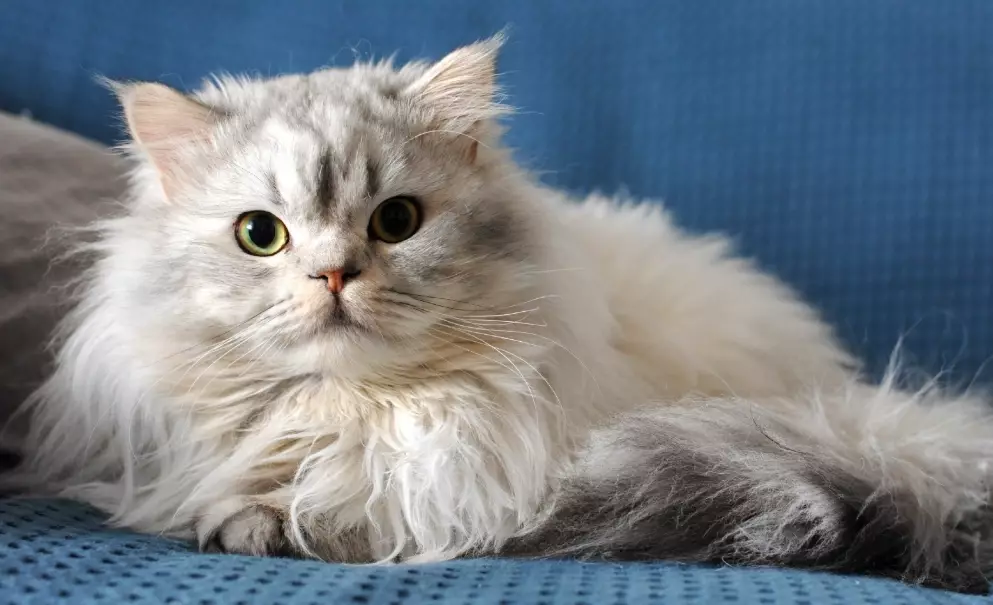
The Shelter Secret: Don't Overlook the Domestic
Here's my strongest non-consensus opinion: For most people, the absolute best cat is a mixed-breed adult or young adult from a shelter or foster-based rescue.
Why?
- Known Personality: Foster families can tell you exactly how the cat acts in a home. Is she good with dogs? Does he like kids? This is data you almost never get with a kitten, purebred or not.
- Health: Mixed breeds often have greater genetic diversity, potentially leading to fewer inherited disorders.
- You Save a Life: This isn't just sentimentality. It's a practical outcome with deep satisfaction.
Want a specific look? Shelters are full of stunning domestic longhairs that look like Maine Coon mixes, sleek shorthairs that resemble Russian Blues, and pointed cats with Siamese-like markings. You can find your aesthetic match while getting a cat whose personality is already revealed.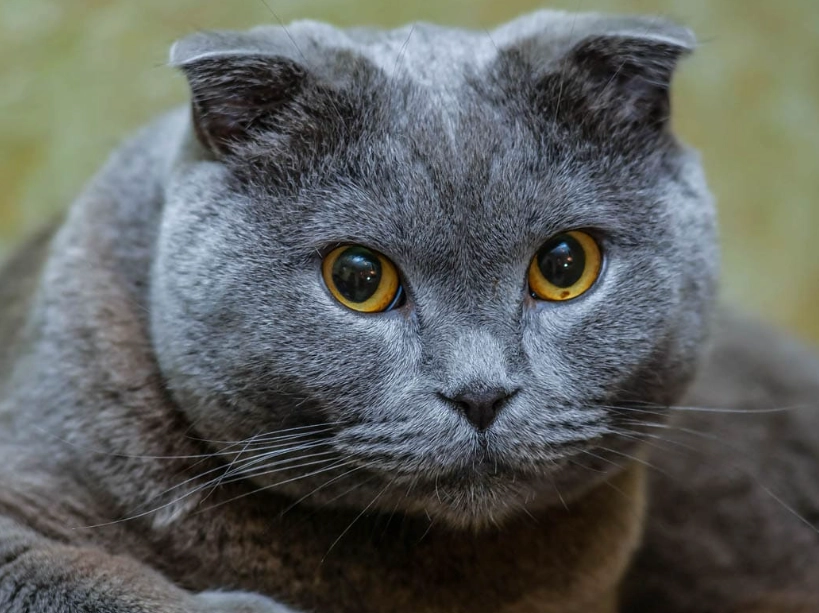
Your Cat Match Questions Answered
What is the best cat breed for a first-time owner living in an apartment?
For a first-timer in an apartment, you want a cat that's adaptable, not overly vocal, and moderately active. The British Shorthair is a top contender. They're famously calm, don't demand constant attention, and are content with indoor living and moderate play. Their plush coat is easy to care for. Another great option is the Ragdoll, known for their gentle, relaxed nature. They tend to go limp when held and are less likely to engage in destructive climbing or scratching frenzies in a smaller space. Just ensure you have vertical spaces like cat trees to satisfy their climbing instinct.
I want a cat that doesn't shed much. Which breeds are truly low-shedding?
No cat is completely non-shedding, but some breeds shed significantly less. The Cornish Rex and Devon Rex have very short, fine coats that shed minimally. The Sphynx, having no fur, obviously doesn't shed hair, but their oily skin requires weekly bathing to remove buildup. Here's the trade-off many overlook: these 'low-shed' breeds often need more frequent bathing or skin care than a typical shorthair. A Siberian or Balinese, while having longer hair, often produces less of the Fel d 1 allergen, which can be a bigger issue than shedding for some people. The real key is consistent grooming; even a 'high-shed' cat like a Maine Coon will shed less around your house if brushed daily.
Are some cat breeds naturally better with young children and dogs?
Yes, temperament is heavily influenced by breed. The Maine Coon is often called a 'gentle giant' for good reason. Their patient, dog-like personality makes them tolerant of children's antics and they often enjoy the company of other pets, including dogs. The Abyssinian is another surprisingly robust and playful choice that can keep up with active kids and engage in fetch games with dogs. However, the biggest factor is socialization. A well-socialized rescue domestic shorthair from a foster home that exposed them to kids and dogs will almost always be a better bet than a poorly socialized purebred of any 'friendly' breed. Always prioritize the individual cat's known history over general breed stereotypes.
The final word? The "best" cat breed is the one whose needs align perfectly with what you can consistently provide. Do your homework, meet cats in person if possible, and think beyond the kitten phase to the next 15-20 years. Whether from a responsible breeder or a local shelter, that thoughtful match is what leads to a truly best-in-class companionship.