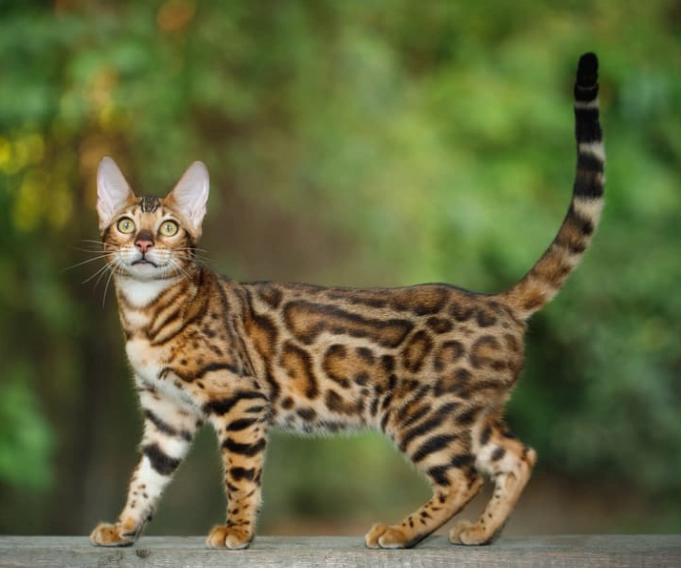
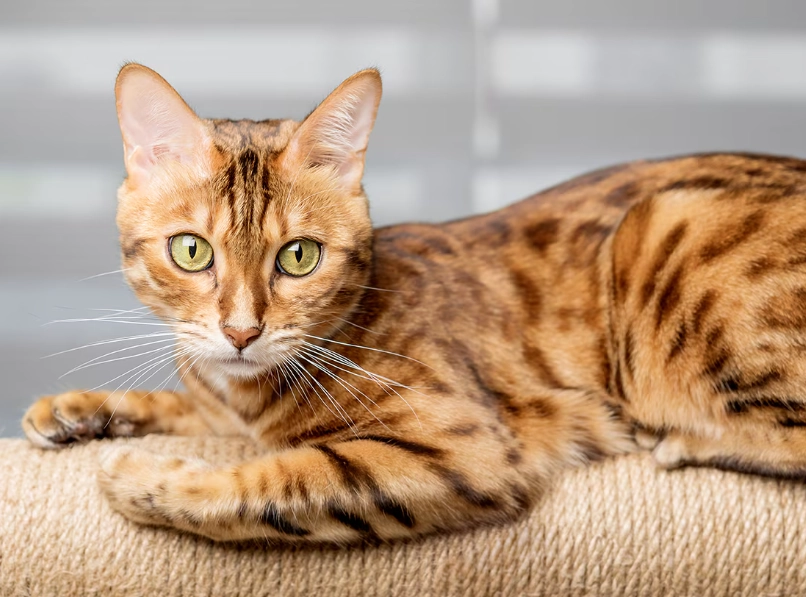
You've seen the stunning photos. The leopard-like rosettes, the glittering coat. But one question keeps popping up for potential Bengal cat owners, often after they've already fallen in love with the look: just how big do these cats get? The short answer is, bigger than your average house cat. Much bigger, in many cases. A full-grown Bengal cat is a substantial animal, with males typically weighing 10 to 15 pounds and females 8 to 12 pounds. But those numbers only tell part of the story. Their size isn't just about weight; it's about a long, muscular, and surprisingly dense physique inherited from their wild Asian leopard cat ancestors.
I remember visiting a friend who'd just gotten a Bengal kitten. She was a tiny, spotted handful. Fast forward two years, and that "handful" was a 14-pound powerhouse that seemed to occupy twice the space of her other cat. The coffee table became his personal runway. This is the reality check a lot of owners need. Understanding Bengal cat size is crucial, not just for curiosity, but for practical reasons—choosing the right cat tree, ensuring your home can accommodate their energy, and most importantly, keeping them healthy.
What You’ll Learn in This Guide
Bengal Cat Size: The Numbers Explained
Let's get specific. When we talk about Bengal cat size, we're looking at three key metrics: weight, length, and height. Forget the fluffy, round shape of a Persian. Bengals are built like athletes.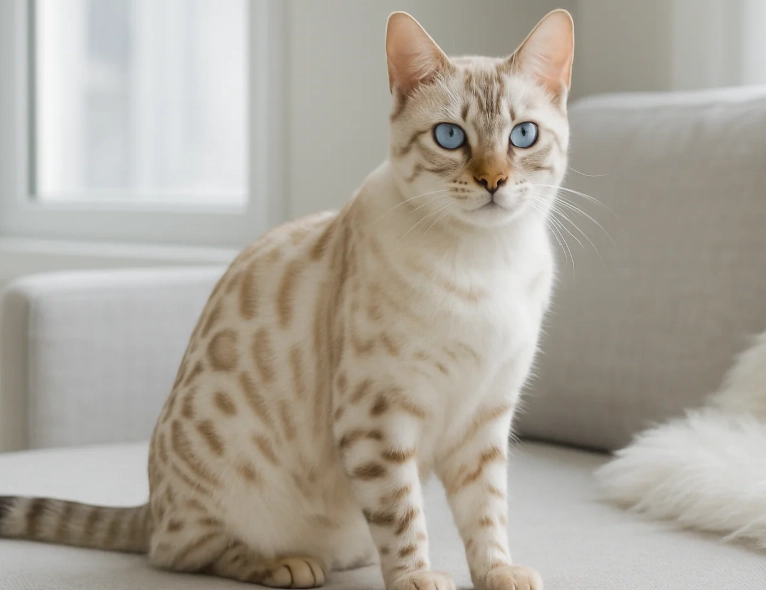
| Size Metric | Male Bengal Cat | Female Bengal Cat | Notes |
|---|---|---|---|
| Average Weight | 10 - 15 lbs (4.5 - 6.8 kg) | 8 - 12 lbs (3.6 - 5.4 kg) | Males are noticeably larger. Some intact males can reach 16-18 lbs. |
| Average Length (Nose to Tail) | 14 - 18 inches (36 - 46 cm) | 13 - 16 inches (33 - 41 cm) | This is body length only. The tail adds another 11-14 inches. |
| Height at Shoulder | 13 - 16 inches (33 - 41 cm) | 11 - 14 inches (28 - 36 cm) | Their long legs contribute to a tall, elegant stance. |
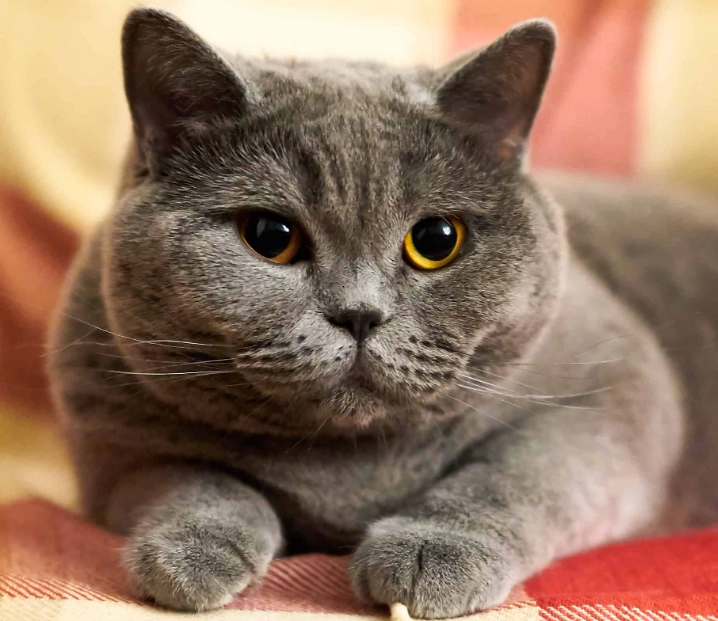
The weight range here is critical. A 15-pound Bengal looks and feels completely different from a 15-pound, less muscular cat like a British Shorthair. Bengals have a low body fat percentage and very dense muscle mass. Picking one up is always a surprise—they're heavier than they look. This muscular build is a direct legacy from the Asian leopard cat (Prionailurus bengalensis), the wild ancestor used in the breed's development. Breed standards, like those from The International Cat Association (TICA), emphasize this muscular, athletic appearance, not just a large frame.
A common mistake I see is owners panicking because their Bengal is lean and doesn't match the "chonky" cat ideal seen online. For a Bengal, a visible waistline behind the ribs and easily felt (but not seen) ribs are often signs of a fit cat, not an underweight one. The scale matters less than body condition.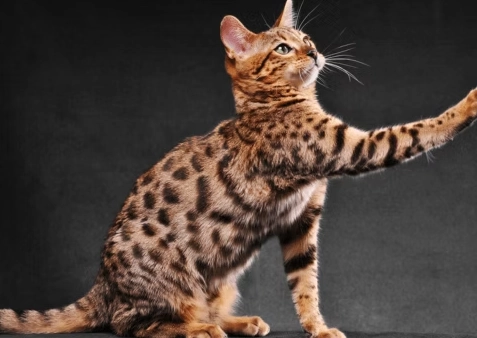
How Bengal Cat Size Compares to Other Breeds
To really grasp Bengal cat size, you need a point of reference. They aren't the largest domestic cat—that title usually goes to the Maine Coon or Savannah—but they consistently rank in the "medium-large" to "large" category.
Here’s a quick mental comparison:
- Vs. Maine Coon: Maine Coons are bigger overall, often weighing 13-18+ pounds with a shaggy coat that makes them look even larger. Bengals are more streamlined and dense.
- Vs. Domestic Shorthair (DSH): Your average DSH weighs 8-10 pounds. A male Bengal can be 50% heavier, with a much longer body and more powerful legs.
- Vs. Siamese: No contest. Siamese are sleek and light (6-10 lbs). A Bengal is in a different weight class entirely, both physically and in terms of energy output.
- Vs. Abyssinian: Another athletic breed, but Abyssinians are petite (6-10 lbs). They're the marathon runners; Bengals are the decathletes—powerful and built for explosive movement.
This comparative size has practical implications. A cat tree suitable for a regular cat might feel wobbly or cramped for a full-grown Bengal. They need sturdy, large platforms. Their water bowl might get flipped more easily because they put more power into their movements. It's a factor in every piece of pet equipment you buy.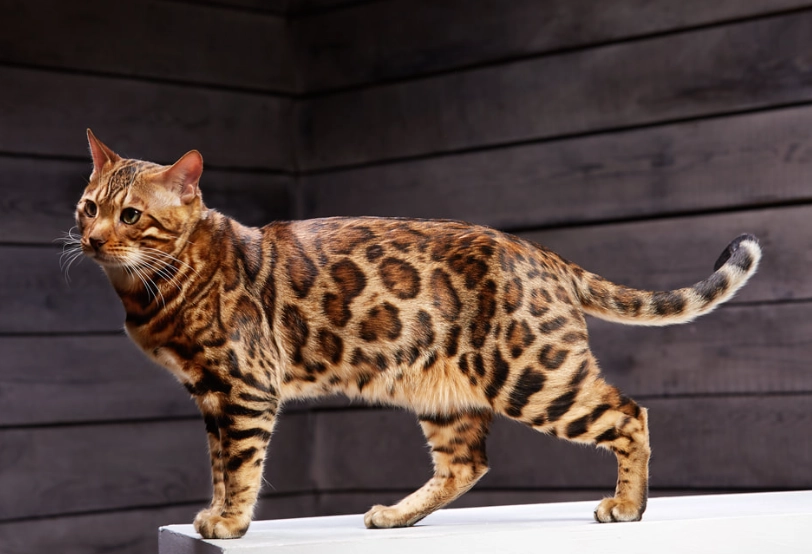
The Bengal Cat Growth Stages & Timeline
Bengals don't just wake up one day at 15 pounds. Their growth has distinct phases, and it takes longer than many breeds. This extended growth period can trick owners into overfeeding.
Kittenhood (0 - 6 Months)
Rapid growth. They'll gain about 1 pound per month. They're all legs and ears, incredibly bouncy and clumsy. This is when their bone structure is being laid down. High-quality kitten food is non-negotiable.
Adolescence (6 Months - 2 Years)
This is the key phase where most owners get confused. They hit their "teenage" lanky stage around 8-10 months, looking a bit skinny and stretched out. Don't panic and start piling on the food. Between 1 and 2 years, they slowly fill out, developing the characteristic Bengal muscle mass. Males continue growing in size and bulk until they are 2, sometimes even 3 years old.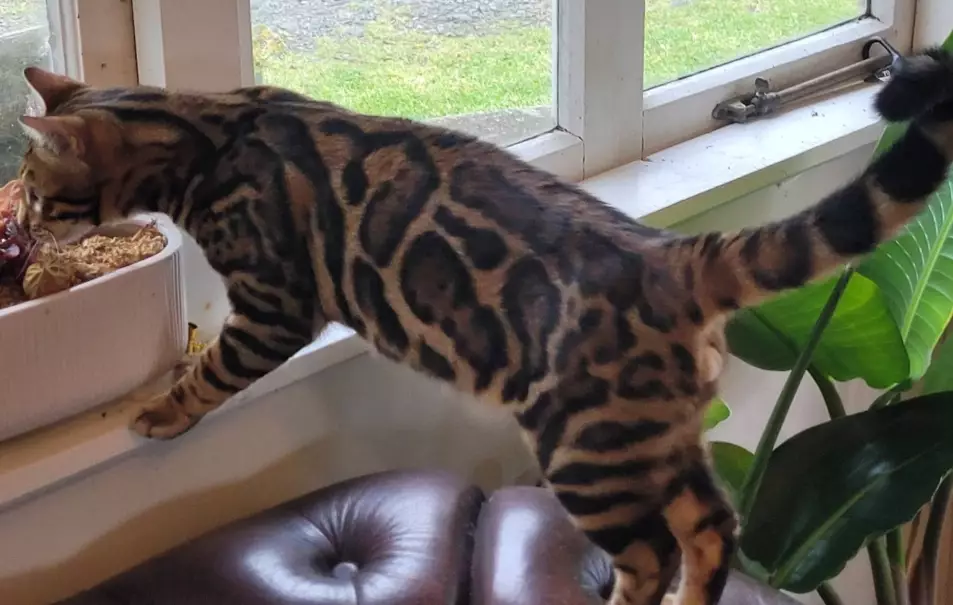
Adulthood (2 Years and Beyond)
Growth in height and length stops. Weight can still fluctuate based on activity and diet. This is the maintenance phase. Your job shifts from supporting growth to preventing weight creep, which is a major health risk for any large, muscular cat—it puts stress on their joints and heart.
What Factors Influence a Bengal's Size?
Why is one Bengal 10 pounds and another 15? It's not random. Several factors are at play:
- Genetics & Lineage: This is the biggest one. Bengals from lines bred closer to foundation stock (early-generation Bengals) can have a slightly different, sometimes more "wild" structure. Reputable breeders select for healthy, breed-standard size. Ask your breeder about the size of the parents—it's the best predictor.
- Sex: As the table shows, males are consistently larger. The difference isn't subtle.
- Neutering/Spaying: Altered cats have a slower metabolism and are prone to weight gain if their diet isn't adjusted. However, the notion that neutering stunts growth is a myth. It may slightly alter the timing of growth plate closure, but the genetic potential for size remains.
- Diet & Nutrition: A kitten fed a poor-quality diet may not reach its full genetic size potential. An adult fed too much will become obese, not healthily large. Muscle mass requires high-quality protein.
- Generation (F1, F2, F3, SBT): Early generations (F1, F2) are often larger-boned but are almost never sold as pets due to complex care needs. The pet Bengals you encounter are SBT (Stud Book Tradition), many generations removed, and their size falls within the standard ranges discussed.
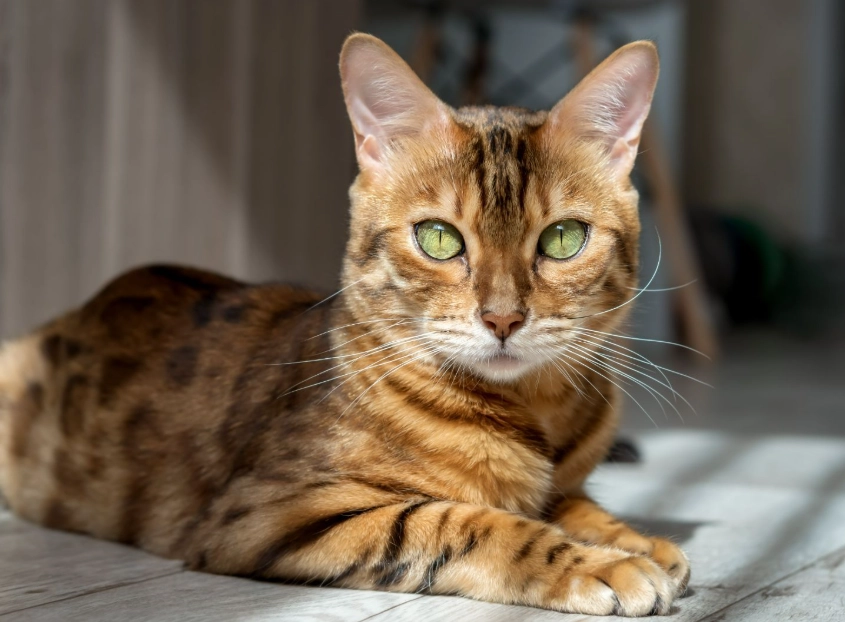
Managing Your Bengal's Size for a Healthy Weight
Owning a large, active cat means being proactive about weight management. A fat Bengal is an unhealthy Bengal, prone to diabetes, arthritis, and heart disease. Here’s how to keep them in championship form:
1. Measure Food, Don't Guess. Free-feeding is a recipe for disaster with most Bengals. Use a measuring cup or a kitchen scale. Follow the guidelines on your high-protein, high-quality cat food, but treat them as a starting point. Your cat's metabolism is unique.
2. The Body Condition Score (BCS) is Your Best Tool. Forget the scale alone. Learn to assess your cat physically. You should be able to easily feel their ribs with a slight fat covering (like the back of your hand). They should have a visible waist when viewed from above and a tucked abdomen when viewed from the side. Your vet can show you how.
3. Prioritize Protein and Play. Bengals need protein to maintain muscle, not fat. Look for foods where a named meat (chicken, salmon) is the first ingredient. More importantly, channel their size and energy into daily, vigorous play sessions. A tired Bengal is a happy Bengal, and play keeps muscles toned and calories burning. A feather wand, laser pointer (always end with a tangible treat or toy), and puzzle feeders are your friends.
4. Schedule Regular Vet Check-ups. At least once a year. Your vet will track their weight trend and body condition, catching any slow creep you might miss day-to-day.