What You’ll Find in This Guide
- From a Dream to Reality: The Origins of the Bombay Cat
- The Bombay Cat Standard: What Makes a Bombay a Bombay?
- Personality: The "Dog-Cat" Reputation is Real
- Caring for Your Miniature Panther: Diet, Grooming, and Environment
- Bombay Cat Health: What to Watch For
- Bombay Cat vs. Black Cat: What's the Difference?
- Finding and Bringing Home a Bombay Cat
- Final Thoughts: Is the Bombay Cat Right for You?
So you've seen a picture of a cat that looks like a tiny panther, all sleek and shiny black, with these mesmerizing copper eyes that seem to look right through you. That's probably a Bombay cat. Or maybe it's just a very photogenic black cat. It's a common mix-up, and honestly, one that drives Bombay enthusiasts a bit nuts. I remember talking to a breeder once who sighed and said, "Everyone thinks their black cat is a Bombay. It's like thinking every brown dog is a Labrador."
Let's clear that up right from the start. The Bombay cat is a specific, man-made breed, designed to resemble a miniature black leopard. It's not just any black cat with yellow eyes. There's a whole history and a specific set of standards behind that gorgeous exterior. And the personality? That's where the breed really shines, or maybe I should say, where it really purrs. If you're thinking about welcoming one of these panther-like felines into your home, or you're just plain curious, you've come to the right place. We're going to dive deep into everything Bombay.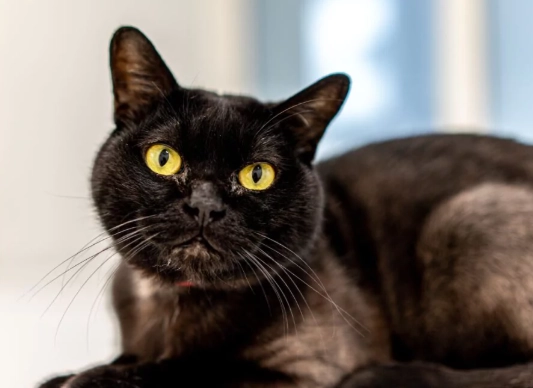
From a Dream to Reality: The Origins of the Bombay Cat
The story of the Bombay cat starts not in India, as the name suggests, but in Louisville, Kentucky, in the 1950s. A breeder named Nikki Horner had a vision. She wanted to create a cat that looked like a "miniature black panther." Can you imagine setting out with that goal? It sounds like something from a comic book.
Her recipe was specific. She crossed a sable Burmese—known for its compact, muscular body and incredibly friendly nature—with a black American Shorthair, which contributed the deep, jet-black coat color. It took several generations of selective breeding to lock in the traits she was after: that unmistakable glossy black coat, the solid, muscular build, and most importantly, that consistent, outgoing personality. The Cat Fanciers' Association (CFA) finally granted the Bombay cat full championship status in 1976. You can read about the official breed standard on the CFA's Bombay breed profile, which details the exact specifications judges look for.
It's a classic American success story, really. A clear goal, careful planning, and a beautiful, unique creature as the result.
The Bombay Cat Standard: What Makes a Bombay a Bombay?
This is where we separate the true Bombays from the look-alikes. Breed standards can seem picky, but they exist to preserve the health, temperament, and distinct look of a breed. For the Bombay, every detail contributes to that "mini-panther" illusion.
The Head and Face: Sweet and Round
Forget angular, wild cat faces. The Bombay has a wonderfully sweet and rounded face. No sharp angles. Their skull is rounded, the muzzle is short and blunt, and they have a strong chin. It gives them a perpetually pleasant, almost smiling expression. The ears are medium-sized, set wide apart, and slightly rounded at the tips. But the real showstoppers are the eyes.
Those Eyes: Copper Pools
The eye color is non-negotiable for a show-quality Bombay. They must range from gold to deep, penetrating copper. No green, no yellow-gold. Just rich, warm copper. They're large, round, and set far apart. When the light hits them just right, they glow. It's a stunning contrast against the black fur and is a major part of the breed's signature look.
The Body: Deceptively Heavy
This is the "mini-panther" part. The Bombay cat has a medium-sized body that feels much heavier than it looks when you pick it up—they're surprisingly dense. It's all muscle, no fluff. The body is sleek and elegant, not bulky, with a level back. The legs are proportionate and muscular, with neat, rounded paws. The tail is straight, medium in length, and doesn't taper too much.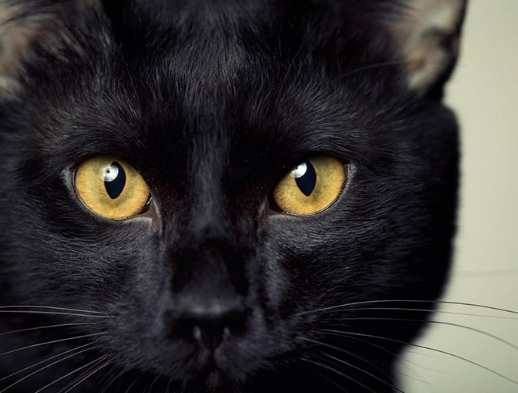
The Coat: Patent-Leather Black
This is the star of the show. The coat is short, fine, and lies incredibly close to the body. It has a unique, satin-like texture and a high-gloss shine that looks like patent leather. The color is solid black from the roots to the tip of every single hair. No white lockets, no ghost tabby markings, no rusty tinges in the sunlight. Just pure, dense black. This glorious coat is surprisingly low-maintenance, which we'll get to later.
The overall impression should be one of a sleek, powerful, yet friendly black cat. It's a specific look that careful breeding has achieved.
Personality: The "Dog-Cat" Reputation is Real
If the looks get your attention, the personality will steal your heart. People don't call the Bombay a "dog in a cat's body" for nothing. This reputation is almost universal among owners and is a huge reason people seek out the breed.
Bombay cats are famously, almost relentlessly, social and people-oriented. They don't just tolerate your company; they crave it. We're talking velcro-cat levels of attachment. A Bombay will likely follow you from room to room, not out of anxiety, but out of pure interest in what you're doing. Want to read a book? Great, they'll curl up on your lap. Cooking dinner? Perfect, they'll supervise from the kitchen island. Working at your desk? Ideal, they'll park themselves on your keyboard. This isn't aloof cat behavior—this is "you are my whole world" behavior.
They are highly intelligent and playful well into adulthood. Many Bombays love playing fetch with small toys or crumpled paper. They learn their names quickly, and some can even be taught simple tricks like "sit" or "high five," especially if motivated by a favorite treat. Their voice is usually soft and pleasant, not loud or demanding, though they will "talk" to you in little chirps and meows to converse.
They tend to get along wonderfully with children, other cats, and even cat-friendly dogs. Their playful, gentle nature makes them great family pets. They're more likely to greet a guest at the door than to hide under the bed.
But here's a personal observation from chatting with owners: not every single Bombay is an extroverted cuddlebug. I've heard from a few people whose Bombays are more selective with their affection, preferring one particular person or having more independent streaks. Breeding lines can vary. However, the overwhelming majority lean hard into that stereotypical, clingy, loving personality. If you want an aloof, independent cat that does its own thing, a Bombay is probably the worst possible choice for you. Seriously.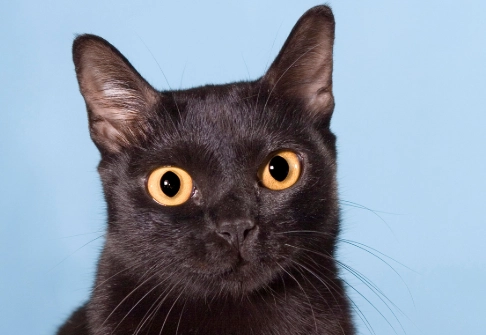
Caring for Your Miniature Panther: Diet, Grooming, and Environment
Caring for a Bombay is generally straightforward, but their specific traits mean a few things need special attention.
Grooming: Easier Than You Think
That gorgeous coat is a breeze to maintain. A weekly once-over with a rubber grooming brush or a soft bristle brush is usually enough to remove loose hairs and distribute skin oils to keep that signature shine. They shed, but it's less noticeable than with long-haired cats because the hairs are short. Of course, because the hair is black, it will show up on light-colored furniture and clothing! That's just physics.
During seasonal changes, you might need to brush them a bit more frequently. The rest is basic cat care: regular nail trims, ear checks, and dental hygiene. Getting them used to tooth brushing as a kitten is a fantastic long-term health investment.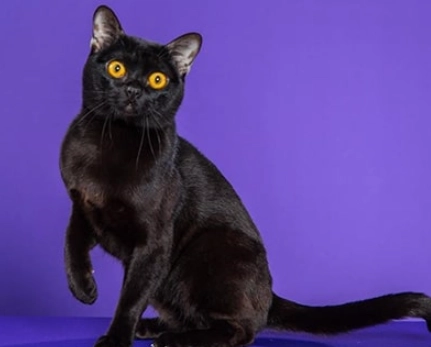
Diet and Nutrition: Watch the Waistline
Bombays have a hearty appetite and a muscular build that can easily tip into obesity if their diet isn't managed. They are not particularly prone to specific food allergies, but like all cats, they are obligate carnivores and need a high-quality diet rich in animal protein.
- Feed measured meals, not free-feeding. This helps you control their calorie intake.
- Choose wet food, dry food, or a combination, but ensure the primary ingredients are named meat sources (chicken, turkey, fish).
- Consult with your vet to determine the right portion size based on your cat's age, activity level, and whether they are spayed/neutered.
- Because they are so food-motivated, puzzle feeders are an excellent way to slow down eating and provide mental stimulation.
Environmental Needs: Stimulation is Key
A bored Bombay is a mischievous Bombay. Their intelligence and energy need an outlet.
Must-Have Items for a Bombay Cat Home:
- Tall, sturdy cat trees: They love to climb and survey their domain from up high. Scratching posts are essential for claw health.
- Interactive toys: Wand toys, laser pointers (used responsibly, always ending with a physical toy they can "catch"), and balls they can chase.
- Window perches: Bird-watching is a prime-time activity. Consider a bird feeder outside a safe window for hours of entertainment.
- Puzzle toys and treat dispensers: To engage their clever brains.
- Cozy beds in social areas: They want to be where you are, so give them comfortable spots near your favorite chair or on the couch.
This breed is strictly indoor-only. Their trusting nature and lack of street smarts make them vulnerable outdoors. Also, their black coat can make them hard to see at night, increasing the risk of accidents.
Bombay Cat Health: What to Watch For
Overall, the Bombay is considered a robust and healthy breed with a typical lifespan of 12-16 years, sometimes longer with excellent care. However, like all purebred cats, they have a predisposition to certain genetic health conditions. Responsible breeders test for these.
Common Health Considerations
- Hypertrophic Cardiomyopathy (HCM): This is the most common form of heart disease in cats, where the heart muscle thickens. It can affect Bombays due to the Burmese ancestry. Reputable breeders screen their breeding cats with echocardiograms. Ask a breeder for proof of HCM testing. The Cornell Feline Health Center provides an excellent overview of HCM.
- Craniofacial Defect: A severe, sometimes fatal genetic defect linked to the Burmese head shape. It occurs when two cats carrying the "Burmese head defect" gene are bred. Ethical breeders avoid breeding carriers, so this is rare in well-managed lines.
- Excessive Tearing (Epiphora): Some Bombays can have slightly shorter tear ducts or facial structure that leads to more eye discharge. This isn't a disease, just a maintenance issue. It can stain the fur under the eyes. Gently wiping the area daily with a soft, damp cloth can manage it.
- Gum Disease (Gingivitis): They can be prone to dental issues. Regular teeth brushing and veterinary dental check-ups are crucial.
The best defense is a good offense: choose a breeder who does genetic health screening and provides health guarantees, keep up with annual vet check-ups, maintain a healthy weight, and provide good dental care.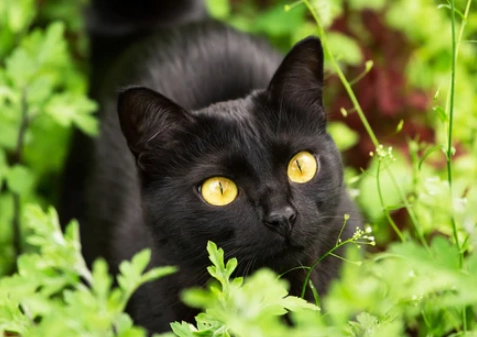
Bombay Cat vs. Black Cat: What's the Difference?
This is the big question. All Bombays are black cats, but not all black cats are Bombays. Let's break it down in a way that's easy to see.
| Feature | Bombay Cat | Other Black Domestic Cats |
|---|---|---|
| Coat Color & Texture | Solid, jet black to the root. Unique "patent leather" shine, very fine and satiny. | Black, but may have faint tabby markings ("ghost striping"), white hairs, or a rusty brown cast in sun. Texture varies widely (coarse, fluffy, etc.). |
| Eye Color | Only copper to gold. Deep, uniform color is a breed requirement. | Can be any color: green, yellow, gold, orange, copper, or even blue (in odd-eyed cats). |
| Body Type | Muscular, sleek, medium-sized. Feels surprisingly heavy for its size. Rounded contours, no angles. | Body type is not standardized. Can be lanky, stocky, large, or small. |
| Head & Face | Distinctly rounded. Short muzzle, full cheeks, strong chin. Sweet expression. | Face shape varies greatly (wedge-shaped, round, triangular). |
| Pedigree | Has official registration papers tracing lineage to recognized Bombay/Burmese lines. | No pedigree. May be a mix of many unknown breeds. |
| Typical Personality | Consistently very social, affectionate, people-oriented, playful, dog-like. | Personality is individual and unpredictable. Can range from aloof to affectionate. |
The bottom line? If you don't have papers from a reputable registry like CFA or TICA, you have a black domestic shorthair (or longhair), which is a wonderful thing! But it's not a Bombay cat. The breed is defined by a specific combination of physical traits and predictable temperament, backed by generations of selective breeding.
Finding and Bringing Home a Bombay Cat
This is the most important step. Doing it right means supporting ethical practices and getting a healthy, well-socialized kitten.
Choosing a Reputable Breeder
Avoid pet stores and online marketplaces like Craigslist. These often source from kitten mills or backyard breeders who don't prioritize health or temperament. A good breeder is your partner in bringing a healthy cat into your life.
Red Flags: Willing to sell you a kitten without meeting you. Has multiple litters available at all times. Won't let you see where the cats live (the mother cat should be on-site). Doesn't ask you any questions. No health guarantees or contracts. Kittens go home before 12-14 weeks of age.
Green Flags: Asks you detailed questions about your home, lifestyle, and cat experience. Welcomes visits (often after an initial application). Has the kittens raised underfoot in the home, not in a cage or isolated room. Provides registration papers, a detailed health record (vaccinations, deworming), and a written health guarantee. The cats/kittens appear clean, healthy, and sociable. They are members of breed clubs. They will take the cat back at any point in its life if you cannot keep it—this is a huge sign of a responsible breeder.
Expect to be on a waitlist. Good breeders don't have litters constantly. The cost for a Bombay kitten from a reputable breeder typically ranges from $800 to $2,500, depending on lineage, location, and whether it's pet-quality (not for breeding/showing) or show-quality.
Considering Adoption or Rescue
While purebred Bombays in shelters are rare, it's not impossible. Sometimes cats are surrendered due to life changes. Check with breed-specific rescue organizations. You can also search Petfinder and use "Bombay" as a keyword, but be cautious—many black cats are mislabeled as Bombays. Ask the shelter about the cat's known history and observed personality. You might find a wonderful cat with a Bombay-like personality, which is the most important part for many people.
Final Thoughts: Is the Bombay Cat Right for You?
Let's be brutally honest. The Bombay cat isn't for everyone. It's a breed that asks for a lot—your time, your attention, your lap space. If you travel frequently, work long hours outside the home, or simply prefer a more independent feline roommate, you will likely frustrate both yourself and the cat.
But.
If you want a shadow, a constant companion who will greet you at the door, make you laugh with their antics, and insist on being involved in every aspect of your day, then the Bombay might just be your perfect match. They offer a unique combination of exotic, panther-like beauty and the heart of a devoted, playful best friend. They turn the stereotype of the aloof cat on its head.
Do your homework. Find that ethical breeder who prioritizes health and temperament above all else. Be prepared to wait. And if you do bring one of these miniature panthers into your life, be ready for a decade or more of unwavering, velvety-black affection. It's a pretty special trade.
Just make sure you have a good lint roller. The black fur, Bombay or not, is going to get everywhere.