Quick Guide
- What Makes an Orange Siberian Cat So Special? Beyond the Fur.
- The Not-So-Fluffy Side: Caring for Your Orange Floof
- Health and Lifespan: What to Expect with Your Orange Companion
- Finding Your Siberian Cat Orange: Breeder vs. Rescue
- Living Together: The First Year and Beyond
- Your Burning Questions Answered (FAQs)
- The Final Word: Is an Orange Siberian Cat Right for You?
Let's be honest. You probably saw a picture online. A massive, fluffy cloud of vibrant orange fur, with eyes like green gems, looking both regal and slightly mischievous. That image stuck. Now you're down a rabbit hole, searching for "Siberian cat orange" and wondering if this majestic creature could actually be your next roommate. I get it. I was there too, years ago. The allure is powerful.
But here's the thing everyone glosses over in those cute photos: a Siberian cat, especially a fiery orange one, isn't just a living teddy bear. It's a commitment to a specific kind of pet personality and a fair bit of maintenance. This guide isn't a fluffy sales pitch. It's the down-to-earth, sometimes messy, reality of living with an orange Siberian cat, packed with everything I wish I'd known before I got mine, Igor.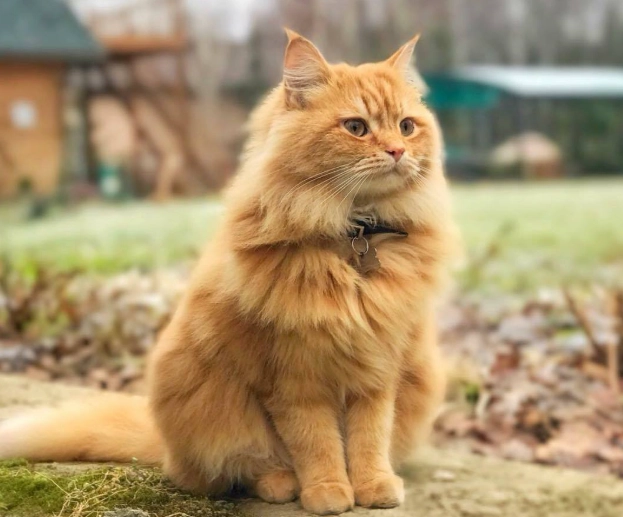
The Core Truth: The Siberian orange cat is a color variation of the ancient Siberian Forest Cat breed. The color doesn't change their core breed traits—the legendary hypoallergenic reputation, the triple-layer coat built for Russian winters, the dog-like loyalty. It just makes them look like a spectacular autumn sunset with paws.
What Makes an Orange Siberian Cat So Special? Beyond the Fur.
First, let's unpack what "orange" really means here. In cat fancy terms, it's called "red" or "ginger." This color is carried on the X chromosome. That's why you'll see more male orange Siberians than females—it's genetics in action. A male only needs one "orange" gene, while a female needs two. So, if you find a female Siberian cat orange, she's a bit more of a genetic rarity.
The shade can vary wildly, which is part of the fun. You get everything from a pale, creamy apricot to a deep, burnt marmalade. Some have classic tabby stripes (mackerel or classic blotched patterns), while others might have a more solid, smoldering look, though a completely stripe-less solid red is less common in Siberians.
My Igor is a classic brown mackerel tabby, but the "brown" is so warm and rich it reads as deep orange in the sun. His stripes are like charcoal on a pumpkin. When he was a kitten, the orange was much lighter, almost peach-colored. It deepened dramatically by his second year. Don't be surprised if your cat's color changes a bit as they mature.
But the coat is just the wrapping paper. The real gift is the personality packed inside that fluffy orange body.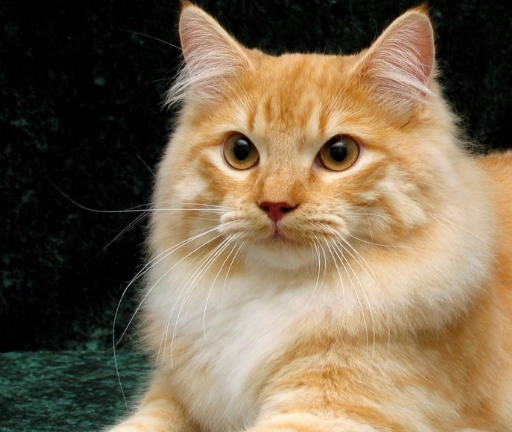
The Siberian Orange Cat Temperament: Clown, Counselor, and Shadow
Forget aloof. Siberian cats are famously people-oriented. They have this incredible balance of independence and affection. They'll follow you from room to room, not necessarily to be on your lap every second (though many will), but to be involved. Cooking? They're supervising from the kitchen island. Working? They're draped over the back of your chair. Watching TV? They're presenting their fluffy orange belly for a limited-time-only rub session.
They're intelligent and often problem-solvers. Igor learned how to open lever-style door handles. It was less charming at 3 AM. They enjoy puzzle feeders and can even learn tricks like fetch. Yes, fetch. A fluffy orange Siberian cat trotting back with a toy mouse is a sight to behold.
Now, the famous hypoallergenic claim. This is the big one. Many people seek out Siberians because they produce lower levels of the Fel d 1 protein, a common allergen, compared to other breeds. Organizations like Siberian Research have published data on this. But here's the crucial disclaimer: No cat is 100% hypoallergenic. "Lower levels" doesn't mean "allergy-free." If you have severe allergies, you MUST spend time with a Siberian before committing. The only way to know is direct exposure. I have mild allergies and react to some cats, but not to Igor. My friend with more severe asthma still needed her inhaler around him. It's a gamble, not a guarantee.
The Not-So-Fluffy Side: Caring for Your Orange Floof
This is where dreams of low-maintenance furballs crash into reality. That magnificent triple coat is a marvel of nature. It's also a shedding machine. For about 9 months of the year, it's manageable with weekly brushing. But during the spring and fall sheds? You're in the fur-pocalypse.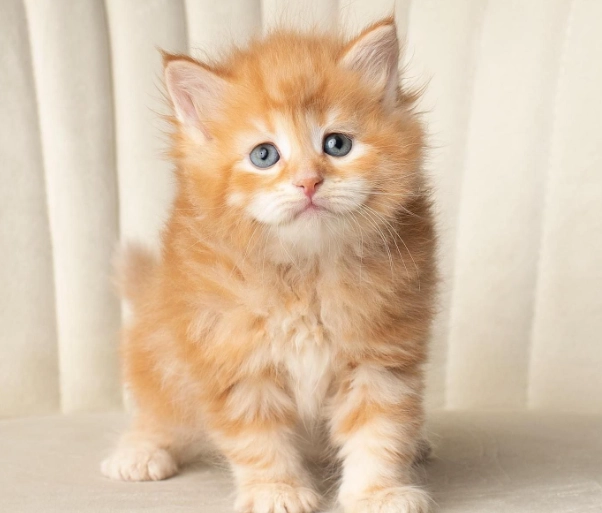
Grooming Reality Check: You'll need a sturdy metal comb, a slicker brush, and an undercoat rake. During peak shedding, you might be brushing every other day. The good news? Their coat is surprisingly resistant to matting compared to other longhairs, thanks to the oily, water-resistant top coat. But neglect it, and you will get mats, especially in the armpits and behind the ears.
Let's talk about the other essentials. I've found a breakdown table helps to visualize the commitment.
| Care Aspect | What a Siberian Orange Cat Needs | Personal Tip / Pitfall |
|---|---|---|
| Nutrition | High-protein, high-quality wet food is ideal. They are large, active cats. Dry food alone often leads to weight gain and dehydration. | Igor turned his nose up at several premium brands. Finding the right one was trial and error. Don't buy in bulk until you're sure. |
| Exercise & Play | Daily interactive play sessions (15-20 mins, twice a day). They need vertical space—cat trees, shelves—to climb and survey their kingdom. | A bored Siberian is a destructive Siberian. They will find their own fun, often with your curtains or couch. |
| Litter Box | A VERY large box. We're talking extra-large, high-sided. They are big cats and appreciate space. Most standard boxes are cramped for them. | I learned this the hard way. Igor started going next to the box. Upgraded to a giant storage tote with a hole cut in the side—problem solved. |
| Health Checks | Annual vet visits. Screening for Hypertrophic Cardiomyopathy (HCM) is recommended, as it's a concern in the breed. Reputable breeders test their lines. | Pet insurance. Get it while they're young. These are hearty cats, but any emergency for a large breed gets expensive fast. |
See what I mean? It's detailed. The size is a factor people underestimate. A male Siberian cat orange can easily weigh 15-20 pounds, and it's not all fluff. They are solid, muscular animals. Your lap will feel it.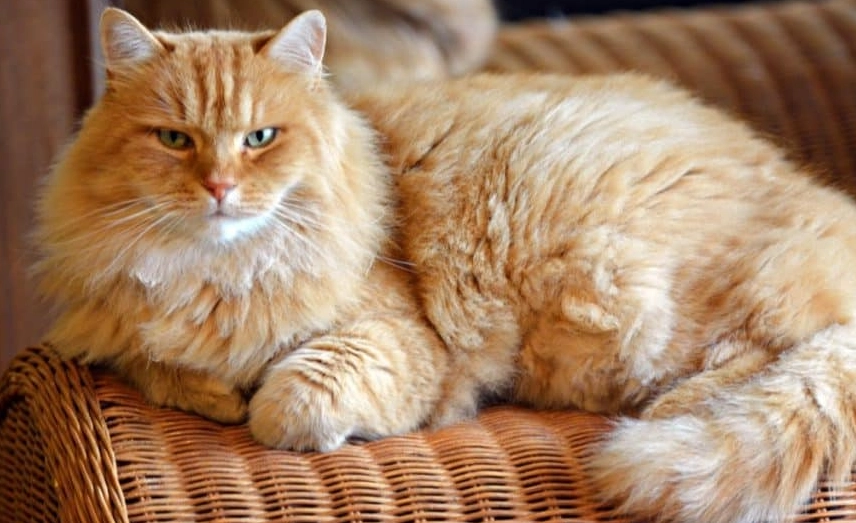
Health and Lifespan: What to Expect with Your Orange Companion
Siberians are generally robust, with a lifespan of 12-15 years or more. They evolved in a harsh climate, which weeded out a lot of weaknesses. But like any purebred, there are predispositions to be aware of.
The big one is Hypertrophic Cardiomyopathy (HCM), a heart condition. This isn't unique to Siberians, but it's the most significant genetic health screening a responsible breeder will do. Always, always ask for proof of recent HCM screening (by a veterinary cardiologist, not just a regular vet) on the parents. The International Cat Association (TICA) and other registries emphasize the importance of this health testing.
Another one is Polycystic Kidney Disease (PKD). Reputable breeders will also screen for this. Beyond genetics, their lush coat can sometimes hide weight loss or skin issues, so regular hands-on checks are important. Run your hands over their body weekly to feel for any bumps, scabs, or protruding bones.
Igor had a bout with a urinary crystal scare when he was about four. The vet said it's not uncommon in males of any breed. It was terrifying and expensive. It also forced a permanent diet change to a prescription urinary food. It's a reminder that even with a "hardy" breed, you're not immune to common cat health issues.
Dental health is another silent issue. Those big jaws can still get tartar. Getting them used to tooth brushing early is a golden ticket, though I'll admit, I failed miserably at this with Igor. We rely on dental treats and regular vet cleanings.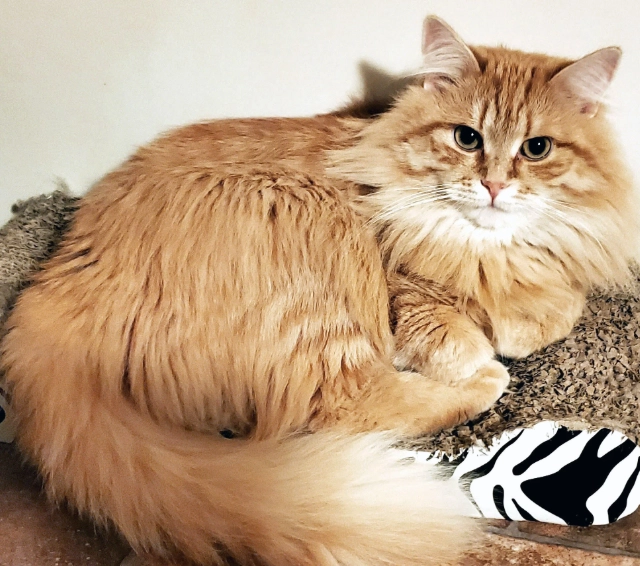
Finding Your Siberian Cat Orange: Breeder vs. Rescue
This is the most critical step. The cute orange fluffball photos are a powerful lure, and unethical breeders (kitten mills, backyard breeders) know it.
A good breeder is an open book.
They will:
- Welcome you to visit their home and meet the kitten's parents.
- Show you health clearances for HCM and PKD for both parents.
- Have kittens socialized in the home, not isolated in a shed or cage.
- Ask you as many questions as you ask them. They care where their kittens go.
- Provide a detailed contract covering health guarantees and requiring spay/neuter.
- Never have kittens available 24/7. You'll likely be on a waitlist.
The color should be a secondary concern for a good breeder. If someone is advertising "RARE ORANGE FEMALE SIBERIAN!" at a sky-high price and has kittens always ready, run. They are prioritizing color over health and temperament.
What about rescue? It's harder to find a purebred Siberian in rescue, but it happens. Breed-specific rescue groups exist. Sometimes people don't research the shedding or the energy level and surrender them. An adult rescue can be a wonderful option—you skip the kitten chaos and get a known personality. The coat color, including a lovely Siberian cat orange, is just a bonus.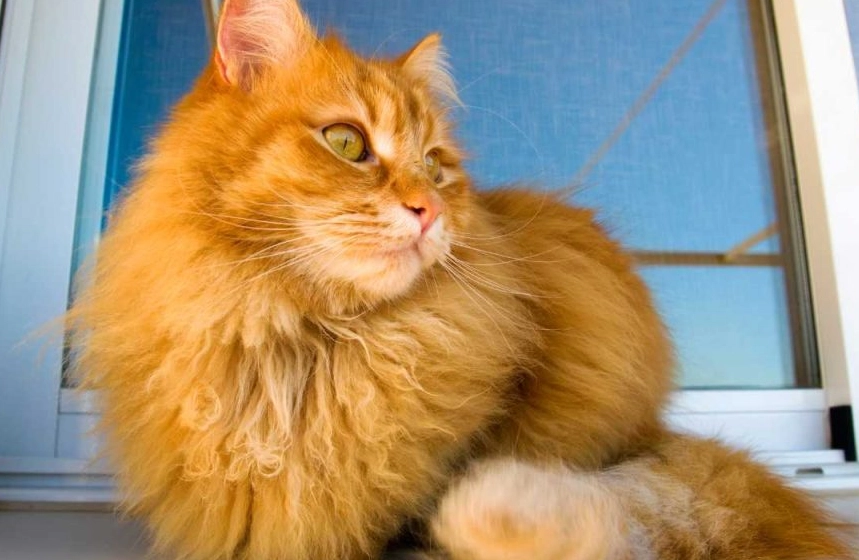
Living Together: The First Year and Beyond
Bringing your kitten home is just the start. Siberians are slow to mature, often not reaching full physical and mental maturity until they are around 5 years old. That long adolescence is… interesting.
Kitten-proofing is essential. They are curious and powerful jumpers. Nothing on a counter is safe. The legendary "Siberian chirp" is adorable—a little trill they use to greet you. Get ready to hear it a lot. They are vocal, but not in a loud, yowly way. It's more of a running commentary.
As they age, that energetic kitten settles into a dignified, but still playful, adult. Their loyalty deepens. They often choose one special person in the household as their primary human. The bond is profound. Igor is my shadow. When I'm sick or sad, he knows. He'll park himself on my chest and purr, a heavy, warm, orange blanket of comfort.
Your Burning Questions Answered (FAQs)
This is a personality thing, not a strict gender rule. In my experience and from talking to other owners, males often have a reputation for being more overtly "goofy" and clingy. Females can be equally affectionate but sometimes display it in a more independent, queenly manner. I've met cuddly females and aloof males. Focus on the individual kitten's personality during your visit.
From a reputable breeder, expect $1,200 to $2,500+ in North America. The price should reflect health testing, proper care, and socialization, not the color. Orange is not a "rare" color that commands a higher price in ethical breeding. If it does, that's a red flag.
Generally, yes. Their confident, easygoing nature often makes them excellent candidates for multi-pet homes. Proper, slow introductions are still key. Igor was terrified of my sister's gentle golden retriever for about a week. Now they ignore each other completely, which is a Siberian cat's version of success.
Yes. For about 4-6 weeks during the big seasonal sheds, it's next-level. You will find orange fur in places it has no right to be. A good robot vacuum and a lint roller stockpile are non-negotiable. The rest of the year, it's very manageable with regular brushing.
There's no single answer. The consensus among vets and nutritionists, like those at the Pet Nutrition Alliance, is that a diet primarily of high-quality, meat-rich wet food is best for hydration and urinary health. Many owners, including myself, use a combination of wet and a measured amount of high-protein dry food. Consult your vet to tailor it to your cat's specific needs.
The Final Word: Is an Orange Siberian Cat Right for You?
Look, I adore Igor. He's the most dog-like, affectionate, entertaining cat I've ever owned. Coming home to that vibrant orange Siberian cat waiting at the door, chirping his hello, is a daily joy.
But.
He sheds enough to create a second cat twice a year. He's expensive to feed and insure. He needed major surgery once. He occasionally decides 5 AM is playtime. He hogs the bed.
A Siberian, orange or otherwise, is perfect for someone who:
- Wants an interactive, present companion, not just a decorative pet.
- Isn't obsessed with a perfectly fur-free home.
- Has the time for daily play and weekly grooming.
- Has done their homework on health testing and found a breeder who prioritizes it.
- Is ready for a large, long-lived pet with a big personality.
If you want a low-energy, low-maintenance cat that minds its own business, look elsewhere. A Siberian will be in your business, literally and figuratively. But if you're ready for that—for the fur, the chatter, the loyalty, the sheer presence of a small, orange, furry person in your life—then you might just have found your perfect match.
Remember: The color is the wrapping. The breed is the gift. Choose the gift wisely, based on health and heart, and you'll be rewarded with an incredible companion for years to come. Do your research, visit breeders, and maybe even check local rescues. That perfect orange Siberian cat is out there, probably plotting how to train their next human. Make sure you're ready for them.
Good luck. And invest in a good vacuum.