You see that photo of a fluffy orange cat looking mischievous. You hear stories about them being super friendly, almost dog-like. And then the question hits you: are orange tabby cats high maintenance? Is that vibrant coat a sign of endless brushing? Does that famous personality come with a list of demands? Let's cut through the internet myths. The short answer is no, an orange tabby isn't inherently high maintenance. But like any cat, what you get depends less on the color and more on the individual cat and its breed. The orange tabby is a coat pattern, not a breed. That's the key most people miss.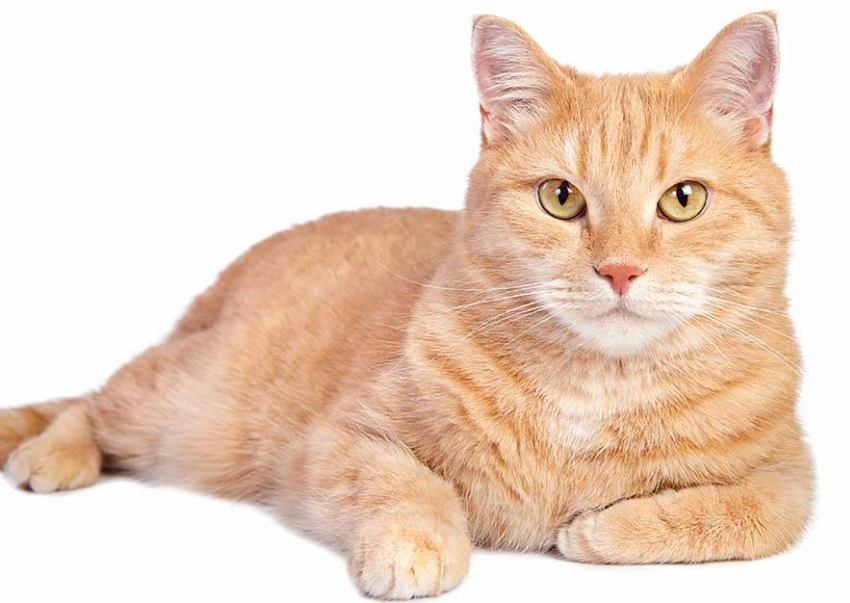
What You'll Find in This Guide
The Biggest Myth: "Orange Tabby" is Not a Breed
This is where the confusion starts. When people ask about maintenance, they're often picturing a specific cat. But "orange tabby" (or ginger, marmalade) just describes the coat. That cat could be a Domestic Shorthair, a Maine Coon, a Persian, or a Munchkin. A Persian, regardless of color, is high maintenance due to its facial structure and long fur. A Domestic Shorthair, orange or not, is generally low maintenance.
Key Takeaway: You can't judge a cat's care needs by its color. You judge it by its breed characteristics and its individual health and personality. The orange gene itself doesn't code for neediness or vet bills.
Here's another piece of trivia that shapes the orange tabby experience: about 80% of them are male. It's a sex-linked genetic trait. Does that make them higher maintenance? Not directly, but some studies, including broad observations noted in resources from institutions like the Cornell Feline Health Center, suggest male cats (of any color) can be prone to certain issues like urinary blockages, especially if neutered and fed a poor diet. So, your maintenance focus should be on preventative care for male cats, not specifically orange ones.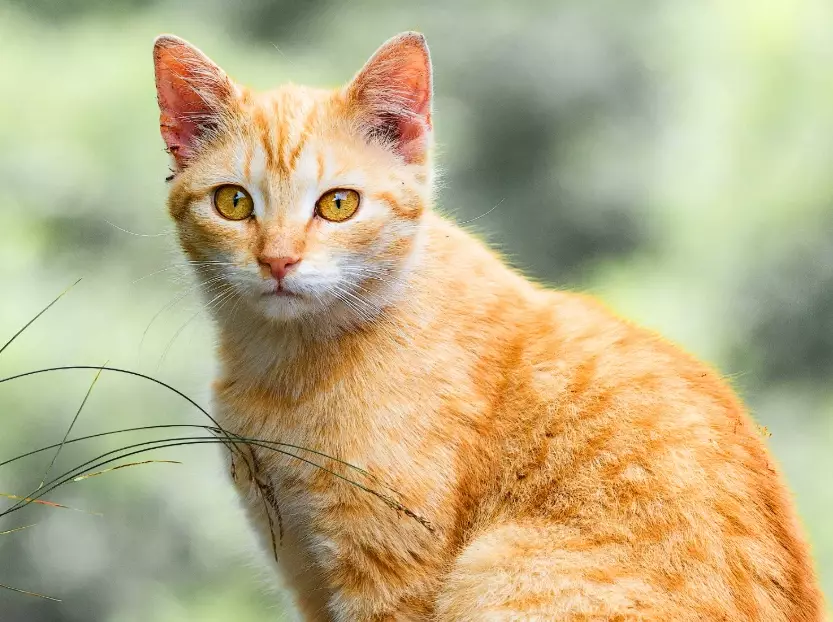
Grooming Needs: From Low-Key to High-Touch
Let's get practical. How much time will you spend with a brush?
The Standard Short-Haired Orange Tabby
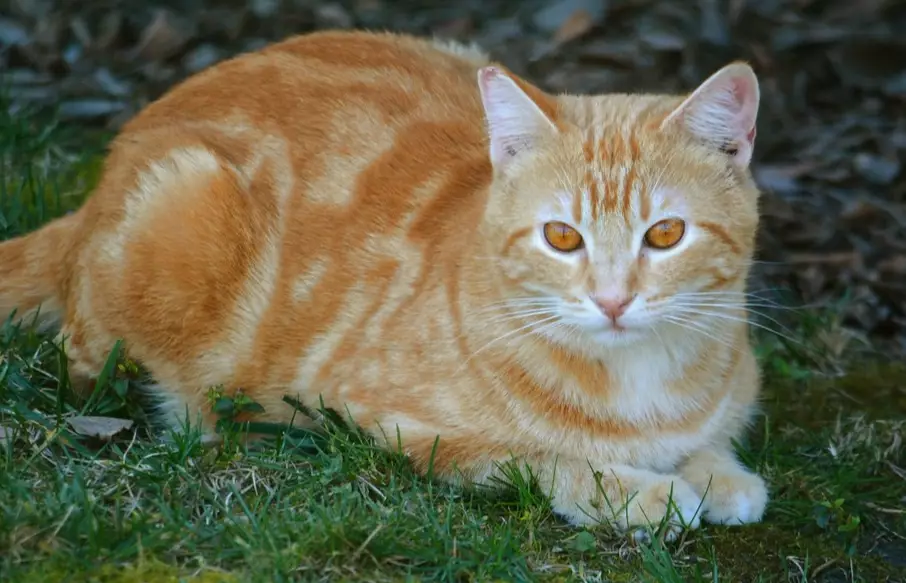
This is your classic, most common ginger cat. Maintenance here is a breeze.
- Brushing: Once a week is plenty. A rubber grooming brush or a slicker brush works wonders. It removes dead hair, stimulates skin, and reduces hairballs. During shedding seasons (spring and fall), you might bump it up to twice a week. I've had a short-haired orange tabby for years, and our 10-minute Sunday brush session is more of a bonding ritual than a chore.
- Bathing: Almost never. Cats are self-cleaners. Only bathe if they get into something toxic or sticky.
- Nails & Ears: Trim nails every 2-3 weeks. Check ears weekly for dirt or redness, clean with a vet-approved solution if needed. This is universal cat care, not orange-specific.
The Long-Haired or Fluffy Orange Tabby
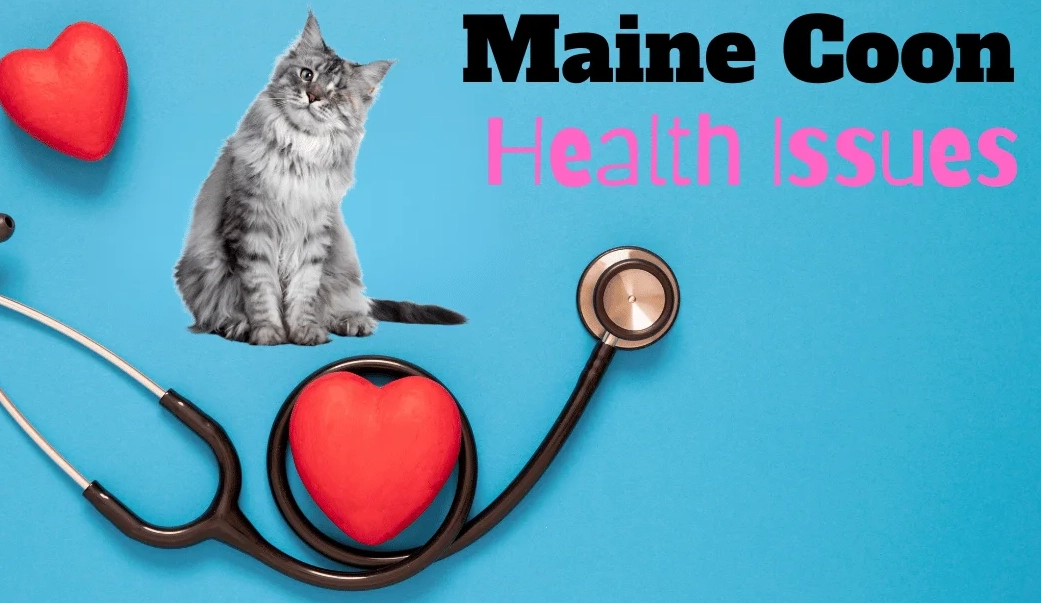
This changes the game. If your orange tabby is a Maine Coon, Persian, or just a long-haired mix, grooming becomes a significant part of your routine.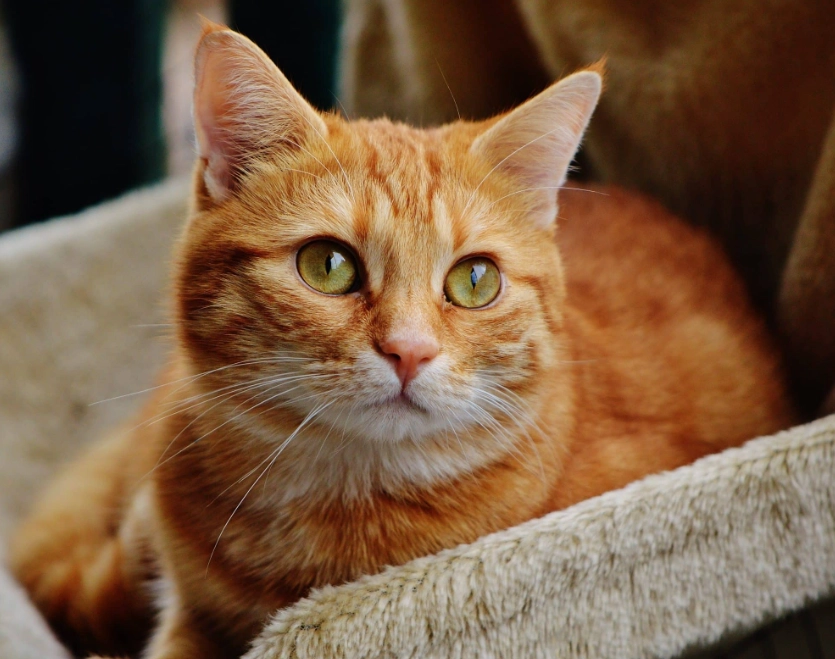
- Brushing: This is non-negotiable. Every other day, at a minimum. Daily is ideal to prevent mats, which are painful and can harbor skin infections. You'll need a sturdy comb and an undercoat rake. Mats often form behind the ears, under the armpits, and around the hindquarters—check these spots diligently.
- The Bathing Question: Long-haired cats may need occasional baths (every few months) to keep their coat from getting greasy. It's a process. Get them used to it young.
See the difference? It's all about hair length.
| Grooming Task | Short-Haired Orange Tabby | Long-Haired Orange Tabby |
|---|---|---|
| Brushing Frequency | Weekly | Daily or Every Other Day |
| Mat Prevention | Not a concern | Primary grooming goal |
| Shedding Visibility | Moderate (orange fur shows on dark furniture) | High (lots of fur, very visible) |
| Bathing Needs | Rarely to never | Occasionally helpful |
| Overall Time Commitment | Low (10-15 min/week) | High (15-30 min/day) |
Health Considerations: What to Watch For
Again, no major issues are tied to the orange pigment. But a responsible owner should be aware of common feline issues that apply to all cats, which can affect maintenance in terms of time and cost.
Weight Management: This is huge. Orange tabbies, especially the laid-back ones, can be food-motivated. I've seen too many turn into charming, round pumpkins. Obesity leads to diabetes, arthritis, and liver disease. Maintenance here means portion control, scheduled feedings (not free-feeding), and encouraging play. A laser pointer or a feather wand for 15 minutes a day makes a difference.
Dental Health: Dental disease is a silent epidemic in cats. Budget for annual dental check-ups. Consider dental treats or water additives, and if you're brave, try brushing their teeth. Poor dental health can lead to systemic issues, which is the highest form of maintenance—chronic illness management.
Genetic Breed-Specific Issues: If your orange tabby is a purebred, research that breed. An orange tabby Scottish Fold has the same joint cartilage concerns as any other Scottish Fold. An orange tabby Bengal has the same potential for heart issues (Hypertrophic Cardiomyopathy). Your vet bills and care routines will follow the breed, not the color.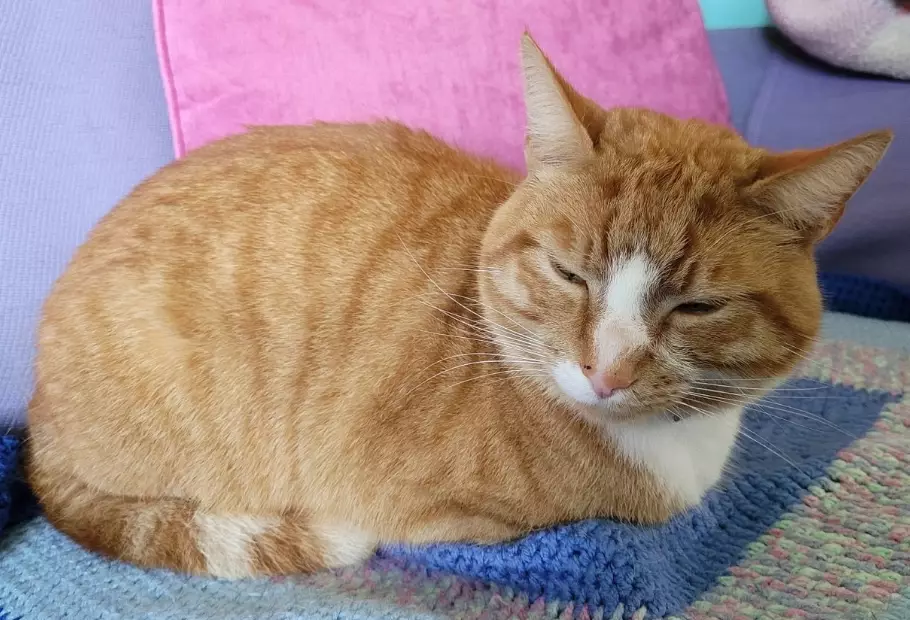
Personality & Training: The "Maintenance" of Attention
Ah, the famous orange tabby personality. Talkative, affectionate, sometimes clownish. Is this high maintenance? It depends on your perspective.
If you want a cat that ignores you, a vocal, attention-seeking orange tabby might feel needy. They often follow you from room to room, "help" with your work, and demand lap time. For many owners, this is the best part—low maintenance grooming, high companionship reward.
But this stereotype isn't a guarantee. I've met aloof orange cats. Personality is a mix of genetics, early socialization, and individual quirks. The potential for a social cat means your "maintenance" might involve more interactive playtime and mental stimulation. Puzzle feeders, window perches, and regular play sessions are part of keeping them happy and out of trouble (like knocking things off counters).
Training is easier with a food-motivated, social cat. Use positive reinforcement to teach them to come when called, tolerate carrier, or even do tricks. This isn't extra work; it's enriching your life together and preventing behavior problems—which are the ultimate form of pet maintenance headache.
The Final Verdict: Are Orange Tabby Cats High Maintenance?
So, let's wrap this up.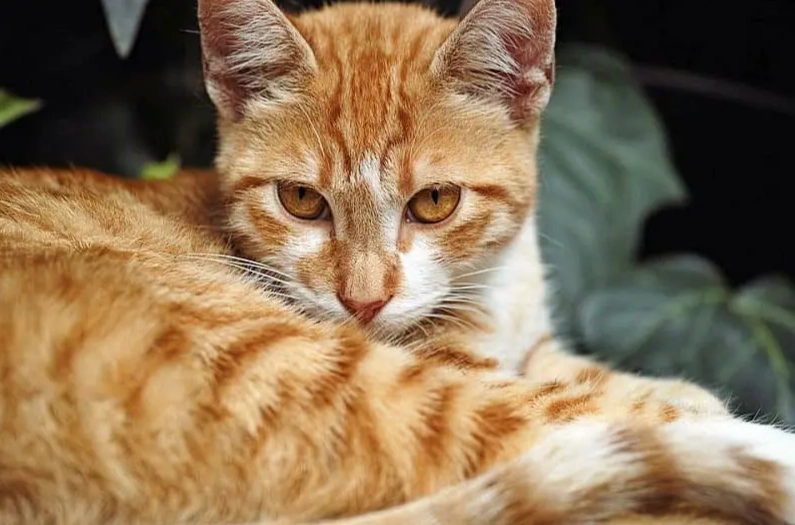
A typical short-haired orange tabby Domestic Shorthair is one of the lower maintenance cat companions you can find. Basic weekly grooming, standard preventative healthcare, and a personality that often integrates easily into family life.
A long-haired orange tabby of any breed steps into the higher maintenance category, purely due to coat care demands.
The orange color itself doesn't add vet visits or complex care routines. The maintenance level is determined by the factors we've drilled into: coat length, underlying breed health, and the individual cat's habits.
Focus on providing good nutrition, annual vet check-ups, daily interaction, and appropriate grooming for the coat type. Do that, and your orange tabby—whether a sleek alley-cat lookalike or a majestic fluffy giant—will be a wonderfully manageable and deeply rewarding friend.