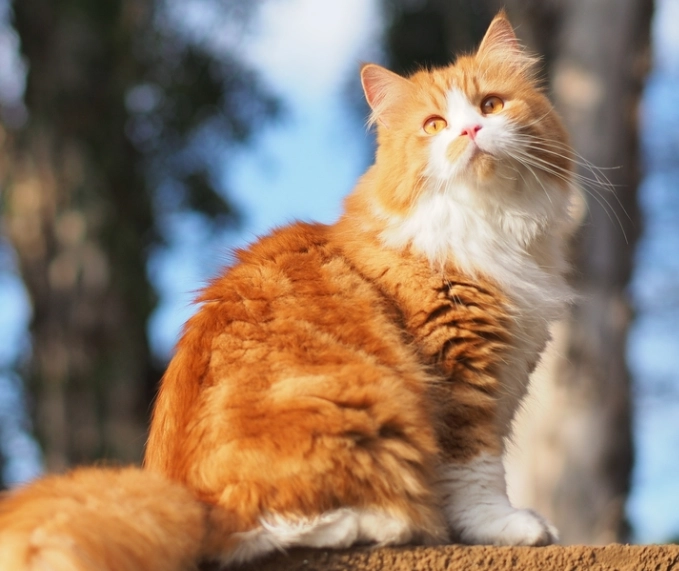
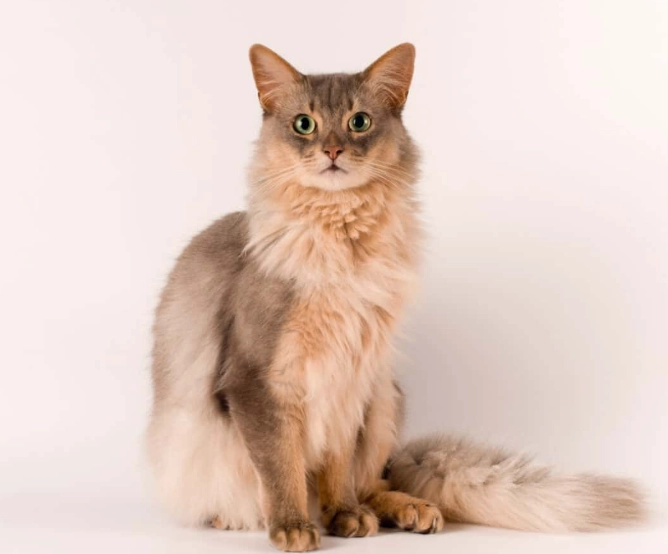
You see a picture online. A cat that looks like it could wrestle a small dog. A feline with ear tufts, a lion's mane, and paws the size of bottle caps. Your first thought: Is that real? Your second: Why is that cat so big? Welcome to the world of the Maine Coon, America's native gentle giant. Their size isn't an accident or a trick of the camera. It's the result of a fascinating cocktail of evolution, survival, and a bit of human influence. Let's cut past the myths and get into the real, actionable reasons behind their impressive stature.
1. The Survival Blueprint: Cold Weather & The Evolutionary Advantage
Forget the raccoon fairytale. The primary driver of the Maine Coon's size is brutally practical: New England winters. These cats are believed to have descended from long-haired cats brought over by sailors (possibly Viking or European seafarers) who had to survive on their own in the harsh Northeastern United States.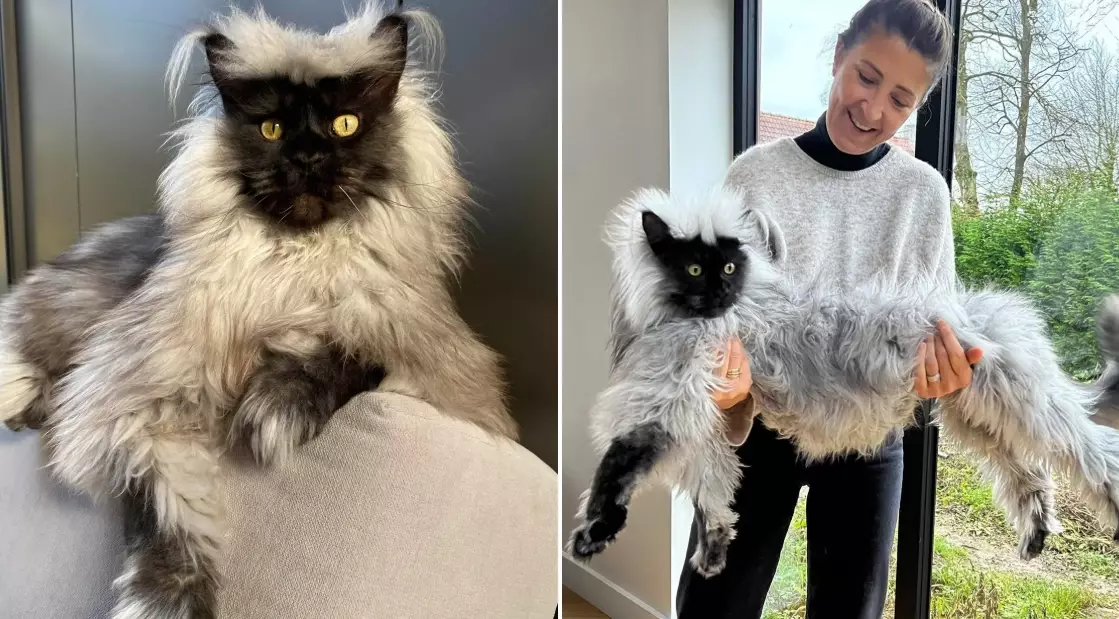
Size, in that environment, was a feature, not a bug. Let's break down why:
Square-Cube Law in Action
This isn't just physics class jargon. An animal's volume (and heat-generating mass) increases by the cube of its size, while its surface area (where heat is lost) increases by the square. A larger body has a lower surface-area-to-volume ratio. In simple terms: bigger bodies lose heat more slowly. A hefty Maine Coon had a much better chance of surviving a nor'easter than a petite, fine-boned cat.
Every Feature is a Tool
Their size isn't isolated. It's part of a full survival kit:
- Large, Tufted Paws: Act as natural snowshoes, distributing their weight to walk on top of snow, not sink into it.
- Long, Bushy Tail: They could wrap it around their body and face for insulation while sleeping. I've seen my own Coon, Leo, do this on cold nights—it's a functional blanket.
- Dense, Water-Repellent Coat: A shaggy, three-layer coat that sheds water and provides incredible insulation. The ruff around their neck protects against wind.
Their large size supported this entire system. A bigger frame could carry more insulating fur and muscle. It allowed them to be effective opportunistic hunters of larger prey like rabbits, not just mice, which was crucial for calorie intake.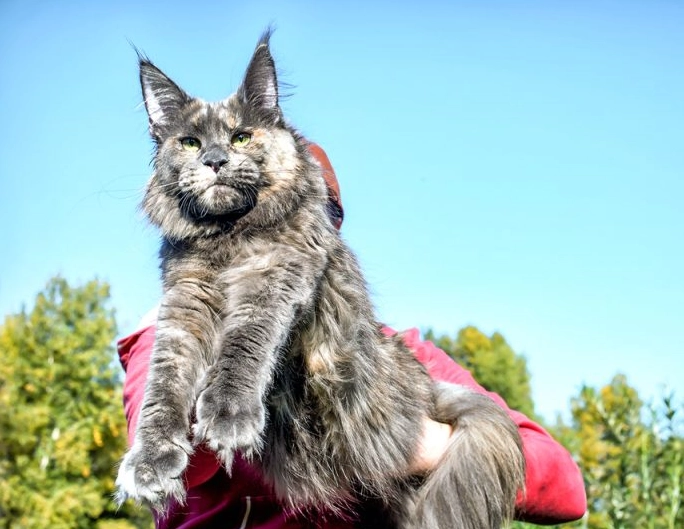
A Common Misconception: Many think the cold climate only explains the fur. The bigger insight is that it selected for a whole body plan—large, rectangular, and sturdy—that maximized heat retention and rugged utility. The fur is just the most visible part.
2. Winning the Genetic Lottery: The Polygene Power
Evolution set the stage, but genetics wrote the script. Maine Coon size isn't controlled by one single "big cat" gene. It's a polygenic trait, influenced by many genes working together. This is a key reason why they vary so much even within the breed—you get a range, not a fixed number.
Breed-specific genetic studies, like those referenced by the International Cat Association (TICA), suggest certain gene markers associated with bone growth and structure are prevalent in Maine Coons. Unlike breeds where a single mutation causes dwarfism or extreme features, the Maine Coon's genetics promote robust, proportional growth.
Here's the twist a lot of new owners miss: two average-sized Maine Coons can produce a kitten that grows to be exceptionally large, or surprisingly moderate, because of this complex genetic shuffle. You can't predict final size from a kitten with perfect accuracy, which is why some "teacup Maine Coon" promises are pure fantasy.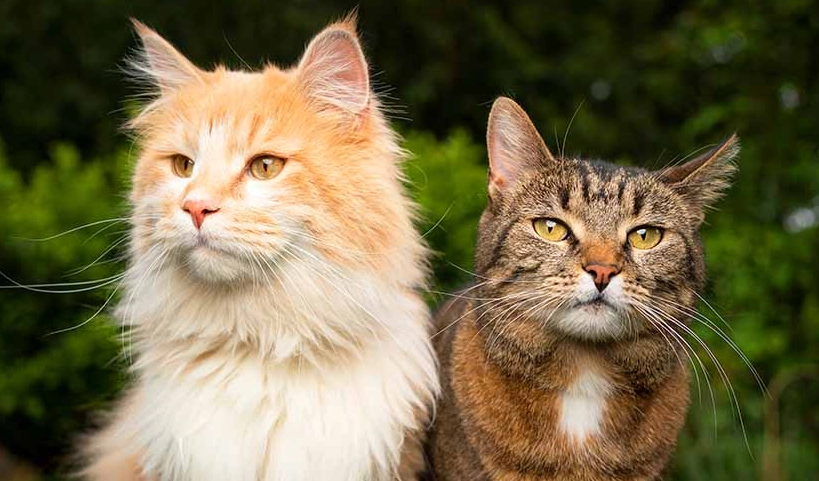
3. The Marathon, Not a Sprint: Their Unusually Slow Growth
Most domestic cats are nearly full-grown by 12 months. Maine Coons? They're just getting started. It takes them 3 to 5 years to reach their full physical maturity. This extended growth period allows their large frame to develop properly—bone density, muscle mass, and that characteristic broad chest have time to fill out.
| Growth Stage | Typical Domestic Cat | Maine Coon Cat |
|---|---|---|
| 12 Months | Near adult size | Large adolescent, ~75-80% of final size |
| 2 Years | Fully mature | Nearly there, but still filling out in chest and face |
| 3-5 Years | Long settled into adult body | Final maturity. Bone structure solidifies, full muscle development. |
This slow growth is metabolically expensive. It requires consistent, high-quality nutrition throughout those formative years. Skimping on protein or essential nutrients during this time can mean they never reach their genetic potential for size and, more importantly, robust health.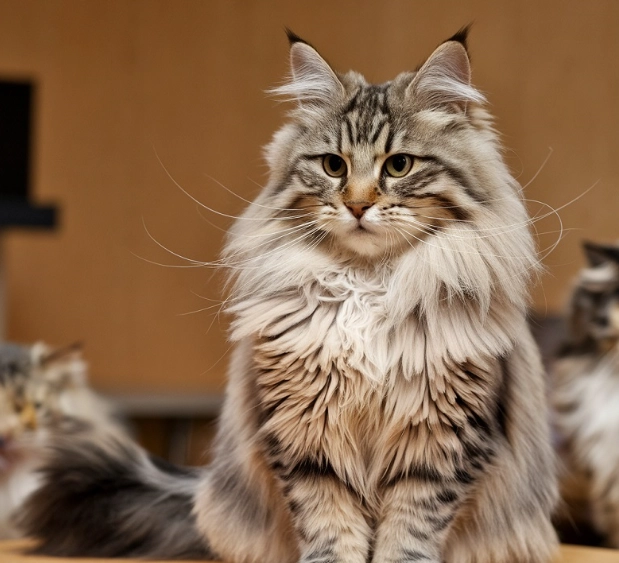
4. The Modern Influence: How Breeders Shape Size
Natural selection built the foundation, but modern selective breeding has amplified it. Once the Maine Coon was established as a desirable breed in the late 19th and 20th centuries, breeders naturally selected for the impressive traits that defined them—including large size.
In cat shows run by organizations like TICA or the Cat Fanciers' Association (CFA), the breed standard calls for a "medium to large" cat with a "rectangular, muscular" body. While judges look at the whole package, a majestic, well-proportioned large cat often has a visual impact. This doesn't mean breeders are creating unhealthy giants, but there is a focus on preserving and enhancing the substantial bone structure and length.
A critical note here: Reputable breeders prioritize health over sheer mass. They screen for hypertrophic cardiomyopathy (HCM), a heart condition that can be more serious in large cats. The quest for the "biggest" without health testing is a major red flag and a disservice to the breed.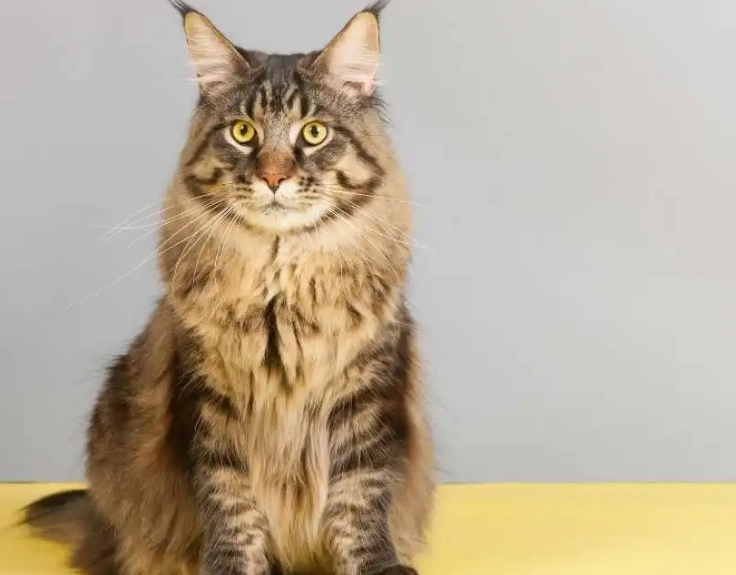
5. Living with a Giant: What Their Size Really Means for You
So they're big. What does that translate to in daily life? It's more than just buying a bigger food bowl.
The Practical (and Often Overlooked) Implications
- Space & Furniture: A standard cat tree often feels flimsy. You need a sturdy, wide-based, tall tree. They like to perch up high, and a fall from a wobbly tower is dangerous for a 15-pound cat.
- Cost Scaling: Everything costs more. More food (a high-quality, protein-rich diet), more litter, larger carriers, bigger beds. Veterinary medication and anesthesia are often dosed by weight—procedures can be more expensive.
- Health Vigilance: Their size puts stress on joints. Keeping them at a lean weight is the single most important thing you can do for their long-term health. An obese Maine Coon is a heartbreak waiting to happen.
- The "Gentle" Part is Real: Their temperament is famously dog-like, affectionate, and playful. Their size doesn't come with aggression. They use those large paws carefully—often to manipulate objects or gently tap you for attention.
Thinking of getting one? Visit a breeder or a rescue. Don't just look—feel. Pick up an adult (if they allow it). Feel the solid weight, the breadth of the chest. It’s the best reality check.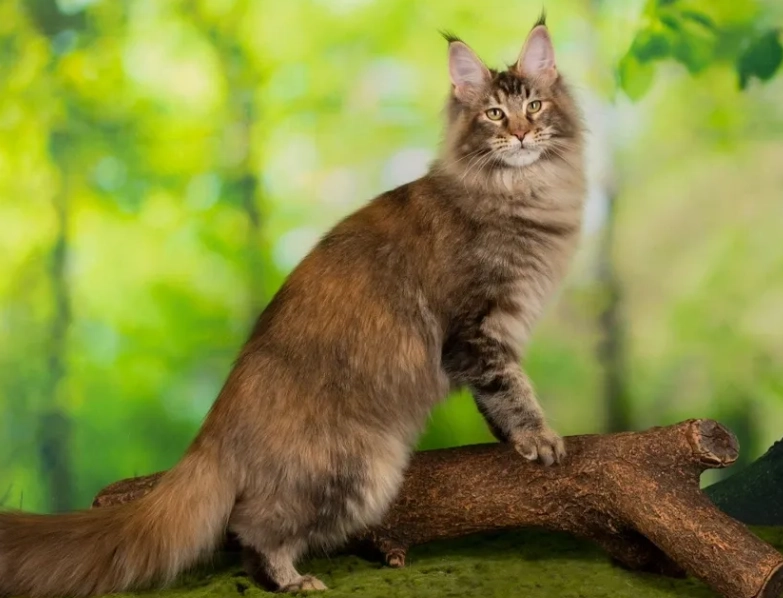
The Maine Coon's size is a masterpiece of adaptation. It's a story written by icy winds, tough genetics, a patient growth schedule, and human admiration. It’s what makes them more than just a cat—they're a living testament to resilience, wrapped in a fluffy, purring package that just happens to need an extra-large carrier.