Your Quick Guide
- What Even Is a "Hairless Cat"? It's Not Just the Sphynx.
- Why Consider Hairless Cat Adoption? (The Good Stuff)
- The Reality Check: What Nobody Tells You About Hairless Cat Care
- Where to Actually Find Hairless Cats for Adoption
- The Hairless Cat Adoption Checklist: Are You Ready?
- What to Expect During the Adoption Process
- Your First Month: Setting Up for Success
- Common Questions About Hairless Cat Adoption (The FAQ We All Need)
- Final Thoughts: Is Hairless Cat Adoption Right For You?
I get it. You've seen those wrinkly, alien-like creatures with huge ears and curious eyes all over social media. Maybe you watched a video of a Sphynx cat wearing a tiny sweater, and something just clicked. The idea of hairless cat adoption starts to simmer in the back of your mind. They're unique, they're affectionate (so they say), and hey, no fur on your black pants! Sounds perfect, right?
Well, hold on. Before you dive headfirst into searching for "Sphynx cats for adoption near me," there's a whole lot you need to know. Adopting any pet is a big deal—a 15-20 year commitment. Adopting a hairless cat? That's a whole different ballgame with its own set of rules, costs, and daily routines. This isn't meant to scare you off. In fact, I think responsible hairless cat adoption is wonderful. But going in blind is a recipe for stress, both for you and the cat.
I've been around the block with special-needs pets, and I've helped friends navigate the world of hairless cat rescues. What I've learned is that the gap between the Instagram fantasy and the day-to-day reality can be pretty wide. This guide is here to bridge that gap. We're going to strip away the hype (pun somewhat intended) and look at what hairless cat adoption really entails—the good, the bad, the oily, and the absolutely heart-melting.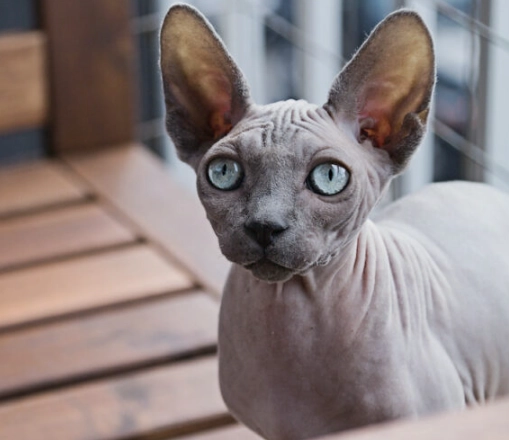
What Even Is a "Hairless Cat"? It's Not Just the Sphynx.
When people say "hairless cat," most instantly think of the Sphynx. They're the poster child, the breed that started the modern fascination. But the world of hairless cat adoption can include a few other players, though they're much rarer. Knowing the differences matters, especially if you're browsing rescue sites.
The Sphynx: The Classic
This is the one. Originating in Canada in the 1960s from a natural genetic mutation, the Sphynx isn't completely hairless. They're covered in a fine, peach-fuzz-like down that makes them feel like a warm suede hot water bottle. They have all the wrinkles, the big lemon-shaped eyes, and the enormous bat-like ears. Personality-wise, they're famously dog-like: extroverted, energetic, clingy, and notoriously heat-seeking. They will be under your blankets, in your sweater, on your laptop. They have high metabolisms to stay warm, which means they eat a lot and... produce a lot. More on that later.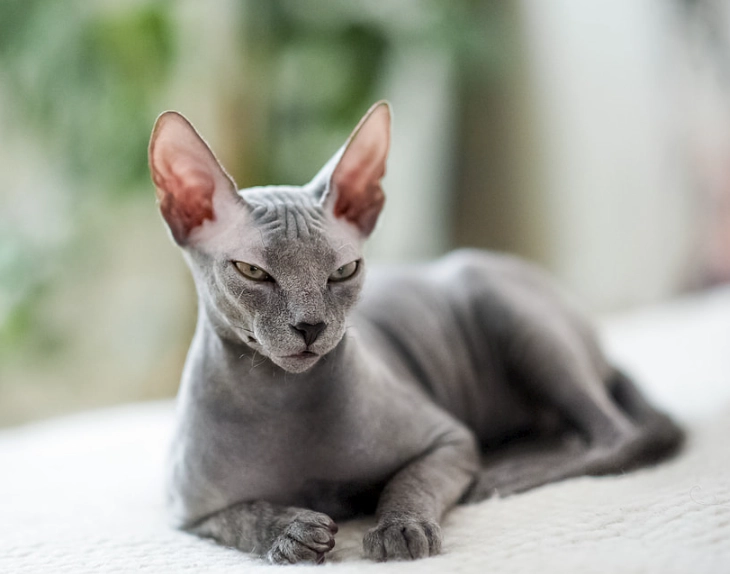
The Donskoy (Don Sphynx): A Different Gene
Originating in Russia, the Donskoy also appears hairless but is caused by a different, dominant gene. Some can lose what hair they are born with as they age. Their skin is often described as more elastic and wrinkly than the Sphynx, and they can have a wider variety of skin textures. They share a similar affectionate, social personality. You might encounter one in a rescue specializing in rare breeds, but it's less common.
The Peterbald: The Elegant One
Also Russian, a cross between a Donskoy and an Oriental Shorthair. Peterbalds can range from completely bald ("ultra-bald") to having a short coat ("brush coat"). They tend to have a more slender, elegant build like their Oriental Shorthair ancestor and are known for being incredibly attached to their people. Finding one through hairless cat adoption channels would be extremely rare and lucky.
The takeaway? 99% of the time, "hairless cat adoption" means adopting a Sphynx or a Sphynx mix. That's what your search will primarily yield.
Why Consider Hairless Cat Adoption? (The Good Stuff)
Let's not be all doom and gloom. People don't just put up with the extra work for no reason. The pros of sharing your life with a Sphynx are powerful.
- Unmatched Affection: This is the number one reason people fall in love. These cats are often Velcro-cats. They crave physical contact and human companionship. They follow you from room to room, sleep under the covers with you, and will happily spend an evening curled on your lap. The lack of fur barrier makes that skin-to-skin contact even more profound.
- Hypoallergenic-ish: I say "-ish" because no cat is 100% hypoallergenic. Most cat allergies are to a protein (Fel d 1) found in cat saliva, which gets on fur during grooming. Since Sphynx cats groom just like any other cat, they still produce the allergen. However, because they have little to no fur to shed, the allergen doesn't get spread around your house as easily on airborne hair. Many people with mild to moderate allergies do much better with a Sphynx. But please, if allergies are your main driver, spend time with a Sphynx before committing to adoption.
- No Fur Everywhere: This is a legitimate perk. No hair on your clothes, in your food, or dust bunnies of fur in the corners. Your vacuum cleaner will get a vacation.
- Fascinating and Engaging: They are intelligent, playful, and often mischievous. Their expressiveness—those huge eyes and ears—makes them incredibly entertaining to live with.
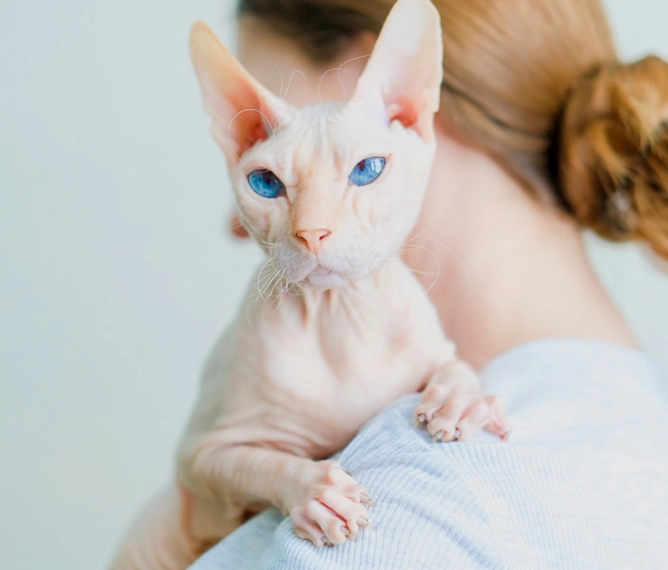
The Reality Check: What Nobody Tells You About Hairless Cat Care
Okay, here's the crucial part. This is where dreams of easy hairless cat adoption meet the reality of Tuesday night at 10 PM. If you can't handle these things, a Sphynx is not for you.
1. They Get Dirty. Like, Really Dirty.
Without fur to absorb it, the natural oils on their skin (sebum) build up. This creates a greasy feel and can leave brownish residue on your light-colored sheets and clothes. It also attracts dirt. They need regular bathing—typically once a week. Not once a month. Once a week.
Bathing a cat is, as you might imagine, not always a fun activity. You need special pet shampoos that won't dry out their skin (baby shampoo is often too harsh). The process involves lukewarm water, gentle washing, thorough rinsing, and immediate, complete drying in a warm room to prevent chills. It's a commitment.
2. The Ear and Nail Gunk is Next Level
Those same oils migrate to their ears and nail beds. Their ears produce a startling amount of dark wax that needs to be cleaned weekly with a gentle vet-recommended cleaner and cotton balls. Their nails need to be wiped clean regularly, as gunk builds up around the base. Neglect this, and you risk infections.
3. They Are Not Cheap
Hairless cat adoption from a rescue is far more affordable than buying from a breeder (which can run $1,500-$3,000+), but the costs don't stop at the adoption fee.
- Food: High metabolism = high-quality, often high-protein food. This costs more.
- Vet Care: They can be prone to specific issues like hypertrophic cardiomyopathy (HCM), a heart condition. Responsible rescues will have them scanned for this. They also need dental care, as they can be prone to dental issues. You need a vet familiar with the breed.
- Supplies: You'll be buying cat-safe sunscreen for outdoor excursions (yes, really), sweaters and coats for cold weather, plenty of soft blankets, and a steady supply of bathing and ear-cleaning products.
- Heating: Your heating bill might go up. They seek out warm spots, so you'll likely end up leaving a heating pad on low under a blanket or keeping your home toastier than you otherwise might.
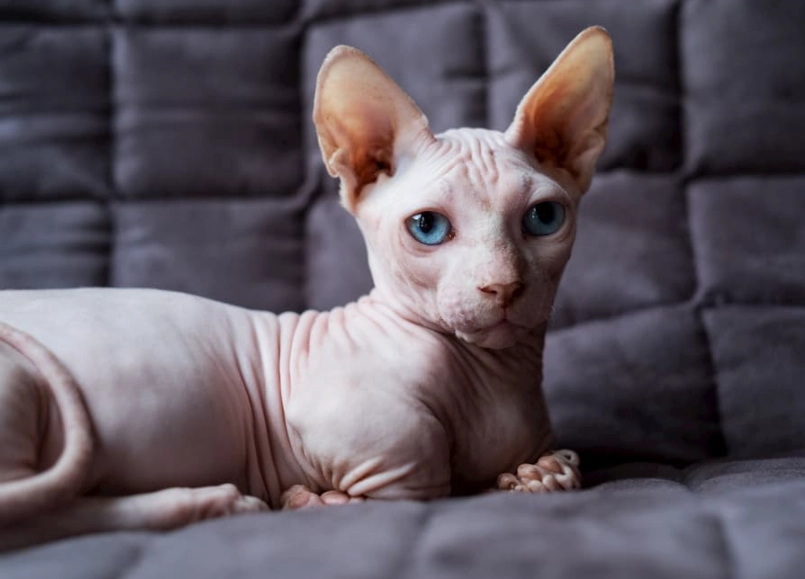
4. They Can Have Skin Issues
Sunburn, acne (yes, cat acne on their chins), fungal infections, and dry skin are all possibilities. You need to be vigilant and ready to consult a vet for skin problems.
Where to Actually Find Hairless Cats for Adoption
This is the hard part. Sphynx cats are a popular, expensive breed. They don't end up in general county shelters often, and when they do, they get snapped up instantly. You need to be strategic, patient, and incredibly thorough.
Breed-Specific Rescues (Your Best Bet)
These organizations are dedicated to a specific breed. They often have foster networks, rigorous application processes, and deep knowledge of the breed's needs. They are the gold standard for responsible hairless cat adoption.
- National Sphynx Rescue Groups: Search for groups like "[Sphynx Rescue](https://www.sphynxrescue.com/)" or "[Specialty Purebred Cat Rescue](https://www.purebredcatrescue.org/)" which often handle Sphynx cats. These groups typically have websites and Facebook pages where they post available cats.
- How it Works: You'll fill out a lengthy application, provide vet references, and likely have a home visit (virtual or in-person). They want to ensure you understand the breed's needs. Adoption fees can range from $200 to $600, which usually covers spay/neuter, vaccinations, microchipping, and often an HCM scan.
General Rescue Organizations & Shelters
Don't ignore your local SPCA or humane society. Set up alerts on sites like Petfinder and Adopt-a-Pet.com. Use the breed filter for "Sphynx," but also check "Domestic Shorthair" listings in your area—sometimes they are misidentified. Broaden your geographic search. Be prepared to travel a few hours for the right cat.
What About Rehoming Networks?
Websites like Rehome by Adopt-a-Pet are platforms where owners can directly rehome their pets. You might find a Sphynx here. Extreme caution is needed. Ask for veterinary records, the reason for rehoming, and try to get as much history as possible. A good rescue acts as an intermediary that vets this information; here, you're on your own.
- Anyone offering a "free" Sphynx kitten or cat with no questions asked.
- People who can't provide vet records or the name of their veterinarian.
- Rescues or individuals who won't let you speak to the foster family or meet the cat in a home environment.
- Pressure to send money via wire transfer or gift cards before meeting the cat.
The Hairless Cat Adoption Checklist: Are You Ready?
Let's make this concrete. Before you even start searching, ask yourself these questions. Be brutally honest.
| Question | Ideal Answer / What It Means |
|---|---|
| Can I commit to a weekly 30-45 minute bathing & ear cleaning routine, forever? | If the thought fills you with dread, stop now. This is non-negotiable. |
| Is my home consistently warm, or am I willing/able to provide heated beds and blankets? | They get cold easily. A drafty house is miserable for them. |
| Can I budget for higher food costs and potential breed-specific vet bills? | Think $50-$100/month for premium food, plus a vet savings fund. |
| Do I work long hours away from home? | Sphynx cats are social and can develop anxiety or depression if left alone constantly. A pair can be better, but doubles the care. |
| Am I patient and observant with skin and health issues? | You need to notice subtle changes in their skin, appetite, and energy levels. |
| Do I have other pets that might be rough or stressful? | They can be delicate. A boisterous dog or aggressive cat might not be a good match. |
| Why do I want a hairless cat specifically? | If the answer is purely "they look cool," please reconsider. Their look is a small part of the package. |
If you hesitated on more than one of these, it might be time to research a different type of cat. And that's perfectly okay! Responsible pet ownership is about matching the pet's needs to your lifestyle.
What to Expect During the Adoption Process
You found a rescue and see a cat you like. Now what? The process for hairless cat adoption is usually more involved than for a typical domestic shorthair.
- The Application: It will be long. They'll ask about your experience with pets, your vet, your home environment, your work schedule, and your understanding of Sphynx care. Answer thoroughly.
- The Interview: A volunteer will likely call you. This is your chance to ask questions too! Ask about the specific cat's personality, known health issues, bathing routine, and quirks.
- The Home Check: This isn't about your decorating skills. They're checking for safety (open windows without screens, toxic plants, unsafe spaces) and to get a feel for the cat's future environment.
- Meet & Greet: If possible, you'll meet the cat in their foster home. This is invaluable. You see how they behave in a home, interact with the foster, and you can feel their skin texture and see their cleanliness.
- The Adoption Contract & Fee: You'll sign a contract agreeing to provide proper care and typically promising to return the cat to the rescue if you can no longer keep them. The fee is paid.
- Bringing Them Home: The rescue should provide medical records. Have a quiet, warm room set up with food, water, a litter box, and a cozy, enclosed bed. Go slow. Let them come to you.
Your First Month: Setting Up for Success
The transition period is critical. Here's a loose timeline.
- Week 1: Keep them confined to one safe room. Establish the bathing day. Stick to the food they're used to. Let them hide if they need to. Just be present, talk softly, and offer treats.
- Week 2-3: Slowly allow access to more of the house under supervision. Start establishing routines—playtime, cuddle time, bathing day. Watch for signs of stress: hiding, not eating, excessive vocalization.
- Week 4: Schedule a wellness check with your own vet, even if they have recent records. This establishes a relationship and gets a baseline.
Find a vet who has experience with the breed or is at least curious and willing to learn. The Veterinary Partner website is a great resource you can share with them for reliable breed information.
Common Questions About Hairless Cat Adoption (The FAQ We All Need)
Final Thoughts: Is Hairless Cat Adoption Right For You?
Look, I'm not here to sell you on a Sphynx. In fact, after all this, I might have talked some of you out of it. And that's good. The goal of hairless cat adoption should be a forever home, not an impulse that leads to another cat being bounced back to a rescue in six months.
But if you read through all the challenges—the bathing, the oil, the cost, the need for warmth and companionship—and your reaction was, "Okay, but I still want to know more," then you might be one of the right ones. The people who succeed in hairless cat adoption see the care not as a chore, but as part of the bond. Washing your cat becomes grooming time. Keeping them warm means more snuggles. The extra vet vigilance is an act of love.
It's a unique, demanding, and incredibly rewarding path. If you choose to pursue it, do it with your eyes wide open. Do your research, connect with a reputable rescue, and be prepared for a pet that will demand a lot of you but will give back tenfold in pure, hairless, wrinkly love.