In This Guide
- What's the Maine Coon Personality Really Like?
- The Practical Stuff: Caring for a Miniature Lion
- Health and Lifespan: What You Need to Watch For
- Male vs. Female Maine Coon: Is There a Difference?
- Finding Your Maine Coon: Breeder vs. Rescue
- Your Maine Coon Questions, Answered
- The Final Word: Is a Maine Coon Cat Right for YOU?
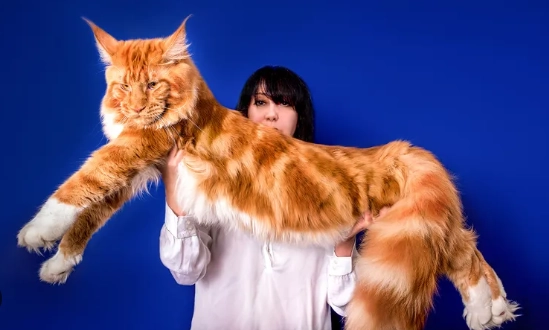
Let's be honest, the first thing anyone notices about a Maine Coon cat is the size. You see a picture online, and your brain does a double-take. Is that a cat or a small lynx? But after living with one for years—my guy is named Tiberius, but we call him "The Boss"—I can tell you the size is just the opening act. The real show is their personality.
These cats have a reputation as "gentle giants," and for the most part, it's spot on. But there's a lot more nuance to owning one of these magnificent creatures than just preparing for a larger food bill and a bigger litter box. If you're searching for info on Maine Coon cats, you're probably past the "wow, they're huge" stage and into the "what's it really like?" phase. That's what we're diving into here.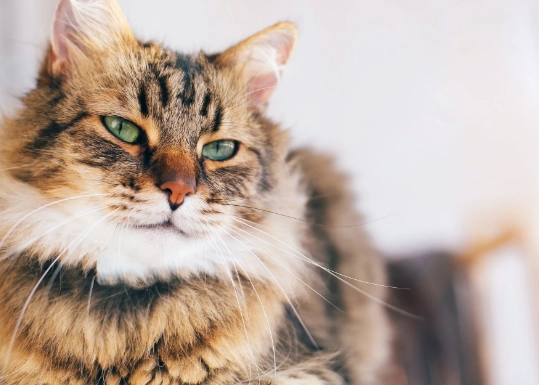
This isn't just a breed profile. It's a real-world guide from someone who's navigated the fluff, the chirps, and the occasional water-pawing incident at 3 AM.
The Core of a Coon: Forget the fairy tales about them being part raccoon (genetically impossible, by the way). Maine Coons are a natural breed from—you guessed it—Maine. They evolved to survive harsh winters, which explains the luxurious, water-resistant coat, the hefty paws that act like snowshoes, and the bushy tail they can wrap around themselves for warmth. They're working cats at heart, even if their main job now is supervising your home office.
What's the Maine Coon Personality Really Like?
Calling them "dog-like" is the go-to cliché, and it's both true and a disservice. It's true in their loyalty and trainability. My Tiberius comes when called (most of the time, if he's not napping in a sunbeam) and has learned a few simple commands like "sit" for treats. He also follows me from room to room, not in a needy way, but like a quiet, furry supervisor.
But they are 100% cat. They have that feline independence and curiosity. The "dog-like" label misses their unique feline charm.
Here’s the personality breakdown you won't find on a generic breed website:
- The Chirp and Trill: Forget loud meows. Many Maine Coons have a soft, chirping voice. Tiberius greets me with a little "brrp?" sound. It's more of a conversational warble than a demand. They're communicators, just not noisy ones.
- Clownish, Not Clumsy: They retain a kitten-like playfulness well into adulthood. A crumpled paper ball can entertain them for an astonishingly long time. But they're not clumsy oafs; they're large, powerful, and surprisingly graceful for their size.
- The Water Fascination: This is a real thing. No one is entirely sure why. Some theories link it to their thick coats needing extra hydration historically. Tiberius will dip his paw in his water fountain, then lick it. He also tries to join me in the shower. Be prepared for wet paw prints and a cat who might want to watch you wash dishes.
- Affection on Their Terms: They are loving, but not typically lap cats in the traditional sense. A 15-pound cat on your lap is... a lot of cat. Tiberius prefers to sit *beside* me, pressed against my leg, or lay his front half across my lap. His affection is a solid, comforting presence, not a clingy one.
The Practical Stuff: Caring for a Miniature Lion
Okay, let's talk logistics. Owning a Maine Coon cat is a commitment of space, time, and money. It's not double that of a regular cat, but it's definitely a significant bump.
Grooming: It's Not Optional
That gorgeous coat is a magnet for mats. Contrary to what you might think, their fur is silky and doesn't mat as easily as a Persian's, but neglect it for a week or two and you'll have problems, especially under the arms and around the hindquarters.
A good routine is non-negotiable:
- Brushing: 2-3 times a week with a good quality steel comb and a slicker brush. During spring and fall shedding seasons, you might need to do it daily unless you want tumbleweeds of fur rolling across your floor.
- Bathing: Yes, really. Every few months, a bath can help manage shedding and keep their coat in top condition. The trick is to start young so they get used to it. Use a cat-specific shampoo. Their water-resistant coat means you need to really work to get it wet through to the skin.
- Other Essentials: Nail trims every couple weeks (big cat, big claws). Regular ear checks. And dental care—big cats can have big dental bills. Getting them used to tooth brushing is a golden habit.
I made the mistake of slacking on brushing for a busy week once. The resulting mat behind his ear took patience, treats, and a careful dematting tool to remove. Lesson learned.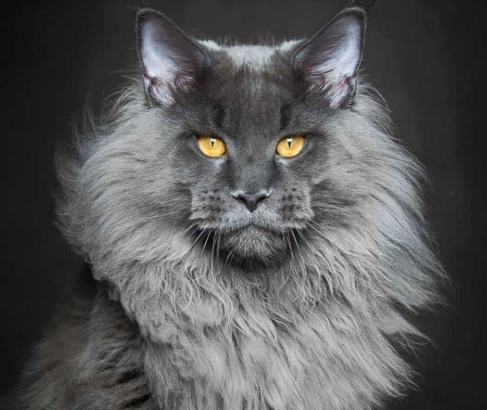
Diet, Litter, and Space
They need high-quality food to support their large frame. Look for formulas with real meat as the first ingredient. You're not feeding a kitten for longer, but you are feeding a substantial animal. Consult your vet, but expect to feed an adult Maine Coon cat between 200-300 calories per day, depending on activity level.
The litter box. This is critical.
A standard litter box is like asking an adult human to use a toddler's potty. It's awkward, messy, and they'll protest. You need an extra-large, high-sided box. Many owners use concrete mixing trays from hardware stores or invest in one of the giant enclosed boxes. One box per cat, plus one extra, is the rule. For a single Maine Coon, two large boxes is a wise minimum.
Space-wise, they don't need a mansion, but they appreciate vertical territory. A tall, sturdy cat tree (I mean really sturdy—wobbly ones won't cut it) is a fantastic investment. It gives them a perch to survey their domain and satisfies their climbing instinct.
Health and Lifespan: What You Need to Watch For
Maine Coons are generally robust, but like any purebred, they have predispositions to certain genetic conditions. A responsible breeder will screen for these. The Cat Fanciers' Association (CFA), a major cat registry, provides breed standards and breeder information, and ethical breeders affiliated with them often perform health testing.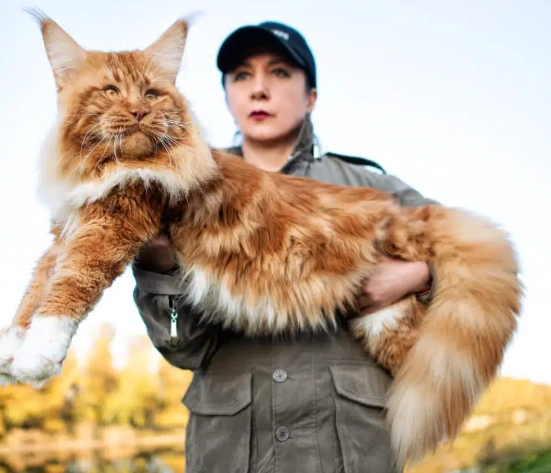
The big three to be aware of are:
- Hypertrophic Cardiomyopathy (HCM): This is a thickening of the heart muscle and is the most common heart disease in cats. A specific genetic mutation has been identified in some Maine Coon lines. Reputable breeders test their breeding cats for this mutation. Ask for proof. An echocardiogram (heart ultrasound) by a veterinary cardiologist is the gold standard for diagnosis.
- Spinal Muscular Atrophy (SMA): A genetic disorder that affects the muscles of the trunk and limbs. Kittens with SMA show a wobbliness by 3-4 months. It's non-fatal and doesn't cause pain, but it results in muscle weakness. Breeders can test for this.
- Hip Dysplasia: Yes, like in big dogs. Their large size can predispose them to malformation of the hip joint, which can lead to arthritis and pain. Good breeding practices can reduce risk.
Pet insurance is something I seriously wish I'd gotten sooner. A major health issue with a cat this size can lead to vet bills that are also... large. Companies like AKC Pet Insurance or others offer plans that can mitigate these unexpected costs. It's a monthly expense that can save heartache later.
With good care, a Maine Coon's lifespan is typically 12-15 years, though many live longer.
Myth Bust: "Maine Coons are hypoallergenic." This is false. No cat is truly hypoallergenic. Allergies are primarily to a protein (Fel d 1) found in cat saliva and skin oils, not just the fur. While some individuals with mild allergies might tolerate a Maine Coon better due to their silky coat (which may shed less dander into the air), they are not a safe bet for someone with severe cat allergies. Always spend time with the breed before committing.
Male vs. Female Maine Coon: Is There a Difference?
People often ask. Beyond the obvious physical difference (males are usually significantly larger, often 13-18 lbs+, while females are typically 8-12 lbs), personality differences are subtle and individual. Some say males are more overtly affectionate and goofy, while females are more independently regal. In my experience with Tiberius and my friend's female, the individual cat's personality matters more than gender. Both can be wonderful companions.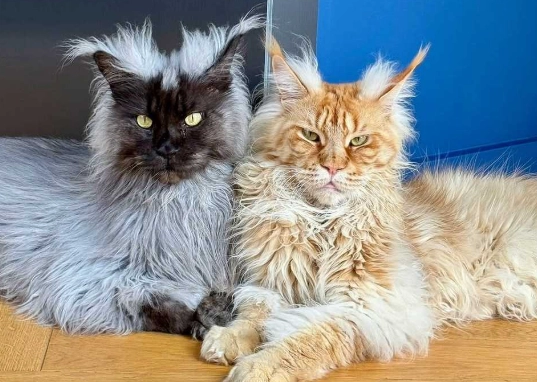
| Trait | Male Maine Coon | Female Maine Coon |
|---|---|---|
| Average Size | 13-18+ pounds, larger frame | 8-12 pounds, more refined frame |
| Physical Maturity | Slower to mature (3-5 years) | Matures slightly faster |
| Potential for "Stud Tail" | Higher (greasy base of tail) | Lower |
| Neutering/Spaying Impact | Critical to prevent spraying & roaming | Critical to prevent heat cycles & health issues |
| General Temperament* | Often described as more outgoing, "clownish" | Often described as equally affectionate but perhaps more reserved |
*Huge disclaimer: This is a broad generalization. The personality of your specific Maine Coon cat will depend more on genetics, socialization, and individual quirks than gender.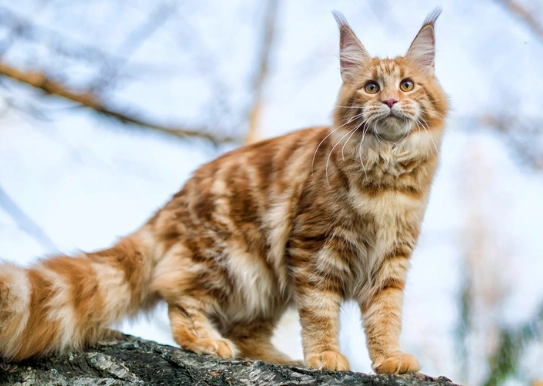
Finding Your Maine Coon: Breeder vs. Rescue
This is a major decision point.
Going through a Reputable Breeder: This is the most common route for getting a purebred kitten. Expect to pay anywhere from $1,000 to $2,500 or more. The price should reflect health testing of the parents (ask for HCM and SMA results!), proper care, and early socialization.
Red flags: breeders who have multiple litters always available, won't let you visit the home, don't ask you questions, or sell kittens before 12-16 weeks. A good breeder is a resource for the cat's entire life.
Rescue/Adoption: Yes, purebred Maine Coon cats do end up in shelters and breed-specific rescues. Adults are more common than kittens. This can be a wonderful way to give a cat a second chance and often comes at a lower cost. The downside is you may have less knowledge of their genetic health history. Organizations like Petfinder allow you to search for specific breeds in shelters near you.
I got Tiberius from a breeder, and while I have no regrets, I've since volunteered with a rescue and seen amazing Maine Coon mixes and purebreds looking for homes. It's a valid path if you're patient.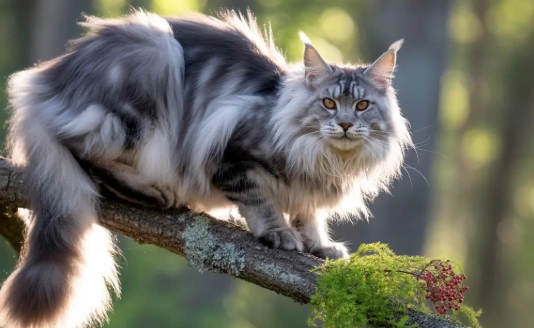
Your Maine Coon Questions, Answered
- Initial vet visits, vaccines, spay/neuter: $300-$700.
- Startup supplies (large carrier, giant litter box, sturdy bowls, tall cat tree, grooming tools): $300-$600.
- High-quality food and litter (monthly): $60-$100.
- Pet insurance (optional but recommended): $30-$60/month.
It adds up. They are not a budget pet.
The Final Word: Is a Maine Coon Cat Right for YOU?
So, after all this, who is the ideal Maine Coon person?
Think about your lifestyle. They are not a low-maintenance, "leave alone for days" pet. They thrive on companionship. They suit families, singles, couples—anyone who has the time for grooming, the space for their large accessories, and the budget for their care.
They are not for you if:
- You want a pristine, hair-free home (the shedding is real).
- You're on a very tight budget for food and potential vet care.
- You travel constantly and don't have a solid pet-sitting plan.
- You're looking for a dainty, aloof lap cat.
They might be your perfect match if:
- You want an interactive, engaging companion with a big personality.
- You don't mind (or even enjoy) a regular grooming routine.
- You have space for a cat who is a physical presence.
- You appreciate intelligence and gentle humor in a pet.
Living with a Maine Coon cat is an experience. It's finding tufts of fur in unexpected places. It's the soft chirp from the top of the bookshelf. It's the solid weight of a loyal friend leaning against you. It's a commitment, for sure. But for the right person, it's one of the most rewarding relationships you can have with a pet.
Do your homework, find a responsible source for your cat, and get ready for life to get a little bigger, a little fluffier, and a lot more interesting.