You've seen them online—those stunning cats with a mosaic of black, orange, and sometimes cream fur, looking like a walking autumn landscape. Then you see the price tag from a breeder: $1,500, $2,000, sometimes more. Your first thought is probably, "It's just a cat with a cool coat. Why are tortoiseshell cats so expensive?"
The short answer is a mix of genetics, supply, and demand. But the long answer, the one that explains why you might pay a premium, involves some fascinating biology and a bit of market reality. It's not just about looks; it's about how those looks come to be.
What to Expect in This Guide
The Genetics Game: Why You Can't "Breed" a Tortie
This is the core reason. A tortoiseshell isn't a breed like a Persian or a Siamese. It's a color pattern that can appear in many breeds and non-pedigree cats. The pattern requires two specific coat color genes: one for black (or its variants like chocolate) and one for orange (red).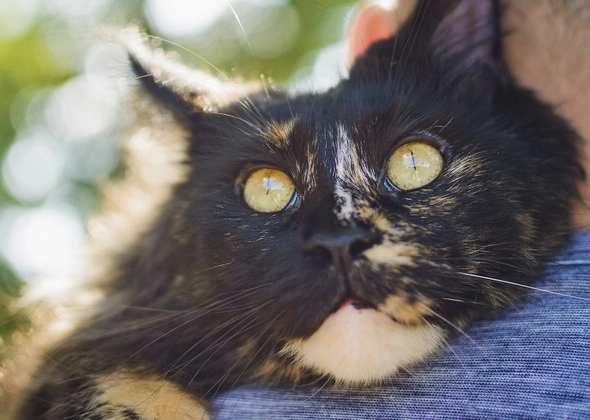
Here's the kicker: these genes are located on the X chromosome.
Quick Genetics Lesson: Females have two X chromosomes (XX). Males have one X and one Y (XY). For a cat to express both black and orange fur, it needs two X chromosomes—one carrying the black gene and one carrying the orange gene. During embryonic development, one X chromosome is randomly "turned off" in each cell (X-inactivation). The patches of color you see correspond to clones of those early cells. If the "black" X is off, orange fur grows. If the "orange" X is off, black fur grows. This is why the pattern is random and unique to every tortie.
So, by basic genetics, over 99.9% of tortoiseshell cats are female. Male torties are incredibly rare and usually sterile due to a genetic condition (XXY), which is a story for another day.
What does this mean for breeding? You can't pair two cats and guarantee tortoiseshell kittens. You can only stack the odds. Breed a black male to an orange female, or vice versa, and all the female kittens will be tortoiseshell (they get one X from dad and one from mom). But you still get male kittens of solid colors. A breeder aiming for torties in a specific breed has limited control over the outcome and the gender.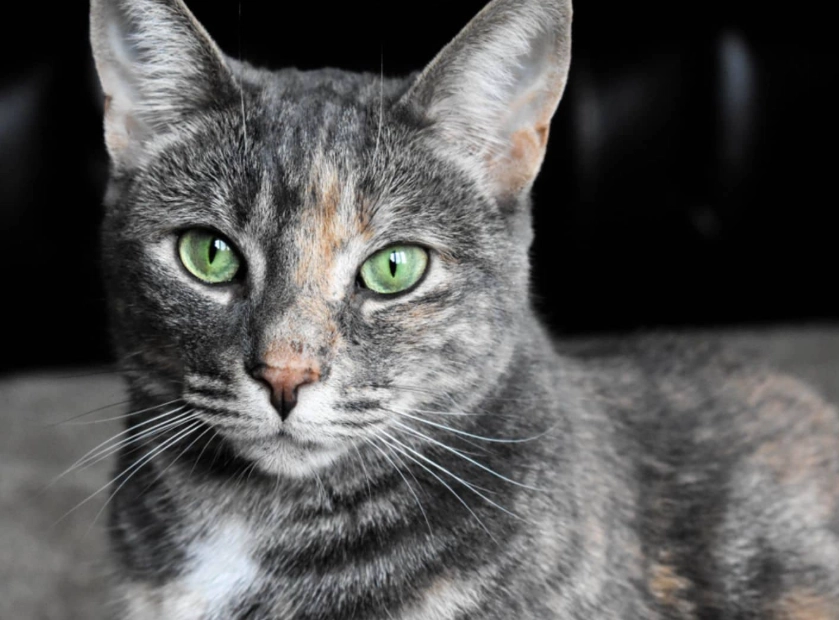
The Breeder's Investment: Time, Health, and Certainty
When you buy from a reputable breeder, you're not just paying for the cat. You're paying for years of work. Let's break down their costs, which get baked into that final price.
Health Testing is Non-Negotiable
Good breeders test their breeding stock for hereditary conditions common to their breed. For example, a British Shorthair breeder will screen for Hypertrophic Cardiomyopathy (HCM). These tests cost hundreds of dollars per cat. They do this to give you a healthy kitten, not just a pretty one. This upfront cost is massive but prevents heartbreak later.
The Quest for "Type" and Temperament
A breeder isn't just trying to get a tortie. They're trying to get a well-bred tortie that meets the breed standard for body shape, head type, eye color, and temperament. A litter might have a tortie female, but if her head shape isn't right or her personality is too shy, a serious breeder won't sell her as "show quality." They might place her as a "pet quality" cat at a lower—but still significant—price. The "perfect" tortie that fits all criteria is rarer still.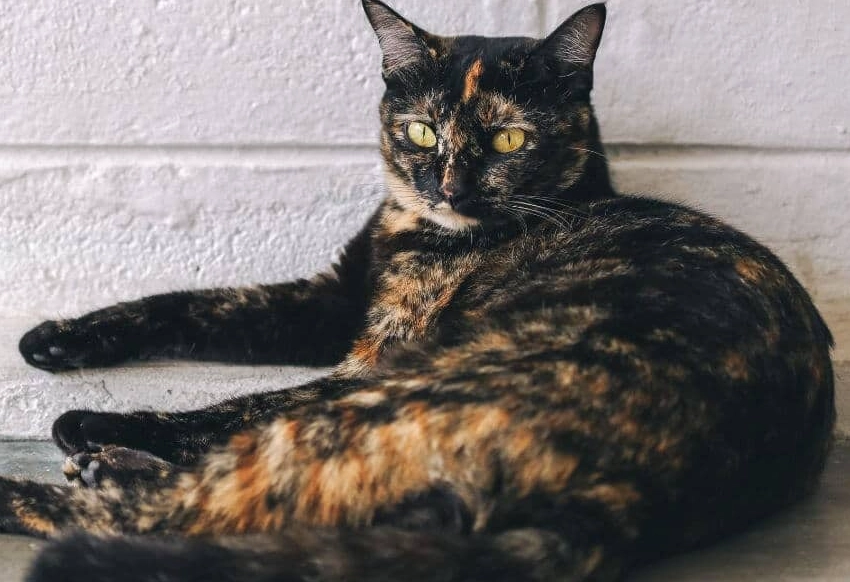
From Birth to Your Door
Think about the first 12-16 weeks of a kitten's life. Deworming, multiple rounds of vaccinations, microchipping, high-quality food, and litter. The breeder is also socializing that kitten—handling it daily, introducing it to household sounds, other pets, and people. This is full-time, hands-on labor. A friend who breeds Maine Coons told me she spends at least 3 hours a day with her litters. That time has value.
Many breeders also provide a starter kit, a health guarantee, and lifelong support. You're buying into their expertise.
Market Magic: The "Tortitude" Myth and Social Media
Economics 101: low supply + high demand = higher price. We've covered the supply part (female-only, random pattern). Now for demand.
The "Tortitude" phenomenon is real in pop culture. It's the idea that tortoiseshell (and calico) cats have a sassy, strong-willed, diva-like personality. While there's no solid scientific evidence linking coat color directly to personality (it's more about individual cat and upbringing), the myth persists. People want a cat with "attitude," a unique companion. This perceived uniqueness drives desire.
Then there's Instagram and TikTok. Visually striking cats get attention. A beautifully patterned tortie is inherently photogenic. This social media exposure fuels their popularity, making them seem more desirable and, by extension, more valuable in the marketplace.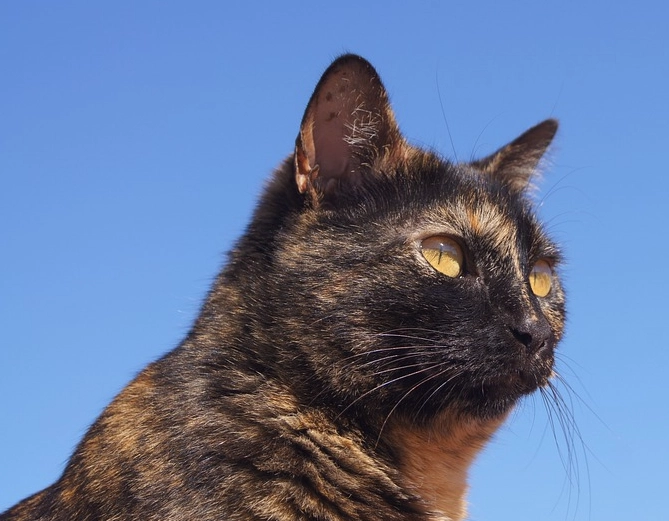
A subtle mistake I see: New buyers often conflate "rare color" with "better quality." A poorly bred tortie from a backyard breeder can still cost $800 because of its coat, but it may come with zero health testing, poor socialization, and genetic issues. The coat is a flashy feature that can mask a lack of substance in the breeding practices. Don't let the pattern blind you to the breeder's ethics.
Getting One: Price Ranges and Smart Alternatives
So, what are you actually looking at cost-wise? It varies wildly.
| Source | Typical Price Range | What You're Paying For | Considerations |
|---|---|---|---|
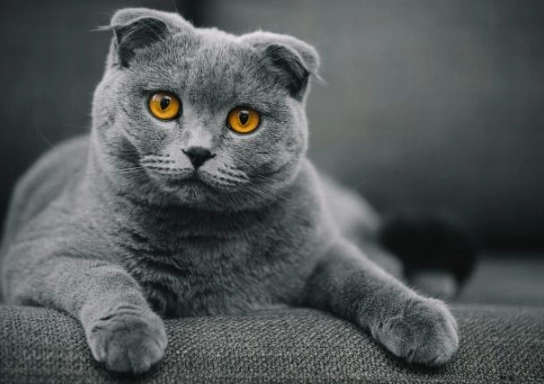
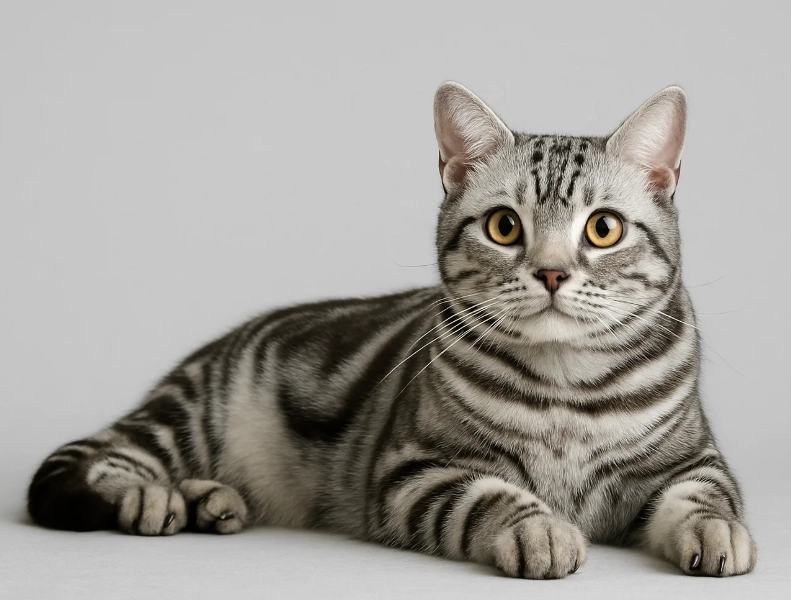
| Reputable Breeder (Purebred, e.g., Scottish Fold, American Shorthair) | $1,200 - $3,000+ | Predictable breed traits, extensive health testing, documented pedigree, early socialization, breeder support. | Highest cost. Waitlists are common. Ensure they are ethical (health tests, keeps cats in-home). |
| "Backyard" or Casual Breeder | $500 - $1,200 | Primarily for the coat color. Little to no health testing. Variable socialization. Often "first come, first served." | High risk. May contribute to overpopulation. Hidden vet bills likely. |
| Animal Shelter / Rescue | $50 - $300 | Adoption fee covers vet care (spay/neuter, vaccines, microchip), and supports the organization. | Best value. You save a life. Cat is likely a domestic shorthair/longhair mix. History may be unknown. |
| Breed-Specific Rescue | $200 - $600 | An adult or senior purebred cat. Medical and behavioral history is usually assessed. | Great for wanting a specific breed type without kitten cost. Less common to find torties. |
My personal take? I've had two torties in my life. One was a $75 adoption from a city shelter—a feisty, loving domestic shorthair who lived to 19. The other was a rehoming situation for $200. Their "Tortitude" was just cat personality amplified. Paying several thousand dollars never crossed my mind because I wanted a companion, not a living artwork.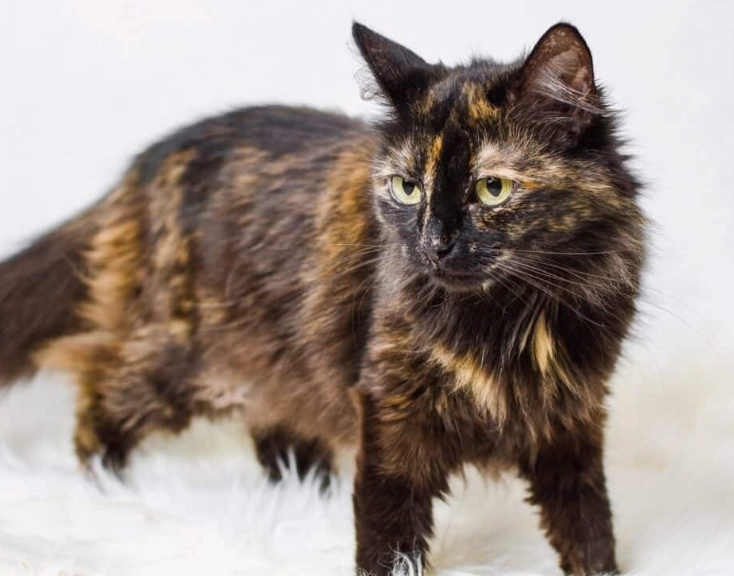
The "designer cat" market is a real thing. Some breeders charge premiums for "rare" expressions within the tortie pattern, like "torbies" (tabby + tortie) or dilute torties (grey and cream). It can feel excessive, and sometimes it is.
Your Tortie Cost Questions, Answered
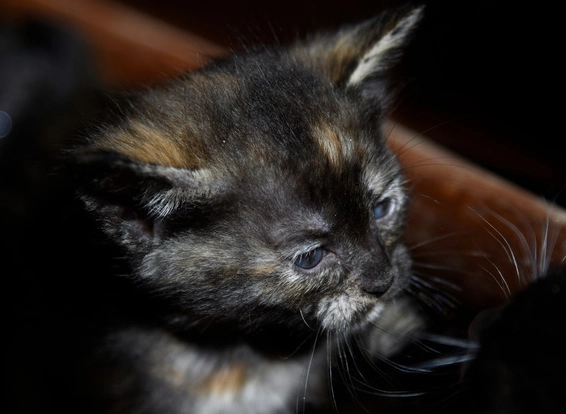
So, why are tortoiseshell cats so expensive? When sourced from a breeder, it's a premium for controlled genetics, health assurance, and dedicated early care within a specific breed. The biology makes them a less predictable product, and the market loves their unique look.
But remember, that stunning patchwork coat appears just as often in your local shelter. The cat might not have a pedigree, but she'll have just as much personality and love to give—for a much smaller price tag. The value is ultimately what you define it to be.