Your Quick Guide to British Shorthair Kittens
- Why a British Shorthair Kitten? The Breed's Unique Charm
- Finding Your British Shorthair Kitten: The Most Important Step
- Getting Ready: Your Home for a British Shorthair Kitten
- Life with Your New British Shorthair Kitten: Care Deep Dive
- Training and Behavior: Shaping a Great Companion
- Your British Shorthair Kitten Questions, Answered
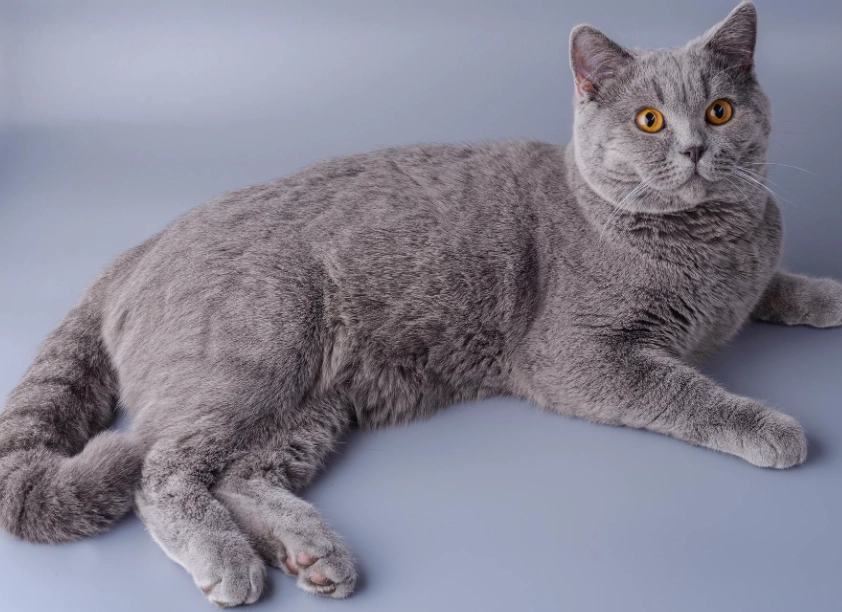
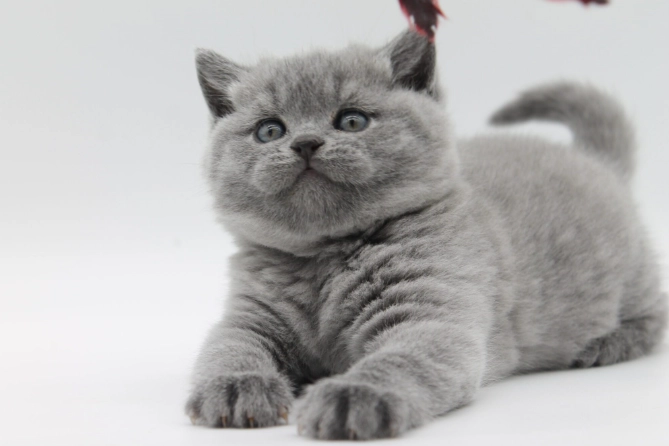
Let's be honest, you've probably seen those pictures online. The round face, the huge copper eyes, the plush gray coat that looks like it's made of velvet. The British Shorthair kitten is basically the teddy bear of the cat world, and it's no wonder you're thinking about bringing one home. I remember when I first met one at a friend's house – it just sat there calmly, observing the room with this wise, ancient look, and I was completely smitten.
But before you get lost in dreams of a cuddly, low-maintenance companion (they are, but there's more to it), there's a lot to figure out. Is this breed right for your lifestyle? How do you even find a good one? What are you signing up for in terms of care, health, and, let's face it, cost? This guide is my attempt to walk you through it all, the good and the not-so-glamorous, based on what I've learned from breeders, vets, and my own experiences in the cat world.
 Think of this as a chat with a friend who's been down this road before.
Why a British Shorthair Kitten? The Breed's Unique Charm
It all starts with history. This isn't some newfangled designer breed. The British Shorthair is old-school, often tracing its roots back to the domestic cats of Rome that came to Britain centuries ago. They were working cats once, which explains a lot about their sturdy, no-nonsense personality. The modern breed as we know it, particularly the iconic "British Blue," was developed through careful breeding programs. If you want to dive into the official breed standards, organizations like The Cat Fanciers' Association (CFA) have detailed write-ups that breeders follow.
That Iconic Look: More Than Just "Cute"
Everyone talks about the roundness. And it's true. A British Shorthair kitten grows into a cat with a round head, round eyes, round paws – it's all very circular and pleasing. Their coat is dense and plush, standing away from the body, which gives them that quintessential stuffed-animal feel. While blue (gray) is the most famous color, thanks to those old Whiskas ads, they come in a rainbow of colors and patterns now: black, white, cream, silver tabby, even colorpoint like a Siamese.
But here's a personal observation: not every "British Shorthair" you see online is the real deal. Some are mixes or just chubby domestic cats. A purebred British Shorthair kitten has a specific structure – a cobby, muscular body, a short but thick tail, and that distinctive dense coat. It's a look of substance, not just fluff.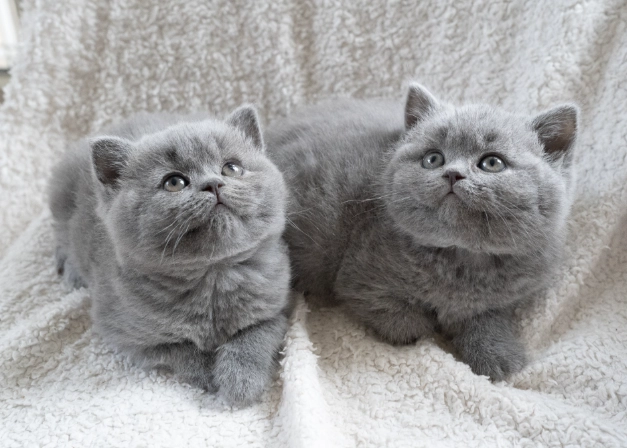
The Personality: Laid-Back, Not Lap-Cat (Necessarily)
This is where people sometimes get the wrong idea. They see a fluffy kitten and assume it will be a constant cuddle bug. The British Shorthair temperament is more "affectionate but on my own terms." They form deep bonds with their families but aren't usually clingy. They'd rather sit next to you on the sofa than on top of you (though some will, especially as they age).
Key traits of a British Shorthair kitten's personality:
- Calm and Adaptable: They're not typically hyperactive or skittish. This makes them fantastic for apartments or quieter households.
- Playful, Not Destructive: They enjoy play sessions but are less likely to scale your curtains at 3 AM. A good wand toy session will satisfy them.
- Quiet Voices: They're not a vocal breed. You might get a soft chirp or meow, not constant yowling.
- Independent Streak: They're okay with being alone for reasonable periods, making them somewhat better for people with regular jobs than some ultra-needy breeds.
Finding Your British Shorthair Kitten: The Most Important Step
This is where you can't cut corners. A poorly bred British Shorthair kitten can come with a lifetime of health and behavioral issues. I've heard too many sad stories from people who bought a "cheap" kitten online only to face heartbreak and huge vet bills.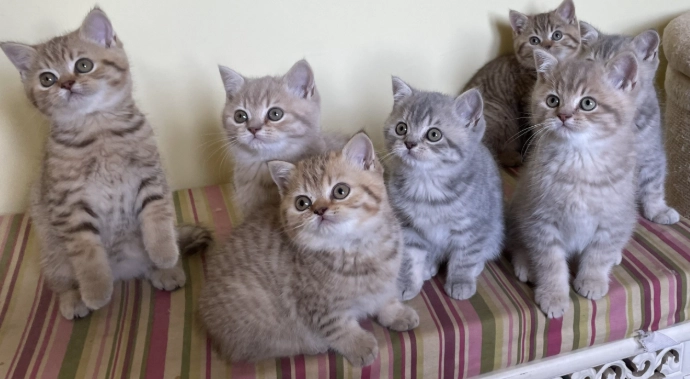
Reputable Breeder vs. Everything Else
A responsible breeder is your best bet. They health-test their breeding cats for known genetic issues common in British Shorthairs (more on that later). They raise kittens in their home, socialize them with people, sounds, and handling, and they are a resource for you for the cat's entire life. They'll ask you as many questions as you ask them.
Red flags? A breeder who always has kittens available, who won't let you visit the home, who sells kittens before 12-14 weeks of age, or who offers multiple rare colors at low prices. Kittens are not factory products.
Check registries like The International Cat Association (TICA) or CFA for breeder directories. Expect a waitlist. A well-bred British Shorthair kitten price typically ranges from $1,500 to $3,000+ depending on location, pedigree, and color.
What to Ask and Look For When You Visit
When you finally get to visit a litter, don't just melt over the cuteness. Observe.
- Environment: Is it clean, spacious, and part of the home?
- Kitten's Condition: Clear eyes and nose? Clean ears? Plump but not pot-bellied (which can indicate worms)? Active and curious, not lethargic or hiding?
- Socialization: Does the kitten seem comfortable being handled? Does it react to new people with curiosity rather than fear?
- Paperwork: Ask to see health records for the kitten (vaccinations, deworming) and the health testing results for the parent cats. A good breeder will provide this willingly.
Bringing home a healthy, well-socialized British Shorthair kitten from the start is the single biggest thing you can do to ensure a happy life together.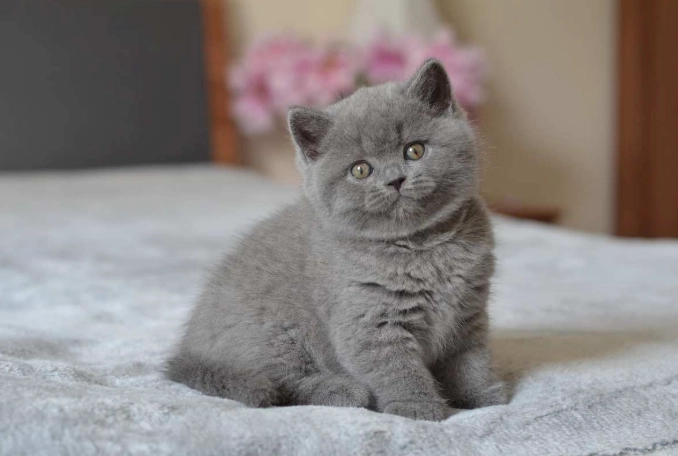
Getting Ready: Your Home for a British Shorthair Kitten
Okay, you've found your breeder and put down a deposit. The wait begins! Use this time to kitten-proof and shop. Here's a practical list of what you'll actually need.
- Food & Water: Stainless steel or ceramic bowls (wide and shallow to avoid whisker fatigue). Ask your breeder what food they use to start with.
- Litter Box: Get a large one with low sides for easy entry. They grow into big cats! Unscented, clumping litter is usually a safe bet.
- Scratching Posts: Multiple, sturdy ones. Vertical sisal posts and horizontal cardboard scratchers. Place them near sleeping areas and furniture corners.
- Bedding: A soft bed, but honestly, they'll sleep anywhere. A cardboard box with a blanket will likely be the favorite.
- Toys: Wand toys for interactive play, a few kicker toys, and some soft balls. Avoid small toys they can swallow.
- Carrier: A sturdy, hard-sided carrier for vet visits. Get them used to it by leaving it out as a bed.
- Grooming Tools:A fine-toothed metal comb is essential for their dense coat. A slicker brush can help too. Start young!
Kitten-proofing is key. They are curious. Secure loose wires, remove toxic plants (lilies are extremely dangerous), ensure window screens are tight, and put away small objects they could choke on.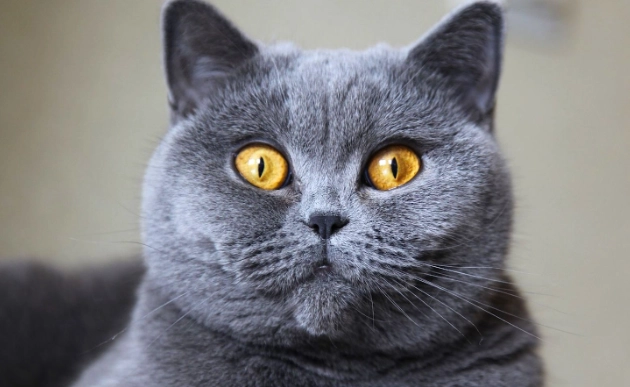
Life with Your New British Shorthair Kitten: Care Deep Dive
The kitten is home! It's a whirlwind of adorable moments and maybe a few accidents. Here's the real deal on daily care.
Feeding: Building a Sturdy Cat
British Shorthairs have a tendency to gain weight if free-fed. They're not the most athletic cats, and that cobby frame can easily become overweight. I made this mistake with my first cat, a different breed, and the vet bills for diabetes were no joke.
Feed a high-quality kitten food, wet or dry or a mix, based on your vet's recommendation. Portion control is your friend. Establish set meal times rather than leaving food out all day. As they transition to adulthood, you'll need to adjust portions to maintain an ideal weight. You should always be able to feel their ribs with a slight padding.
Grooming: It's Not Just for Looks
That beautiful dense coat mats if neglected. It's deceptive because it looks short, but it's thick. A weekly combing session is non-negotiable. It removes dead hair, prevents hairballs, and is a great bonding activity. During shedding seasons (spring and fall), you might need to do it more often.
Get them used to having their paws handled (for nail trims) and their mouth touched (for future dental care). Make grooming a positive experience with treats and praise.
Health & Vet Care: Prevention is Everything
Your British Shorthair kitten will need a series of vaccinations and regular check-ups. Spaying or neutering is crucial unless you are an ethical breeder. But beyond routine care, there are some breed-specific considerations.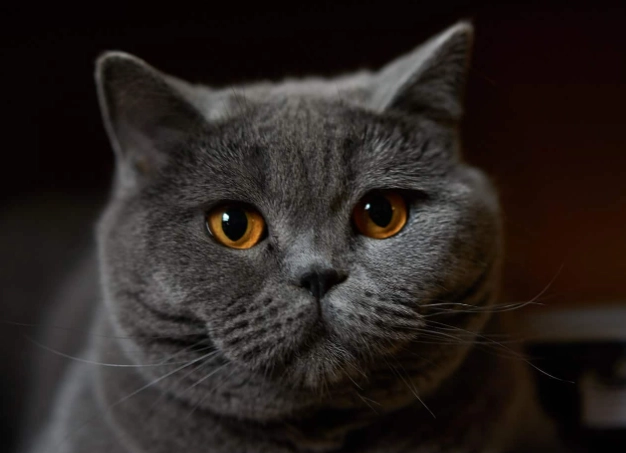
Reputable breeders test for:
- Hypertrophic Cardiomyopathy (HCM): A heart condition. Ask your breeder for proof of recent (within a year) echocardiogram clearances for the parents.
- Polycystic Kidney Disease (PKD): Less common in British Shorthairs than Persians, but some lines can be affected. Ultrasound screening of parents is the test.
Because of their dense bone and body structure, they can be prone to joint issues like arthritis later in life. Keeping them at a healthy weight is the number one thing you can do to prevent this. Resources like the Cornell Feline Health Center have great info on managing conditions like arthritis in cats.
Training and Behavior: Shaping a Great Companion
Yes, you can train a cat. British Shorthair kittens are intelligent and food-motivated, which makes training easier.
Litter Box 101
Most kittens from a good breeder will already be litter trained. Just show them where the box is when they arrive. Keep it clean – scoop daily, change litter regularly. If there's an accident, never punish. Just clean it thoroughly with an enzymatic cleaner to remove the scent.
Scratching: Redirect, Don't Punish
Scratching is natural. If they scratch the sofa, gently pick them up and place them on the scratching post. Praise them when they use it. You can use catnip or pheromone sprays on the post to attract them. Claw caps or regular trimming can also help manage damage.
Socialization is Key
The prime socialization window is before 14 weeks. A good breeder starts this, but you continue. Gently expose your British Shorthair kitten to different people, gentle handling, household noises (vacuum, TV), and if you plan for it, other pets. Do it slowly and make it positive. A well-socialized kitten becomes a confident, easy-going adult cat.
That independent streak means they usually handle changes like guests or moving house better than some breeds, but a solid foundation makes all the difference.
Your British Shorthair Kitten Questions, Answered
I get asked these all the time. Let's tackle some common ones.
Bringing a British Shorthair kitten into your life is a long-term commitment to a wonderful, charming, and distinctly personality-filled creature. They are not the cat for someone who wants a constant lap-sitter or a highly interactive playmate, but they are perfect for someone who appreciates quiet, steady companionship with a side of dignified silliness.
If you take the time to find a responsible breeder, prepare your home, and commit to their specific care needs, you'll be rewarded with a loyal, beautiful friend for many years. That round-faced British Shorthair kitten gazing up at you will grow into a cat with immense presence and a heart just as full as its cheeks.
Got more questions? The best resources are often breed-specific clubs and your own veterinarian. Don't be shy about asking. After all, it's a big decision – but for the right person, it's one of the best you'll ever make.