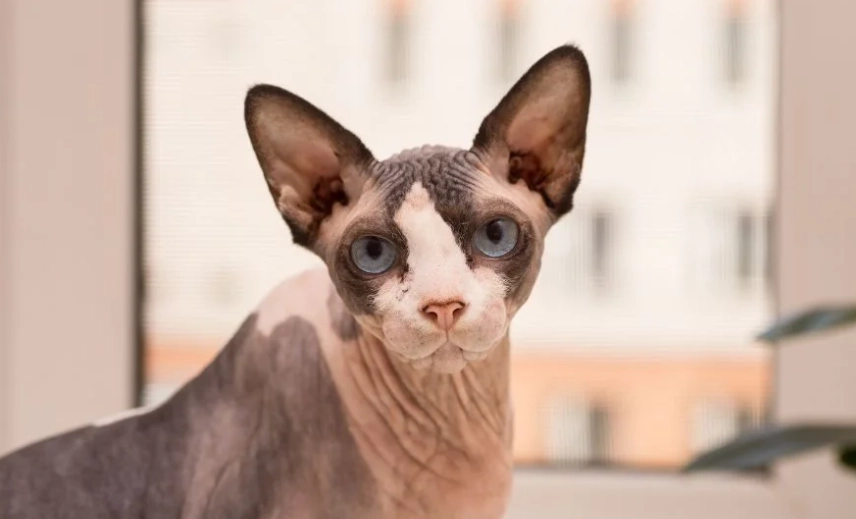
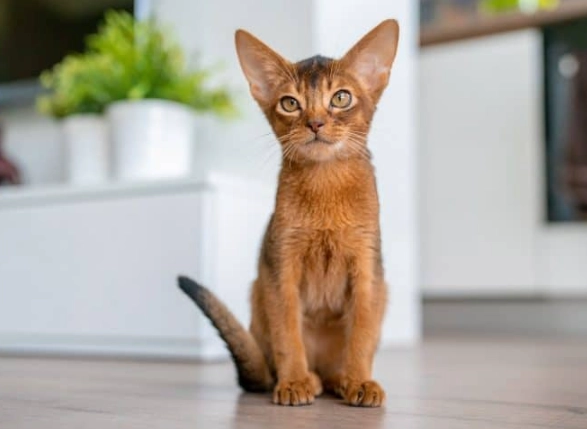
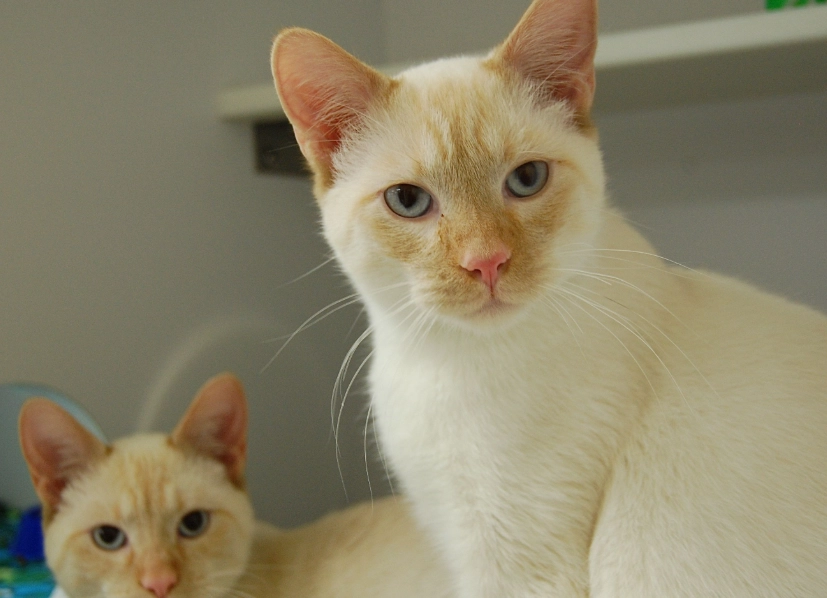
You see a photo of a cat that looks like a living snowdrift with piercing blue eyes. The caption calls it a "White Russian." Your mind jumps to images of a sleek, elegant, and mysteriously quiet feline. Let me stop you right there. If you're imagining a silent, aloof statue, you're in for a surprise. The personality of a White Russian cat is a fascinating, complex cocktail of traits that often defies the elegant first impression. It's less like owning a porcelain figurine and more like living with a highly intelligent, chatty, and surprisingly dog-like roommate who happens to be breathtakingly beautiful.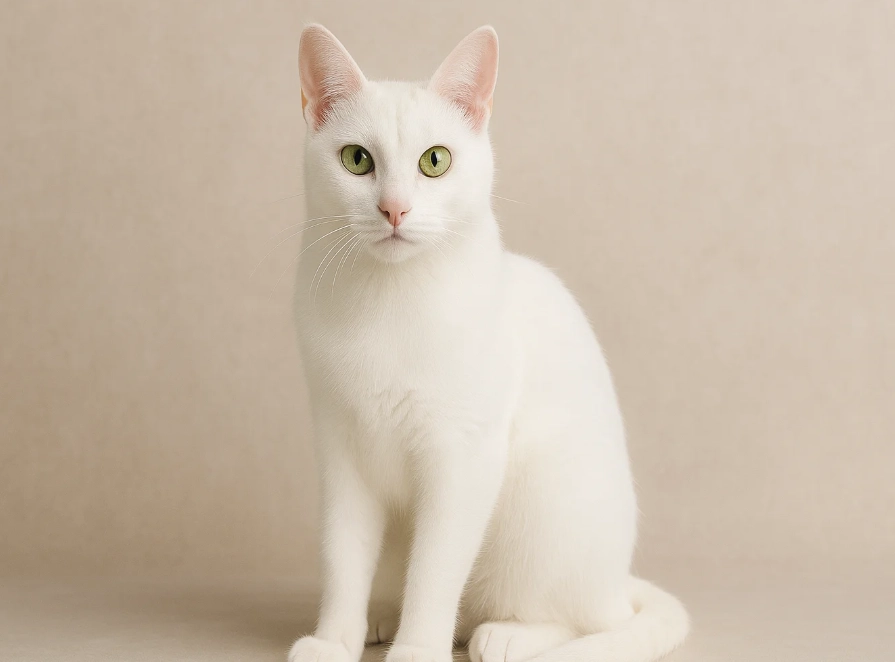
What's Inside?
What Exactly is a "White Russian Cat"?
Here's the first nuance most articles miss: "White Russian" isn't a formally recognized breed by major registries like The International Cat Association. It's a descriptive term. It typically refers to a cat of Russian lineage—most commonly a Russian Blue or a Siberian—that exhibits a pure white coat. This white coat is the result of specific genetic factors, often the dominant white gene or a carefully selected recessive trait in breeding programs.
So, when we talk about White Russian cat personality, we're really discussing the underlying breed personality, filtered through the potential influences of the white coat gene. This is crucial. A white Siberian will have a different energy level than a white Russian Blue, though they may share some common threads.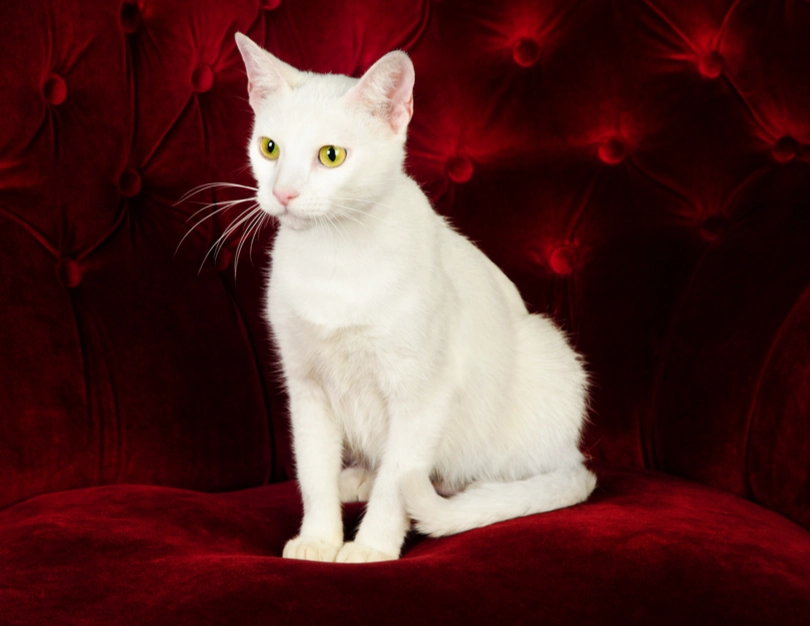
The Core Personality: More Than Just a Pretty Face
Based on years of talking to breeders and owners, the personality profile that emerges is distinct. Forget the aloof Russian Blue stereotype—the white versions, perhaps due to outcrossing or simply individual variation, often show a more outgoing side.
The Vocal Conversationalist
This is the biggest surprise for new owners. These cats are rarely silent. They don't just meow; they chirp, trill, and produce a soft, melodic chatter. A friend of mine has a white Siberian who will have full-blown "conversations," responding to every question with a nuanced chirp. It's not loud, yowling demand; it's more like they're keeping you updated on their thoughts. If you want a quiet apartment, think twice.
Devoted, but on Their Terms
They form incredibly strong, almost dog-like bonds with their chosen person. You'll have a shadow that follows you from room to room. But here's the non-consensus bit: this devotion isn't always cuddly. They might prefer to be in the same room, perched on a high shelf watching you, rather than curled on your lap. They crave proximity and involvement, not necessarily constant physical contact. They'll often greet you at the door and want to supervise all your activities.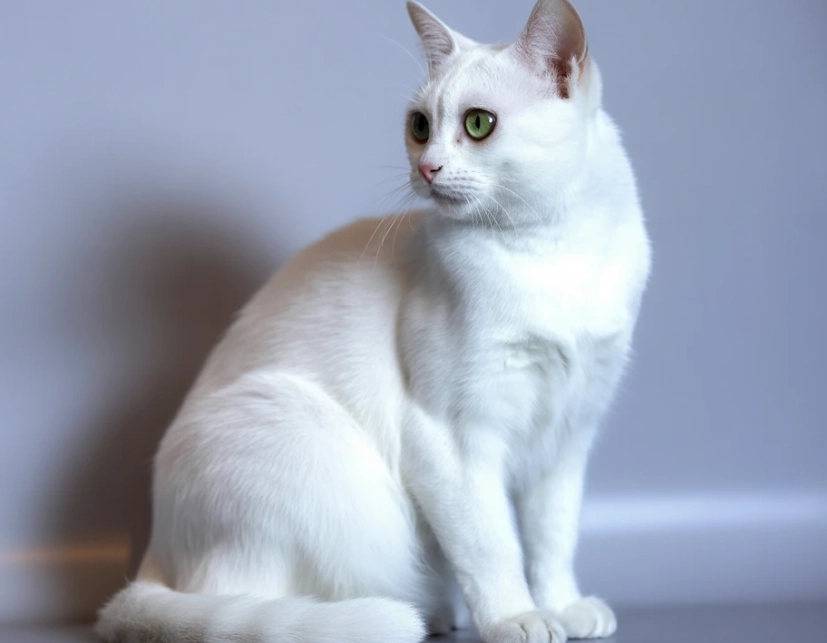
A Cautious Intelligence
They're sharp. Puzzle toys are a must, or they'll invent their own puzzles (like figuring out how to open cabinet doors). This intelligence pairs with a natural wariness. New people, loud noises, or sudden changes in furniture arrangement can send them into hiding. The adjustment period for new situations is longer than with some more gregarious breeds. You can't force confidence; you have to let them build it through predictable routines.
| Personality Trait | Manifestation | Owner Action Needed |
|---|---|---|
| Vocalization | Soft chirps, trills, conversational meows | Engage in "talk," don't ignore it. It's bonding. |
| Attachment | Shadow-like following, selective cuddling | Respect their space. Let them initiate close contact. |
| Intelligence | Quick to learn, loves puzzles, can be mischievous | Provide interactive toys and regular play sessions. |
| Wariness | Hides from guests, slow to adapt to change | Provide safe hiding spots, maintain routines, introduce changes slowly. |
| Playfulness | Retains playful energy into adulthood, enjoys fetch | Dedicate 15-20 mins daily to interactive play. |
Special Care Considerations You Can't Ignore
The white coat and common blue eyes aren't just cosmetic. They come with a set of care instructions that are non-negotiable for a healthy, happy cat.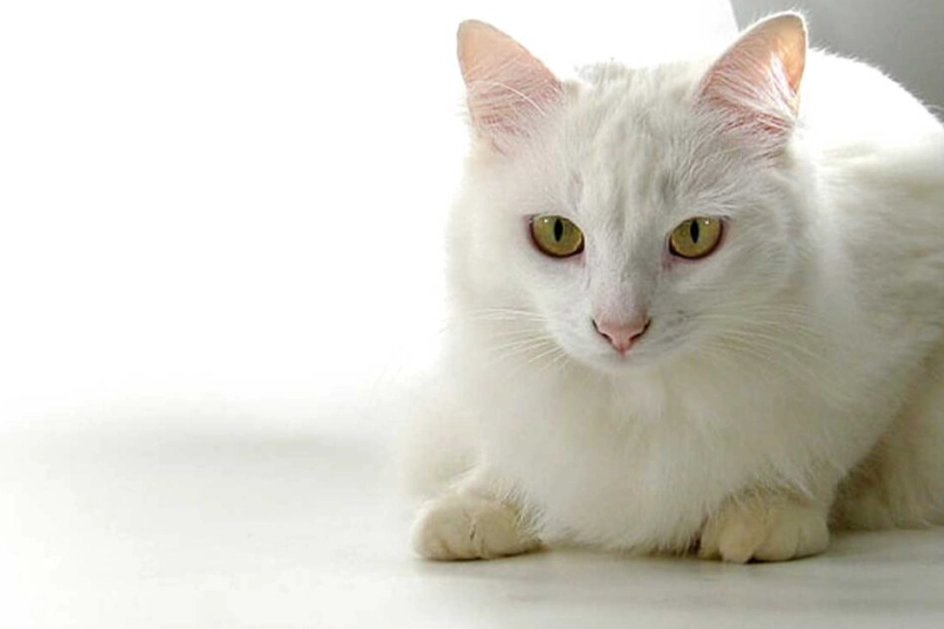
The Deafness Question
This is the most critical health link. The gene responsible for the white coat and blue eyes (the dominant white gene, often associated with the W locus) can sometimes inhibit the proper development of the inner ear. A white cat with two blue eyes has a significantly higher chance of being deaf. It's not a guarantee, but it's a real risk you must be prepared for.
If your cat is deaf, it changes your communication strategy completely. You rely on visual cues and vibrations. Stomping your foot on the floor to get their attention, using laser pointers or flashlight signals for "come," and approaching them carefully so you don't startle them are daily practices. Deaf cats can live perfectly full lives, but their world is different.
Sunblock for Cats? Seriously.
That beautiful white fur offers little protection against UV rays. White cats, especially those with sparse hair on the ears and nose, are at a much higher risk for squamous cell carcinoma, a type of skin cancer. If your cat enjoys sunbathing, you need to manage their exposure.
Keep them indoors during peak sun hours (10 am - 4 pm). For cats with access to a sunny patio, talk to your vet about pet-safe sunscreens for their ears and nose. It's not a joke; it's a legitimate part of caring for a white-coated animal.
Grooming: It's About More Than Looks
The white coat shows every speck of dirt and every tear stain. You'll be wiping their eyes more often than with a darker cat. But grooming is also about bonding. A weekly brush helps distribute skin oils, prevents mats (especially in long-haired Siberians), and is a calm, trust-building activity for a cat that values routine. Get them used to it as kittens—ears, paws, the whole deal.
Living With a White Russian: A Realistic Guide
So, what does a day in the life actually look like? Let's walk through a scenario.
Morning: You're woken not by an alarm, but by a soft paw tapping your face, accompanied by a questioning chirp. Breakfast is a ritual. After eating, instead of zoomies, your cat might follow you to the bathroom, then station themselves on a windowsill perch to watch birds—their version of morning TV.
Your Workday: If you work from home, expect a supervisor. They'll nap in a chair in your office, waking periodically to comment on your typing. Around 2 PM, the playful energy hits. This is when you break out the feather wand for a 10-minute hunting session. If you skip it, they might "help" you by knocking pens off your desk.
Evening: They're involved in dinner prep (from a safe distance). After dinner is prime lap-sitting time, but only for 15-20 minutes before they retire to their favorite high perch. Guests come over? Don't expect a greeting. They've vanished, and might only reappear once the house is quiet again.
The environment you create is key. They need vertical space—cat trees, wall shelves—to feel secure. They thrive on predictability. Feed them at the same times, play at the same times. A sudden change, like a new piece of furniture, will be investigated with extreme caution for days.
Your White Russian Cat Questions, Answered
Is a White Russian cat with blue eyes always deaf?
Not always, but the risk is significantly higher. The gene responsible for the white coat and blue eyes (often the dominant white gene) can affect the development of the inner ear. A white cat with two blue eyes has a roughly 60-80% chance of being deaf. One blue eye carries a 30-40% risk for deafness on that side. The only way to know for sure is through a BAER test administered by a veterinarian.
How do I keep my indoor White Russian cat entertained?
These are intelligent cats that crave mental and physical work. Puzzle feeders that make them 'hunt' for kibble are excellent. Set up a 'cat superhighway' with wall shelves and perches for climbing. Rotate interactive toys like feather wands daily to prevent boredom. Most importantly, schedule dedicated play sessions that mimic hunting: short bursts of intense activity followed by a 'catch' and a rest period.
My White Russian cat follows me everywhere but runs from guests. Is this normal?
Completely normal for their personality profile. They often form an intensely devoted bond with one or two primary people, becoming their 'shadows.' Strangers represent an unknown variable, triggering their cautious side. Never force interaction. Ask guests to ignore the cat, perhaps tossing a treat without making eye contact. Let the cat initiate contact on its own terms, which may take several visits.
What's the biggest mistake new owners make with a White Russian cat's personality?
Assuming they are low-maintenance lap cats. Many are surprised by the volume and frequency of their vocalizations—they want to converse. Another mistake is underestimating their need for environmental control. A home without vertical space or predictable routines is stressful for them. The biggest error is not planning for potential deafness; using visual cues like light flashes for 'come' instead of a voice command is a proactive step every owner should consider.
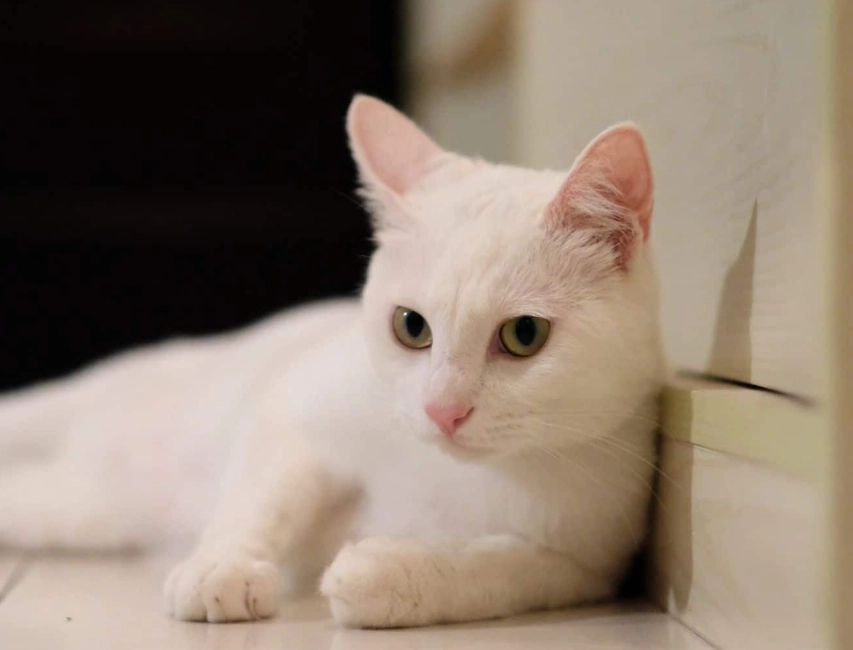 Owning a White Russian cat is a commitment to understanding a complex creature. It's not just about managing a white coat or appreciating blue eyes. It's about engaging with a talkative, intelligent, and deeply loyal companion who views your home as their shared kingdom. They reward a patient, observant owner with a bond that feels uniquely profound. If you're ready for the conversation, the supervision, and the specific care, you'll find a friend like no other.