Let's get straight to the point. If you're an allergy sufferer dreaming of a Somali cat's stunning, fox-like tail and playful personality, you need a clear answer. No, Somali cats are not hypoallergenic. There's a persistent myth that links a cat's hair length to its allergy potential, and the Somali's medium-long coat often gets it wrongly lumped into the "maybe safe" category. The reality is more scientific and less about fluff. Allergies are triggered by a protein called Fel d 1, found in cat saliva, skin glands, and, to a lesser extent, urine. When cats groom, that saliva dries on their fur and becomes airborne dander. A Somali cat produces this protein just like any other.
What You'll Find in This Guide
But here's the nuance most articles miss: while no breed is truly hypoallergenic, some individual cats produce lower levels of Fel d 1. I've met Somali owners with mild allergies who do just fine, and others who react terribly. It's personal. Your mission isn't to find a magic "hypoallergenic" label, but to understand your own sensitivity and learn how to manage the environment. This guide will walk you through exactly that.
The Science Behind Cat Allergies (It's Not the Hair)
Thinking that long-haired cats are worse for allergies is the first big mistake people make. The allergen isn't the hair itself; it's the microscopic flakes of skin (dander) that carry the Fel d 1 protein. A short-haired cat that grooms obsessively can spread more allergen than a laid-back longhair. The Cat Fanciers' Association (CFA) and the Asthma and Allergy Foundation of America (AAFA) are clear on this: there is no scientifically proven hypoallergenic cat breed.
What matters more is the individual cat's biology. Factors like sex (intact males often produce more Fel d 1 than neutered males or females), genetics, and even diet can influence allergen levels. So when you ask "are Somali cats hypoallergenic?", you're really asking about a statistical average that may not apply to the specific kitten you fall in love with.
Key Takeaway: Your immune system reacts to the Fel d 1 protein, not cat hair. Grooming habits and individual physiology are bigger allergy factors than coat length.
Where Somali Cats Really Stand on the Allergen Scale
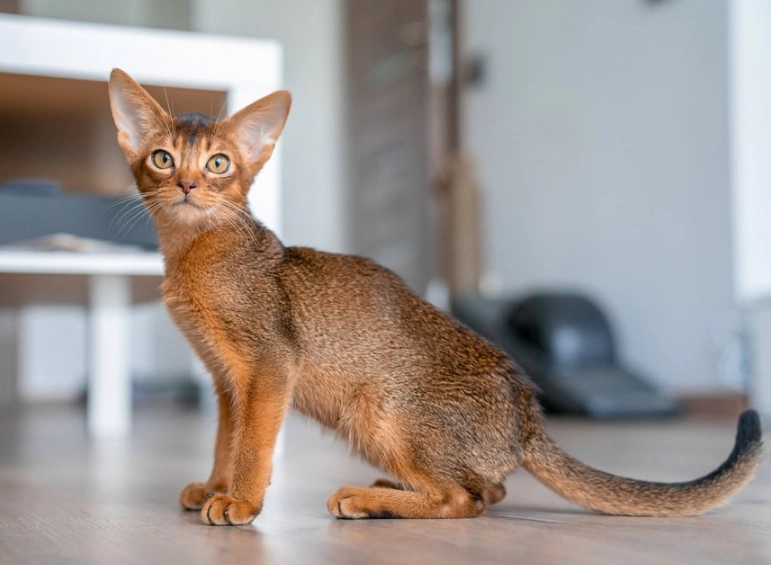
Since we must compare, let's look at Somali cats relative to others. They are a long-haired variety of the Abyssinian. There's no conclusive study ranking Somali allergen production, but anecdotal evidence from breeders and owners places them in the middle of the pack. They aren't known as extremely high shedders of dander like some breeds, but their beautiful double coat does require regular grooming, which can stir up allergens.
Here’s a practical comparison based on common reports and breeder observations:
| Cat Breed / Type | Relative Allergen Potential (Reported) | Notes Relevant to Allergy Sufferers |
|---|---|---|
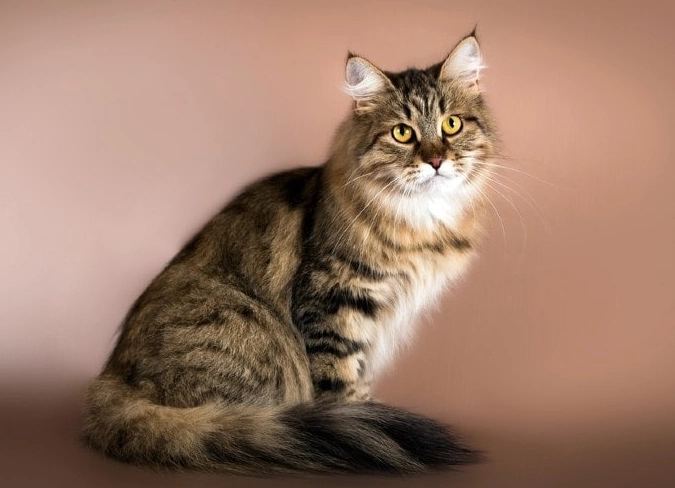
| Siberian | Lower-Moderate | Some studies suggest a portion of the breed may produce less Fel d 1. Still, individual variation is huge. |
| Balinese / Oriental Shorthair | Lower-Moderate | Often mentioned as "better" for allergies, but this is not a guarantee. Their single coat may trap less dander. |
| Somali | Moderate | Moderate dander shedding. The main issue is their coat requires brushing, which is an allergen-disturbing activity. |
| Domestic Shorthair | Moderate-High | The "average" cat. Allergen levels depend entirely on the individual cat's genetics and habits. |
| Persian / Himalayan | Moderate-High | High-maintenance coats that mat if not brushed daily, leading to frequent grooming and dander release. |
See the problem with rankings? They're vague. A "moderate" rating for Somalis tells you little about the cat you might adopt.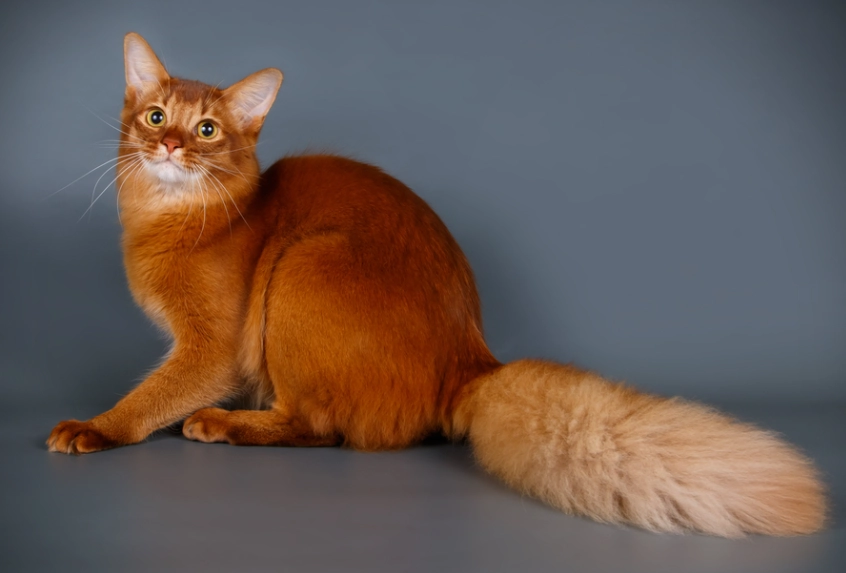
How to Test Your Reaction Before Bringing One Home
This is the most critical, yet most skipped, step. Don't rely on breed reputation. Test yourself. Here’s a real-world plan I recommend to friends, developed after seeing too many "I thought it would be okay" returns to breeders.
Step 1: Find a Source for Extended Exposure
Visiting a cattery or a home with a Somali cat for 30 minutes isn't enough. Mild allergies often have a delayed or cumulative reaction. You need a longer test.
- Ideal: Ask a reputable breeder if they allow a multi-hour home visit or a short-term foster-to-adopt trial. Ethical breeders who care about fit will often work with you.
- Alternative: Spend 2-3 hours in the breeder's home, preferably in a room where the cats live. Sit on furniture, handle the cats, then rub your hands near your face and nose.
Step 2: Simulate Real Living Conditions
Wear a cotton sweater or fleece during your visit—fabrics that trap dander. When you leave, put the sweater in a plastic bag. A day or two later, take it out in your living room, give it a shake, and see if you react. This mimics the allergen load that will accumulate in your home.
Step 3: Monitor Your Body's Signals
Look beyond immediate sneezing. Pay attention over the next 24-48 hours for:
- Itchy, watery eyes
- Scratchy throat or post-nasal drip
- Eczema flare-ups or skin rashes (especially where the cat licked or touched you)
- A subtle feeling of tightness in your chest (don't ignore this one)
If you experience any of these, especially the last one, a Somali cat is likely not a safe choice for you, regardless of its "moderate" rating.
A Pro Allergy Management Strategy for Somali Cat Owners
Let's say your test reaction was minimal, or your allergies are mild and you're determined to proceed. Success hinges on management, not magic. Here’s a layered defense strategy.
Environmental Control is Your Best Weapon:
- Create a Cat-Free Sanctuary: Your bedroom. This is non-negotiable. Use a high-efficiency particulate air (HEPA) purifier in there 24/7. Keep the door closed.
- Upgrade Your Vacuum: Get a vacuum with a true HEPA filter and use it on all soft surfaces (sofas, carpets, curtains) at least twice a week. I made the mistake of using a cheap vacuum for years—the difference with a proper one is night and day.
- Furniture & Flooring: Hard floors are easier than carpet. Leather or vinyl furniture is better than cloth. If you have cloth furniture, use washable covers.
Direct Cat Care Tactics:
- Grooming Protocol: Brush your Somali outside or in a well-ventilated area, ideally by a non-allergic family member. Do it frequently to catch loose hair and dander before it spreads. Wipe the cat down weekly with a damp cloth or a product like Allerpet cat dander remover, which can help neutralize allergens on the fur.
- Dietary Considerations: Some emerging research, like that cited by Purina in developing their Pro Plan LiveClear food, suggests a specific egg-based ingredient can reduce active Fel d 1 in saliva. It's not a cure, but it's a tool that may help lower the overall allergen load. Talk to your vet.
Personal Care: Wash your hands after petting your cat. Don't rub your eyes. Consider changing clothes after a long cuddle session. Over-the-counter antihistamines or nasal corticosteroids can be part of a management plan, but discuss this with your doctor. Relying solely on meds is a shaky long-term plan.