In This Guide
- Where Did These “Fairy-Tale Cats” Really Come From?
- Not Just a Fluffy Face: The Physical Hallmarks of a Wegie
- Personality: The Heart of the “Skogkatt”
- Caring for Your Miniature Lion: Grooming, Health, and Diet
- Dispelling the Myths: Norwegian Forest Cat FAQs
- Is a Norwegian Forest Cat Right for You? A Final Reality Check
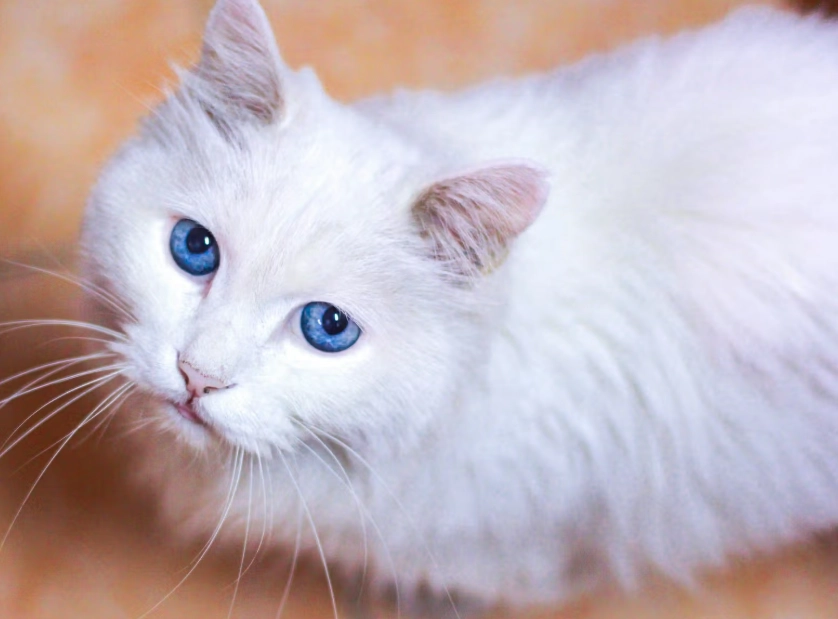
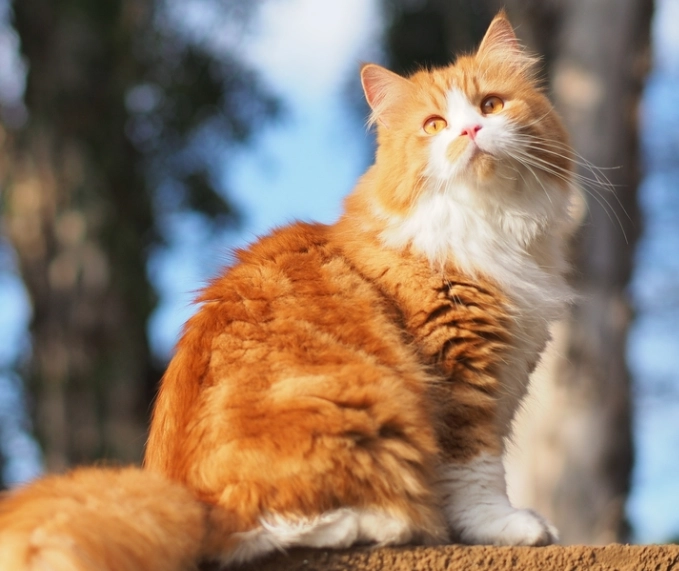
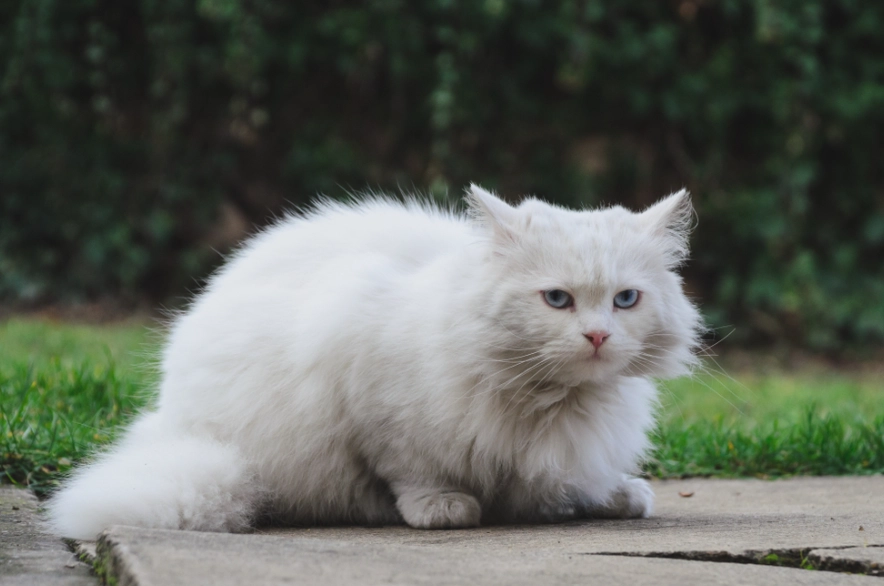
So, you've fallen under the spell of those stunning, fluffy cats with the lynx-like ears and the bushy tail. You're not alone. Pictures of Norwegian Forest Cats, or "Wegies" as fans affectionately call them, are all over the internet. But what's it really like to live with one of these mythical-looking forest cats of Norway? Is it all just majestic poses and luxurious fur, or is there more beneath that thick coat?
I've been fascinated by this breed for years, and after talking to breeders, owners, and digging through piles of information (some of it surprisingly contradictory), I wanted to put together a no-nonsense, practical guide. Let's clear up the fairy-tale fog and get down to the real details about the Norwegian Forest Cat—their history, their needs, their quirks, and whether they might just be the perfect furry shadow for your home.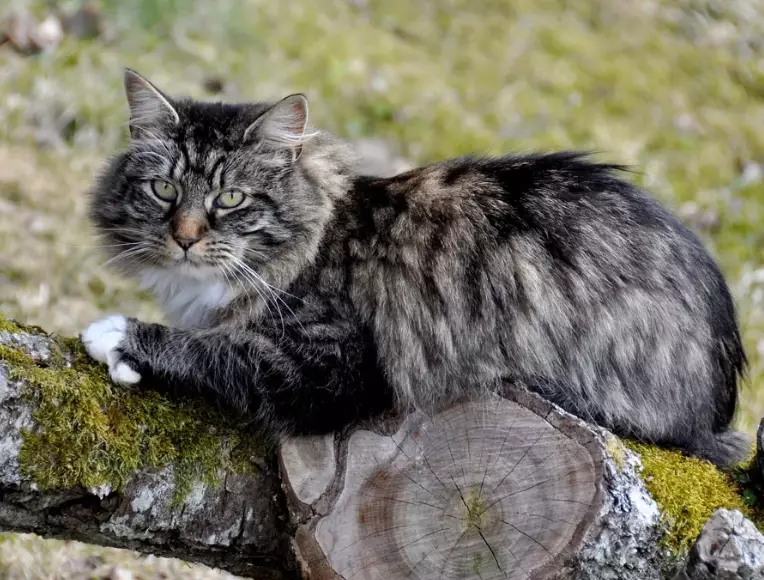
Quick Take: Think of the Norwegian Forest Cat as the gentle giant of the cat world. They're sturdy, intelligent, and surprisingly dog-like in their loyalty, but they're not the lap-cat type that will smother you 24/7. They prefer to be near you, often following you from room to room, rather than constantly on you.
Where Did These “Fairy-Tale Cats” Really Come From?
The origin story of the forest cats of Norway is part history, part legend. It's easy to see why they're woven into Norse mythology—they look like they just stepped out of a Viking saga.
The most common tale is that they sailed with Vikings. The theory goes that shorthaired cats from Great Britain (brought over by the Romans) interbred with longhaired cats from Turkey (brought back by Crusaders), and this mix evolved in the harsh Scandinavian forests. Natural selection did its work; only the toughest, most weather-resistant cats with thick, water-shedding coats and superior hunting skills survived. This practical evolution is key to understanding the breed's core traits even today.
The modern history is clearer. By the 1930s, the breed was nearly lost due to random crossbreeding. Dedicated Norwegian breeders started a formal preservation program. Their work was interrupted by World War II but resumed after. The Norwegian Forest Cat was officially recognized in Norway in the 1970s and by the Fédération Internationale Féline (FIFe) in 1977. For a deep dive into this official breed history and standard, the Norwegian Cat Association (NRR) is the definitive primary source.
It's a cool story, right? But sometimes I think the mythology overshadows the reality. These aren't mystical beasts; they're a product of incredibly tough, practical adaptation.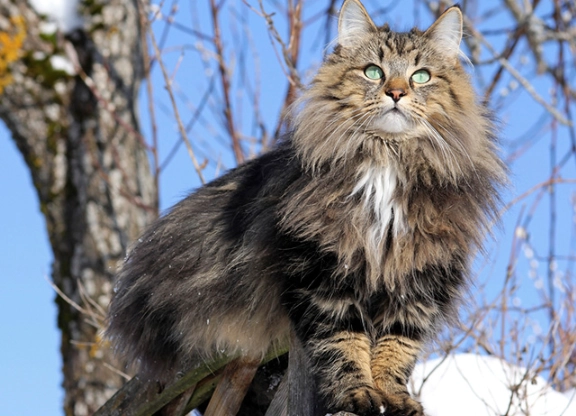
Not Just a Fluffy Face: The Physical Hallmarks of a Wegie
You can't talk about Norwegian Forest Cats without talking about their look. It's what draws most people in. But it's not just about being fluffy. Every part of their build has a purpose rooted in those Scandinavian winters.
The Built-for-Survival Body
- The Frame: This is a substantial, muscular cat. Males can easily weigh 12-16 pounds, with females slightly smaller at 9-12 pounds. But it's not fat—it's solid, powerful muscle. They mature slowly, reaching full size around 4-5 years old.
- The Legs & Paws: Back legs are longer than the front, giving them powerful hindquarters for jumping and climbing. Their large, round paws act like natural snowshoes, with tufts of fur between the toes for insulation and traction on ice.
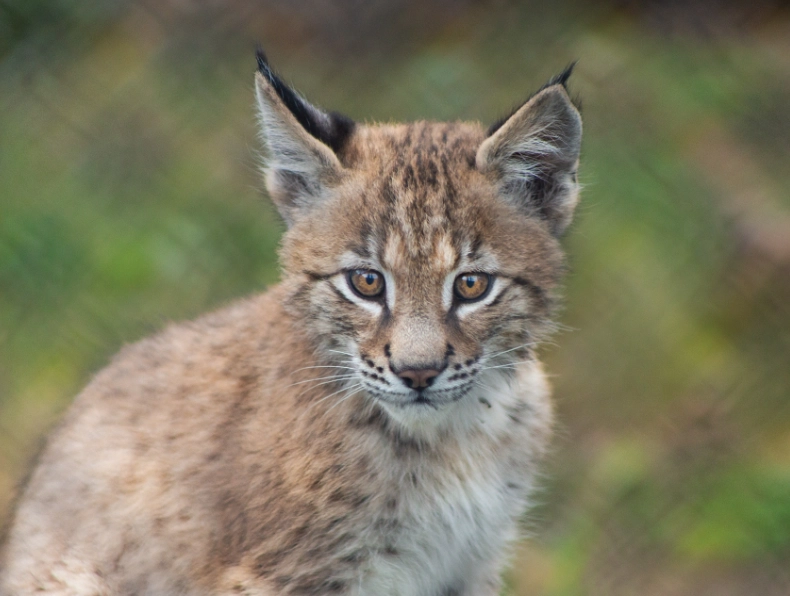
- The Head & Ears: They have a triangular head with a straight profile. The ears are large, wide at the base, and ideally sport those famous lynx tips (tufts of hair on the tips). It's not just for looks; these likely help funnel sound and protect the inner ear from snow.
The Famous Coat: A Masterclass in Insulation
This is the star of the show, and for good reason. The coat is double-layered and utterly brilliant in its design.
| Coat Layer | Description | Function |
|---|---|---|
| Topcoat (Guard Hairs) | Long, glossy, water-resistant hairs that lie smoothly over the undercoat. | Repels snow and rain, preventing the undercoat from getting wet and matted. |
| Undercoat (Woolly Underfur) | Dense, wool-like, and incredibly soft layer close to the skin. | Provides superb insulation, trapping body heat to keep the cat warm in freezing temperatures. |
You'll also see a magnificent ruff around the neck (like a built-in scarf) and full "britches" on the hind legs. The tail is long and bushy—perfect for wrapping around themselves for extra warmth. Coat colors and patterns are varied, with tabby (especially brown tabby) and tabby-with-white being very common. Solid colors, tortoiseshell, and smoke are also accepted.
Here's a personal observation: the texture is different from, say, a Persian's coat. It's less prone to matting if maintained, but that "if" is a big one. We'll get to grooming in a bit.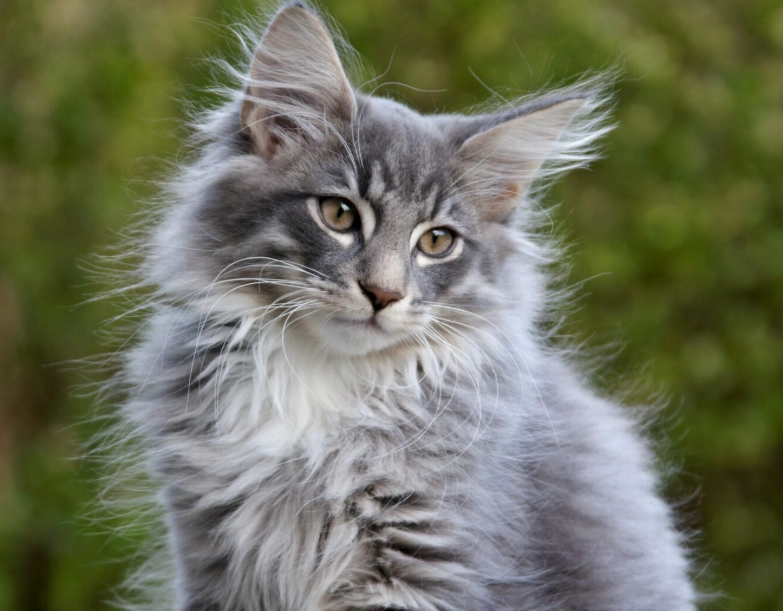
Personality: The Heart of the “Skogkatt”
If their looks are majestic, their personality is wonderfully down-to-earth. This is where the forest cats of Norway truly win people over. They are often described as having a "dual nature"—which sounds fancy, but it just means they're adaptable.
Key Personality Traits of the Norwegian Forest Cat
- Gentle & Sweet-Tempered: This is their baseline. They are not typically nervous or highly strung. They tend to take life in stride with a calm, observant confidence.
- Intelligent & Playful: Don't let the calm fool you. They are smart and problem-solvers. They enjoy puzzle toys, learning tricks (many take to clicker training well), and interactive play that mimics hunting. A feather wand is a Wegie's best friend.
- Moderately Affectionate: This is the big one. They are loving, but often on their own terms. They are not "velcro cats." Expect a head bump, a chirp of greeting, and then them settling down a few feet away from you. They show affection through quiet companionship.
- Family-Oriented: They generally do very well with gentle children, dogs, and other cats. Their sturdy build means they can handle the occasional clumsy hug from a toddler better than a more delicate breed, but supervision is always key.
They are climbers by nature. In the wild, they escaped predators by going up. In your home, this means tall, sturdy cat trees are not a luxury—they are a necessity. A happy Wegie is one who can survey their kingdom from up high.
One slight negative? They can be a bit reserved with strangers initially. They might observe a new guest from a distance before deciding to come say hello. It's not aggression; it's just cautious assessment.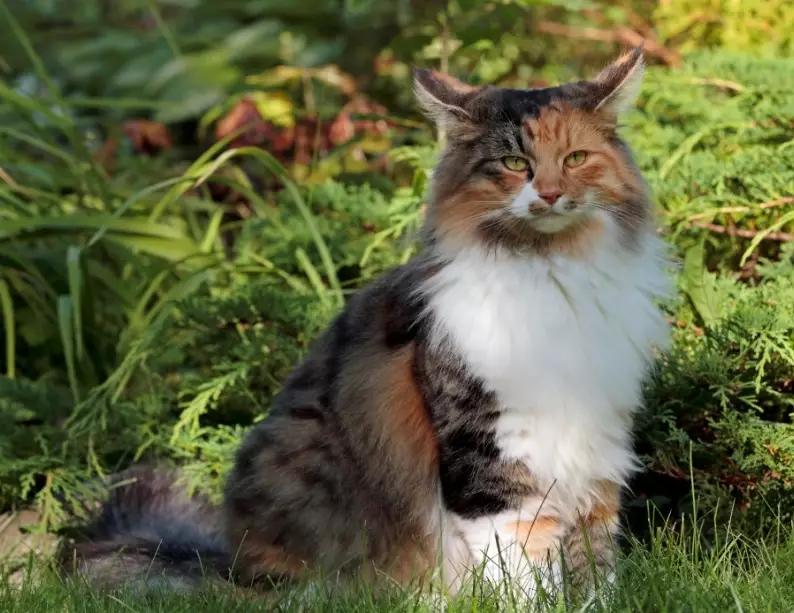
Caring for Your Miniature Lion: Grooming, Health, and Diet
Let's be real, a cat this fluffy doesn't come without a bit of maintenance. The good news is, it's less daunting than it looks if you're consistent.
The Grooming Routine (It's Non-Negotiable)
Contrary to myth, their coat doesn't mat easily if the undercoat is managed. But if you neglect it, you'll get mats, especially under the arms and around the britches.
- Weekly Brushing: A weekly thorough brush with a stainless-steel comb and a slicker brush is ideal. This removes loose undercoat before it can tangle. During spring and fall shedding seasons (the "blowouts"), you'll need to brush every other day, or even daily. You will be amazed at the amount of fur that comes out—enough to make a whole new cat, I swear.
- Bathing? Rarely needed. Their water-resistant topcoat means they stay pretty clean. A bath might be necessary if they get into something sticky, but it's not a routine thing.
- Nails, Ears, Teeth: The usual cat care applies. Trim nails regularly, check ears for dirt, and aim for dental care (brushing or dental treats).
Health Considerations: A Generally Robust Breed
Thanks to their natural evolution, Norwegian Forest Cats are typically healthy and long-lived (12-16 years is common). However, like all purebreds, they have some predispositions to be aware of. Responsible breeders screen for these.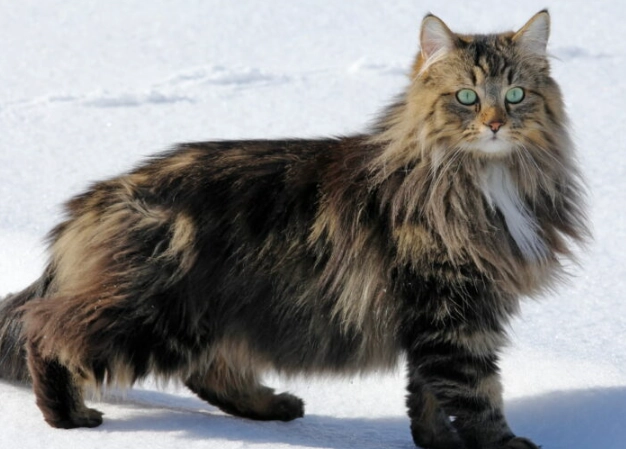
Important Note: I'm not a vet. This is informational. Always consult with your veterinarian for your cat's specific health needs. For detailed, peer-reviewed information on genetic conditions, resources like the NCBI PubMed Central database can be useful for the scientifically inclined.
- Hypertrophic Cardiomyopathy (HCM): A form of heart disease that is the most common concern. Reputable breeders will have their breeding cats screened annually via echocardiogram by a veterinary cardiologist.
- Glycogen Storage Disease IV (GSD IV): A rare but serious inherited metabolic disorder. A DNA test exists, and ethical breeders test for it to avoid producing affected kittens.
- Hip Dysplasia: Yes, cats can get it too. Their large size makes them more prone. Severe cases can lead to arthritis. Good breeders screen for this via X-rays. The Orthopedic Foundation for Animals (OFA) maintains databases for these health screenings.
Asking a breeder for proof of health screening (HCM echo reports, GSD IV test results, OFA hip scores) is not rude—it's responsible.
Diet and Exercise
Feed a high-quality diet appropriate for their life stage (kitten, adult, senior). Because they are large and muscular, they need good protein. Obesity is a risk for any indoor cat, so monitor portion sizes. Use puzzle feeders or food-dispensing toys to engage their brains at mealtime.
Exercise is crucial. These are agile hunters at heart. Daily interactive play sessions are a must to keep them physically fit and mentally stimulated. A bored Wegie might turn to climbing your curtains.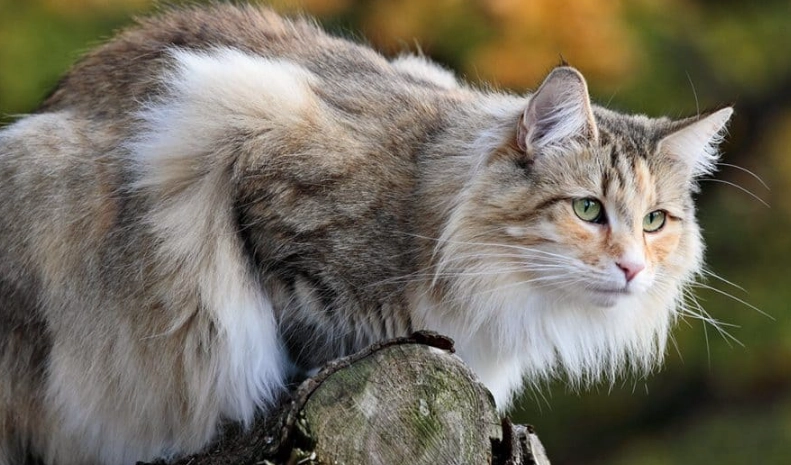
Dispelling the Myths: Norwegian Forest Cat FAQs
Is a Norwegian Forest Cat Right for You? A Final Reality Check
I love these cats, but they aren't for everyone. Let's do a quick pros and cons list to help you decide.
The Good Stuff (Pros)
- Gentle, sweet, and calm temperament.
- Intelligent and engaging playmate.
- Good with families and other pets.
- Generally healthy and robust.
- Stunningly beautiful and unique.
The Challenges (Cons)
- High grooming needs, especially during seasonal sheds.
- Moderate shedding year-round (you will find fur).
- Not a constant lap cat; affection is on their terms.
- Needs ample vertical space and regular play.
- Can be initially reserved with strangers.
- Prone to specific genetic health issues (mitigated by a good breeder).
If you're looking for a low-maintenance, hypoallergenic, cuddly lap cat that sleeps all day, a Norwegian Forest Cat might disappoint you. But if you want a majestic, intelligent, loyal companion who will share your home with quiet dignity, who will make you laugh with their playful antics, and who doesn't mind a good brushing session, then one of these incredible forest cats of Norway might just be your perfect match.
Do your homework. Find a breeder who prioritizes health and temperament over just looks. Or keep an eye on rescues. Bringing one of these living pieces of history into your home is a commitment, but for the right person, it's an unbelievably rewarding one.