In This Guide
- So, What Exactly Is a Leopard Cat?
- Home Turf: Where Do Leopard Cats Live?
- Leopard Cat vs. Your House Cat: Spotting the Difference
- A Day (or Night) in the Life: Behavior and Diet
- The Shadow Over Their Future: Conservation Threats
- The Pet Trade Problem: A Personal Rant
- What's Being Done? Conservation in Action
- The Bottom Line
Let's be honest, when you first hear "leopard cat," you might picture a tiny leopard. I know I did. It's an easy assumption to make—the name practically begs for it. But the reality is far more interesting, and frankly, a bit more complicated. The leopard cat (Prionailurus bengalensis) isn't a mini-leopard at all. It's a completely separate species of wild cat, a master of adaptation that calls the forests, mangroves, and even farmlands of Asia home. Its beautiful, spotted coat is where the similarity to its larger namesake ends.
I remember scrolling through wildlife photos years ago and stumbling upon one. It wasn't the size that struck me—it was the eyes. They had this intense, wild alertness that your average house cat, for all its charm, just doesn't possess. That's the essence of the leopard cat. It's a creature of edges and shadows, thriving in the spaces between deep wilderness and human habitation. This guide isn't just a dry list of facts. We're going to get into the real story of this animal: what it is, where it lives, why it's in trouble, and untangle the web of myths (especially the pet trade ones) that surround it.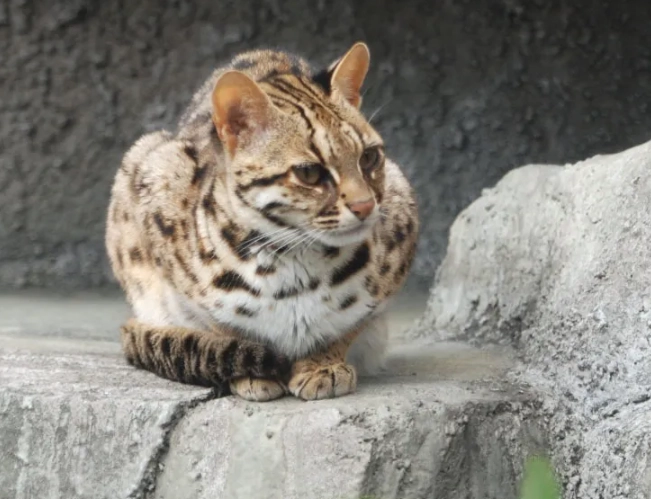
Core Takeaway: Think of the leopard cat as Asia's incredibly versatile and resilient small wild cat. It's not related to the leopard, but its stunning rosette-patterned coat is a perfect camouflage for its forest life. Its survival is a bellwether for the health of Asian ecosystems.
So, What Exactly Is a Leopard Cat?
Let's start with the basics. The leopard cat is a small feline, typically about the size of a large domestic cat but leaner and more muscular. Males usually weigh between 2.5 to 7 pounds (1.5-3 kg), with females being slightly smaller. But size varies a lot across its range—some island subspecies are tiny. Their most famous feature is, of course, their coat. The background color ranges from tawny-yellow to silver-grey, covered in dark spots that often form into rosettes (like little hollow circles) on their back and sides. They have a distinctive white muzzle and two dark stripes running from their eyes back over the head.
But here's something most generic articles don't tell you: the variation is insane. A leopard cat living in the snowy forests of the Russian Far East looks quite different from one in the steamy jungles of Sumatra. This has led to a lot of debate among scientists about how many subspecies there actually are. The IUCN Red List of Threatened Species, the global authority on conservation status, currently recognizes about a dozen, but genetic research is constantly refining this picture. It's a messy, ongoing scientific conversation, which is kind of cool—it shows how much we're still learning.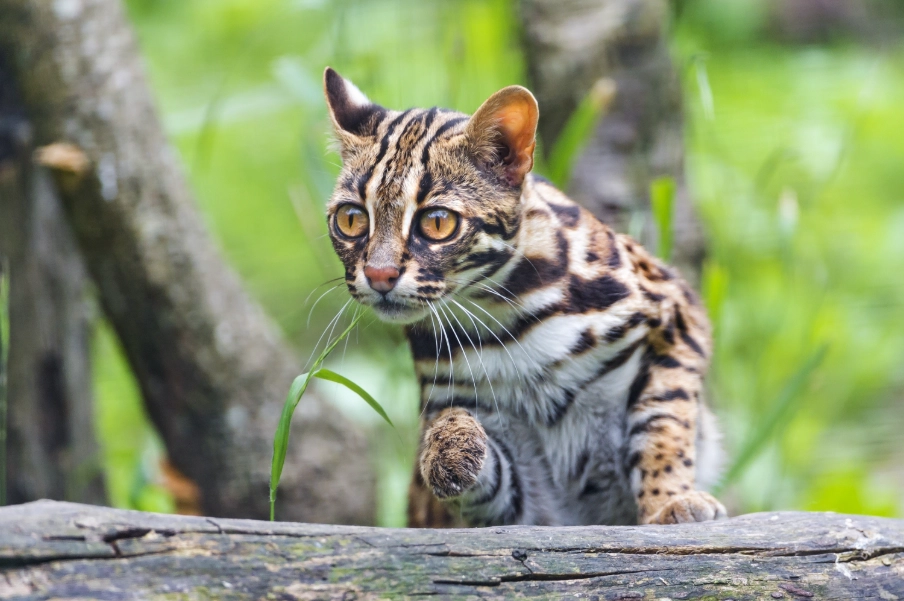
Quick-Fire Leopard Cat Facts
- Scientific Name: Prionailurus bengalensis
- Size: Head-body length of 18-26 inches (45-65 cm), plus a 9-12 inch (23-30 cm) tail.
- Lifespan: Up to 13 years in the wild, potentially longer in captivity (though captivity for wild animals is its own complex issue).
- Status: Listed as Least Concern globally by the IUCN, but this masks serious local declines. Several subspecies are endangered.
- Superpower: Incredibly adaptable. They live from sea level to over 10,000 feet, in rainforests, scrublands, and even agricultural areas.
Home Turf: Where Do Leopard Cats Live?
This cat gets the prize for real estate versatility. Its range is massive, stretching from the Russian Far East and the Korean Peninsula all the way down through China and Southeast Asia, into the islands of Indonesia and the Philippines. You'll find them in:
- Primary Rainforests: Their classic habitat, dense with cover and prey.
- Secondary Forests & Scrubland: Areas that have regrown after disturbance. Leopard cats are often quick to recolonize these places.
- Mangrove Swamps: Coastal forests where they hunt for crabs, birds, and rodents.
- Agricultural Land: This is a big one, and a double-edged sword. Tea plantations, oil palm estates, and farmland can support leopard cats because rodents are plentiful. But it also brings them into direct conflict with people.
I've read research papers where camera traps caught leopard cats prowling through palm oil plantations at night. It's a testament to their resilience, but also a precarious existence. They're living on the razor's edge of human expansion. The health of a leopard cat population in any given area is often a direct reflection of how much intact forest is left and how tolerant the local human community is.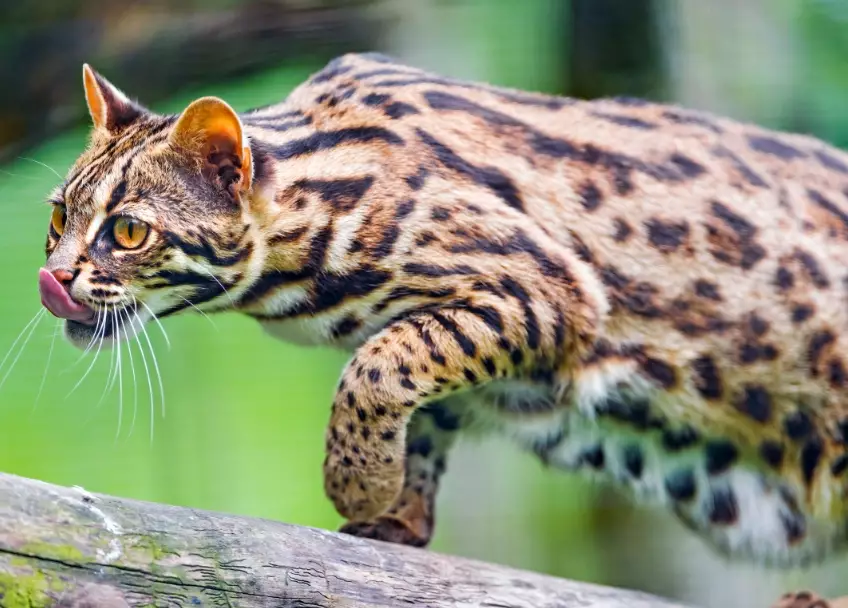
Leopard Cat vs. Your House Cat: Spotting the Difference
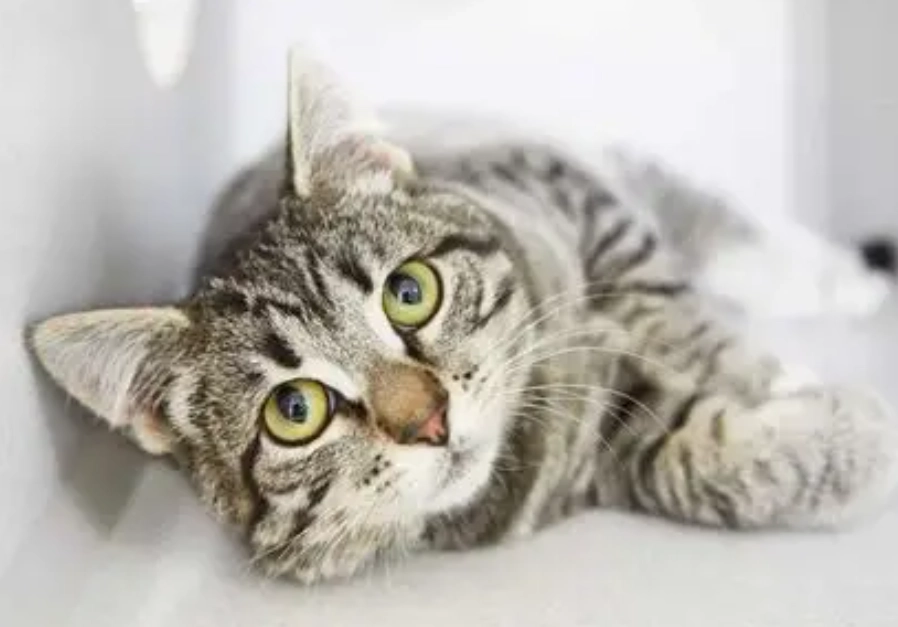
This is a major point of confusion, and honestly, a source of a lot of problems. From a distance, a spotted domestic Bengal cat (which was originally hybridized with leopard cats) can look similar. But up close, the differences are stark. Let's break it down.
| Feature | Leopard Cat (Wild) | Domestic Cat (Feral or Pet) |
|---|---|---|
| Head Shape | Longer muzzle, flatter forehead, pronounced cheekbones. Skull is longer and narrower. | Shorter, rounder muzzle and skull. Often a "smoother" facial profile. |
| Eyes | Large, amber to brown. A distinct white "tear line" runs from the inner corner down. | Wide variety of colors. Tear line not usually as pronounced. |
| Body & Build | Lean, elongated, muscular. Built for stamina and climbing. Legs are relatively longer. | Build varies by breed, but generally more compact. Pet cats can be less muscular. |
| Coat Pattern | Rosettes: Spots often form broken circles or rosettes, especially on the flanks and back. Pattern is random and asymmetrical. | Spots or Rosettes: In breeds like Bengals, the rosettes are often more symmetrical, "pasted-on," or have a distinct outline. Background color can be very bright orange. |
| Tail | Thick, about half the body length, with a blunt tip and distinct rings or spots. | Proportions vary, often thinner with less distinct patterning or a solid color. |
| Behavior (Key!) | Extremely wary of humans, nocturnal/crepuscular, silent and secretive. A true wild animal. | Varies, but often habituated to humans. Vocal (meows, purrs), visible during the day. |
The behavior is the dead giveaway. A true leopard cat will vanish long before you get a good look. If a "leopard cat" is letting you approach, it's almost certainly a domestic cat.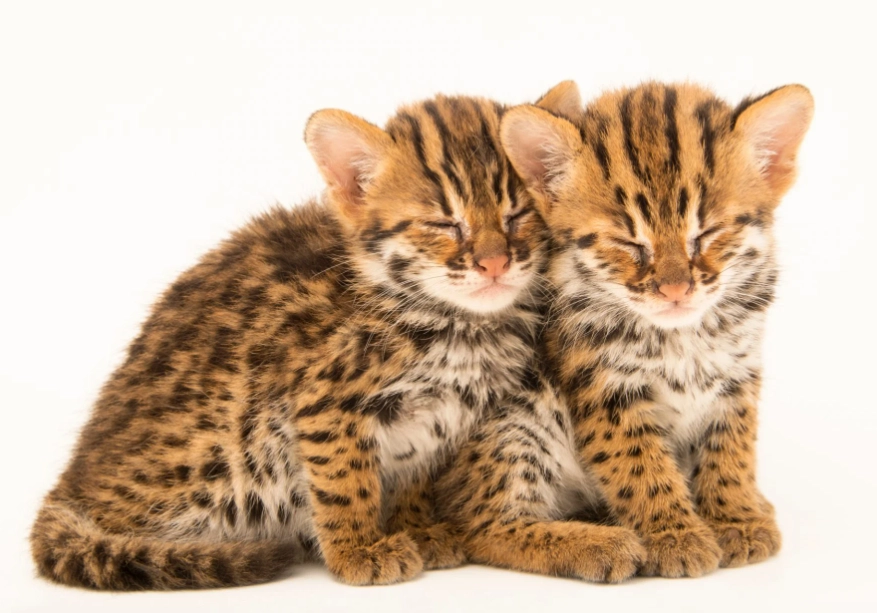
A Day (or Night) in the Life: Behavior and Diet
Leopard cats are solitary and territorial. They communicate through scent marking and, unlike domestic cats, are pretty quiet—you won't hear them meowing. Their activity peaks at dawn, dusk, and throughout the night. What's on the menu? They are opportunistic carnivores with a taste for small prey. Their diet is a huge reason they can live near farms.
Top Items on the Leopard Cat Menu:
- Rodents (Rats & Mice): The absolute staple. This is their primary ecological role—pest control.
- Birds & Bird Eggs: They are adept climbers and will raid nests.
- Lizards, Frogs, & Insects: Important especially for younger cats or when rodents are scarce.
- Small Mammals: Like shrews or even young hares.
- Occasional Fish or Crustaceans: Near water bodies, they'll dabble in fishing.
Their hunting style is the classic feline stalk-and-pounce. Watching footage from camera traps, you see this incredible patience and precision. They are a vital part of keeping rodent populations in check, which benefits both forests and farms. It's a thankless job, but someone's got to do it.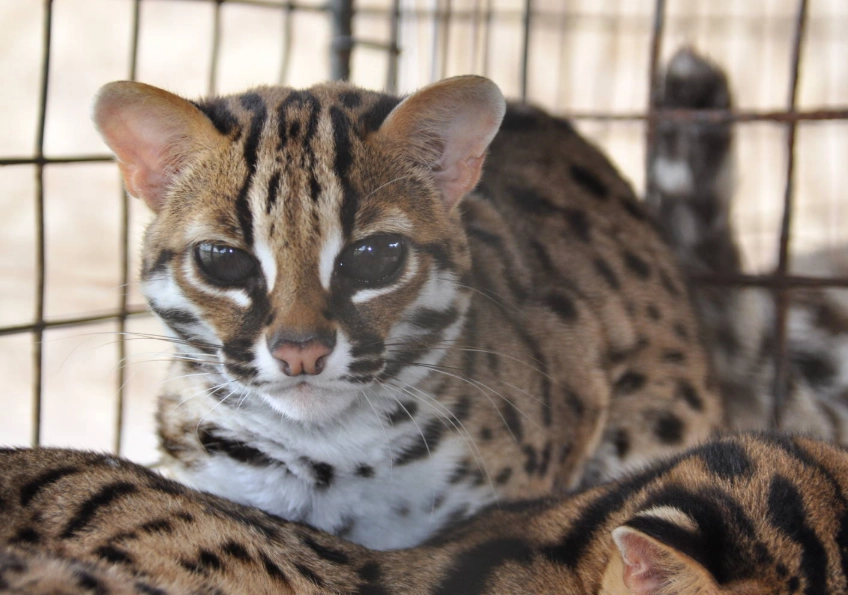
The Shadow Over Their Future: Conservation Threats
Here's where the story gets grim. While the species as a whole is currently listed as Least Concern, that label is dangerously misleading. It's like saying "humanity is doing fine" while ignoring wars and famines in specific countries. For the leopard cat, the threats are severe and localized.
The Biggest Threats to Leopard Cats (Ranked by Severity)
- Habitat Loss & Fragmentation: The number one threat. Logging for timber, clearing for agriculture (especially palm oil), and urban expansion are destroying and slicing up their forests. A leopard cat can't survive in an isolated patch of trees surrounded by roads and towns.
- The Illegal Wildlife Trade: This is brutal. Leopard cats are poached for their beautiful pelts, for meat, and most infamously, for the pet trade. The demand for "exotic" pets drives a cruel market where cubs are snatched from the wild, often resulting in the death of the mother and most of the litter.
- Retaliation Killing: When they live near farms, they sometimes get blamed for poultry predation. A farmer losing chickens might set out traps or poison, not realizing the leopard cat is also eating the rats that spoil his grain.
- Roadkill: As roads cut through their habitat, vehicle collisions become a major cause of mortality.
- Hybridization with Domestic Cats: In some areas, particularly on islands, feral domestic cats are breeding with leopard cats, diluting the pure wild gene pool. This is a slow, insidious threat to genetic integrity.
Some subspecies are hanging by a thread. The Iriomote leopard cat (Prionailurus bengalensis iriomotensis), found only on a tiny Japanese island, is Critically Endangered with maybe 100 individuals left. You can read about the intense conservation efforts for this cat on the Japanese Ministry of the Environment's website. Their situation shows what happens when a leopard cat population is pushed to the absolute brink.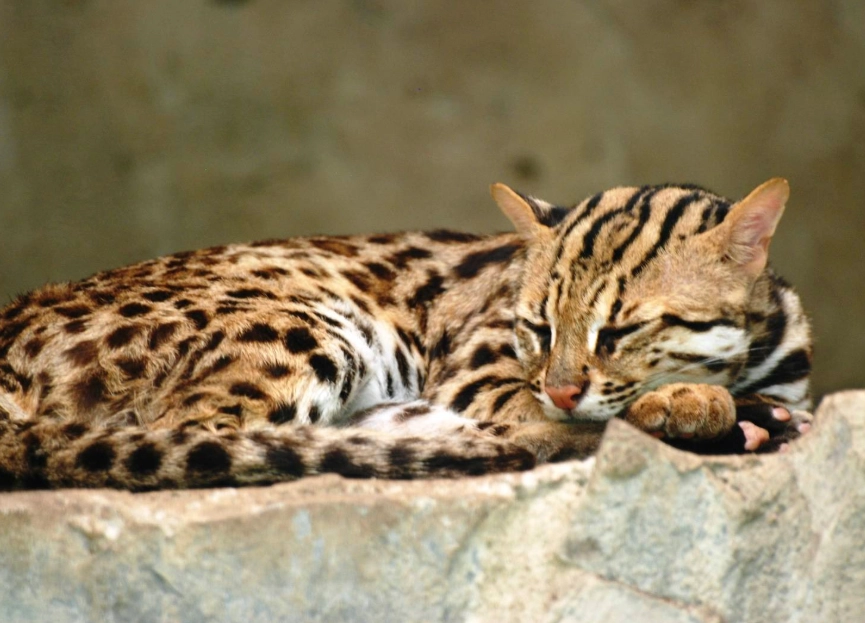
The Pet Trade Problem: A Personal Rant
This issue makes me genuinely angry, so I'm going to be blunt. The idea of keeping a leopard cat as a pet is profoundly misguided and harmful.
Leopard cats are not domestic animals. They are wild, with wild instincts and needs that cannot be met in a living room. The "cute" cub you see online was almost certainly taken illegally from the wild. The process is traumatic and deadly. Even if someone somehow acquires one legally (which is highly restricted under international law like CITES), the reality is grim. They are notoriously difficult to care for, often stressed, can be destructive, and may become aggressive as they mature. They don't bond like a house cat.
What happens to most of these "pet" leopard cats? They end up surrendered to overwhelmed sanctuaries, euthanized, or living miserable, confined lives. The demand for them as pets directly fuels poaching and undermines conservation. If you love the look of a leopard cat, get a well-bred Bengal cat from a responsible breeder who focuses on temperament. Don't support an industry that tortures wild animals for novelty.
What's Being Done? Conservation in Action
It's not all doom and gloom. Dedicated people and organizations are fighting for these cats.
- Protected Areas: National parks and wildlife sanctuaries across Asia provide essential safe havens.
- Research & Monitoring: Scientists use camera traps, GPS collars, and genetic analysis to track populations and understand their needs. Organizations like Panthera work on wild cat conservation globally, including smaller species like the leopard cat.
- Community-Based Conservation: This is the most promising path forward. Projects work with local farmers to promote coexistence—providing secure chicken coops, educating about the benefits of leopard cats for rodent control, and sometimes even creating community-managed forest corridors.
- Legal Protection: Leopard cats are protected by national laws in most range countries and are listed on CITES Appendix I or II (depending on the population), which regulates international trade.
Success stories exist. In some tea estates in India, recognizing leopard cats as natural pest controllers has led to a reduction in poisoning and trapping. It's a model that needs to be replicated everywhere.
Your Leopard Cat Questions, Answered
Can leopard cats be pets?
No. They are wild animals with complex needs that cannot be met in captivity outside of a professional zoo or sanctuary setting. Keeping one is illegal in most places without special permits, is unethical, and harms wild populations. It's a terrible idea for the animal and the owner.
Are leopard cats dangerous to humans?
Not really. They are extremely shy and avoid humans at all costs. There are no verified records of a wild leopard cat seriously attacking a person. The danger is entirely the other way around.
How can I tell if I've seen a leopard cat in the wild?
First, consider yourself incredibly lucky. Look for the long body, distinct head shape, and rosetted coat. But the biggest clue is the behavior. It will flee instantly and silently. If you got a good, long look, it was probably a feral domestic Bengal mix.
What's the difference between a leopard cat and an ocelot?
They're different genera on different continents! Ocelots are larger (20-35 lbs), found in Central and South America, and have a different spot pattern and skull structure. A leopard cat is an Old World cat; an ocelot is a New World cat.
How can I help leopard cat conservation?
1. Support reputable NGOs working on Asian habitat conservation and human-wildlife conflict. 2. Be a conscious consumer: Avoid products linked to unsustainable deforestation (like uncertified palm oil). 3. Spread awareness, not myths: Share accurate info about why they don't make pets. 4. If you travel to their range, choose ethical wildlife tourism operators who respect animals and support local communities.
The Bottom Line
The leopard cat is more than just a pretty face with spots. It's a resilient survivor, a key player in its ecosystem, and a stark indicator of how we manage our shared landscapes. Its future isn't doomed, but it's precarious. It hinges on protecting the tangled, messy, beautiful forests it calls home and finding ways for people and this wild cat to share space.
The next time you see a picture of a leopard cat, I hope you see more than just a small, spotted feline. See a ghost of the forest, a master adapter, and a creature whose silent struggle reflects our own choices about the natural world. Their survival isn't just about saving one species; it's about preserving the integrity of entire ecosystems. And that's something worth fighting for.