Quick Navigation
You're scrolling through cat photos online, or maybe you're at a friend's house, and you see this stunning cat with wild, swirling patterns. It looks exotic, maybe even a little bit like a mini leopard. Someone says it's a "marbled Bengal." But wait, you've also seen cats at the shelter with similar, though perhaps less dramatic, swirly patterns labeled as "marbled tabbies." What gives? What is the difference between a marbled tabby and a marbled Bengal anyway?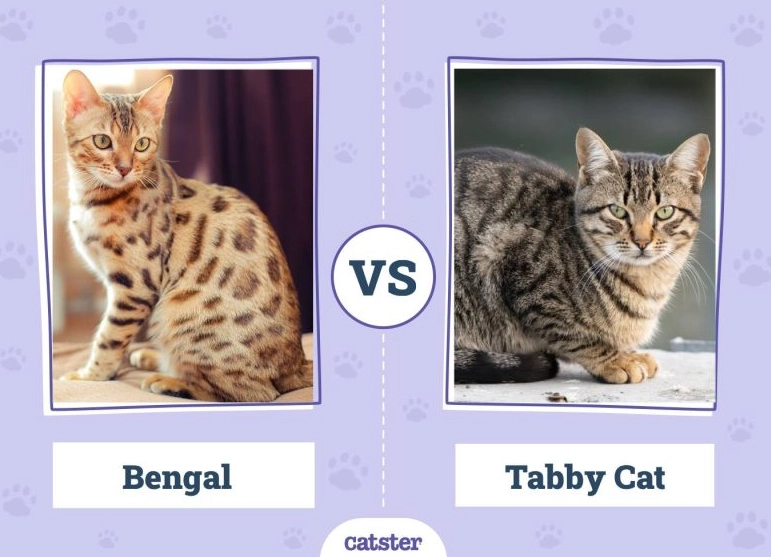
It's a fantastic question, and one that trips up a lot of cat lovers. I remember the first time I saw a true marbled Bengal in person at a cat show. I thought, "That's just a super fancy tabby!" I was so wrong. The owner gave me a patient but slightly pained smile and launched into an explanation. That moment sparked my curiosity, and after years of talking to breeders, owners, and just observing cats, I've learned the distinction is profound, going way deeper than just looks.
This isn't just about aesthetics. Getting the difference right matters if you're thinking of bringing one of these cats home, trying to identify a stray, or simply satisfying your curiosity. The gap between them is about genetics, history, personality, and even legal ownership in some places. So let's dive in and clear up the confusion once and for all.
The Core Difference in a Nutshell: A "marbled tabby" refers to a specific, beautiful coat pattern that can appear in many random-bred domestic cats (moggy) and some purebreds. It's defined by swirling stripes. A "marbled Bengal" is a specific, pedigreed breed of cat where that marbled pattern is the result of deliberate breeding, often aiming for a very specific, wild-looking flow and contrast, and the cat itself has a unique lineage tracing back to the Asian leopard cat.
The Foundation: It's All in the Genes
To really get what is the difference between marbled tabby and marbled Bengal, you have to start at the genetic blueprint. This is where the paths completely diverge.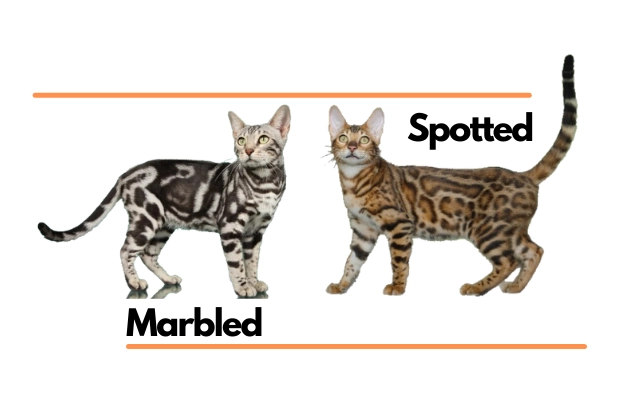
The Marbled Tabby: A Widespread Masterpiece
The tabby pattern is the OG of cat coats. It's the default setting, genetically speaking, for domestic cats. The marbling is one of the four main tabby patterns (classic/marbled, mackerel, spotted, and ticked). This pattern is caused by the interaction of the agouti gene and the tabby gene. In a marbled tabby, the "classic" or "blotched" tabby gene creates those beautiful, swirling bullseye patterns on the sides.
Key Point: The marbled pattern in a regular domestic cat is a natural genetic variation. You can find it in alley cats, shelter cats, and many purebreds like the Maine Coon or American Shorthair. It's a coat type, not a breed.
Think of it like hair color in humans. Brown hair appears in people of all ethnicities and backgrounds. Similarly, the marbled tabby pattern appears in cats of vastly different genetic backgrounds.
The Marbled Bengal: A Designed Hybrid
Here's where things get wild, literally. The Bengal breed was created by crossing domestic cats with the Asian leopard cat (Prionailurus bengalensis), a small, wild feline from Asia. This wasn't an accident; it was a purposeful breeding program started in the 1960s and 70s by pioneers like Jean Mill. The goal was to capture the look of the wild but with the temperament of a domestic cat.
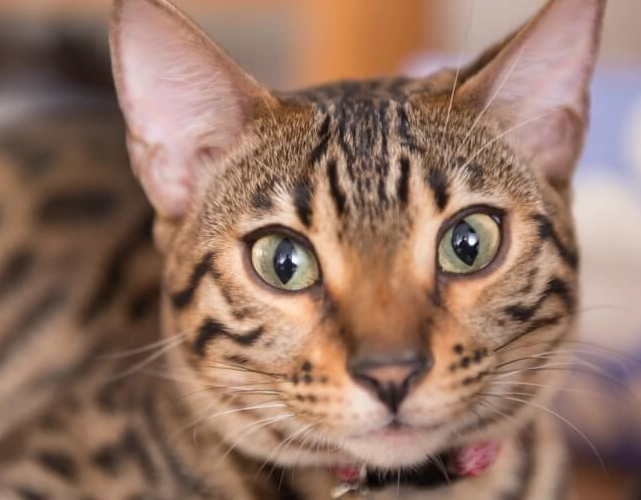
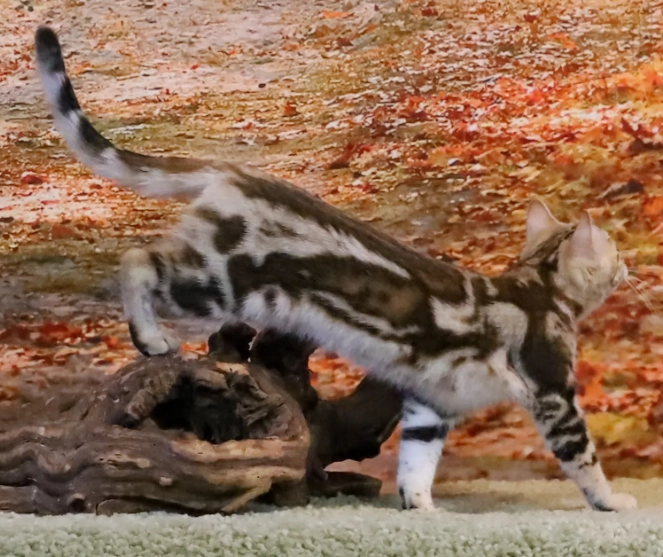
The marbled pattern in Bengals isn't just the domestic "classic tabby" gene at work. It's a complex interaction of genes inherited from both the domestic cat and the Asian leopard cat. Breeders selectively enhance it to meet a very specific Breed Standard. According to major cat registries like The International Cat Association (TICA), the ideal marbled Bengal pattern should be random, horizontal, and asymmetrical, with swirls that flow horizontally across the body. There should be a high degree of contrast, and the pattern should avoid the vertical "bullseye" common in domestic marbled tabbies.
So, while a marbled tabby has a pattern, a marbled Bengal has a pattern that's been curated and intensified over generations to mimic flowing water, marble stone, or the patterns on a clouded leopard. It's the difference between a naturally occurring quartz crystal and a meticulously cut diamond.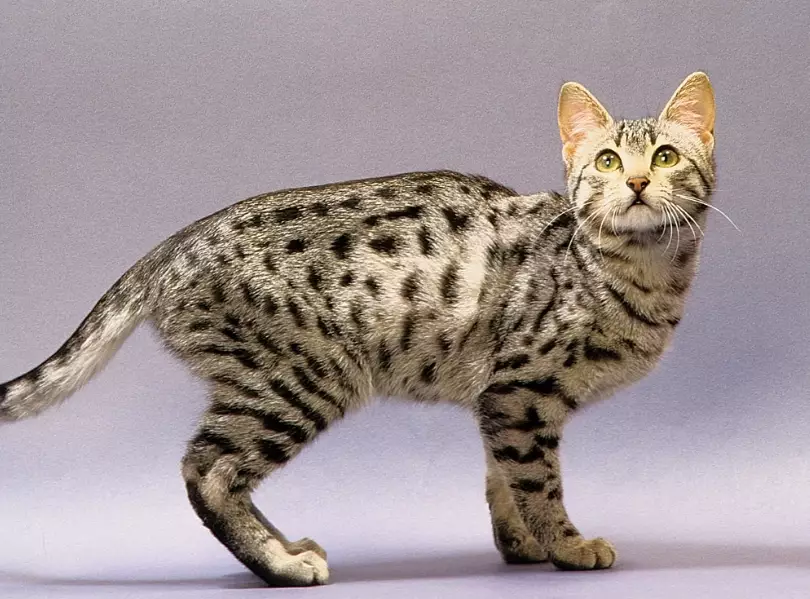
I once asked a Bengal breeder how she describes the pattern to newcomers. She said, "Look for chaos, not symmetry. If it looks like a Rorschach test done by a wildcat, you're on the right track. If it looks like a neat little bullseye, it's probably a lovely domestic tabby." I've found that to be surprisingly helpful advice.
Side-by-Side: A Detailed Comparison Table
Sometimes, seeing things laid out helps cement the understanding. Let's break down the key areas where these two types of cats differ.
| Feature | Marbled Tabby (Domestic) | Marbled Bengal |
|---|---|---|
| Origin & Genetics | Natural mutation in domestic cat population. A coat pattern, not a breed. | A distinct breed resulting from hybridizing domestic cats with the Asian leopard cat. |
| Primary Distinction | The pattern is the defining feature. | The breed (with its unique lineage and traits) is the defining feature, of which the marbled pattern is one variety. |
| Coat Pattern Details | Swirling, blotched patterns, often forming a bullseye or butterfly shape on the sides. Can be symmetrical. | Strives for horizontal, flowing, asymmetrical swirls. High contrast is key. Should avoid bullseyes. Described as "chaotic" and "random." |
| Coat Texture & Glitter | Standard domestic cat fur. No special texture. "Glitter" effect is extremely rare. | Unique, exceptionally soft, pelt-like fur. Many Bengals have "glitter," where the hair shaft sparkles as if dusted with gold or pearl. |
| Body Structure | Varies wildly depending on the individual cat's mixed ancestry. Can be stocky, lean, etc. | Muscular, athletic, and long-bodied. Noticeably heavy for their size. Hind legs slightly longer than front. A "wild" physique. |
| Head Shape | Typical domestic cat head shape: rounded or moderate wedge. | Smallish head compared to body, with a broad muzzle and rounded, small ears. More "feral" profile. |
| Typical Temperament | The full range of domestic cat personalities. No predictable traits linked to the coat pattern. | Known for being highly energetic, intelligent, curious, and social. Often very vocal and water-loving. Demands interaction. |
| Common Health Profile | Health depends on individual genetics. No specific pattern-related issues. | Generally robust, but some breed-specific concerns exist (e.g., PK- deficiency, which responsible breeders test for). |
| Cost & Acquisition | Often low-cost or free (adoption). Even from a breeder of a marbled-pattern purebred, cost is for the breed, not the pattern. | High-cost. From a reputable breeder, a pet-quality marbled Bengal typically costs $1,500 - $3,000+. Show quality is higher. |
See? It's not just one thing. It's a whole package deal. The look, the feel, the build, and the brain are all part of the answer to what is the difference between marbled tabby and marbled Bengal.
Beyond the Coat: Personality and Care Needs
This is arguably the most important section for anyone considering living with one of these cats. The lifestyle fit is night and day.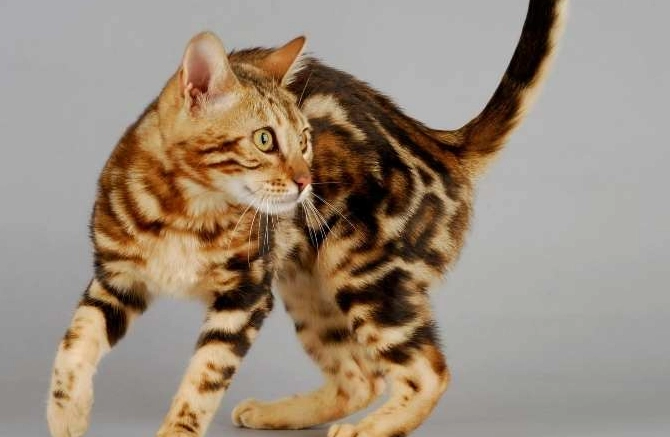
The Marbled Tabby Personality
There is no "marbled tabby personality." The personality of a cat with a marbled tabby coat is as unpredictable as any mixed-breed cat. It's shaped by a thousand different genetic influences and, more importantly, by its life experiences and socialization. You could get a lazy lap cat, a skittish hunter, or a playful goofball. The coat tells you nothing about what's inside. I've fostered marbled tabbies that were absolute cuddlebugs and others that were fiercely independent. You just don't know until you get to know the individual cat.
The Marbled Bengal Temperament
Here, there are strong, breed-typical tendencies. Bengals are not couch potatoes. Let me repeat that: Bengals are not couch potatoes. If you want a calm, decorative pet that sleeps 18 hours a day, look elsewhere.
Heads Up: The high energy and intelligence of Bengals can lead to behavior problems if their needs aren't met. Bored Bengals are famous for getting into mischief—turning on faucets, opening cabinets, and vocalizing loudly for attention. This isn't a "bad" cat; it's a cat whose needs for mental and physical stimulation are not being met.
They are incredibly smart, often compared to dogs in their trainability and desire to be involved in everything you do. Many love water and will join you in the shower or play in a dripping sink. They are usually very social and can become unhappy if left alone for long periods. They need interactive play, puzzle toys, cat trees to climb, and preferably a companion (human or feline) to keep them engaged. The Cat Fanciers' Association (CFA) breed profile accurately describes them as active, curious, and confident.
Owning a Bengal is a commitment to an interactive lifestyle. It's rewarding if you're up for it, but it can be overwhelming for someone expecting a typical cat.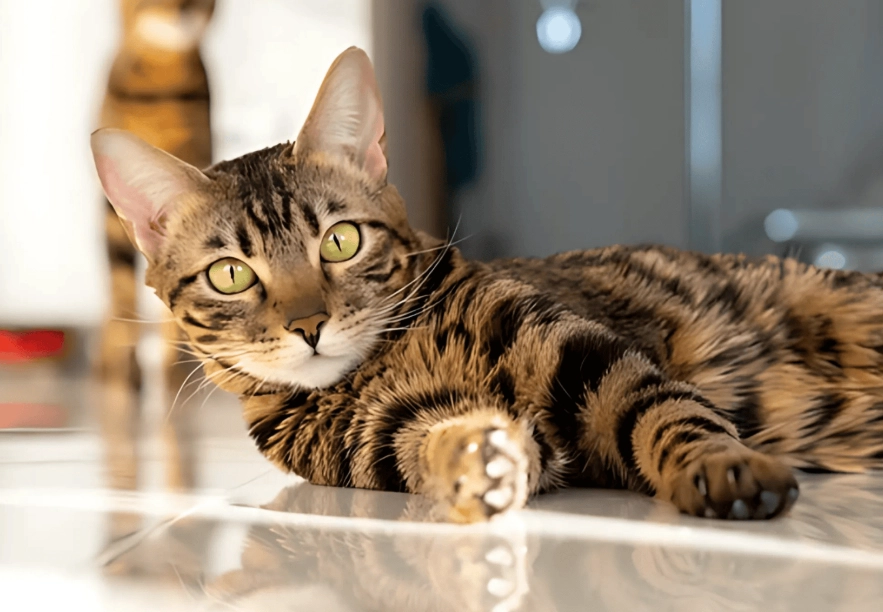
Practical Considerations: Cost, Health, and Legality
Let's talk about the real-world stuff that goes beyond "which one is prettier."
Cost: This is a massive differentiator. You can adopt a beautiful marbled tabby from a shelter for a small fee (often under $150). A marbled Bengal from a reputable breeder is a significant investment, often starting at $1,500 and going way up. This price reflects the breeder's costs for health testing, ethical breeding practices, and the care of the cats. Never buy a Bengal from a cheap online ad or a pet store; it almost always supports unethical breeding and can result in a sick or poorly socialized cat with behavioral issues.
Health: Mixed-breed marbled tabbies generally benefit from hybrid vigor. Their health is a roll of the dice, but serious genetic disorders are less concentrated. Responsible Bengal breeders screen for known issues like Progressive Retinal Atrophy (PRA) and PK deficiency. Reputable breeders will provide health guarantees and genetic testing documentation. It's crucial to ask for these. The Bengal Cat Club provides good resources on health testing for the breed.
Legality: This is a quirky one that many don't consider. In some states, cities, or housing associations, there are restrictions on owning "hybrid" or "exotic" animals. Because Bengals are a few generations removed from a wild ancestor (an F4 or later is typically considered a domestic cat), they can sometimes fall under these laws. It's your responsibility to check local ordinances and your lease agreement. No one has ever gotten in trouble for owning a marbled tabby domestic shorthair.
Making the Right Choice for You
So, after all this, which one is right for you? It boils down to your lifestyle, expectations, and budget.
Choose a Marbled Tabby (adopt a domestic cat) if: You want a loving companion without the predictability (or cost) of a purebred. You're happy to be surprised by their personality. You're on a budget. You want to give a shelter cat a home. You prefer a more relaxed or typical feline personality.
Consider a Marbled Bengal if: You are fascinated by the breed's unique look and wild heritage. You have an active household and can provide hours of daily interactive play and mental stimulation. You are prepared for a cat that is more demanding, vocal, and involved in your daily life. You have the budget for the initial purchase and high-quality ongoing care (food, vet, enrichment toys). You've done your homework and found a reputable, ethical breeder.
At the end of the day, both types of cats can make wonderful pets. The marbled tabby is a testament to the beautiful diversity of the domestic cat. The marbled Bengal is a human-guided work of art, a living testament to a specific breeding vision. One is not "better" than the other; they are simply different. Understanding what is the difference between marbled tabby and marbled Bengal empowers you to appreciate each for what it truly is and make the best choice for your home. And honestly, the world needs more people who can look at a stunning swirly cat and know exactly what story its stripes are trying to tell.
Absolutely, and this is the root of the confusion! A very bold, high-contrast marbled tabby can have a striking, wild appearance. But look closer. Does it have the muscular, heavy, wild body structure? The unique, soft, glittery pelt? The small, rounded ears and broad muzzle? Probably not. The pattern might be reminiscent, but the whole package won't match. Bengals are a total sensory experience—the look, the feel, the movement.
This is highly individual, but generalizations can guide you. A well-socialized, easygoing marbled tabby from a shelter (where its personality is known) can be a fantastic family pet. For Bengals, it depends on the cat's personality and the family's activity level. A Bengal's high energy can be great for playful, respectful older kids but may be too much for toddlers. The Bengal may also be less tolerant of clumsy handling. Supervised introductions and teaching kids cat etiquette are non-negotiable with any cat.
This is a persistent myth. Well-bred Bengals from responsible breeders (generations F4 and beyond) are not inherently aggressive. In fact, they are often very social and people-oriented. However, their wild ancestry contributes to their high energy, strong prey drive, and intelligence. If these needs aren't channeled positively through play and enrichment, any cat can develop frustrating behaviors that might be misinterpreted as aggression. The issue is usually unmet needs, not a mean streak.
If you're paying Bengal prices, you must get documentation. A reputable breeder will provide:
- Pedigree Papers: From a major registry like TICA or CFA, tracing the cat's lineage back several generations.
- Health Testing Records: Proof that the parents were tested for common genetic diseases.
- A Contract: Often including a spay/neuter agreement for pet-quality cats and a health guarantee.
If the seller can't or won't provide these, walk away. You are likely looking at a beautifully patterned domestic cat being misrepresented, or a poorly bred Bengal from a backyard operation.