In This Guide
- What Makes a Cat Coat Chocolate Brown? The Genetics Explained (Simply)
- Breeds Where You'll Find the Chocolate Brown Coat Color
- Caring for Your Chocolate Brown Cat: Special Considerations or Just Myths?
- Personality: Is a Chocolate Cat's Temperament as Sweet as its Name?
- Finding and Choosing a Chocolate Brown Cat
- Common Questions About Chocolate Brown Cats (Answered)
- Final Thoughts
Let's talk about chocolate brown cats. You know the ones – that rich, warm, almost edible-looking coat color that seems to glow in the sunlight. It's not your everyday tabby stripe or common black. It's something special, and if you're here, you've probably fallen for one or are just fascinated by them. I get it. I remember the first time I saw a proper chocolate brown cat at a friend's house. It wasn't just brown; it was like a melted cocoa bar with legs, with these incredible amber eyes that matched perfectly. I spent half the visit just admiring the cat, which my friend found both amusing and slightly concerning.
But what exactly is a chocolate brown cat? Is it a specific breed? Are they rare? Do they have a particular personality to match that sweet name? That's what we're diving into today. This isn't just a quick glance – we're going deep on genetics, breeds, care, and everything in between. Whether you're thinking of welcoming one into your home or you're just a fan of feline coat colors, you'll find what you need here.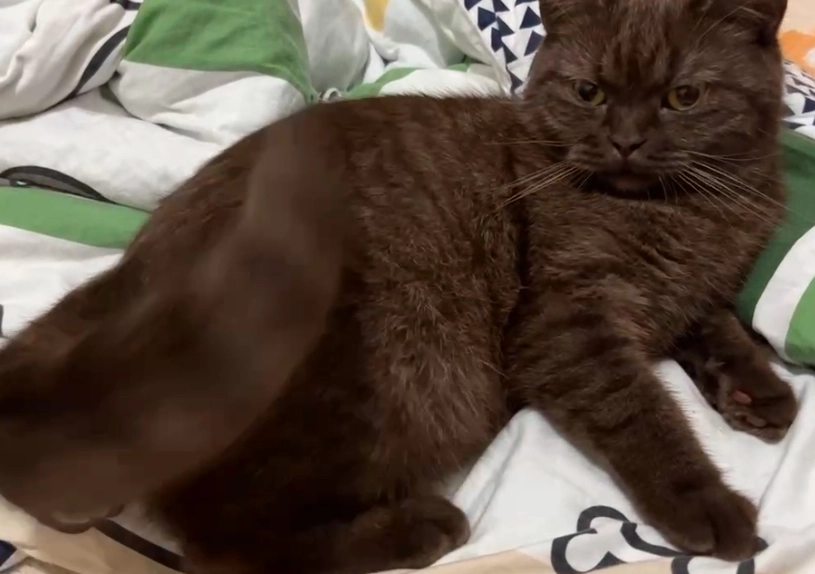
Quick Reality Check: First thing first – "chocolate" isn't a color you'll find in your average domestic shorthair from the shelter. That deep, true, uniform chocolate brown is a product of specific, often recessive, genes that are carefully bred for in certain pedigreed cats. The brown moggie you might see is usually a brown tabby (gorgeous in its own right!), which is different from the solid chocolate we're mainly discussing. It's an important distinction that saves a lot of confusion later on.
What Makes a Cat Coat Chocolate Brown? The Genetics Explained (Simply)
Okay, don't zone out. I promise to keep genetics painless. The color of a cat's fur comes from two pigments: eumelanin (black/brown) and pheomelanin (red/yellow). The chocolate color is all about a dilution and modification of the black eumelanin.
Think of the gene for black pigment as a factory. In most black cats, the factory works at full capacity. For a chocolate brown cat, there's a specific gene variant (allele) that changes the chemical structure of the pigment, turning it from jet black into a rich, warm brown. This gene is recessive, symbolized as b. A cat needs two copies of this gene (one from each parent, making it b/b) to express the chocolate color. If it only has one copy (B/b), it will be black but carry the chocolate gene.
Then there's the cinnamon color, which is an even further dilution of chocolate, giving a lighter, reddish-brown shade (referred to as bl/bl). It gets complex fast, but the key takeaway is this: true chocolate is a specific genetic recipe. This is why organizations like the International Cat Care provide great resources on cat coat genetics, breaking down the science for curious owners.
It's not just the B gene either. Other genes control whether the color is solid or patterned (like pointed, which gives Siamese their look), or whether further dilutions like lilac (a pale, greyish version of chocolate) appear. It's a fascinating puzzle. So when you see that stunning chocolate brown cat, you're looking at a very specific genetic handiwork.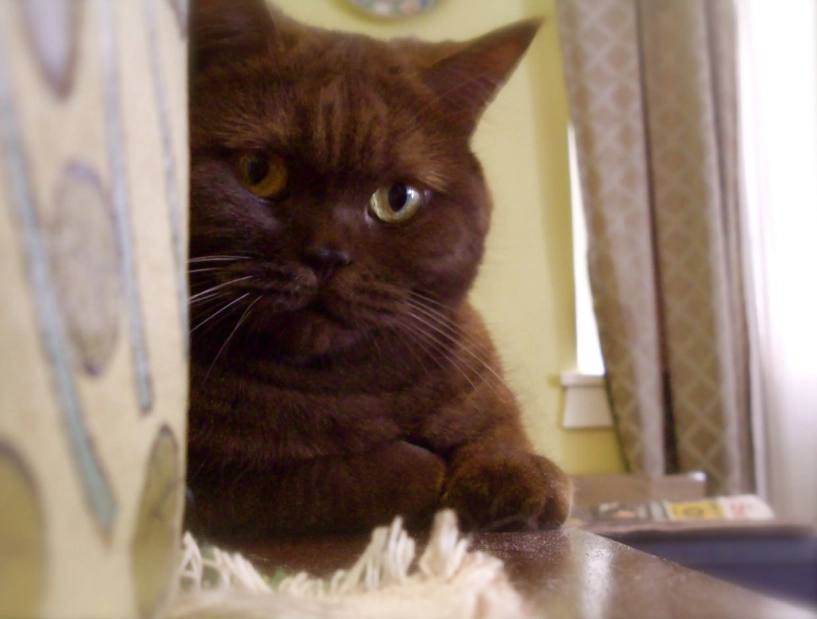
Breeds Where You'll Find the Chocolate Brown Coat Color
Now, the fun part. Which cats can you actually find in this delicious shade? Several pedigreed breeds have chocolate as an accepted and sought-after color. It's not just about the color, though; it's about how the color combines with the breed's physique and fur type to create the whole package.
The Heavyweight Champion: The Chocolate Brown Havana Brown
If any breed owns the chocolate brown title, it's the Havana Brown. This isn't a coincidence – the breed was literally developed to produce a solid brown cat. They are sometimes described as "mahogany brown." It's a stunning, even, warm brown from nose to tail tip, with no shading or markings. Their fur is short, sleek, and lies close to the body, making the color look even more intense and glossy.
But it's not just the coat. Their whiskers are brown too (which is unusual), and they often have striking green eyes that create a mesmerizing contrast. Personality-wise, they're known for being affectionate, playful, and remarkably people-oriented. They're not a super common breed, so finding a Havana Brown kitten might take some dedicated searching through reputable breeders. They are the quintessential chocolate brown cat.
The Popular Favorite: Chocolate in British and American Shorthairs
Both the British Shorthair (the quintessential "teddy bear" cat) and the American Shorthair can come in chocolate. In the British Shorthair, it's a gorgeous, plush look – imagine a dense, crisp coat in milk chocolate, wrapped around a cobby, rounded body. It's incredibly cute. The American Shorthair version is a bit more athletic in build but sports the same lovely solid color.
One thing to note with these breeds: the chocolate color is just one of many they come in. You'll find blues, lilacs, blacks, and all sorts of patterns. So if you love the breed's personality – the British Shorthair's calm, dignified demeanor or the American Shorthair's adaptable, friendly nature – and you also want that specific color, you can have both.
The Elegant Pointed Look: Chocolate Point Breeds (Siamese, Balinese, etc.)
This is a different, and incredibly beautiful, expression of the chocolate gene. In colorpoint cats, the color is restricted to the "points" – the face, ears, paws, and tail. The body remains a much lighter cream or ivory. A Chocolate Point Siamese has warm, milk-chocolate colored points against a pale body, with those famous brilliant blue eyes. The effect is elegant and striking.
This pattern isn't limited to Siamese. It appears in any breed with the point restriction gene, like Balinese (long-haired Siamese), Ragdolls, and Himalayans. A Chocolate Point Ragdoll is a sight to behold – a large, floppy cat with that sweet point coloration. The personality here is all about the breed. A Chocolate Point Siamese will be vocal and demanding; a Chocolate Point Ragdoll will be relaxed and floppy.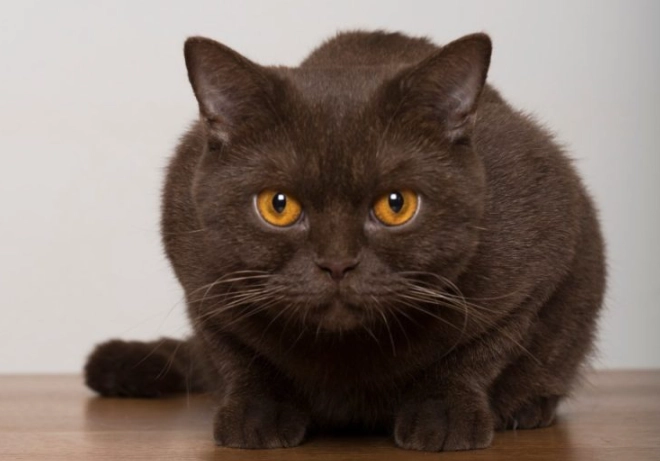
The Long-Haired Luxe: Chocolate Persians & Others
For those who love long, flowing fur, a chocolate Persian or chocolate Maine Coon is the epitome of feline luxury. The chocolate color on a long coat can have depth and shimmer, with different shades visible as the cat moves. A chocolate Persian, with its flat face and immense fur, looks like a living, breathing plush toy in the best way possible.
However – and this is a big however – maintaining that gorgeous chocolate coat on a long-haired cat is a commitment. We're talking daily brushing to prevent mats, especially since lighter undercoats can sometimes show through differently. The color might be sweet, but the grooming routine is serious.
Here’s a quick table to compare the chocolate factor across these popular breeds:
| Breed | Coat Type | Typical Chocolate Expression | Grooming Needs | Personality Vibe |
|---|---|---|---|---|
| Havana Brown | Short, Sleek | Solid, Uniform Brown | Low (weekly brush) | Affectionate, People-Focused |
| British Shorthair | Short, Dense, Plush | Solid, Plush Brown | Low to Moderate | Calm, Dignified, Easygoing |
| Chocolate Point Siamese | Short, Fine | Brown Points, Pale Body | Low | Vocal, Active, Demanding |
| Persian | Long, Flowing | Solid Long Fur | Very High (daily brush) | Sweet, Quiet, Sedentary |
A friend of mine has a chocolate British Shorthair named Mocha. She’s the most placid creature I’ve ever met. She doesn't so much play as she does observe play with mild interest, before settling more firmly into her nap. The coat is unbelievably dense – petting her is like sinking your fingers into a firm, velvety cushion. It's a very different experience from the sleek, skinny Chocolate Point Siamese I grew up with, who was always in motion and had an opinion on everything.
Caring for Your Chocolate Brown Cat: Special Considerations or Just Myths?
Here's a question I see a lot: does the chocolate brown color come with any special care requirements? The short answer is: mostly no, but with a few nuances.
The color of the fur itself doesn't dictate health or specific care needs. Those are determined by the breed. A chocolate Persian needs intense grooming because it's a Persian, not because it's chocolate. A chocolate Oriental Shorthair might be prone to dental issues because that's common in the breed lineage.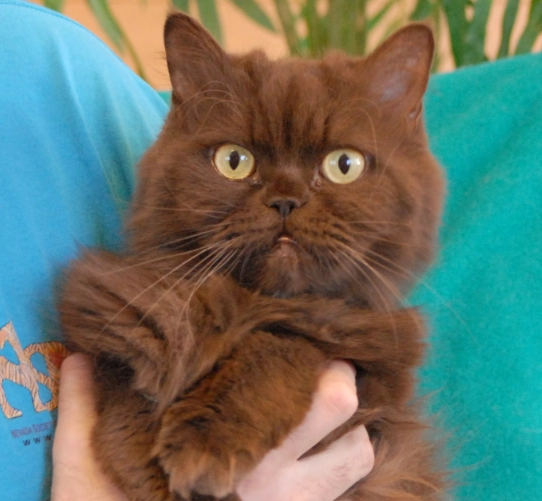
However, there are a couple of things to keep an eye on:
- Sun Exposure: Just like with any dark-furred pet, a solid chocolate brown cat's coat can sometimes get a slight reddish "rusty" tinge if they spend a huge amount of time sunbathing. It's a bleaching effect from the sun. It's not harmful, but if you're a show cat owner or just super particular about that perfect hue, you might want to limit excessive sunbathing. For 99% of pet owners, this is a non-issue.
- Visibility of Skin Issues: One small advantage of a light-colored cat is that fleas, dirt, or dry skin flakes are easier to spot. On a deep chocolate coat, you might need to look a bit closer during your petting-and-check sessions. Part the fur and look at the skin, especially if your cat seems itchier than usual.
- Grooming for Shine: To really make that chocolate coat gleam, good nutrition is key. A diet rich in omega-3 and omega-6 fatty acids promotes healthy skin and a glossy coat. Regular brushing, even for short-haired cats, removes dead hair and distributes natural oils, making the color look richer and more vibrant. It's less about special treatment and more about optimal general care.
The ASPCA's general cat care guidelines apply perfectly here: good food, fresh water, regular vet checkups, and lots of love. The color doesn't change the fundamentals.
Personality: Is a Chocolate Cat's Temperament as Sweet as its Name?
This is the big myth, isn't it? The idea that a chocolate brown cat, or a brown dog for that matter, has a sweeter, calmer personality. Let's be real: there's no scientific evidence linking coat color to personality in cats. Personality is shaped by genetics (breed traits), early socialization, individual disposition, and life experiences.
That said, because the chocolate color is most prevalent in specific breeds, you can associate certain temperaments with it by proxy.
If you get a chocolate Havana Brown, you're likely getting a sociable, interactive cat. If you get a chocolate British Shorthair, you're probably getting a chill, undemanding companion. If you get a Chocolate Point Siamese, buckle up for a talkative, energetic ride. The color is just the wrapping paper; the breed is the gift inside.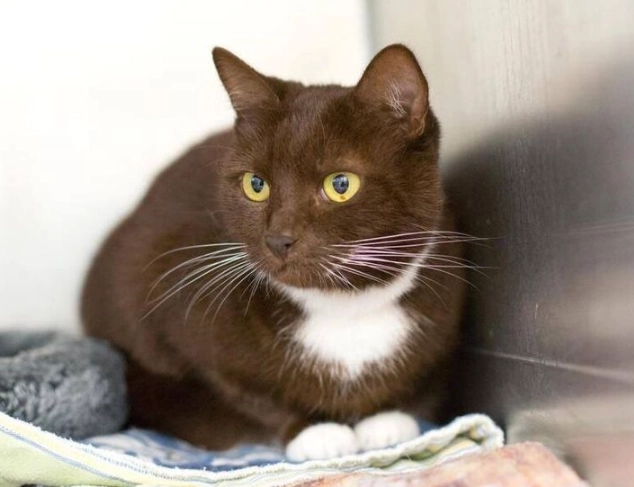
I think the "sweet" stereotype comes from the color's warmth. Brown feels comforting, familiar, and soft. We project that onto the animal. It's a nice thought, but your chocolate brown cat will have its own unique quirks, fears, and preferences that have nothing to do with its fur.
Finding and Choosing a Chocolate Brown Cat
So you've decided you want one. What's the next step?
- Decide on Breed vs. Color: This is crucial. Are you in love with the color specifically, or do you have a breed in mind that you also want in chocolate? If it's just the color, be open. You might find a stunning chocolate-colored mixed-breed cat in a shelter (rarer, but it happens!). If it's a specific breed, be prepared for a search and a higher cost.
- Reputable Sources are Non-Negotiable: For pedigreed chocolate brown cats, please go through a reputable breeder. Good breeders health-test their breeding stock for genetic conditions common to the breed (e.g., screening for hypertrophic cardiomyopathy in certain lines). They raise kittens in their home, socialize them, and are a resource for life. Avoid pet stores or online sellers who just have "chocolate kittens" available instantly. The Cat Fanciers' Association (CFA) has a breeder referral list that can be a starting point.
- Visit and Ask Questions: Visit the breeder. See the kittens and the mother cat. Ask about genetic testing, vaccination records, and what socialization the kittens have had. A good breeder will ask you just as many questions to ensure their kitten is going to a good home.
- Consider Adoption: While a true solid chocolate brown cat is rare in shelters, it's not impossible. Shelters also get purebred cats. Check breed-specific rescues. You might get lucky and find an adult chocolate cat who needs a home, which can be a wonderful way to skip the kitten crazies and give a deserving animal a second chance.
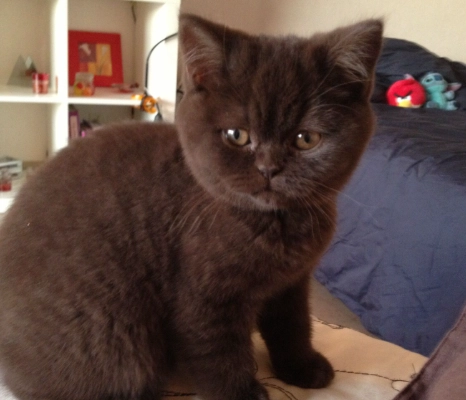
Patience is key here. Finding the right cat is more important than finding a quickly available one.
Common Questions About Chocolate Brown Cats (Answered)
Are chocolate brown cats rare?
In the general mixed-breed cat population, yes, a true solid chocolate brown is quite rare. It requires that specific recessive gene combination. However, within the pedigreed breeds that accept the color (like Havana Browns, British Shorthairs), it is a recognized and available color, though it may be less common than classics like blue or black in some of those breeds.
Are chocolate brown cats more expensive?
Often, yes. Within a litter of a breed that offers multiple colors, "fashion" colors like chocolate, cinnamon, and lilac can sometimes be priced higher due to demand and relative scarcity. The price should always reflect the breeder's standards for health testing and care, not just the color. Be wary of breeders who charge exorbitant premiums only for color.
What's the difference between chocolate, cinnamon, and chestnut?
It's a spectrum of brown! Chocolate is the rich, warm brown we've been discussing. Cinnamon (or sorrel in some breeds) is a lighter, reddish-brown, like the spice. It's a further genetic dilution of chocolate. Chestnut is a term sometimes used in breeds like the Oriental to describe a rich, reddish-brown tabby pattern, not usually a solid color. The terminology can vary by breed association.
Do chocolate brown cats have more health problems?
No. The coat color gene itself is not linked to any specific health disorders. Any health concerns would be related to the breed, not the pigment. For example, some breeds prone to chocolate coloring may have breed-specific issues, but the color is a correlation, not a cause. Always research the health predispositions of the breed you choose.
What color eyes do chocolate brown cats have?
It varies beautifully! Havana Browns ideally have green eyes. Chocolate Persians often have brilliant copper or orange eyes. Chocolate Points have the classic deep blue eyes of the pointed pattern. British Shorthairs can have copper, gold, or even green eyes. There's no single rule – the eye color is usually defined by the breed standard for that particular color variety.
Final Thoughts
At the end of the day, a chocolate brown cat is first and foremost a cat. It will knock things off your counter, demand food at 5 AM, claim your favorite chair, and then melt your heart by curling up on your lap and purring. The color is a stunning bonus – a visual delight that makes you pause and appreciate the artistry of nature (and selective breeding).
Whether you're drawn to the breed-specific personalities that often come with the package, or you simply have an affinity for that particular warm, earthy hue, a chocolate brown cat can be a wonderful companion. Just remember to choose with your head (research the breed, find an ethical source) as much as with your heart (falling for that gorgeous coat). Do that, and you'll have a sweet, beautiful friend for years to come, regardless of whether their personality is actually "sweet" or more... creatively spicy.
The quest for the perfect chocolate brown cat is part of the journey. Enjoy it. And when you finally bring one home, give them a scratch behind the ears for me.