Quick Navigation: Your Cat Breed Roadmap
- First Things First: How Are Cats Even Classified?
- The Heavy Hitters: Most Popular Cat Breeds (And Why)
- Beyond the Usual: Unique and Interesting Types of Cats
- The Silent Majority: Domestic Cats (The Best Cats?)
- How to Actually Choose From All These Types of Cats
- Common Myths and Straight Talk
- Your Next Steps
Let's be honest. You probably landed here because you saw a picture of a cat with ridiculous ears or a face that looks permanently grumpy, and you thought, "What on earth is that?" Or maybe you're seriously thinking about bringing a feline into your home, and you're overwhelmed by the sheer number of choices. I get it. I've been there. Walking into the world of cat breeds feels a bit like walking into a massive, furry candy store where every option looks good, but you have no idea which one you'll actually like.
My own journey started with a shelter cat who was just labeled "Domestic Shorthair." He was fantastic. But later, when I wanted a second cat, I fell down the rabbit hole of researching all the specific types of cats. I spent hours comparing fluff levels, energy, and temperament. It was a lot. This guide is what I wish I had back then—a straightforward, no-nonsense look at the world of cat breeds, without the fluff (well, except for the literal fluff on the Persian).
We're not just going to list them. We're going to talk about what it's really like to live with these different kinds of cats. The good, the bad, and the hair-covered.
First Things First: How Are Cats Even Classified?
Before we dive into specific breeds, it helps to know how experts group these animals. It's not just random. When people talk about types of cats, they're usually referring to a mix of factors.
You've got the official, pedigree breeds recognized by big cat fancier associations like The Cat Fanciers' Association (CFA), The International Cat Association (TICA), and the Fédération Internationale Féline (FIFe). These are the purebreds with documented family trees. But the vast majority of cats in the world—your classic house cat—are what we call domestic cats. They're mixed-breed wonders, and they're often categorized by their coat type and length.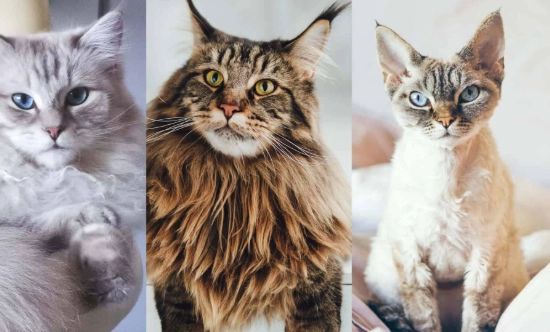
So, the main ways to slice the cat pie are:
- By Coat Length: Longhair, Semi-longhair, Shorthair, Hairless. This is the most obvious visual difference.
- By Body Type: Cobby (stocky, like a British Shorthair), Foreign (slender and long, like a Siamese), Semi-foreign (a happy medium, like an Abyssinian).
- By Ancestry & Origin: Natural breeds (developed with little human intervention, like the Norwegian Forest Cat), Hybrid breeds (crosses with wild cats, like the Bengal), and Mutation breeds (resulting from a spontaneous genetic change, like the Scottish Fold's ears).
The Heavy Hitters: Most Popular Cat Breeds (And Why)
Based on registration stats from organizations like the CFA, some breeds consistently top the charts. Their popularity isn't an accident. It usually comes down to a combination of looks, predictable personality, and adaptability.
Let's break down the usual suspects you've likely heard of. I've included a table here because it's the easiest way to compare these popular types of cats side-by-side on key factors that actually matter when you're living with one.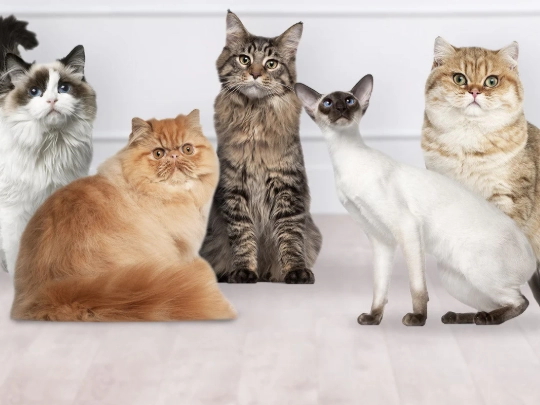
| Breed | The Look & Vibe | Personality in a Nutshell | Grooming Needs | Good For... |
|---|---|---|---|---|
| Maine Coon | The gentle giant. Huge, with a shaggy coat, lynx-like ear tufts, and a bushy tail. | Dog-like, friendly, playful well into adulthood. Often follows you around. Surprisingly chirpy voice. | Moderate to High. That semi-long coat needs regular brushing to prevent mats, especially during shedding seasons. | Families, other pets, people who want a big, interactive companion. |
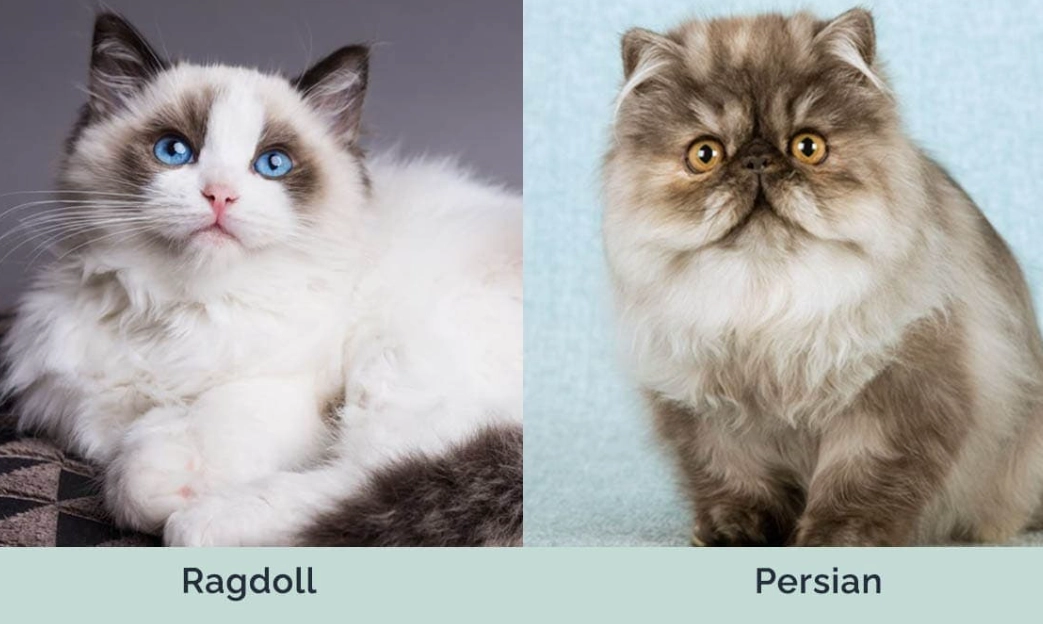
| Persian | The ultimate lap ornament. Extremely long, luxurious coat, flat (brachycephalic) face with big eyes. | Extremely calm, sweet, and quiet. They are masters of relaxation and prefer a serene environment. | Very High. Daily brushing is non-negotiable to prevent painful mats. Their flat faces also need daily cleaning. | Quiet households, apartments, people committed to serious grooming. |
| Ragdoll | Large, semi-longhaired with stunning blue eyes and pointed coloration (darker face, ears, etc.). | Famous for going limp when picked up (hence the name). Affectionate, gentle, and often quite placid. | Moderate. Their silky coat is less prone to matting than a Persian's, but still needs weekly brushing. | Families, first-time cat owners, people seeking a laid-back, affectionate shadow. |
| Siamese | Short coat, sleek "foreign" body, striking blue almond-shaped eyes, and distinctive pointed pattern. | Extroverted, vocal, and demanding of attention. Highly intelligent and can get mischievous if bored. | Low. Their short coat is easy. The main upkeep is their loud opinions! | Active owners who want a talkative, engaging companion. Not for those who crave quiet. |
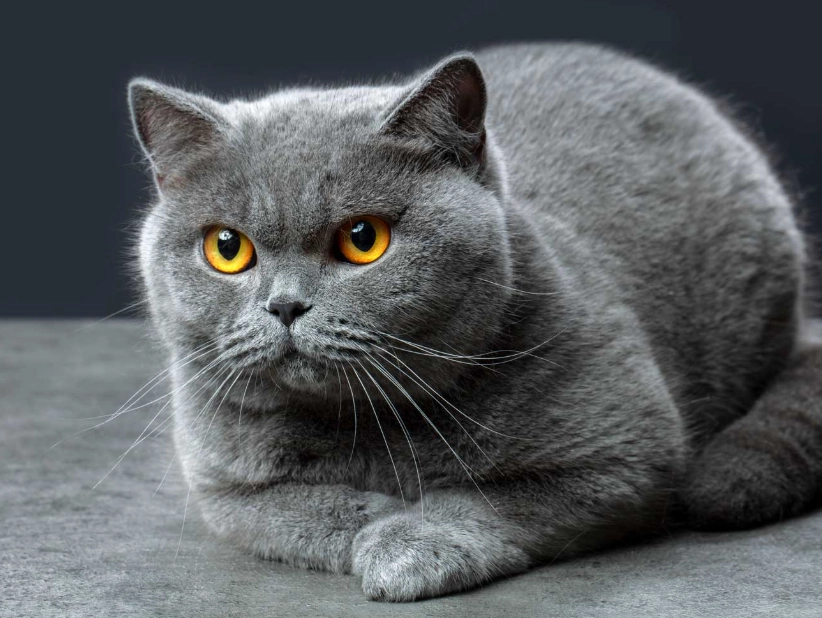
| British Shorthair | The teddy bear. "Cobby" body, dense plush coat (often blue-gray), and a round face with chubby cheeks. | Independent yet sweet, calm, and undemanding. They enjoy companionship but aren't clingy. | Low to Moderate. Weekly brushing is plenty for their dense coat. | Busy professionals, quieter homes, people who appreciate a dignified, low-drama cat. |
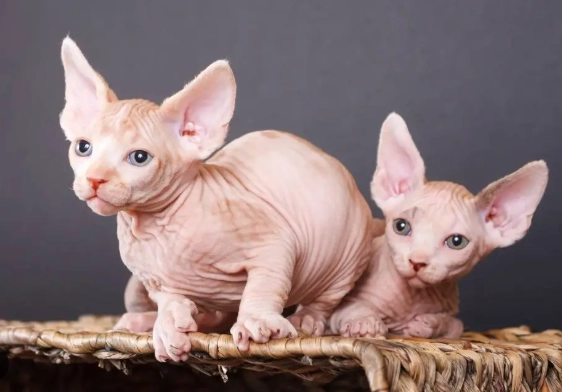
| Sphynx | Hairless (though they often have a peach-fuzz feel). Wrinkled skin, large ears, and a warm body. | Extroverted, energetic, and affectionate. They seek warmth and human contact constantly. | Unique Needs. They need weekly baths to remove oily skin buildup. Also, they get cold easily and need sweaters/sun protection. | Allergy sufferers (to dander, not all allergies), people who want an ultra-social, unique pet. |
Beyond the Usual: Unique and Interesting Types of Cats
This is where it gets fun. The cat world is full of fascinating breeds that don't always make the top ten lists but have incredible traits.
The Wild Look-Alikes
Some breeds are designed to remind us of their wild cousins, but with a domestic temperament.
- Bengal: Looks like a mini leopard with a spotted or marbled coat that's incredibly soft. They are high-energy, intelligent, and need lots of interaction and vertical space. They love water. Not a couch potato breed.
- Savannah: A hybrid with the Serval, they are tall, slender, and spotted. The higher the generation (F1, F2), the more wild tendencies and restrictions they may have. They are active, loyal, and can learn to walk on a leash.
- Egyptian Mau: The only naturally spotted domestic breed. They have a graceful build and a worried expression. Shy with strangers but loyal and playful with their family.
The Curly and Unusual Coats
Forget straight hair. Some cats have coats that break all the rules.
- Cornish Rex & Devon Rex: Both have short, wavy, curly coats. The Cornish Rex has an egg-shaped head and is slender like a whippet. The Devon Rex has large ears and an elfin face. Both are playful, warm to the touch, and often described as "mischievous."
- Selkirk Rex: Unlike the other Rexes, this cat has a fuller, plush coat of loose curls, making it look like a stuffed animal. Their personality is typically easygoing and patient.
- LaPerm: Another curly-coated breed, but the curl can range from loose waves to tight ringlets. They are known for being affectionate and people-oriented.
See what I mean? The variety is astounding.
The Silent Majority: Domestic Cats (The Best Cats?)
Let's not forget the heroes without papers. Domestic Shorthairs (DSH) and Domestic Longhairs (DLH) make up about 95% of the cat population. They are mixed-breed cats of unknown ancestry, often found in shelters.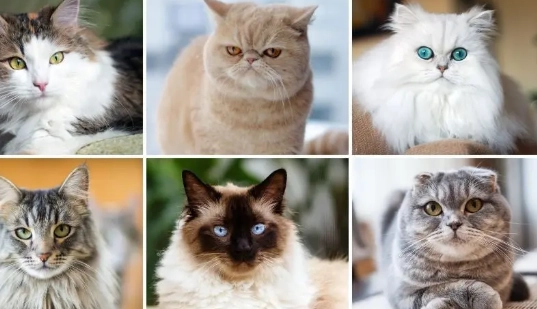
Here's the thing: they are fantastic. Their genetic diversity often means fewer inherited health problems than some purebreds. Their personalities are a wonderful surprise package. You might get a cat with the loyalty of a Maine Coon, the sleekness of an Oriental, and the chirp of a Siamese, all in one unique, affordable, and often healthier package.
I'm biased, but my DSH was one of the smartest, most adaptable cats I've ever known. He cost me a small adoption fee and gave me 18 years of joy. When considering different types of cats, the shelter is always a brilliant first stop.
How to Actually Choose From All These Types of Cats
This is the real question, right? You've seen the options. Now, how do you pick? Don't just pick the cutest face. That's like marrying someone just for their hair. Ask yourself these questions:
- How much time do you have? A high-energy Bengal or Siamese will demand playtime and interaction. A Persian or British Shorthair will be more content with quieter companionship.
- What's your grooming tolerance? Be brutally honest. Are you willing to brush a cat for 20 minutes every single day? If not, rule out the Persians and other high-maintenance coats.
- Who lives with you? Kids? Other pets? Some breeds (like Ragdolls, Maine Coons) are famously patient. Others might be more skittish or territorial.
- What's your home environment like? Noisy and active? Calm and quiet? Match the cat's energy to your home's vibe.
- What are your dealbreakers? Can't stand constant meowing? Avoid Siamese and other vocal breeds. Hate cleaning litter boxes? All cats need that, but some are messier than others.
Common Myths and Straight Talk
Let's clear some things up. There's a lot of nonsense out there about different kinds of cats.
Myth: Purebred cats are always healthier. Truth: Not necessarily. Responsible breeders screen for genetic issues, but some breeds are prone to specific problems (e.g., Persians to breathing issues, Maine Coons to heart conditions). Mixed-breed cats benefit from hybrid vigor.
Myth: All orange tabbies are male, all calicos are female. Truth: Mostly true due to genetics, but not absolute. Male calicos are extremely rare and usually sterile.
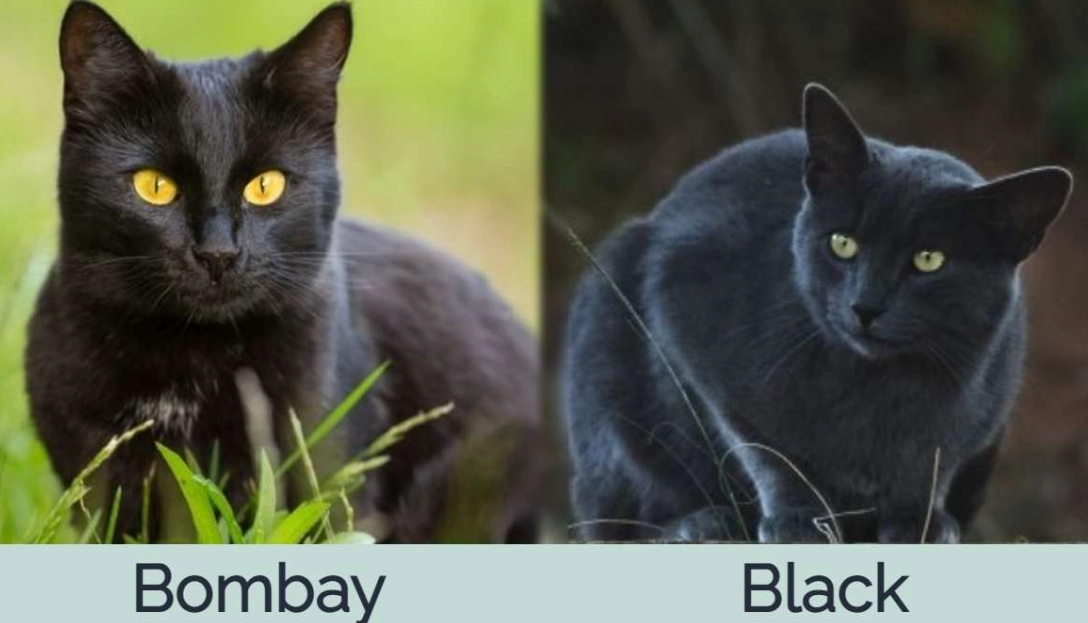
Myth: Black cats are less adoptable or unlucky. Truth: A silly superstition. Black cats are just as loving and wonderful as any other. Their adoption rates can be lower due to this myth and because they don't photograph as easily for shelter websites—a real shame.
Myth: You get what you pay for with a breeder. Truth: A high price doesn't guarantee ethics. A responsible breeder prioritizes health, temperament, and breed standards over profit. They will interview you, show you their facilities, and provide health clearances. Always, always do your homework. Better yet, check a shelter first.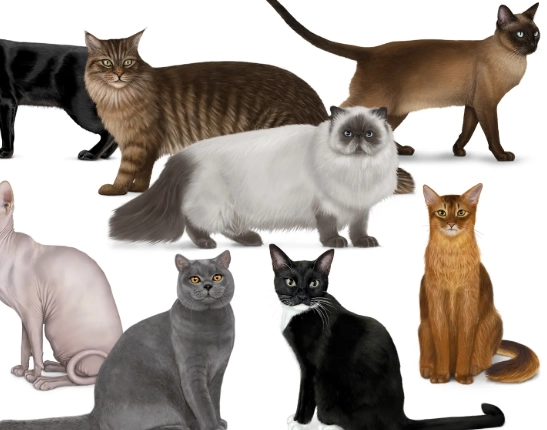
Your Next Steps
You're now armed with more knowledge about the many types of cats than most people. So what do you do?
If you're leaning toward a specific breed, find a reputable club or association. The CFA's breed directory is a great place to start for detailed standards and breeder referrals. Attend a cat show if you can. It's a fantastic way to see breeds in person and talk to experts.
But seriously, visit your local shelter or rescue. Spend time with the cats. Talk to the volunteers about their personalities. You might just find your perfect match without a pedigree, and you'll be saving a life.
Choosing a cat is a big decision. It's a 15-20 year commitment. But whether you end up with a majestic purebred or a glorious mutt, the result is the same: a unique, purring individual who will carve out a special place in your life and home. The best cat isn't the rarest or most expensive one; it's the one that fits perfectly with you.
Good luck out there. And maybe leave a lint roller by the door.