Quick Guide
- Breaking Down the Numbers: Weight Ranges & What's Healthy
- It's Not Just Weight: The Key Factors That Shape a Himalayan's Size
- From Kitten to King: The Himalayan Cat Growth Timeline
- Himalayan vs. Persian: The Size Showdown (They're Basically Siblings)
- Common Questions About Himalayan Cat Size (The Stuff You Really Want to Know)
- Living with a Larger, Fluffier Cat: Practical Considerations
You're probably picturing a fluffy cloud with eyes, right? I get it. When I first brought my Himalayan, Mochi, home as a kitten, he was a tiny puffball. Fast forward a few years, and let's just say he now commands his own cushion on the couch. The question of Himalayan cat size isn't just about curiosity—it's about knowing what to expect, from the size of your cat tree to the amount of food in the bowl.
Honestly, there's a lot of vague info out there. "Medium to large" doesn't tell you much. I've seen forums where people are shocked their cat is 15 pounds, thinking something's wrong. Usually, it's not. The truth about their size is a fascinating mix of genetics, fluff, and bone structure. We're going to strip away the guesswork and look at the real numbers, the factors at play, and what a healthy Himalayan cat size truly looks like.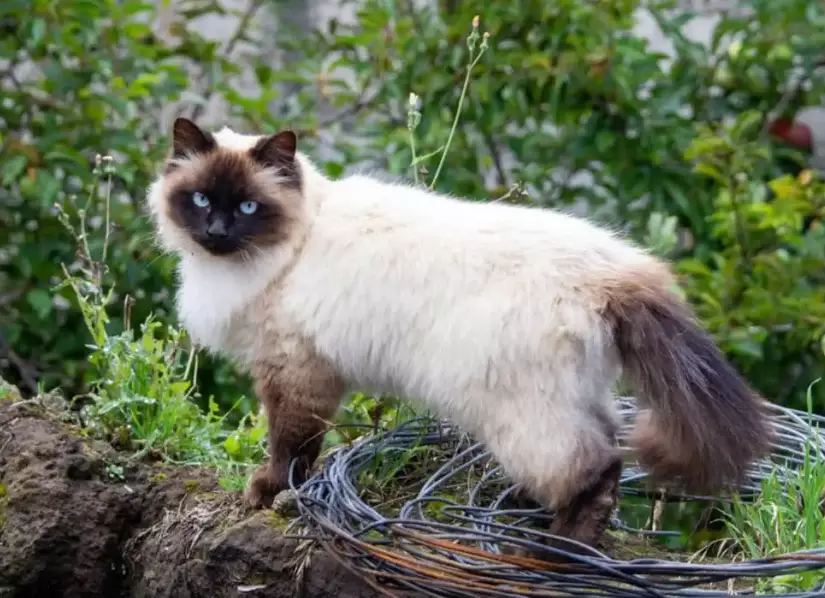
The Quick Answer: A fully grown, healthy adult Himalayan cat typically weighs between 7 and 12 pounds (3.2 - 5.4 kg). Males are often larger, frequently hitting 9-12+ pounds, while females usually range from 7-10 pounds. But weight is only part of the story. Their dense bone structure and incredibly thick, long fur make them appear significantly larger and more substantial than the number on the scale suggests.
Breaking Down the Numbers: Weight Ranges & What's Healthy
Let's get specific. Saying a cat is "big" is like saying a car is "fast"—it needs context. A healthy Himalayan cat weight has a range, and it's crucial to know where your cat should fall.
Here’s a realistic breakdown of adult Himalayan cat size by weight:
>Time for a vet visit to rule out dental issues (common in flat-faced breeds) or other health problems.| Category | Typical Weight Range | Notes & What to Look For |
|---|---|---|
| Adult Female Himalayan | 7 - 10 lbs (3.2 - 4.5 kg) | The more common range. A female at 6 lbs might be petite or need a vet check; one at 13 lbs is likely overweight. |
| Adult Male Himalayan | 9 - 12+ lbs (4.1 - 5.4+ kg) | Males have a sturdier frame. It's not uncommon for a big-boned, healthy male to be 13-14 lbs, but this is the upper limit. |
| Overweight/Obese Indicator | Consistently above 13-14 lbs | This is a major red flag. Excess weight puts immense strain on their flat faces (breathing) and joints. |
| Underweight Indicator | Consistently below 7 lbs (male) / 6 lbs (female) |
See, the scale isn't the whole truth. My vet always says, "We don't just judge by weight, we judge by condition." A 12-pound Himalayan with a broad chest and good muscle tone is a world apart from a 12-pound Himalayan who is just fat. The fur is a notorious deceiver. After Mochi's summer lion cut one year, I was genuinely concerned he'd halved in size! It was all fur.
The gold standard is the Cat Body Condition Score (BCS). It's a hands-on assessment. Organizations like the VCA Animal Hospitals provide excellent visual charts. You should be able to feel (not necessarily see) their ribs with a slight fat covering, see a visible waist from above, and a tucked abdomen from the side. If you're just feeling a thick, squishy layer over the ribs, that's fat.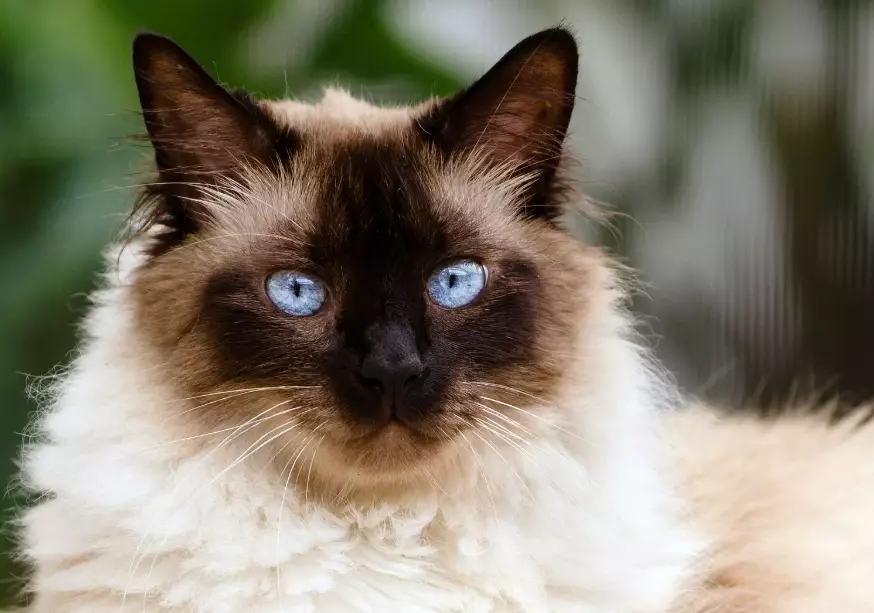
It's Not Just Weight: The Key Factors That Shape a Himalayan's Size
Why is one Himalayan a dainty 8-pound princess and another a 14-pound gentle giant? It boils down to three main things.
Genetics & Bloodline: The Blueprint
This is the biggest one. Some bloodlines are simply bred for a more substantial, "cobby" frame—a term you'll hear often. A cobby body means short, muscular, and deep-chested. Other lines might be slightly more refined. If you're getting a kitten from a breeder, asking about the size of the parents and grandparents is your best clue to your kitten's potential Himalayan cat size as an adult.
Bone Structure vs. Fluff: The Great Illusion
This is critical to understand. Their size is a two-part equation:
- Bone & Muscle (The Reality): Himalayans have a solid, heavy-boned structure. Pick one up, and you'll feel the heft. This substance is real.
- The Coat (The Illusion): The long, dense, double coat adds literal inches in every direction. It's like wearing a permanent winter parka. A wet or shaved Himalayan reveals their true, much more compact physique.
I made the mistake of buying a small cat bed based on Mochi's "sleeping ball" size. He outgrew it in months because when he sprawls, the fur expands to fill all available space. Lesson learned.
Gender & Neutering/Spaying
As with most mammals, males are typically 20-30% larger than females. The act of neutering or spaying can also influence metabolism and appetite, sometimes leading to weight gain if diet isn't adjusted. It doesn't change their genetic frame, but it can change what's on it.
Personal Take: I think a lot of the confusion around Himalayan cat full grown size comes from people underestimating the coat. They see a massive, majestic fluffball and assume it's all cat. In reality, a good portion is just glorious, high-maintenance fur. It's important to separate the two so you can accurately monitor their health.
From Kitten to King: The Himalayan Cat Growth Timeline
They don't become couch lions overnight. Their growth happens in stages, and it's slower than you might think.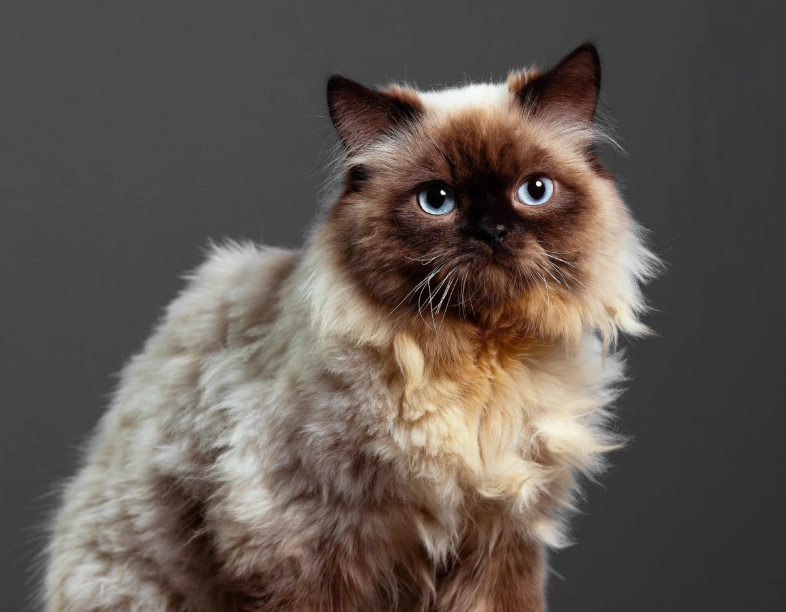
- 0-6 Months (Rapid Growth): This is the kitten phase. They'll gain about 1 pound per month. They're all legs, energy, and awkward fluff.
- 6-12 Months (Slowing Down): Growth in length and height starts to taper off. They start filling out, developing that characteristic sturdy chest.
- 12-24 Months (Filling Out): This is when they truly achieve their adult Himalayan cat size. They build muscle, their chest broadens, and their coat reaches its full, glorious length and density. Most are considered fully grown by 2 years, though some males might continue to subtly fill out until age 3.
If your 8-month-old still seems a bit scrawny, don't panic. They're likely just late bloomers, still working on that final "fill."
Himalayan vs. Persian: The Size Showdown (They're Basically Siblings)
Since Himalayans are essentially Persian cats with Siamese-like color points, people always ask about the size difference. The truth? There is almost none in terms of body structure. The breed standard for both, as outlined by major registries like The International Cat Association (TICA), calls for a cobby, low-to-the-ground body type.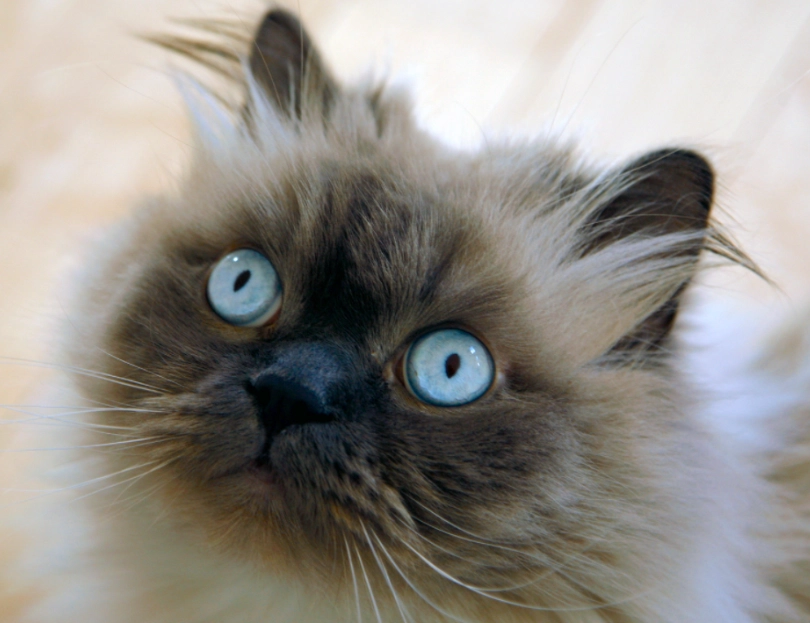
Any perceived difference usually comes down to individual variation or specific breeder lines, not the breed itself. A "show-type" Persian and a Himalayan from similar lines will be nearly identical in frame. The main visual difference is the coat color/pattern and eye color (Himalayans always have blue eyes).
| Trait | Himalayan Cat | Persian Cat |
|---|---|---|
| Average Weight | 7-12 lbs | 7-12 lbs |
| Body Type | Cobby, muscular, low-slung | Cobby, muscular, low-slung |
| Key Distinction | Color-pointed coat (darker face, ears, paws, tail), always blue eyes. | Wide variety of solid/patterned coats, eye color varies with coat. |
So, if you're deciding between the two based on expected Himalayan cat size, don't. Base it on which look you prefer and finding a responsible breeder focused on health.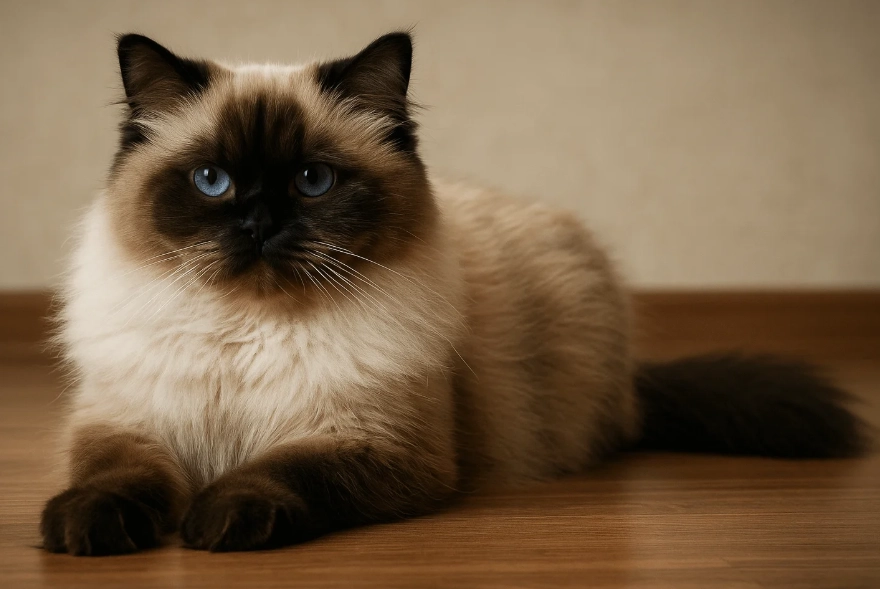
Common Questions About Himalayan Cat Size (The Stuff You Really Want to Know)
"My Himalayan is over 15 pounds. Is he fat?"
Probably, yes. While a very large-framed, muscular male might healthily sit at 14 pounds, 15+ is almost always in the overweight territory. Do the BCS test. Can you easily feel his ribs? See a waist? If not, it's time to talk to your vet about a safe diet plan. Their joints and breathing can't handle extra weight.
"Are male Himalayans always bigger than females?"
Almost always, yes. The size difference is usually noticeable. If you have your heart set on a smaller cat, a female is a safer bet. But remember, genetics are the wild card—a female from a large line could still be bigger than a male from a petite line.
"How can I tell if my kitten will be a big cat?"
Look at the paws. It's an old wives' tale that often holds truth. A kitten with disproportionately large, big-boned paws is likely going to grow into them. The best indicator, however, remains the size of the parents.
"Does diet affect their ultimate size?"
Diet affects weight and health, not the genetic potential for frame size. A kitten fed a poor diet may not reach its full size potential, while an overfed adult will become obese, not "big-boned." High-quality kitten food supports proper growth, and then controlled portions of adult food maintain ideal condition.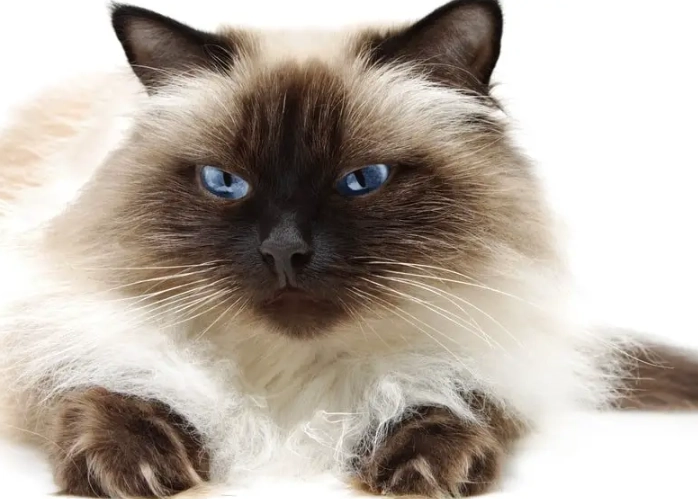
A Word on Health: The single biggest size-related health issue for Himalayans is obesity. Their sedentary nature and love of food are a dangerous combo. Keeping them at an ideal Himalayan cat weight is one of the most important things you can do for their long-term health, especially to prevent arthritis and respiratory issues exacerbated by their brachycephalic (flat) faces.
Living with a Larger, Fluffier Cat: Practical Considerations
Understanding their size isn't academic—it changes how you set up your home.
- Litter Box: Get the biggest, highest-sided box you can find. A standard small box will be outgrown quickly and likely result in messes over the side.
- Cat Trees & Beds: Skip the dainty, wobbly trees. You need a sturdy, wide-based tree with large, solid platforms and a roomy condo. Same for beds—think "large" or even "extra-large dog bed." They sprawl.
- Grooming: That magnificent coat is a commitment. Daily brushing is non-negotiable to prevent mats, which can form close to the skin and be painful. Their size means grooming takes time—it's a big area to cover!
- Carriers & Vet Visits: A sturdy, hard-sided carrier in a large size is a must. A flimsy soft carrier won't contain a stressed, 12-pound cat.
At the end of the day, the Himalayan cat size is part of their charm. They are substantial, dignified, and wonderfully solid companions. By knowing what a healthy size looks like, you're not just preparing your home—you're investing in their well-being for years of lap-sitting (or rather, lap-occupying) to come. Just make sure your lap is ready for a fluffy, heavyweight friend.