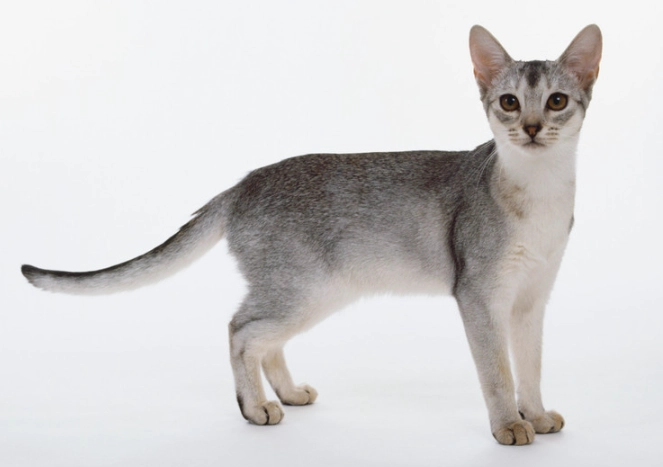
If you've ever seen a photo of a Devon Rex, you probably did a double-take. Big ears, huge eyes, a wispy coat that looks like crushed velvet. Some call them "pixie cats" or "alien cats." But here's the thing most articles don't tell you right away: the look is just the opening act. What's truly special about a Devon Rex isn't just how they look, but how they behave. They're often described as a cross between a cat, a dog, and a monkey, and after living with one for eight years, I can tell you that's not far off. This guide cuts through the cute photos and gets into what life with a Devon Rex is actually like—the joys, the quirks, and the realities everyone considering this breed needs to know.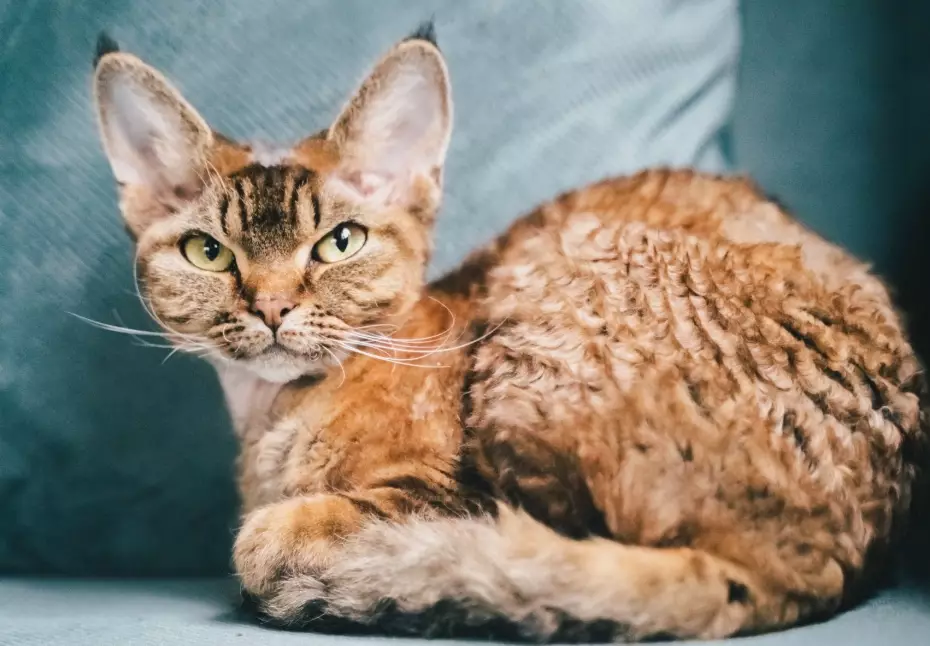
What You’ll Discover in This Guide
From a Buckfastleigh Mine to Your Living Room
The first Devon Rex, a curly-coated male named Kirlee, was born in 1960 in Buckfastleigh, Devon, England. He was the result of a natural genetic mutation in a feral cat population. A local woman, Beryl Cox, noticed this unique kitten and brought him home. Breeders initially thought the mutation was the same as the one found in the Cornish Rex. They tried breeding Kirlee to Cornish Rex females, but all the kittens had straight hair. This was the big "aha" moment—it was a completely different gene. This recessive gene is what gives the Devon its distinctive coat. The breed was developed carefully from there, and recognized by cat fancier associations like the Cat Fanciers' Association (CFA) years later. Knowing this origin is key. It's a man-made breed from a tiny gene pool, which directly influences their health profile, something we'll get into later.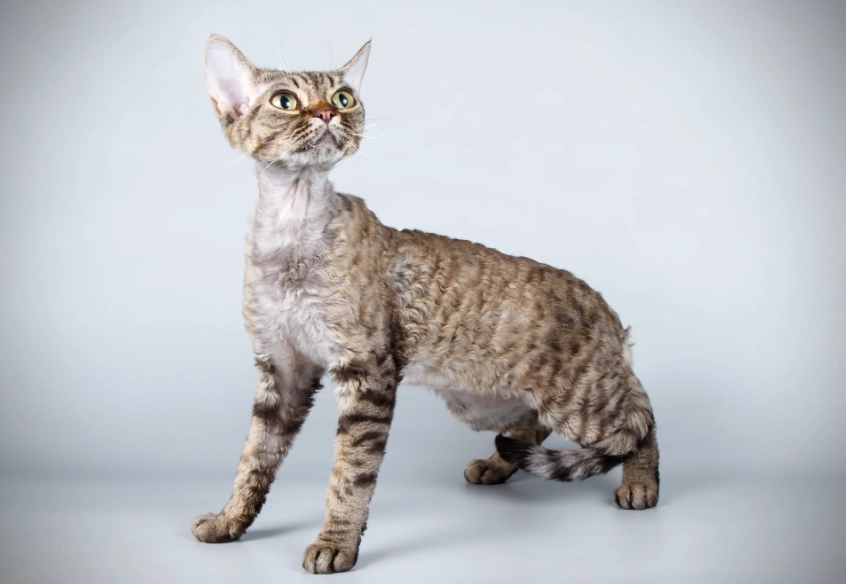
The Science Behind That "Alien" Look
Let's break down the anatomy of a Devon Rex. It's not random; every feature has a purpose and a cause.
The Coat: Wavy, Warm, and Surprisingly Varied
The most obvious feature. The coat lacks the tough guard hairs that most cats have. They only have the soft, downy undercoat, which can be loose and wavy or a tight marcel wave. It feels like warm suede or peach fuzz. But here's a nuance rarely discussed: not all Devon Rex coats are created equal. Some have almost bare patches on their chest, belly, or the tops of their heads ("baldies"), while others have a more even, dense wave. The coat density can change with seasons, hormones, and even diet. Because they lack insulation, they seek warmth. You'll find them under blankets, on top of computers, or glued to your side. They are not truly hairless, so they do produce some dander (the real allergy trigger), just less of it.
The Head: Those Ears and Eyes
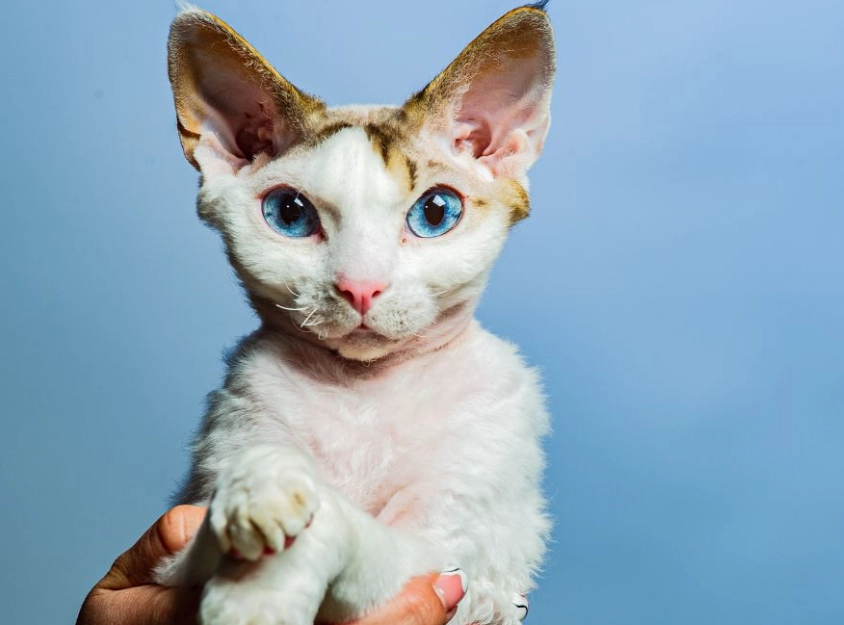
The huge, low-set ears aren't just for show. They contribute to their elfin appearance and are remarkably expressive. The eyes are large, wide-set, and come in vivid colors that can seem to glow. Combined with a short muzzle and prominent cheekbones, it creates that otherworldly look. Their body is slender and muscular, with long, fine-boned legs that make them surprisingly agile jumpers.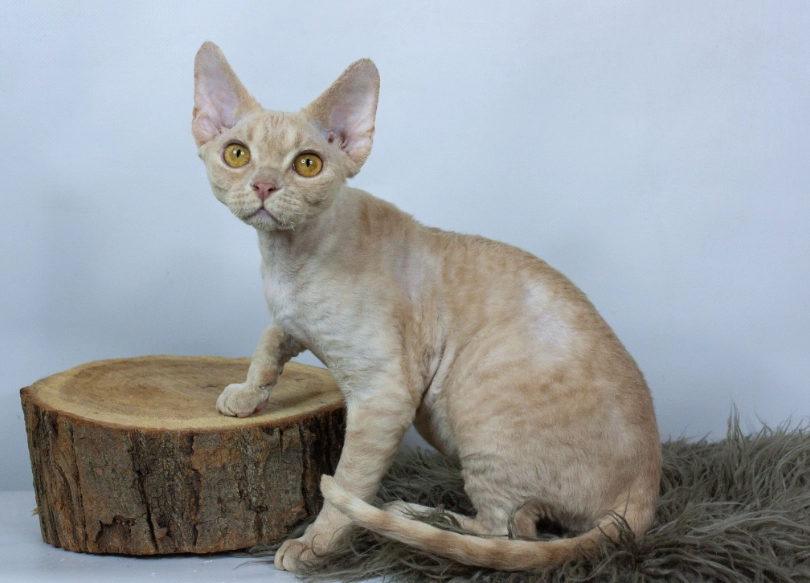
Quick Comparison: How does the Devon Rex stack up against other "unique-looking" breeds? This table clarifies common confusions.
| Feature | Devon Rex | Cornish Rex | Sphynx |
|---|---|---|---|
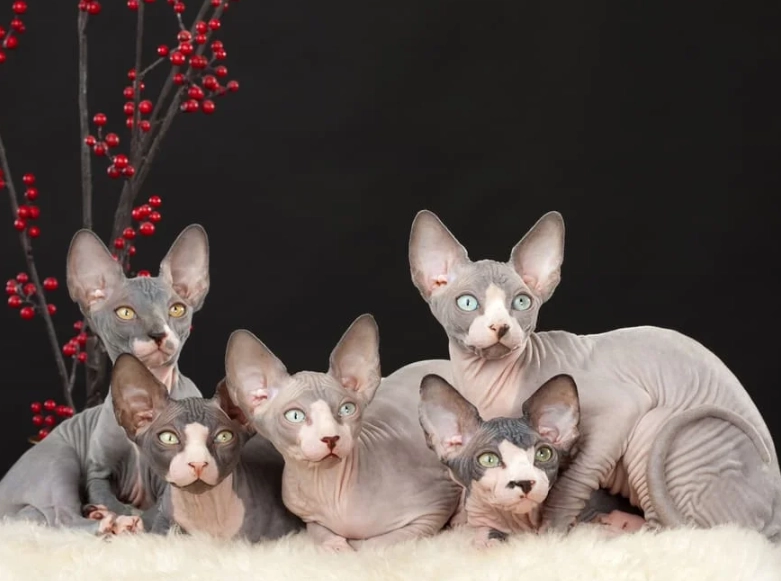
| Coat Type | Wavy, soft undercoat only (suede feel) | Very short, tight waves, all over (velvet feel) | Mostly hairless, may have peach fuzz |
| Body Shape | Slender, fine-boned, "pixie" build | Long, arched back, "greyhound" of cats | Muscular, sturdy, with prominent belly |
| Head Shape | Modified wedge, huge low-set ears | Egg-shaped head, large high-set ears | Wedge-shaped, prominent cheekbones |
| Energy Level | Very high, playful, mischievous | High, athletic | High, loves attention |
A Personality That Defies Feline Stereotypes
This is where the Devon Rex shines and where most generic descriptions fail. They aren't just "friendly." They are profoundly social, dog-like in their attachment, and possess a mischievous intelligence that demands engagement.
Forget aloofness. A Devon Rex wants to be involved in everything you do. Cooking? They're on the counter "supervising." Working? They're on your keyboard. Reading? They're on your book. They form intense bonds with their people and often follow them from room to room. Many learn to fetch, walk on a harness, and come when called. They greet you at the door. Their voice is often softer and chirpier than a typical meow—more of a trill or a squeak used for communication.
But there's a flip side to this intelligence and energy. A bored Devon Rex is a destructive Devon Rex. They will open cabinets, knock things off shelves, and find trouble out of sheer curiosity. They need interactive play, puzzle toys, and consistent mental stimulation. They're not the cat to leave alone for 12 hours a day with nothing to do. They thrive in homes with another playful pet or with an owner who is present and interactive.
Practical Devon Rex Care: It's Not Just Cuddles
Owning a Devon Rex requires a specific routine. Their unique coat and high metabolism dictate special care.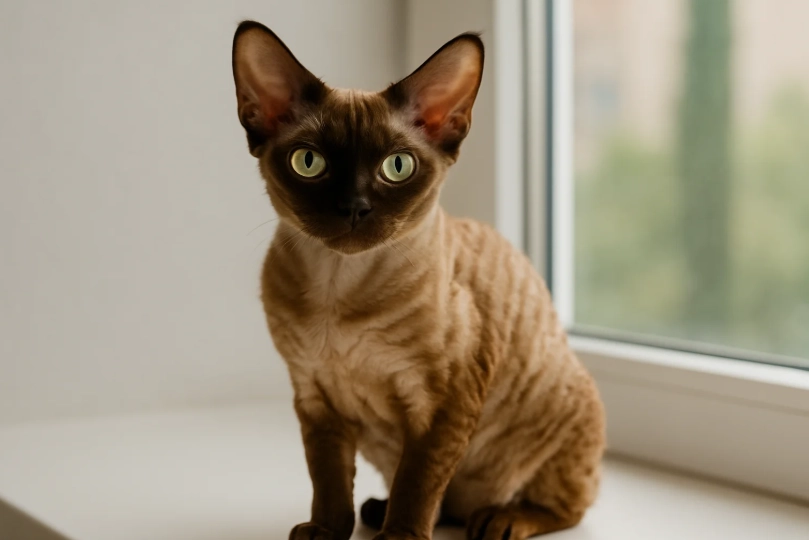
How to Groom a Devon Rex Cat
Contrary to belief, they do need grooming. Their soft hair breaks easily and can shed, clinging to fabrics. A weekly gentle brushing with a very soft brush or a grooming glove removes loose hair and distributes skin oils. The bigger issue is skin care. They can get oily, especially around the nail beds, chin, and ears ("Devon Rex grease"). You'll need to wipe them down with a warm, damp cloth or pet-safe wipe weekly. Their large ears collect wax quickly and need regular checking and gentle cleaning with a vet-recommended solution.
Feeding and Environmental Needs
They have fast metabolisms to stay warm. Many Devon Rex owners find their cats need more calories and higher-quality protein than an average cat of the same size. Consult your vet. Because they get cold, provide warm sleeping spots—heated cat beds (on low settings) are a huge hit. Keep your home at a comfortable, draft-free temperature.
Long-Term Health Considerations
This is the most critical section for any potential owner. Due to their limited genetic foundation, Devon Rex cats are predisposed to certain hereditary conditions. Responsible breeders screen for these.
- Hypertrophic Cardiomyopathy (HCM): This is the most serious concern, a form of heart disease. Reputable breeders will have their breeding cats regularly scanned by a veterinary cardiologist. Ask for proof of HCM-negative status for the parents.
- Patellar Luxation: A kneecap that slips out of place, ranging from mild to severe. Good breeders screen for this as well.
- Congenital Hypotrichosis: This is the genetic cause of their sparse coat. In its extreme form, kittens can be born almost hairless and may have other health issues.
The key takeaway? Never buy a Devon Rex from a backyard breeder or a pet store. A responsible breeder will be transparent about health testing, provide a health guarantee, and be a resource for the cat's life. Expect to pay a premium for a well-bred, health-tested kitten. The Cat Fanciers' Association and The International Cat Association (TICA) websites have breeder directories.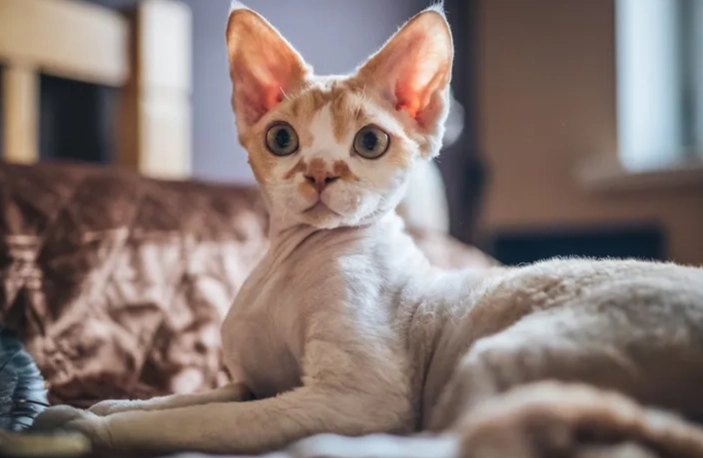
Your Devon Rex Questions, Answered
Are Devon Rex cats really hypoallergenic?
No cat breed is 100% hypoallergenic. Allergies are primarily triggered by a protein (Fel d 1) found in cat saliva and skin dander, not hair itself. Devon Rex cats produce less dander because of their coat type, so many people with mild to moderate allergies tolerate them well. However, they still groom themselves and produce the allergen. The only way to know is to spend extended time with one before bringing it home. Don't rely on the "hypoallergenic" label as a guarantee.
Is a Devon Rex a good choice for a first-time cat owner?
It depends on your lifestyle. If you're a first-time owner who is home often, ready for a highly interactive and demanding pet, and committed to finding an ethical breeder, it could work. But their need for companionship, specific grooming, and potential health issues add layers of complexity. A more independent, lower-maintenance breed might be a less stressful introduction to cat ownership for some.
My Devon Rex is always hungry and begging for food. Is this normal?
Very common. Their high metabolism can make them seem perpetually hungry. First, rule out medical issues like parasites or hyperthyroidism with your vet. If they're healthy, it's likely behavioral. Stick to measured, scheduled meals rather than free-feeding. Use puzzle feeders to slow them down and provide mental stimulation. Their "starving" act is often very convincing, but overfeeding leads to obesity, which is terrible for their joints and heart.
Do Devon Rex cats get along with dogs and other pets?
Generally, yes, due to their social and confident nature. They often see other pets as potential playmates. The key is proper, gradual introductions. Their playful, sometimes in-your-face style can annoy an older, sedate cat. They usually do best with another active cat or a dog that has a calm, cat-friendly demeanor. Always supervise initial interactions.
How long do Devon Rex cats typically live?
With responsible breeding and excellent care, a Devon Rex can live a long life, typically between 12 to 16 years. This lifespan hinges on obtaining a cat from a breeder who rigorously tests for hereditary diseases like HCM. Cats from poorly bred lines may face significant health challenges much earlier.
 So, what is special about a Devon Rex cat? It's the complete package of a unique, eye-catching appearance paired with a relentlessly affectionate and entertaining personality. They're not a low-maintenance pet; they're a commitment to a creature that will demand your time, warmth, and attention. But in return, you get a companion that breaks the mold—a cat that acts more like a loyal, playful shadow. If you can meet their needs, you won't just own a cat; you'll gain a true member of the family who will keep you constantly surprised, slightly exasperated, and utterly charmed for years to come.