Let's cut to the chase: orange cat prices aren't as straightforward as you might think. I've seen people budget $200 for a kitten and end up spending over $1,000 in the first year alone. Why? Because the initial price tag is just the tip of the iceberg. Whether you're drawn to a fiery ginger tabby or a creamy orange Persian, understanding the costs upfront can save you headaches later. In this guide, I'll walk you through everything from breed factors to hidden expenses, based on my decade of experience with cats and conversations with breeders, vets, and rescue groups.
Jump to What Matters
What Drives Orange Cat Prices?
You can't pin a single price on all orange cats. It's like asking how much a car costs—depends on the model, year, and condition. Here’s what really matters.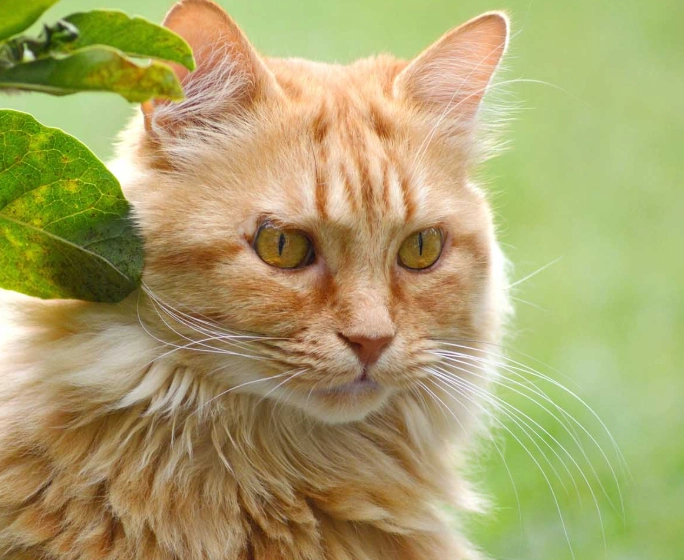
Breed and Pedigree: The Big Differentiator
Orange isn't a breed; it's a coat color found in many breeds. That means price swings wildly. A common orange domestic shorthair? Maybe $50 from a shelter. But an orange Maine Coon with a documented pedigree? I've seen them go for $1,200 to $2,500 from reputable breeders. Breeds like British Shorthair, Persian, and Scottish Fold often command higher prices for orange variants because of demand and rarity in certain lines.
Pedigree papers add cost. If a cat comes from champion bloodlines, expect to pay a premium. But here's a non-consensus tip: papers don't always mean better health. I once met a breeder who focused so much on color that kittens had underlying issues. Always ask for health clearances, not just papers.
Age and Health: Younger Isn't Always Cheaper
Kittens usually cost more than adults. Breeders might charge $800 for a kitten, while shelters ask $100 for an adult. But adults can be a steal—they're often already spayed/neutered and have settled personalities. Health screenings are crucial. A cat with a clean vet check might cost more upfront, but saves you on future bills. Common issues in some orange breeds, like dental problems in Persians, can lead to expensive care.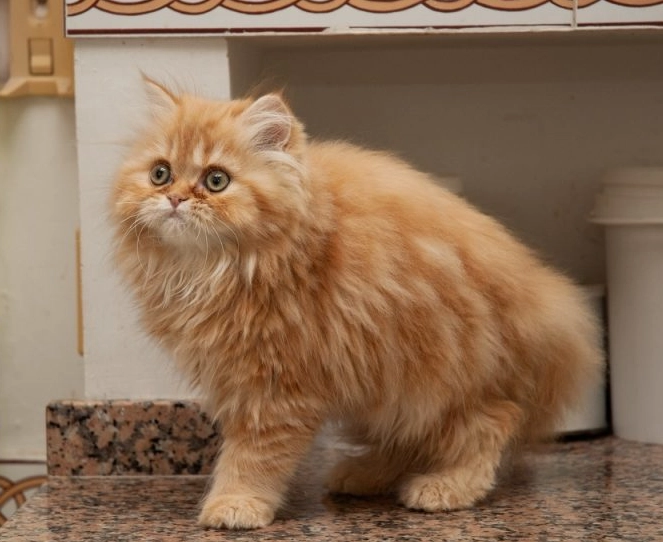
Source: Breeder vs. Shelter vs. Rescue
Where you get your cat massively impacts price. Reputable breeders, often registered with associations like The International Cat Association, charge for quality care and genetics—think $500 to $2,000+. Shelters and rescues are cheaper, with fees from $50 to $200, usually covering vaccinations and neutering. But I've adopted from both, and shelters sometimes have hidden gems. My friend got a purebred orange Ragdoll from a rescue for $150, a fraction of breeder prices.
Personal story: When I got my orange tabby, Leo, I opted for a local rescue. Paid $120, which included his shots and microchip. The breeder quote was $600 for a similar kitten. Leo had a minor ear infection that cost $80 to treat, but overall, I saved hundreds.
Orange Cat Cost Breakdown: Numbers You Can Use
Let's get concrete. Here’s a table based on average U.S. prices from my research and vet consultations. These are ballpark figures—your area might differ.
| Source | Average Price Range | What's Typically Included | Best For |
|---|---|---|---|
| Animal Shelter | $50 - $150 | Basic vaccinations, spay/neuter, microchip | Budget-conscious owners, adopting adults |
| Rescue Group | $100 - $300 | Vaccinations, vet check, sometimes neutering | Those wanting more background info |
| Hobby Breeder | $300 - $800 | Kitten, initial shots, maybe pedigree papers | Seeking specific traits without top pedigree |
| Reputable Breeder | $800 - $2,500+ | Health guarantees, pedigree, socialization, vet care | Purebred enthusiasts, show potential |
| Free Adoption (Online) | $0 - $50 | Often nothing; may need vet work | Risk-takers, experienced owners |
Notice the gap? Shelters are affordable, but breeders offer predictability. I recommend checking sites like Petfinder for rescues—they often list orange cats with detailed histories.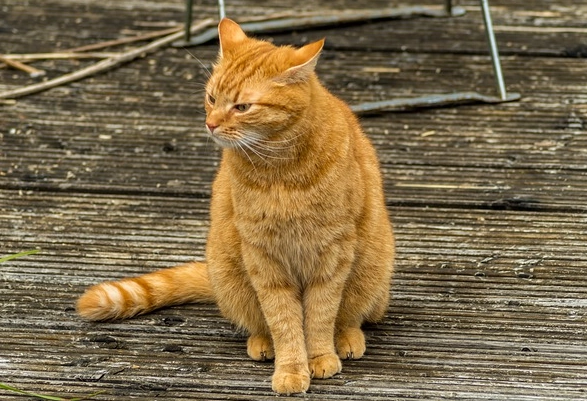
Case Study: The $500 Budget Scenario
Imagine you have $500 to spend. You could:
- Adopt from a shelter ($150), leaving $350 for supplies and vet fund.
- Buy from a hobby breeder ($500), but then scramble for initial vet costs.
- Wait for a promotion—some shelters have fee-waived events, letting you get a cat for almost free.
I'd go with adoption and use the savings for a high-quality carrier, litter box, and a vet visit. That's what I did with Leo, and it worked out.
The Hidden Costs Nobody Talks About
This is where new owners get blindsided. The purchase price is just the start.
Veterinary Care: Annual check-ups run $100-$300. Emergencies? A friend's orange cat ate a toy and needed surgery—$2,000 bill. Pet insurance can help, costing $20-$50 per month. For purebreds, it's a must due to breed-specific issues.
Food and Litter: Don't cheap out. Good quality food prevents health problems. I spend about $40 monthly on grain-free kibble for Leo. Litter adds $20. Over a year, that's $720.
Supplies and Toys: Scratching posts, beds, carriers—initial setup can hit $200. Toys are ongoing; cats get bored. I rotate toys to keep costs down.
Unexpected Expenses: Moving? Pet fees in apartments can be $300. Boarding during vacations costs $20-$40 per day. I learned this the hard way when I had to last-minute board Leo for $150 for a week.
According to the American Veterinary Medical Association, annual pet costs average $500-$1,000 for basics, but cats with special needs can exceed that. Orange cats aren't inherently pricier, but their breed mix matters.
How to Save Money on Your Orange Cat
You don't have to break the bank. Here are actionable tips from my experience.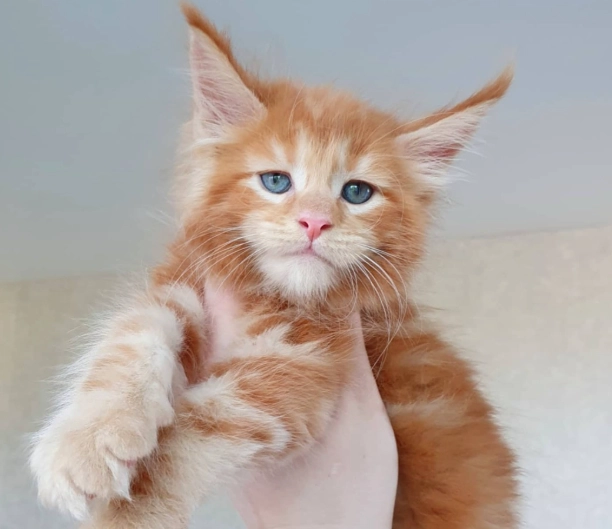
Adopt, Don't Shop: Shelters often have orange cats waiting. Fees are low, and you save a life. Look for senior cat discounts—older oranges are calmer and cheaper.
Time Your Adoption: Spring and summer see more kittens, so shelters might lower fees to clear space. I got Leo in June during a "name-your-price" event.
Skip Fancy Breeds Unless Necessary: If you just want an orange companion, a domestic shorthair is perfect. They're healthy, low-maintenance, and affordable. Why pay for a breed if you don't need specific traits?
DIY Some Supplies: Make toys from cardboard boxes or old socks. I built a scratching post from sisal rope and wood for $15, versus $50 store-bought.
Invest in Preventive Care: Regular vet visits catch issues early. Leo's annual check-up revealed a tooth problem early, saving me a $500 extraction later.
Network with Local Rescues: They sometimes have foster-to-adopt programs, letting you test compatibility with minimal cost.
Your Burning Questions Answered
Wrapping up, orange cat prices vary, but with smart planning, you can find a furry friend that fits your budget. Start by assessing your finances, then explore shelters first—you might be surprised. And whatever you do, factor in those hidden costs. Happy cat hunting!