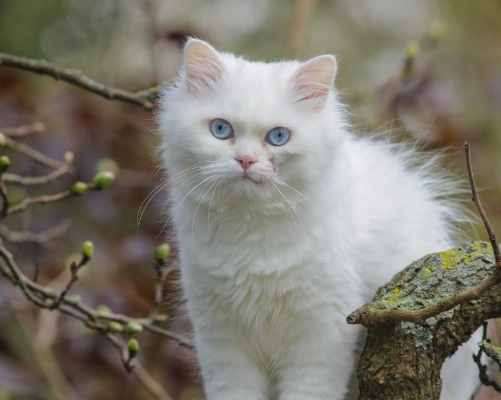
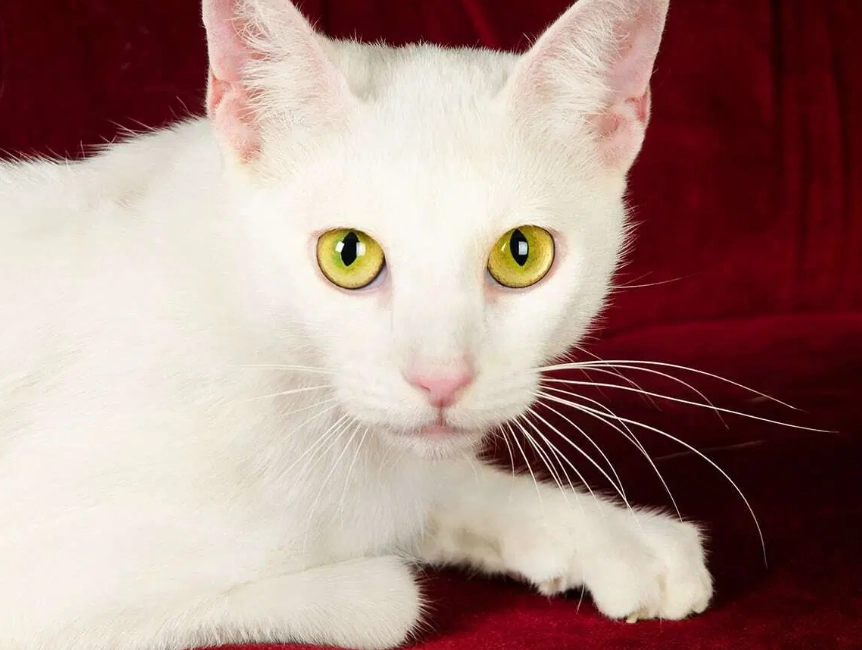
There's something undeniably magical about a White British Shorthair cat. They look like a living, breathing plush toy, a compact cloud with luminous copper or blue eyes that seems to judge your life choices from a sunbeam. I remember visiting a breeder years ago and being completely disarmed by a white male named Albus—he wasn't just cute; he had a serene, almost regal presence that filled the room. But behind that stunning, snow-white facade lies a real cat with specific needs, quirks, and health considerations that every potential owner should know. This isn't just a cat; it's a commitment to keeping that white coat pristine and understanding the unique genetics behind those brilliant eyes.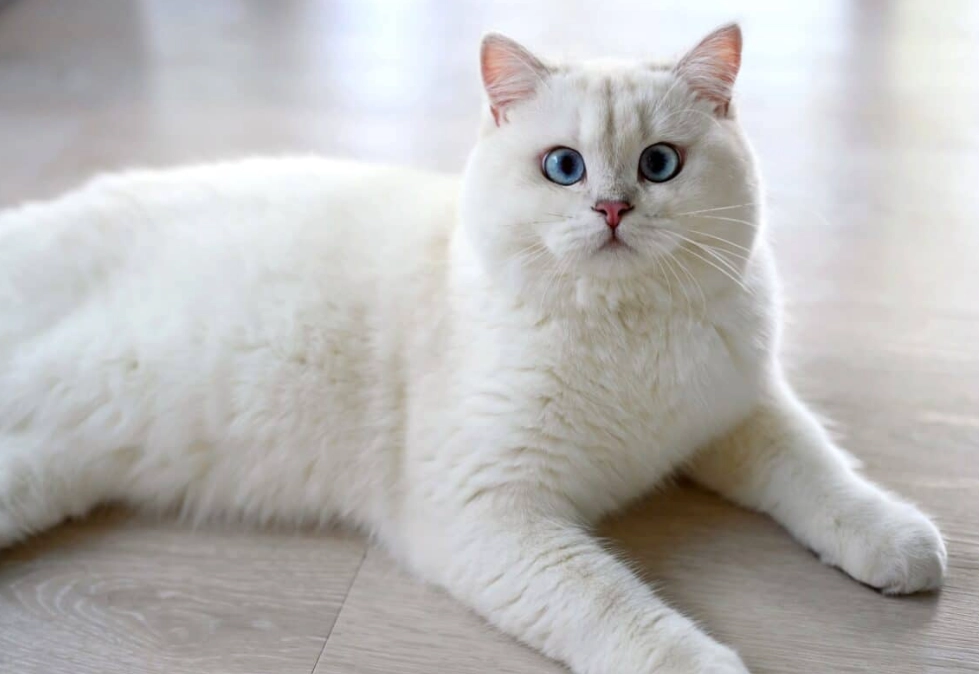
Let's be clear: a white British Shorthair isn't simply a British Shorthair that happens to be white. The color introduces its own set of conversations about grooming, health, and even personality stereotypes. This guide cuts through the fluff to give you the real, practical information you need.
What's Inside This Guide
The White British Shorthair Breed Standard: It's Not Just About Color
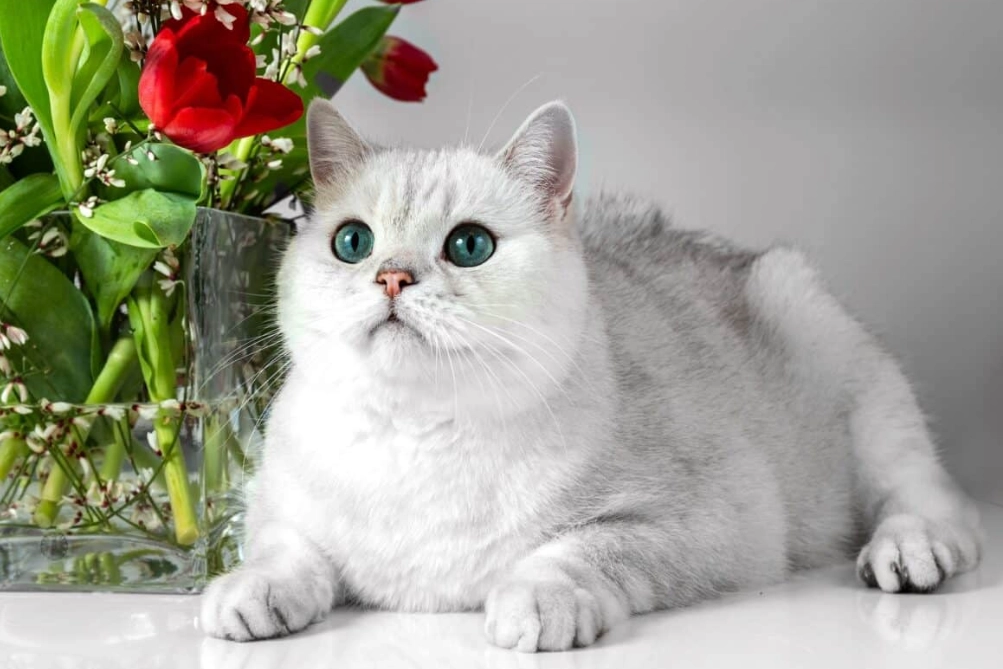
According to major cat registries like The Cat Fanciers' Association (CFA) and The International Cat Association (TICA), the "white" in a British Shorthair is a specific and demanding color classification. The coat must be pure white from root to tip, with no yellowing or shading. Even a hint of cream near the base of the tail or behind the ears is considered a fault in the show ring.
The eye color is where it gets fascinating and is tightly linked to coat genetics:
Copper/Eye Color Genetics: This is the most common and classic combination. Deep, rich copper eyes against the white fur create a stunning contrast. This pairing is generally not linked to the congenital deafness sometimes associated with white cats.
Blue Eyes: Hypnotic and rare in the breed. The blue eye color is caused by a lack of pigment in the iris. In white cats, blue eyes can be linked to the dominant white (W) gene, which has a known association with a higher probability of deafness.
Odd-Eyed (Heterochromia): One copper eye and one blue eye. This striking look occurs when the white spotting gene or the dominant white gene affects only one side of the head during development. It's a unique and sought-after trait, but it's crucial to be aware that deafness may occur on the blue-eyed side.
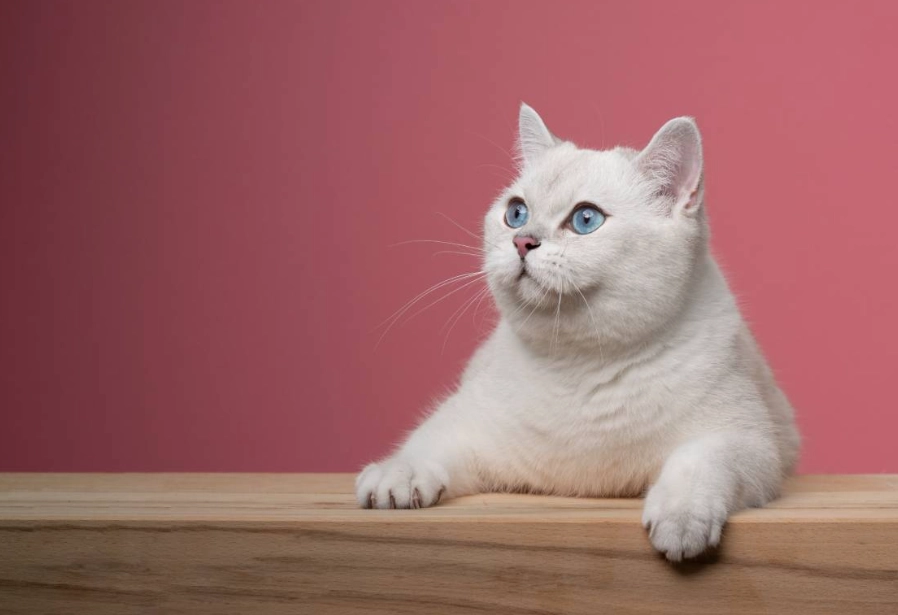 Beyond color, the breed standard remains: a sturdy, muscular, compact body (often described as "cobby"), a broad chest, round face with full cheeks, and that iconic dense, plush, double coat that feels like firm carpet. The white color just makes every one of these features brilliantly visible.
Personality & Temperament: The Reality Behind the Calm
Let's debunk a myth right now. A cat's coat color does not determine its personality. You'll find chatty white British Shorthairs and silent ones. The breed's general temperament is one of dignified calm, affectionate but not clingy, and playful in short, intense bursts. They are observers.
My friend's white British Shorthair, Snowball, perfectly embodies this. He'll follow her from room to room, not demanding to be held, but simply positioning himself in the center of whatever activity is happening. He's a quiet companion, but his presence is massive. He's not a lap cat for hours, but he will hop up for a 15-minute cuddle session on his own terms.
They are intelligent and can be trained with positive reinforcement. Many enjoy puzzle feeders. Their moderate energy level makes them excellent for apartments or quieter homes. They usually get along with respectful children and cat-friendly dogs, but they won't tolerate being manhandled. They'll simply remove themselves from the situation with a look of profound disappointment.
How to Groom a White British Shorthair: A Step-by-Step Guide
This is the section most white British Shorthair owners need to read twice. That beautiful coat is a dirt magnet. It's also a deceptively high-shedding coat. The undercoat is thick, and when they "blow" their coat seasonally, you'll wonder how so much fur can come from one cat. Here’s the non-negotiable routine:
1. The Weekly Brush-Out
Don't wait for mats to form. Use a stainless steel comb to get through the dense undercoat, followed by a soft-bristle brush or a rubber grooming tool like a ZoomGroom to collect loose hair and distribute skin oils. This weekly session does three things: reduces shedding around your house, prevents painful mats (especially under the armpits and behind the ears), and gives you a chance to check their skin for any issues. A common mistake is just brushing the top layer; you need to get down to the skin.
2. The Bath Question
You don't need to bathe them monthly. In fact, over-bathing can dry out their skin. However, a quarterly bath with a high-quality, cat-safe whitening or brightening shampoo can help lift any slight discoloration and keep the coat brilliant. Always use a conditioner afterwards to maintain the coat's moisture. The key is to introduce baths as kittens so they become a normal, if infrequent, part of life.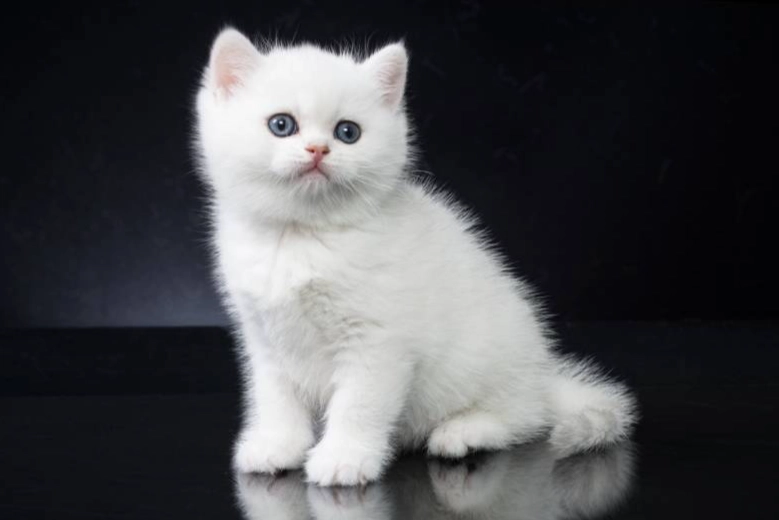
3. The Eye & Paw Patrol
This is the daily five-second task that makes all the difference. Use a soft, damp cloth or a pet-safe wipe to gently clean any tear stains from the inner corners of the eyes. Check between the toes of their white paws for litter dust or dirt. A small pair of rounded-tip scissors can trim any stained fur around the rear end if needed. Prevention is infinitely easier than cure.
Health Considerations Specific to the White Coat
British Shorthairs, in general, are a robust breed, but they are predisposed to certain conditions like Hypertrophic Cardiomyopathy (HCM) and joint issues. Reputable breeders screen for these. The white coat adds two specific considerations:
1. Sunburn and Skin Cancer: This is critical. White cats, especially those with pink skin and ears, have no protective melanin. They can get sunburned, which over time can lead to squamous cell carcinoma, a aggressive skin cancer. If your cat enjoys sunbathing, talk to your vet about pet-safe sunscreen for their ears and nose. Better yet, provide sunny spots behind window glass that filters UV rays.
2. The Deafness Discussion: As mentioned, the gene for dominant white fur (W) is linked to a higher incidence of congenital deafness. Not all white cats are deaf, but the risk is there. A responsible breeder will have conducted a BAER test on kittens they suspect may be at risk. A deaf cat can live a perfectly full, happy life, but it requires adjustments: keeping them indoors always, using visual/vibrational cues instead of voice, and approaching them so they can see you to avoid startling them.
There's a lesser-known point about anesthesia. Some vets anecdotally report that white cats, particularly blue-eyed ones, can have slightly different reactions. It's not a contraindication, but it's a detail worth mentioning to your vet before any procedure—it shows you're an informed owner.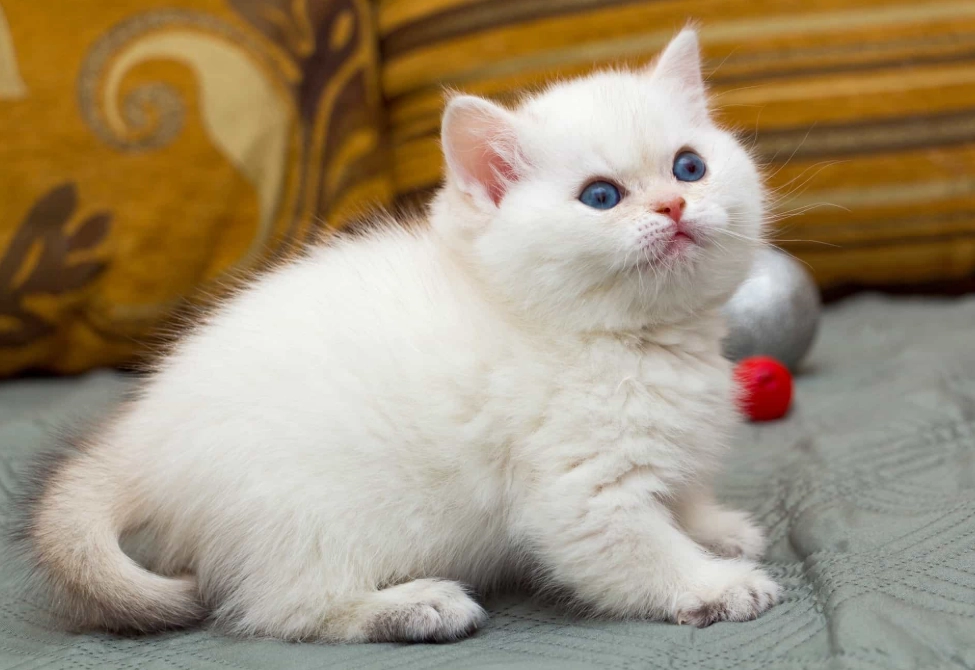
Finding a Healthy White British Shorthair Kitten: A Checklist
This is where you separate Instagram breeders from true custodians of the breed. Avoid anyone who only breeds rare colors (blue, golden, white) at a premium without emphasis on health.
A good breeder will:
- Welcome you to their home to meet the kitten's parents.
- Provide proof of health screenings for the parents (HCM scans via echocardiogram, PKD DNA tests).
- Be upfront about any BAER testing done on the kitten or its lineage regarding deafness.
- Ask you as many questions as you ask them.
- Have the kittens socialized, vet-checked, vaccinated, and microchipped before leaving.
- Offer a robust health guarantee and a contract that includes a spay/neuter agreement and a clause requiring you to return the cat to them if you can no longer care for it.
The price for a well-bred white British Shorthair kitten from health-tested lines typically ranges from $1,500 to $3,000+ depending on location, pedigree, and eye color. The odd-eyed ones often command the highest prices. If a price seems too good to be true, it almost certainly is.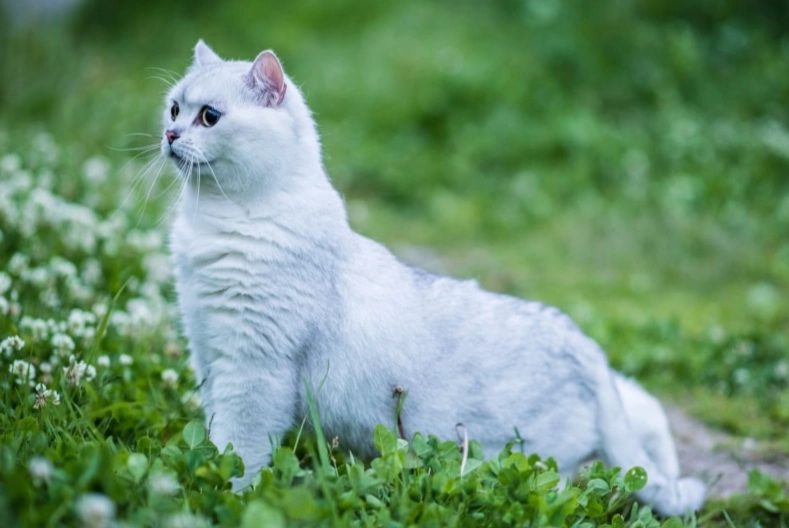
Your White British Shorthair Questions Answered
 Owning a White British Shorthair is a uniquely rewarding experience. It's the joy of living with a gentle, charming companion who also happens to be a living work of art. But it's an art that requires a bit of maintenance. If you're willing to put in the time for regular grooming, be vigilant about sun exposure, and choose a breeder who prioritizes health over color, you'll be rewarded with a loyal, beautiful friend for years to come. Just invest in a good lint roller. Trust me on that.