Are Birman cats expensive? Yes, they are. If you're looking at a purebred kitten from a reputable breeder, prepare to open your wallet wider than for your average domestic shorthair. We're talking a range of $800 to $2,500, and sometimes even more for specific bloodlines or colors. But slapping a single price tag on a living creature misses the point entirely. The real question isn't just about the purchase price; it's about understanding why they cost what they do and what you're really signing up for financially for the next 15+ years.
I've been around cats, both as an owner and in breed circles, for over a decade. One thing I've learned is that people often fixate on the kitten price and get blindsided by the lifetime costs. With Birmans, that initial number is just the entry fee. Let's break down what goes into that price and what comes after.
Quick Navigation: Your Birman Cost Guide
How Much Does a Birman Cat Cost? The Upfront Numbers
Let's get specific. You won't find a reputable Birman breeder selling kittens for $300. That price point is a massive red flag, often pointing to backyard breeders or scams. A responsible breeder invests too much to sell that low.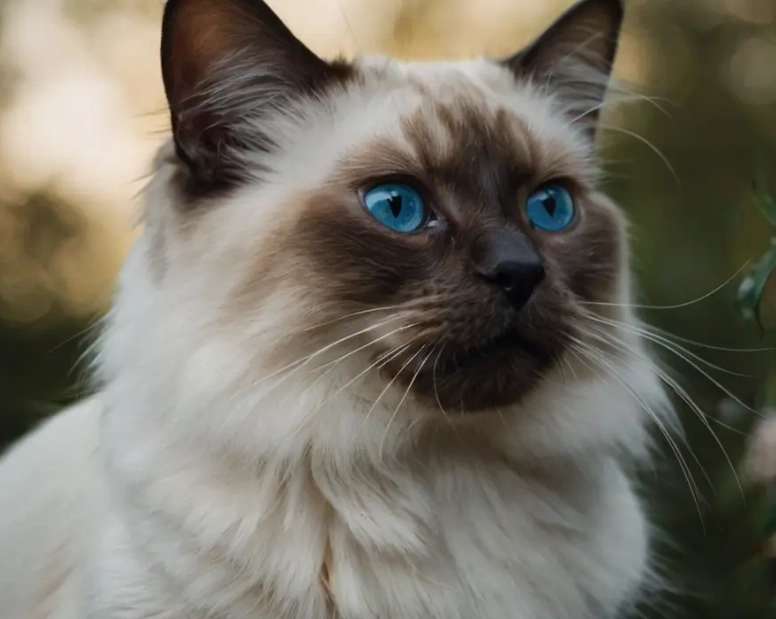
| Source | Average Price Range | What You're Typically Getting |
|---|---|---|
| Reputable CFA/TICA Breeder | $1,200 - $2,500+ | Health-tested parents, vaccinations, deworming, early socialization, spay/neuter contract, pedigree papers, lifetime breeder support. |
| Show-Quality Breeder | $2,000 - $4,000+ | Everything above, plus kittens from champion bloodlines deemed to have exceptional conformation for the show ring. |
| Pet-Only from Breeder | $800 - $1,800 | Same health and care standards, but the kitten may have a minor cosmetic "flaw" (e.g., a slightly off-white glove) or be sold with a strict spay/neuter agreement. |
| Online Classifieds (Craigslist, etc.) | $300 - $800 | High risk. Often no health guarantees, unknown genetic history, poor socialization. Veterinary bills can quickly surpass the "savings." |
See that gap? It's not arbitrary. The breeder's price reflects their investment. Think about it: genetic testing for HCM (Hypertrophic Cardiomyopathy, a concern in some lines) can cost hundreds per cat. Proper vaccines, high-quality food, vet checks for the litter, and the countless hours of socialization—it all adds up. A good breeder isn't getting rich; they're often just covering costs to continue their ethical program.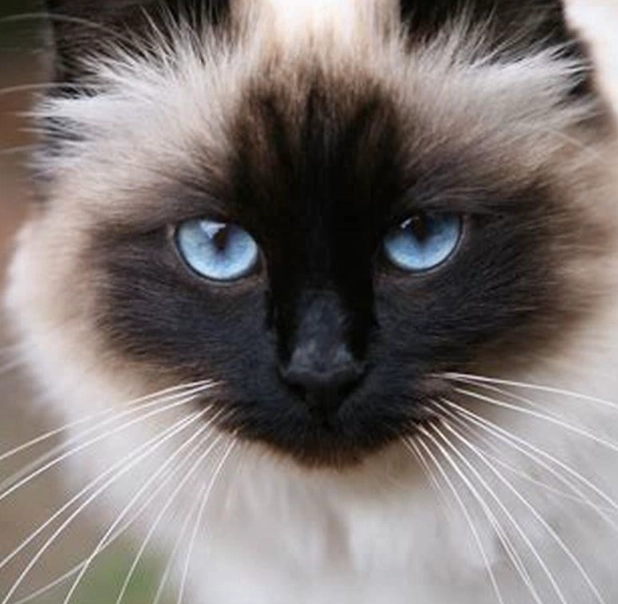
What Factors Influence Birman Cat Prices?
Why is one kitten $1,200 and another $2,200? It's not just random.
Breeder Reputation and Location: A breeder with a decades-long history of producing healthy, temperamentally sound champions can charge more. Location matters too—breeders in high-cost-of-living areas or regions with few Birman breeders may have higher prices.
Bloodline and Pedigree: Kittens descended from multiple Grand Champions carry a premium. It's like the difference between a family heirloom and a mass-produced item. The genetics for that perfect Birman look—deep blue eyes, symmetrical white gloves, silky coat—are carefully cultivated.
Coat Color and Markings: While all Birman colors are lovely, some are rarer. The traditional seal point is most common. Colors like chocolate, lilac, or the various tabby (lynx) patterns might be priced slightly higher due to demand and genetic rarity. More importantly, the quality of the markings—how crisp and symmetrical the white gloves are—can affect price, especially for show prospects.
Kitten's Designation (Pet vs. Show): This is the biggest differentiator. A pet-quality kitten is perfectly healthy and wonderful but may have a cosmetic trait that disqualifies it from the show ring: a white smudge on its nose, one glove slightly higher than the other. These kittens are usually sold at a lower price with a contract requiring them to be spayed/neutered. A show/breeding-quality kitten meets the breed standard almost perfectly. Breeders will charge significantly more and often have first pick of such kittens for their own programs.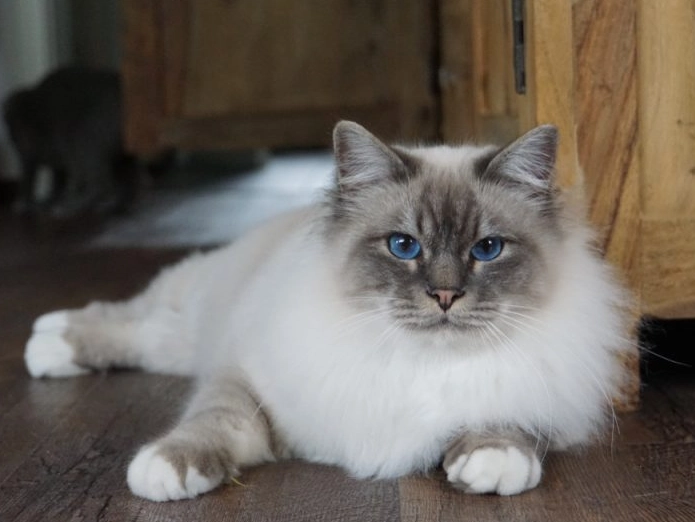
Beyond the Kitten: The Real Lifetime Investment
Here's where many new owners get a shock. The purchase price is a one-time event. The ongoing costs are what truly define "expensive." I made this mistake with my first purebred cat—budgeted for the kitten, then scrambled for everything else.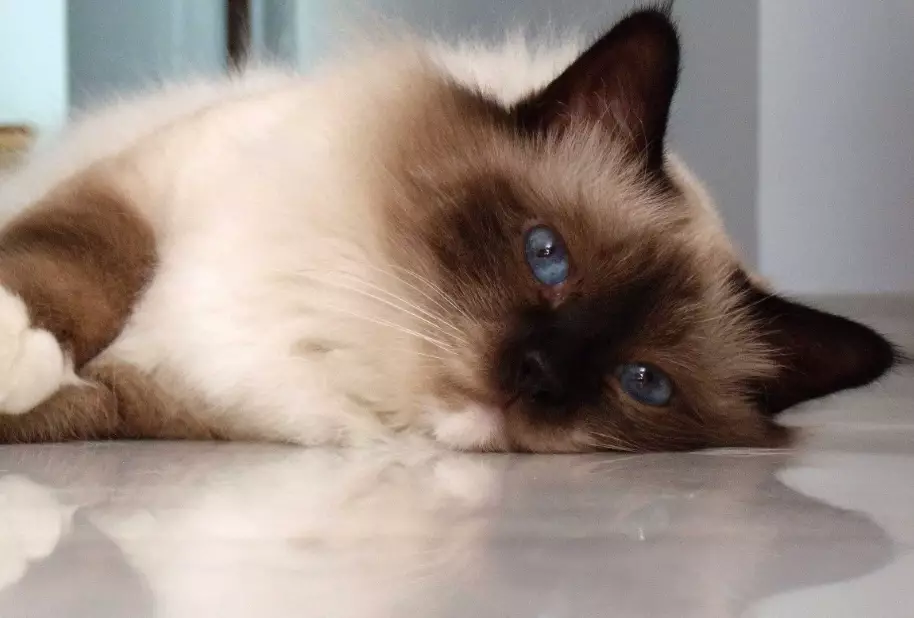
The First-Year & Annual Cost Reality Check
Initial Setup (One-Time, Year 1): This hits hard. You need a carrier ($50-$150), scratching posts ($50-$200), litter boxes (multiple are ideal, $30-$150), high-quality food and water bowls ($20-$80), a variety of toys ($50-$100), a comfortable bed ($30-$100), and potentially cat trees or window perches ($100-$400). This can easily total $300 to $1,000+ before you even bring the kitten home.
Recurring Annual Costs: This is the relentless drip of expenses.
- High-Quality Food: Birmans do best on good nutrition. Expect $40-$80 per month for wet/dry combos or premium diets. That's $500-$1,000+ per year.
- Litter: For one cat, $20-$40 monthly, so $250-$500 annually.
- Routine Veterinary Care: Annual check-ups, vaccines, parasite prevention. Budget at least $200-$400 per year. This doesn't include emergencies.
- Pet Insurance: Highly recommended for purebreds. Plans range from $25-$60 per month ($300-$720/year). It can save you thousands in an emergency.
- Grooming & Supplies: Birmans have semi-long hair that mats if neglected. Professional grooming 2-4 times a year can cost $60-$100 per session, or invest in your own quality brushes and combs.
- Miscellaneous: Replacement toys, treats, enzymatic cleaners for accidents, boarding/pet sitting if you travel.
Realistically, the ongoing annual cost for a single Birman, excluding the initial purchase and setup, is typically between $1,200 and $2,500. Over 15 years, that's $18,000 to $37,500. Suddenly, the kitten's price seems like a smaller piece of the puzzle.
Can You Get a Birman for Less? The Safe and Ethical Ways
I understand the desire to save money. But cutting corners on the source can lead to heartbreak and staggering vet bills. Here are legitimate ways to potentially lower costs without compromising ethics or health.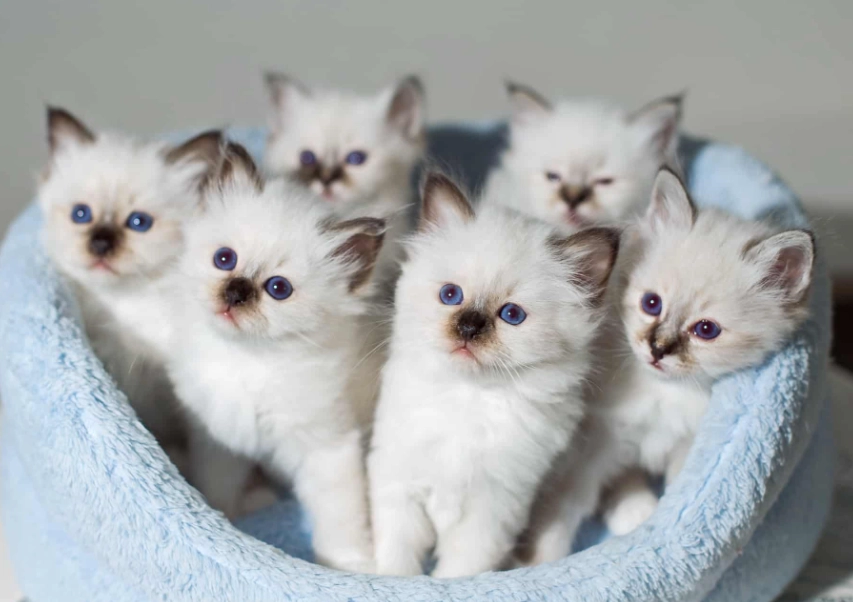
Adopt an Adult Birman: This is my top recommendation for budget-conscious lovers of the breed. Breeders sometimes have retired breeding or show cats (ages 2-5) needing new homes. Breed-specific rescues, like those affiliated with the Birman Cat Club, occasionally have purebred Birmans. Adoption fees are much lower ($150-$400), and the cat's personality is already known. You skip the chaotic kitten phase and give a wonderful cat a second chapter.
Look for "Pet-Only" Kittens: As mentioned, these are perfectly healthy, loving kittens with minor cosmetic "flaws" invisible to anyone but a show judge. They are the best value in purebred cats. Tell breeders you are only interested in a pet home; they often have these kittens at a more accessible price point.
Be Wary of Extremely Low Prices: If a "Birman" is listed for $500 with no papers, no health guarantee, and the breeder pressures you to buy quickly, walk away. The risk of genetic health issues, poor temperament from lack of socialization, and hidden illnesses is too high. The money you "save" will likely go to the vet.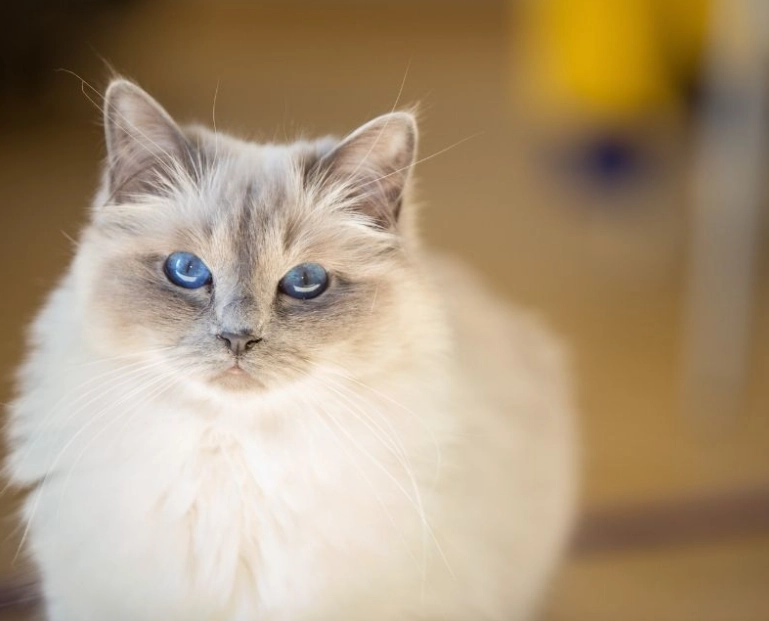
Your Birman Cost Questions Answered
So, are Birman cats expensive? The upfront cost is significant, and the lifetime commitment is substantial. But "expensive" is relative. You're investing in a companion known for its gentle, affectionate, and quiet nature—a cat that often acts more like a shadow or a dog in its loyalty. The price from a good breeder is a down payment on 15+ years of predictable health, a wonderful temperament, and unwavering support from someone who cares about the cat's entire life. If your budget allows for the true, lifelong cost, a Birman isn't an expense; it's an investment in a profound and beautiful relationship. If the numbers give you pause, consider the adoption route for an adult—it's a rewarding way to welcome this sacred breed into your home.