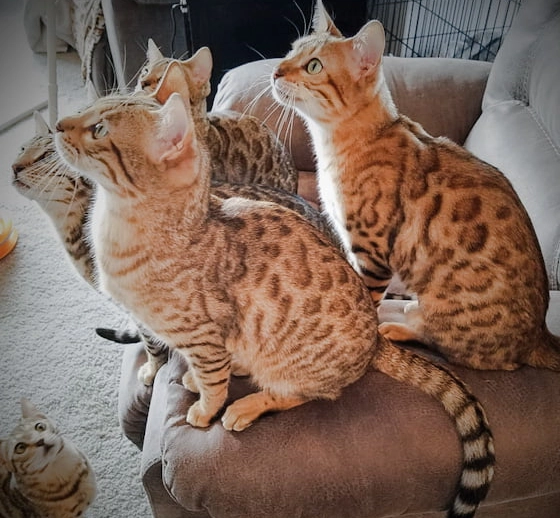
That sleek, spotted coat and muscular build. Bengal cats look like miniature leopards, and that's the first thing that makes people ask the question. "Are Bengal cats dangerous?" The short, direct answer is no, a well-socialized Bengal cat from a responsible breeder is not inherently dangerous. But that's like saying a sports car isn't inherently dangerous—it completely depends on the driver, the maintenance, and the environment. The real question isn't about danger, but about mismatch. A Bengal cat's potential for problematic behavior skyrockets when placed in a home that doesn't understand or meet its unique needs.
I've been around Bengals for over a decade, both as an owner and through close contacts with reputable breeders. The biggest mistake I see? People get seduced by the looks and treat them like a regular domestic shorthair. That's a recipe for frustration. This isn't a lap cat that's content with 20 minutes of play. This is a cat with the engine of a Ferrari and the curiosity of a toddler on espresso.
What You'll Find in This Guide
Understanding the Bengal Cat's Wild Heritage
You can't talk about Bengal behavior without acknowledging their origin. The breed was developed by crossing domestic cats with the Asian leopard cat (Prionailurus bengalensis). Early generations (F1, F2) had significant wild blood and were not suitable as pets. Modern Bengals sold by reputable breeders are at least four generations removed (SBT or Stud Book Tradition), meaning they are considered fully domestic by organizations like The International Cat Association (TICA).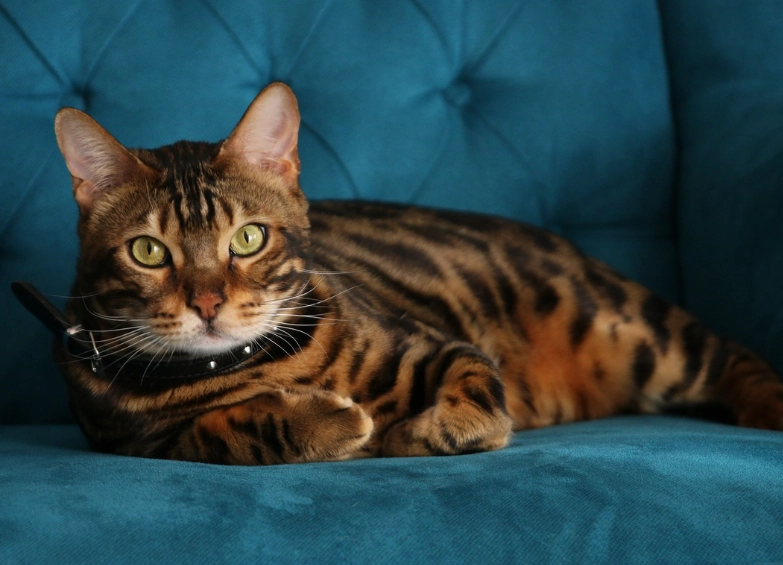
However, that wild ancestry isn't just for show. It translates into specific, ingrained traits:
- High Energy & Intelligence: This isn't just "playful." Bengals need both physical and mental stimulation daily. Think dog-level engagement.
- Strong Prey Drive: Anything that moves—toys, insects, your toes under the blanket—is fair game. This isn't malice; it's hardwired instinct.
- Water Fascination: Many Bengals love water. They'll join you in the shower, play in sinks, and dip their paws in water bowls. This can be messy but is rarely dangerous.
- Vocal & Social: They are often chatty and form strong bonds. They can get lonely or bored if left alone for long stretches.
Ignoring these traits is where the perception of "danger" starts. A bored Bengal isn't a sleepy Bengal; it's a destructive, vocal, and potentially irritable Bengal.
Are Bengal Cats Aggressive? Separating Myth from Reality
True, unprovoked aggression is rare in well-bred Bengals. What is often labeled as aggression is usually one of three things:
1. Play Aggression That Got Out of Hand:
Their play is intense. They pounce, bite, and wrestle with the force they'd use on prey. If they weren't taught proper bite inhibition as kittens, or if their human uses hands as toys, those playful nips can hurt. This isn't an attack; it's roughhousing without rules.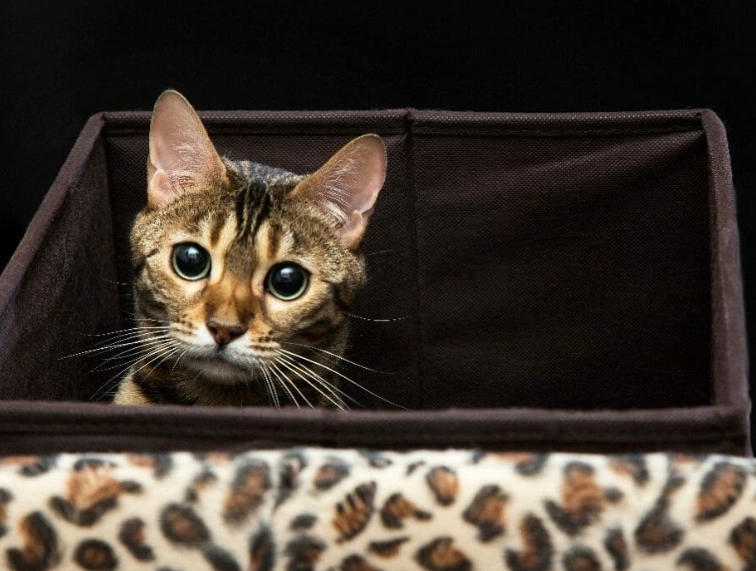
2. Fear or Defensive Reactivity:
Bengals are sensitive. Sudden changes, loud noises, or forced interactions can make them feel threatened. A cornered, scared cat of any breed may scratch or bite. Their reaction might be quicker and more intense due to their high-strung nature.
3. Redirected Frustration:
This is a big one. Say your Bengal is watching a bird outside it can't reach. It's buzzing with frustrated hunting energy. You walk by and try to pet it. That pent-up energy might get redirected into a swat or bite at you, even though you're not the cause. It's a overflow valve for unmet instinctual needs.

How to Prevent Problem Behaviors in Bengal Cats
Safety with a Bengal is about proactive management, not reaction. It's about building an environment where their needs are met so "problem" behaviors never arise. Here’s your actionable blueprint:
1. The Non-Negotiable: Environmental Enrichment
Your home needs to be a Bengal playground. This isn't optional.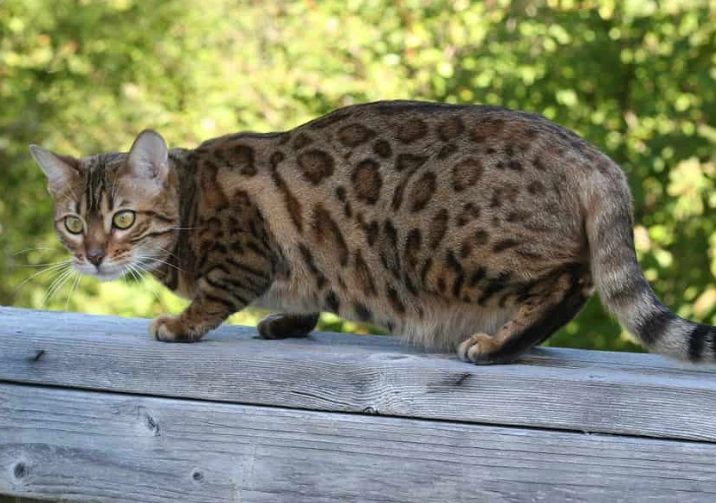
- Vertical Space: Cat trees aren't just scratching posts. Get tall, sturdy ones (6+ feet) by windows. Wall-mounted shelves create a "cat highway." They need to survey their domain from up high.
- Interactive Play Sessions: Schedule two or three 15-20 minute play sessions daily. Use wand toys that mimic prey (feathers, erratic movements). Get them running, jumping, and pouncing. End with a treat or meal to simulate the "catch."
- Puzzle Feeders & Food Toys: Ditch the food bowl. Make them work for their kibble with puzzles, snuffle mats, or treat-dispensing balls. This engages their brain for hours.
- Secure Outdoor Access (If Possible): A fully enclosed catio is the gold standard. It allows them to experience sights, sounds, and smells safely. Never let a Bengal roam freely outdoors; their high prey drive and curiosity put them at extreme risk.
2. Training & Communication
Yes, you can train a cat. Bengals are brilliant and often take to clicker training.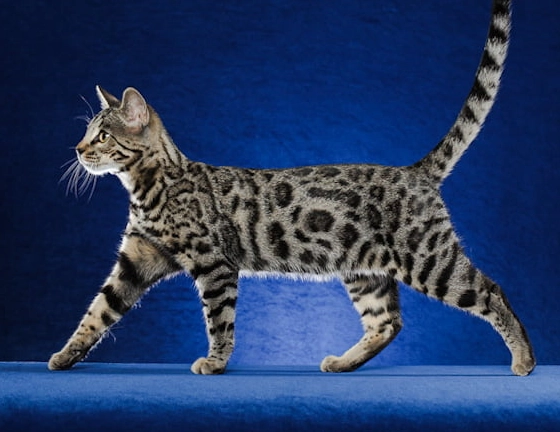
Teach basic commands like "come," "sit," or targeting. This strengthens your bond and gives them a mental workout. Most importantly, never use punishment. Yelling or spraying water creates fear and erodes trust, which can lead to defensive behaviors. Redirect unwanted behavior (like scratching the couch) to an appropriate post and reward lavishly when they use it.
3. The Introduction Protocol
Bringing a Bengal into a home with other pets, or introducing a new pet to your Bengal, requires patience. Use scent swapping (exchange bedding) and gradual, visual introductions through a cracked door or baby gate over days or weeks. Rushing this process can trigger territorial stress that's hard to undo.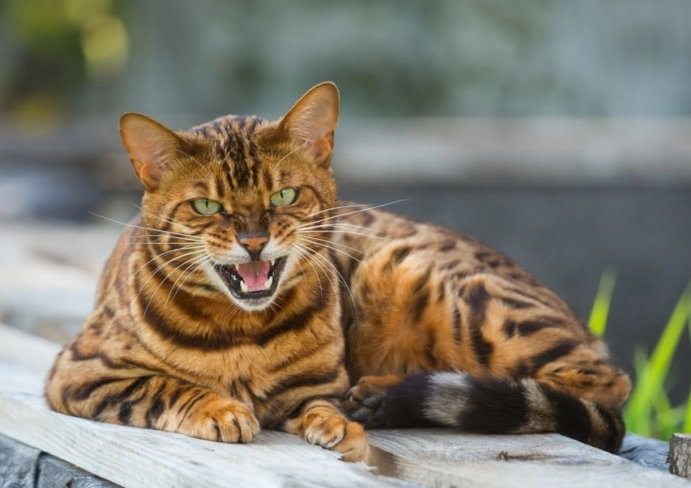
Is a Bengal Cat the Right Fit for Your Home?
Let's be brutally honest. A Bengal is not for everyone. They thrive in homes that are:
- Active & Engaged: With owners who see interactive play as a daily commitment, not a chore.
- Experienced with Cats: First-time cat owners often struggle. Understanding feline body language is crucial.
- Child-Conscious: With older, respectful children who understand how to interact gently. Bengals and toddlers can be a risky mix unless the cat is exceptionally tolerant and the child is always supervised.
- Secure: Willing to cat-proof thoroughly (secure cords, breakables, toxic plants) and provide a stimulating, indoor-only life.
If your ideal cat is a quiet companion who sleeps 18 hours a day, a Bengal will make your life chaotic. That chaos can feel "dangerous" when it manifests as knocked-over lamps, shredded curtains, or nighttime zoomies.