If you're researching the Tonkinese cat personality, you've probably read they're "chatty," "playful," and "dog-like." That's a good start, but it misses the nuance. After living with two Tonkinese cats for over a decade, I can tell you their personality is a complex, captivating blend of Siamese curiosity and Burmese cuddliness, with a few surprising quirks thrown in. This isn't just a list of traits—it's a roadmap to understanding what it's actually like to live with one, the good, the challenging, and the utterly charming.
What's Inside This Guide
The Core Personality Traits: A Deeper Look
Let's move beyond the buzzwords. The Tonkinese cat personality isn't a single note; it's a symphony.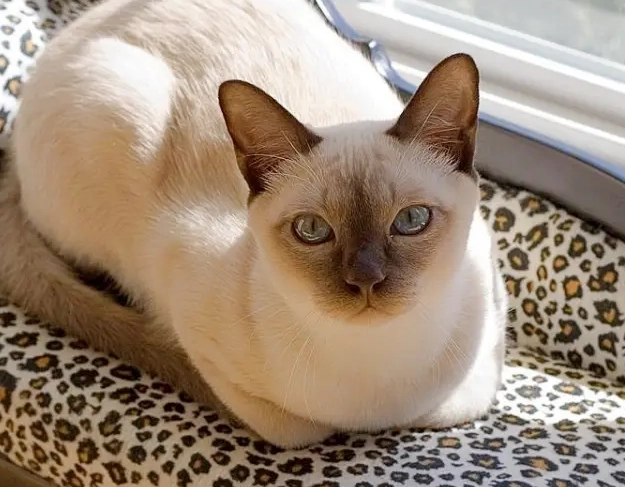
The "Conversationalist" Myth (And Reality)
Yes, they're vocal. But it's not mindless yowling. My cat, Mochi, has a specific chirp for "I see a bird," a distinct trill for "hello," and a persistent, lower-pitched meow for "my dinner is 30 seconds late." Their voice is often softer and more melodic than a pure Siamese. They talk with you, not at you. They'll follow you room to room, commenting on your activities. If you want a silent apartment, look elsewhere.
Playful Intelligence That Demands Engagement
Calling them "playful" is an understatement. They possess a problem-solving intellect. A simple feather wand bores them quickly. They need puzzles. I use treat-dispensing balls and hide kibble in paper bags crumpled into specific shapes. They learn tricks with ease—fetch, high-five, spin. But here's the non-consensus part: their intelligence means they also learn how to open cabinets, turn on faucets, and unzip bags. You must provide an outlet for their brain, or they'll create their own (destructive) fun.
The Affectionate Glue: Velcro Cat Status
The Burmese side brings a profound, warmth-seeking affection. They don't just sit near you; they must be on you, preferably draped across your keyboard or nestled in the crook of your arm. This isn't aloof, independent cat behavior. They form intense bonds and can suffer from separation anxiety if left completely alone for long, frequent periods. They often get along famously with other pets because they see them as substitute companions.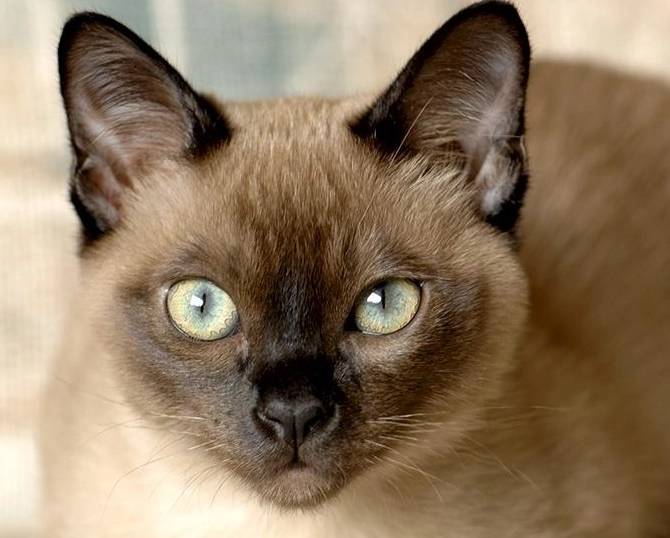
What It's Really Like Living With a Tonkinese
Imagine a typical Tuesday. Your Tonkinese wakes you not with a meow, but by gently patting your face. As you make coffee, they're on the counter, watching the process intently. You work from home—they claim a spot on your desk, a warm, purring paperweight. The afternoon lull is their cue for play. Ignore them, and your pen might "mysteriously" roll off the table repeatedly. Evening is for couch cuddles.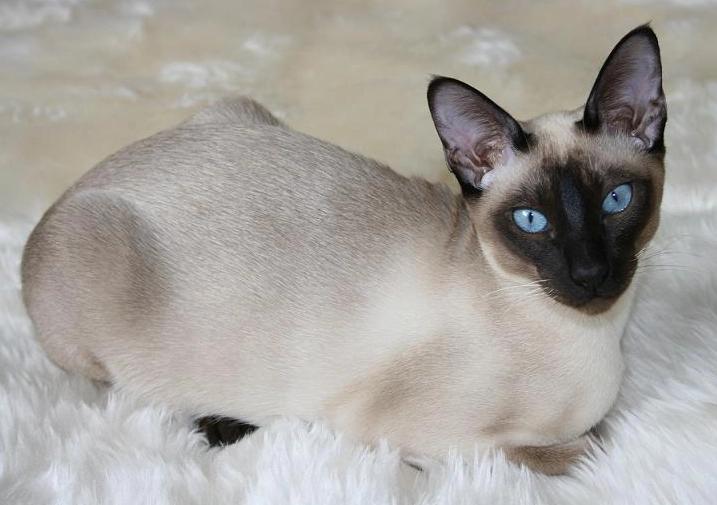 They're in every part of your day.
This constant presence is wonderful for many, but it's a real consideration. They can be disruptive if you need deep, uninterrupted focus. They may vocalize during video calls. Their social nature means they often do poorly as solitary outdoor cats; they lack the wary independence of some breeds. A secure catio or harness training is a safer bet to satisfy their curiosity.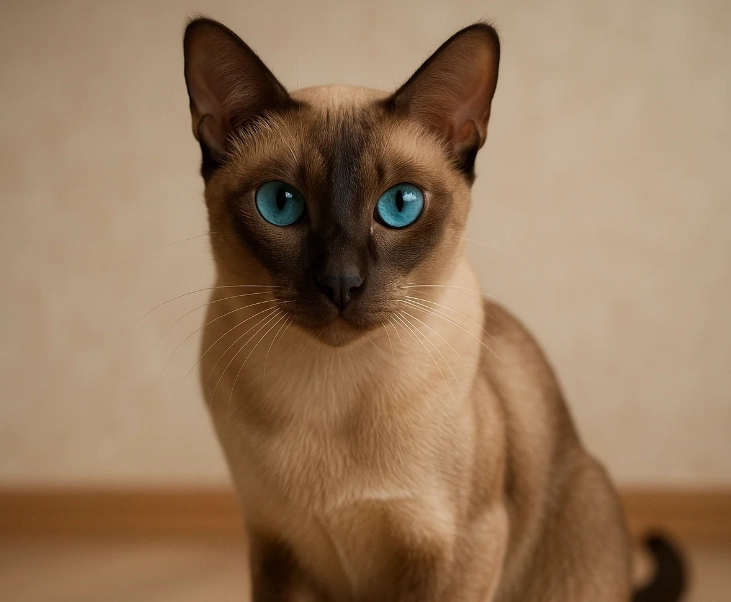
How to Train and Socialize Your Tonkinese
Their intelligence makes training rewarding. Use positive reinforcement—clickers and high-value treats like freeze-dried chicken work wonders.
- Leash Training: Start young. Get them used to the harness indoors first for short periods. Move to a quiet backyard before attempting a sidewalk.
- Preventing Boredom & Mischief: Rotate toys weekly. Have a "play session" routine (10-15 minutes, twice a day). Food puzzles are non-negotiable for meal times.
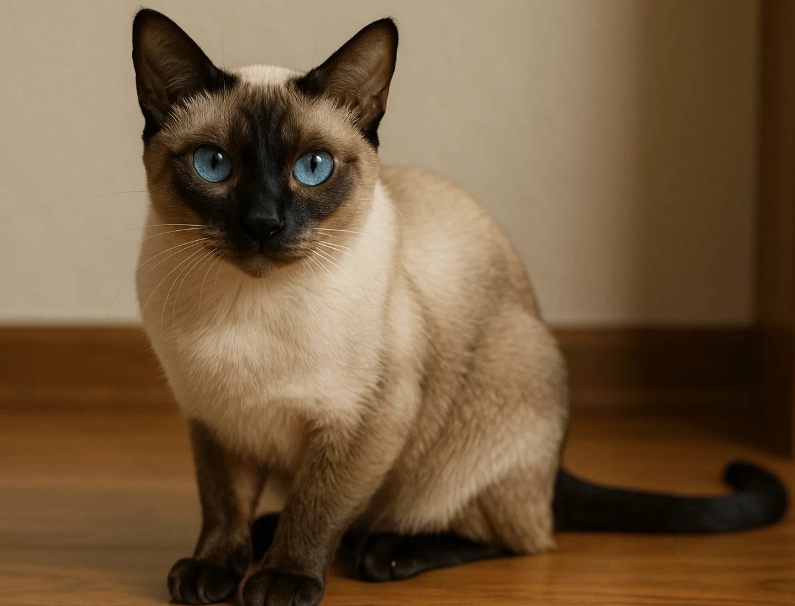
- Socialization: Introduce new people and pets slowly. Their friendly nature helps, but a positive first impression is key. Never force an interaction.
A common mistake is underestimating their need for vertical space. A tall, sturdy cat tree by a window isn't a luxury; it's essential infrastructure. It gives them a safe perch to observe their kingdom and burns energy through climbing.
Is a Tonkinese Cat the Right Fit for Your Home?
Let's be brutally honest. The delightful Tonkinese cat personality isn't for everyone. This table breaks down the ideal vs. challenging scenarios.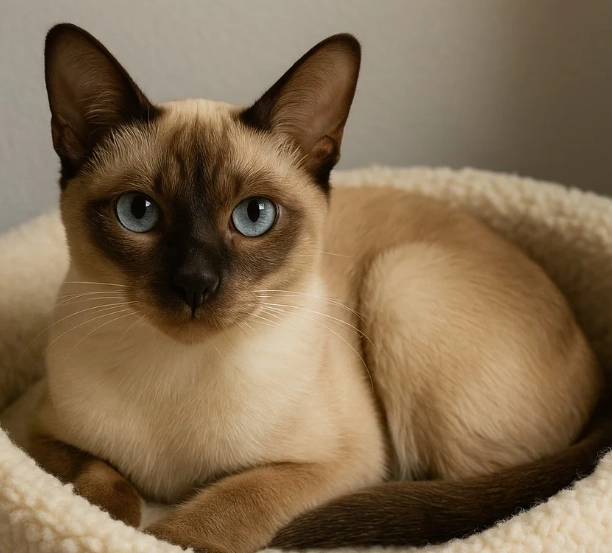
| Ideal Home For a Tonkinese | Potentially Challenging Home |
|---|---|
| Households with someone home often (remote workers, retirees). | Empty for 9+ hours daily with no other pet companionship. |
| Families with respectful, older children. | Very young children who might be too rough. |
| Multi-pet households (they often enjoy feline or even dog friends). | Homes with prey-driven pets like birds or rodents. |
| Active owners who enjoy interactive play. | Owners seeking a completely low-maintenance, independent cat. |
| People who appreciate constant companionship and conversation. | Those who desire a quiet, "invisible" pet. |
They are often touted as great "first cats," which can be true due to their forgiving nature. But a first-time owner must be prepared for the level of engagement required. It's more like getting a very cat-shaped dog.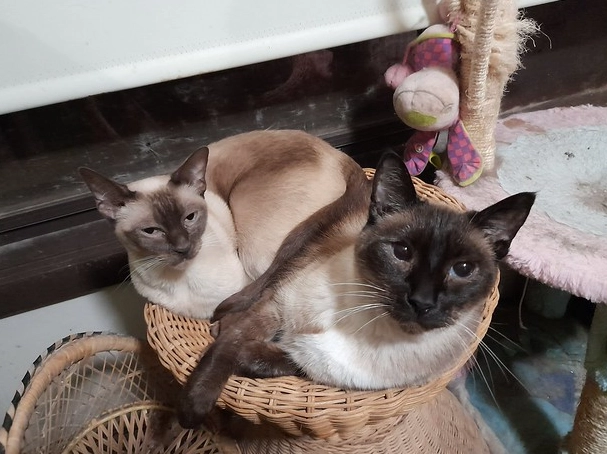
Your Tonkinese Personality Questions Answered
The Tonkinese cat personality is a package deal. You get the hilarious chatter, the brain-teasing antics, and the heart-melting cuddles, but you also sign up for a shadow that needs your time and attention. For the right person or family, this isn't a burden—it's the best part. They don't just live in your house; they weave themselves into the fabric of your daily life, making it louder, funnier, and infinitely more affectionate.