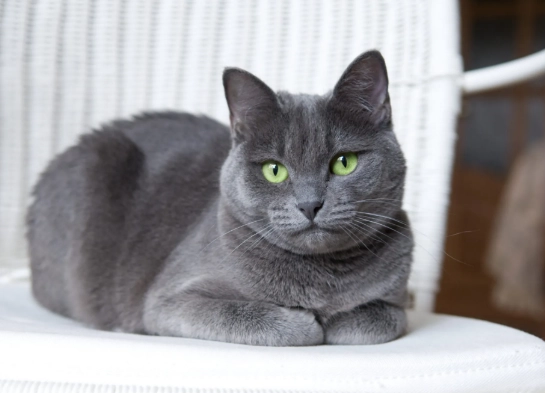
Let's be honest, you're probably here because you saw a picture. A cat with a flowing, silky coat in a soft, dusty lavender-gray, with huge expressive eyes and ears that look like they're tuned to pick up satellite signals. That's the Lilac Somali. It's not your average cat, and it doesn't come with an average cat's manual. I've been around cats, Somalis specifically, for over a decade, and I still remember the first time I saw a lilac kitten – it was like spotting a unicorn. But beyond the Instagram-worthy looks lies a specific, energetic, and deeply engaging personality that demands the right home. This isn't just a breed profile; it's a reality check and a roadmap for anyone seriously considering sharing their life with one of these rare beauties.
Your Quick Guide to Lilac Somalis
Understanding the Lilac Somali Cat's Unique Color
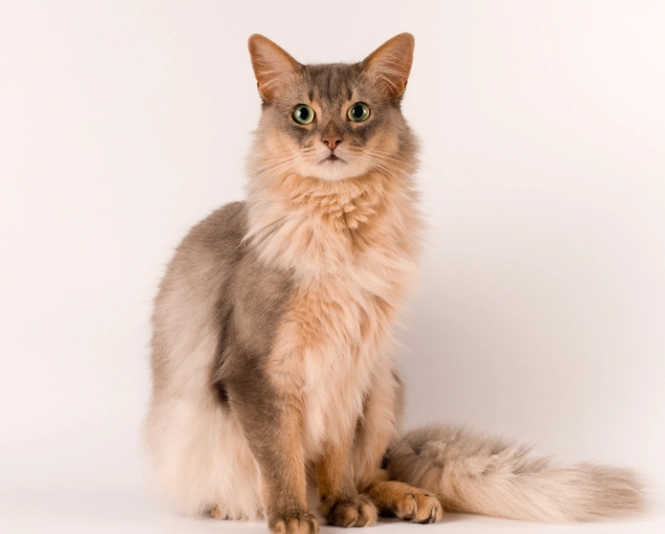
First things first: "lilac" isn't just a fancy name for a light gray cat. It's a specific, dilute coloration resulting from a double recessive genetic combo. Think of it like paint mixing. You start with chocolate (brown), then add the dilution gene which lightens it to... lilac. It's a warm, pinkish taupe-gray, with a distinct pale cocoa undertone you don't get in blue or silver cats. The nose leather is a dusky pink, and the paw pads are a matching lavender-pink.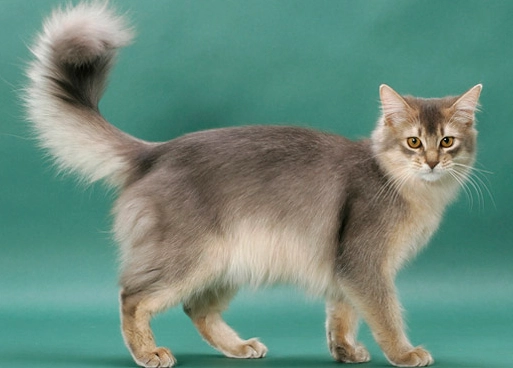
The coat itself is what makes a Somali a Somali – the "fox cat." It's medium-long, incredibly soft, and features agouti ticking. Each hair has 4-6 bands of alternating light and dark color, ending with a dark tip. On a lilac Somali, this creates a shimmering, heat-hazed effect over that base lavender color. It's breathtaking, but here's the non-consensus bit everyone misses: this stunning coat looks its worst in kittenhood. Lilac Somali kittens often look washed-out, almost messy, compared to their ruddy or blue siblings. The full, brilliant ticking and color depth don't mature until they are around 18 months old. Don't judge a lilac kitten by its baby fur.
A Quick Somali Color Comparison
To understand where Lilac fits, here’s how it relates to other Somali colors recognized by major registries like The Cat Fanciers' Association (CFA) and The International Cat Association (TICA).
| Color Name | Base Color | Description & Ticking | Nose Leather/Pads |
|---|---|---|---|
| Ruddy (Most Common) | Burnt orange/apricot | Black or dark brown ticking | Brick red / Black |
| Sorrel (Cinnamon) | Warm coppery apricot | Chocolate brown ticking | Pink / Chocolate |
| Blue | Warm beige-gray | Steel blue ticking | Slate blue / Blue-gray |
| Lilac (Fawn) | Pale pinkish taupe | Frosty gray ticking | Dusky pink / Lavender-pink |
Lilac Somali Cat Personality and Temperament
Now, let's talk about what's behind the pretty face. The color is genetics, but the personality is pure Somali. And it's a lot. They are often described as the clowns or acrobats of the cat world, and it's accurate. My own Somali, not a lilac but a ruddy, once figured out how to open a lever-style door handle after watching me do it twice. Expect that level of problem-solving.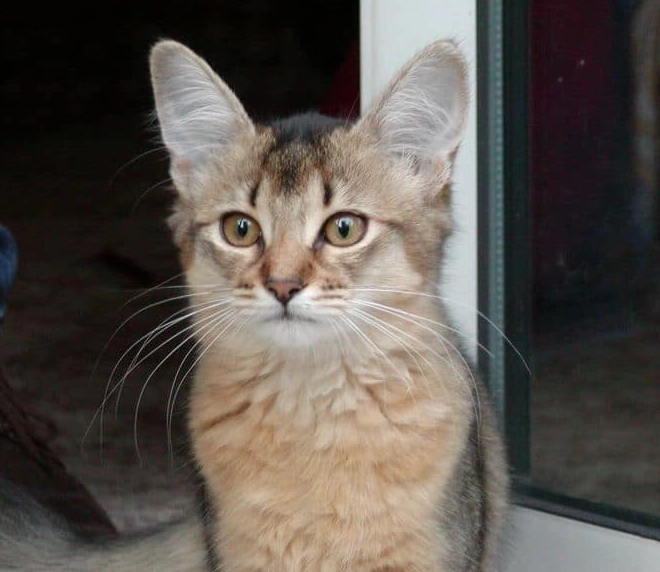
Energy & Play: This is not a couch potato breed. They retain a kitten-like playfulness well into senior years. A bored Somali is a destructive Somali. They need interactive play sessions daily – think feather wands, puzzle feeders, and fetch. Yes, many love to fetch.
Intelligence & Curiosity: They're incredibly smart and inquisitive. Nothing in your home is off-limits to their investigation. Cabinets, drawers, sinks, showers – they want to be in the middle of everything you do. You don't own a Somali; you have a tiny, furry, four-legged supervisor.
Social & Affectionate: They form very strong bonds with their people. They tend to be velcro cats, following you from room to room. They often enjoy being held and cuddled, but on their terms. Their affection is active, not passive. They'll chirp and trill (they're not big meowers) to converse with you.
Here's the critical, often unspoken, compatibility check: A Lilac Somali thrives in an active, engaging environment. They do very well with another playful cat or dog for company. Leaving one alone for 10-hour workdays in a small apartment is a recipe for anxiety (theirs) and shredded furniture (yours).
How to Care for a Lilac Somali Cat: Beyond the Brush
That gorgeous coat is surprisingly low-maintenance, but the creature inside it is high-engagement. Let's break down real care.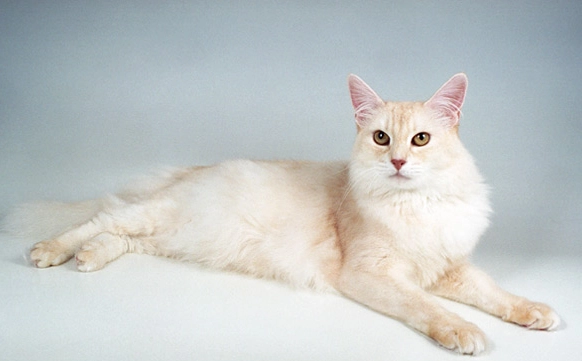
Grooming: The Shedding Truth
Despite the long hair, their fine, silky single coat (no woolly undercoat) doesn't mat easily. A thorough brushing twice a week with a stainless steel comb and a slicker brush is usually enough to remove loose hair and prevent tangles. Shedding is moderate but noticeable. During seasonal changes, you might need to brush every other day. The big grooming win? They generally love being brushed. It's a bonding activity.
Common Mistake: Over-bathing. You almost never need to bathe a Somali. Their coat is self-maintaining. Frequent baths strip their natural oils and can make the coat look dull. Maybe once a year, if they get into something nasty.
Diet & Nutrition
These are active cats with lean, muscular bodies. They need high-quality protein. Look for wet or dry foods where a named meat (chicken, salmon, duck) is the first ingredient. Many Somali owners and breeders I've spoken with note they can have sensitive stomachs. Sudden food changes can cause issues. Introduce new food gradually over 7-10 days.
Keep them engaged at mealtime. Puzzle feeders or scatter feeding a portion of their kibble stimulates their brain and slows down eating.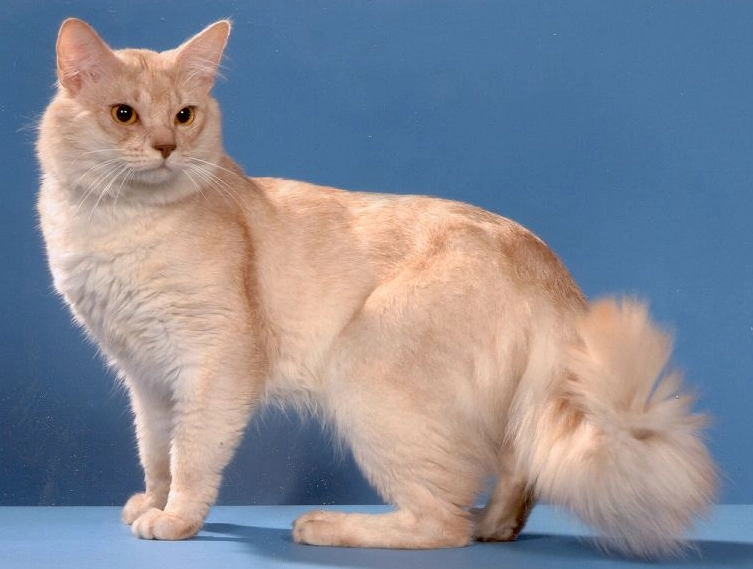
Environmental Enrichment (This is Non-Negotiable)
This is the most important part of "care." You must build a Somali-proof playground.
- Vertical Space: Tall, sturdy cat trees by windows are essential. They love to climb and perch up high.
- Window Access: A bird feeder outside a secure window is cat TV. Consider a window perch or cat shelf.
- Interactive Toys: Rotate toys to prevent boredom. Da Bird-type wands are a universal favorite.
- Training: They are highly trainable! Teach them tricks like sit, high-five, or spin using clicker training and treats. It tires their brain.
Lilac Somali Cat Health and Lifespan
Somali cats are generally healthy and robust with a lifespan of 12-16 years, sometimes longer. The lilac color itself does not cause health problems; it's just a color gene. However, as a breed, there are a few conditions responsible breeders screen for.
Progressive Retinal Atrophy (PRA): A genetic disease that causes blindness. Reputable breeders test their breeding cats for the known gene mutation (via a cheek swab DNA test) and will not breed affected animals. Always ask for proof of PRA testing.
Pyruvate Kinase Deficiency (PK Def): Another genetic disorder that can cause anemia. Again, responsible breeders screen for this.
Gingivitis/Periodontal Disease: Somalis can be prone to dental issues. Establishing a teeth-brushing routine early (with cat-specific toothpaste) is a great preventative measure. Annual vet dental check-ups are important.
Renal Issues: Like all cats, kidney health is a concern later in life. Feeding a high-moisture diet (wet food) is one of the best things you can do long-term for any cat's renal health.
The key takeaway? A Lilac Somali from a health-tested lineage is no more fragile than any other cat. The genetics of their color are separate from the genetics of disease.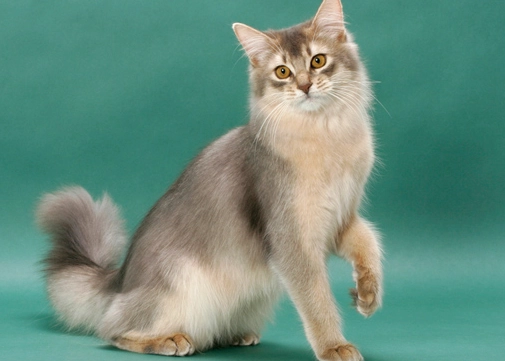
Finding a Reputable Lilac Somali Cat Breeder
This is where your journey gets real. Lilac is a rare color. You will not find one at a shelter (though always check, miracles happen), and you should run from anyone who has "lilac kittens available now" on a constant basis.
1. Start with the Cat Associations. Go to the websites of CFA and TICA. Use their "breeder locator" tools. These breeders agree to a code of ethics.
2. Prepare to Wait. Ethical breeders have waiting lists. They plan litters carefully, considering genetics, health, and temperament. A 6-12 month wait is normal. If you're not on a list, you're not getting a well-bred kitten.
3. The Interview Goes Both Ways. A good breeder will grill you about your home, lifestyle, and cat experience. They want to know their kitten is going to a suitable home. You should be asking them:
- Can I see the health test results (PRA, PK Def) for both parents?
- Are the kittens raised underfoot in your home (socialization is critical)?
- What is your contract like? Does it include a health guarantee and require the kitten to be spayed/neutered?
- Can I visit (or have a video call) to see the kittens and their environment?
- Will you be a resource for me for the cat's entire life?
4. Price Point Reality. A Lilac Somali kitten from a reputable breeder will typically cost between $1,500 to $2,500+. The rarity of the color can influence price, but health and temperament should always be the primary factors. A lower price often signals cutting corners on health testing, socialization, or care.
Be wary of anyone selling "rare lilac Somalis" for significantly less, or who only communicates via email and demands a wire transfer. That's a scam.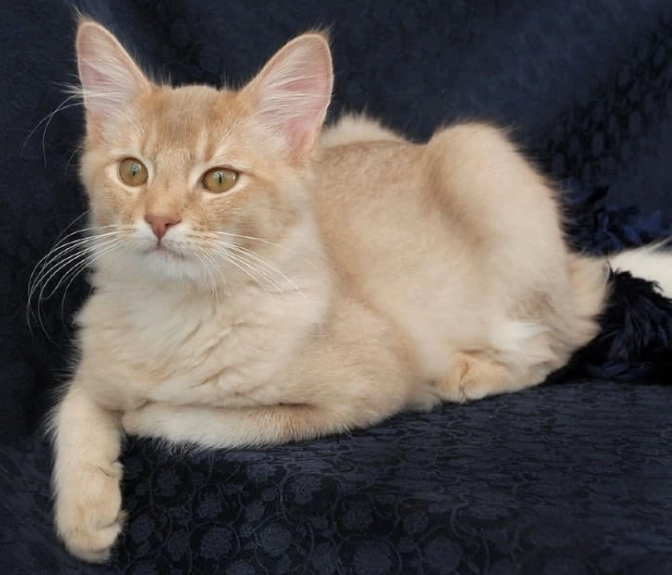
Your Lilac Somali Questions Answered
Are Lilac Somali cats good for first-time owners?
It depends on the first-time owner. If you're a first-timer who has done your research, works from home or has an active household, and is prepared for a high-energy, intelligent companion, then yes, it can work. But if you're looking for a low-maintenance, independent cat that's happy to be left alone, a Somali (of any color) will likely be overwhelming. A more placid breed might be a better fit to start.
How much do Lilac Somali cats shed, and are they hypoallergenic?
They shed a moderate amount. It's fine, silky hair that tends to weave into fabrics rather than ball up. No cat is truly hypoallergenic. Somalis produce the Fel d 1 protein (the primary allergen) like all cats. However, some people with mild allergies react less to them because their fine hair may hold less dander than a dense undercoat. Never get a cat assuming you won't be allergic—spend time with an adult Somali first to test your reaction.
My Lilac Somali kitten's coat looks dull and patchy. Is something wrong?
Probably not. This is the "ugly duckling" phase I mentioned. Lilac and blue Somali kittens often have poor coat presentation until they mature. The ticking needs time to develop fully. As long as the kitten is healthy, energetic, and eating well, trust the process. Their adult coat, usually after their first major molt around 18 months, will be stunning. Don't let a breeder try to sell you a "premium" kitten by putting down the normal-looking lilac ones.
Can I let my Lilac Somali cat go outside?
I strongly advise against free roaming outdoors. Their curiosity and lack of street smarts make them vulnerable to traffic, predators, disease, and theft (they are strikingly beautiful). If you want to give them outdoor access, it must be 100% secure: a fully enclosed catio (cat patio) or supervised harness training. Harness training a Somali is very achievable due to their intelligence and desire to explore with you.
Do Lilac Somalis get along with dogs and young children?
With proper introductions, they usually do very well with dog-friendly dogs, especially playful ones. They see a playful dog as a large, weird-looking playmate. With young children, it's about teaching the children respect. Somalis are not overly fragile, but they won't tolerate being chased, grabbed, or tail-pulled. They will simply remove themselves. In a home with calm, respectful children who understand how to interact with pets, they can be wonderful, interactive family members.