Let's be honest. When most people picture a Persian cat, they imagine that impossibly flat, smushed-in face staring out from a million Instagram posts. But here's something many new cat lovers miss: not all Persians look like that. In fact, the breed has three distinct facial structures, and choosing the wrong one for your lifestyle can lead to a lot of heartache (and vet bills). I've lived with Persians for over a decade, and the difference between caring for my first "doll face" and later adopting an "ultra-type" was like night and day. This guide will cut through the fluff and show you exactly what defines each Persian cat face type, the hidden health trade-offs, and how to pick the companion that's truly right for you.
What You'll Find Inside
The Three Main Persian Cat Face Types
Think of Persian cat faces on a spectrum, from a more natural, cat-like appearance to the extreme flatness we often associate with the breed. Cat registries like the Cat Fanciers' Association (CFA) have specific standards, but the real-world differences boil down to three categories. This table gives you the quick snapshot.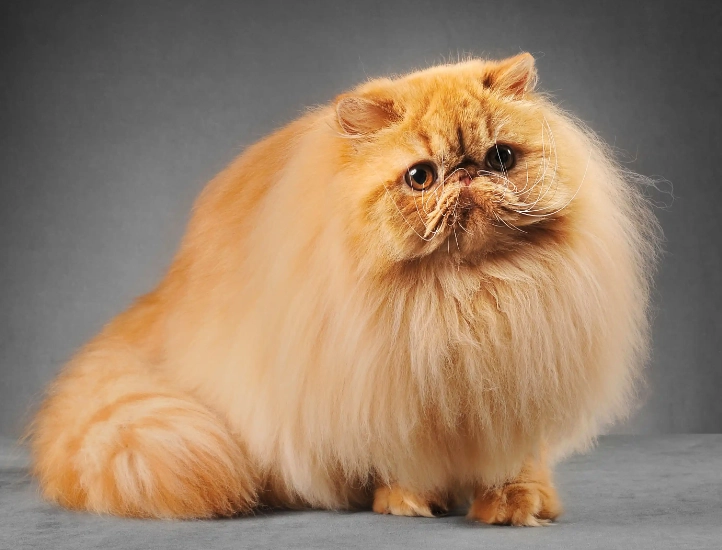
| Face Type | Also Known As | Key Physical Features | Health & Care Considerations |
|---|---|---|---|
| Doll Face | Traditional, Classic | Moderate nose length, muzzle is visible, eyes are proportional. Looks like a "normal" cat with long fur. | Fewest brachycephalic issues. Standard grooming needs. Generally the healthiest structure. |
| Peke Face | Extreme, Flat-Face | Very short nose, nose leather sits high between eyes. Deep stop (indent) between eyes. Jaw may be undershot. | Prone to breathing issues, dental problems, severe tear staining. Requires dedicated daily cleaning. |
| Ultra Type / Ultra-Face | Extreme, Show-Type | The most extreme flattening. Nose is extremely short and wide, often with nostrils pinched. Eyes are large and prominent. | Highest risk of all Peke-face issues plus potential eye ulcers (exposure keratitis). Demanding, non-negotiable daily care. |
Doll Face Persian: The Original Blueprint
This is the Persian your great-grandmother might have known. The doll face has a sweet, expressive look with a nose that has a definite length—you can see a little muzzle. Their eyes are big and round, but they sit in the skull, not bulging out of it. Many breeders and old-school enthusiasts call this the "traditional" or "classic" Persian.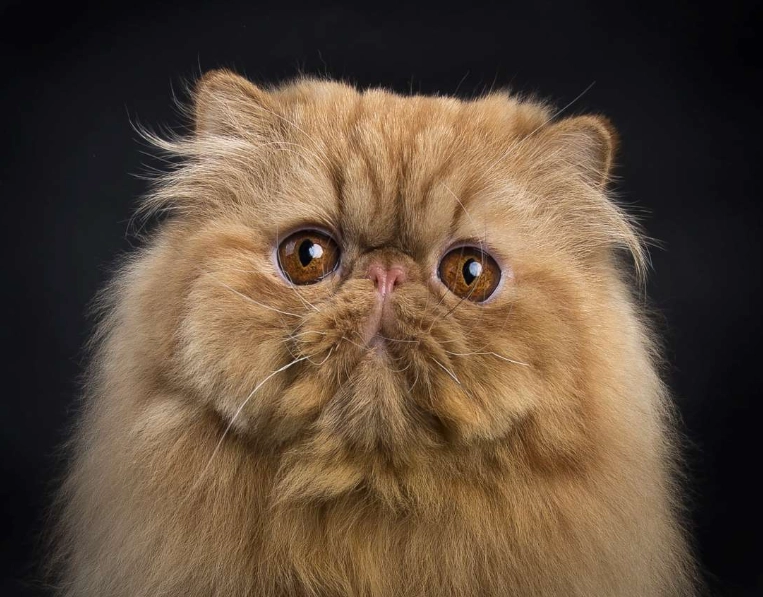
Why does this matter? Because the anatomy is far more functional. Air flows more easily, tear ducts drain better, and teeth have more room to align. My first Persian, Jasper, was a doll face. His grooming was about managing fluff, not constantly battling crusty eyes. He snored occasionally, but nothing like the distressing sounds I've heard from flatter-faced cats. If you want the Persian personality and glorious coat without signing up for a part-time nursing job, this is the type to seek. You might find them through breeders who focus on health or as adults in rescue (often mislabeled as just "long-haired cats").
Peke Face Persian: The Intentional Shift
The Peke-face Persian (named for its resemblance to the Pekingese dog) is where the breed took a dramatic turn. Starting in the mid-20th century, breeders selectively bred for that unique, baby-like flat face. The nose is very short, and there's a pronounced "break" or stop between the eyes. The lower jaw is often broader than the upper, creating that sweet, pouty look.
This is where health considerations become critical. That adorable face comes from a skull shape classified as brachycephalic. It's the same condition seen in Pugs and Bulldogs. The soft palate is often too long, the nostrils are frequently stenotic (pinched), and the tear ducts are distorted. What does this mean in your living room? Loud snoring, snorting, overheating easily, and eyes that constantly weep, leading to severe reddish-brown tear staining. You'll be cleaning their face folds daily without fail. I made the mistake of not researching this enough before getting my second cat, Mochi (a Peke-face). The constant worry about her breathing on a warm day was real.
Ultra-Type / Ultra-Face Persian: The Pinnacle of Extremes
The ultra-type is the Peke-face pushed to its absolute limit to conform to modern show ring ideals. The face is essentially a flat plane. The nose is so high and short it's almost between the eyes. The large, beautiful eyes can be so prominent they don't fully close during sleep, leading to dryness and ulcers—a condition called exposure keratitis.
Let me be blunt: this is a cat with a high-maintenance medical profile. Reputable breeders of ultra-types are obsessive about health testing and breeding away from the worst defects, but the structural challenges are inherent. Owning one is a commitment to vigilant, daily health checks. You must watch for labored breathing, keep their eyes lubricated, and maintain impeccable hygiene in their facial folds to prevent skin infections. For some, the unique beauty is worth it, but you must go in with eyes wide open. A study published on platforms like VCA Animal Hospitals website details the risks of brachycephalic obstructive airway syndrome (BOAS) that are prevalent in these cats.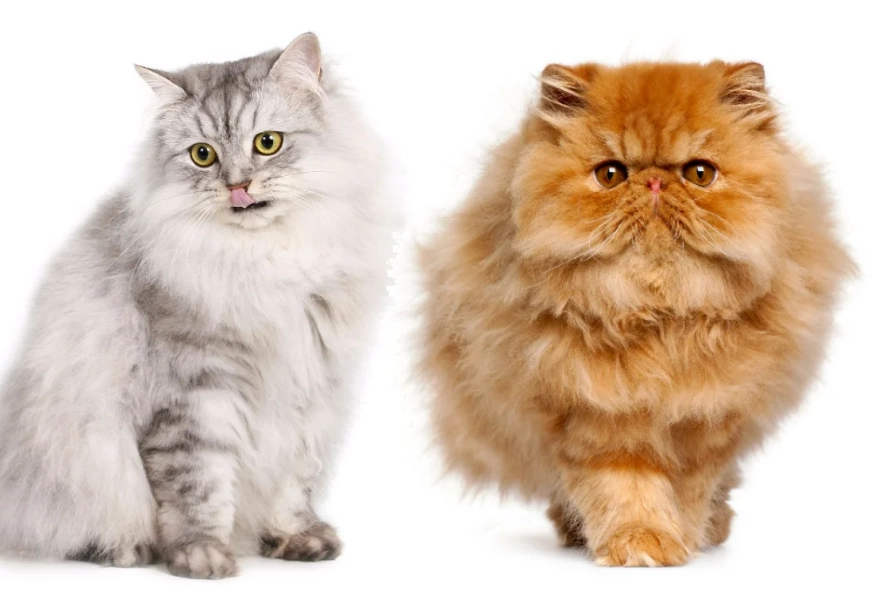
How to Choose the Right Persian Cat Face for You
This isn't just about which face you find cutest. It's a practical decision about your daily life for the next 15+ years. Ask yourself these questions.
- How much time do you have for daily care? A doll face needs brushing every other day. A Peke or Ultra face needs 10-15 minutes of face cleaning every single day, plus brushing.
- What's your tolerance for potential health issues? Are you prepared for possible surgeries to widen nostrils or shorten a palate? Can you handle the sound of noisy breathing?
- What's your climate like? In hot, humid areas, extreme brachycephalic cats are at significant risk of heatstroke. Air conditioning is not optional.
- What's your budget? Beyond the purchase price, factor in higher potential vet costs for dental work, eye issues, and respiratory care for flatter-faced cats.
My advice? If you're a first-time Persian owner, a doll face is the most forgiving and joyful introduction to the breed. You get all the wonderful temperament—the calm, affectionate, lap-loving nature—with far fewer complications. Visit a cat show if you can. Seeing, and hearing, the different types in person is enlightening. Talk to breeders of all types. A good breeder will ask you as many questions as you ask them and will be transparent about their lines' health.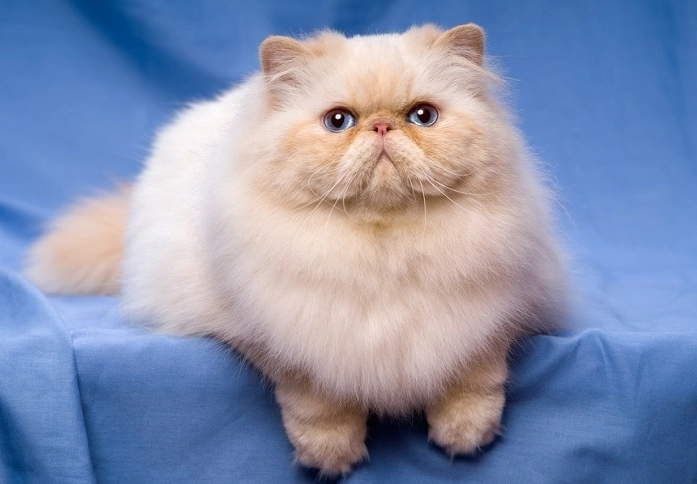
Care & Health: A Deep Dive for Each Face Type
General Persian care is similar: a quality diet, regular grooming, and vet checkups. But the devil is in the facial details.
Eye Care and Tear Staining
Tear staining is the big one. All Persians can have it, but it's a war for flat-faced types. The stain itself is caused by porphyrins, pigments in tears that turn reddish-brown with exposure to air.
For doll faces, wiping the corner of the eyes with a soft, damp cloth a few times a week usually suffices. For Peke and Ultra faces, you need a routine. I use a two-step process: first, a warm washcloth to soften the crust, then a fine-tooth comb designed for pets to gently comb out the stained fur. Never use human makeup removers or harsh wipes. Some find success with a boric acid solution (like Angel Eyes), but consult your vet first. The goal is to keep the area dry and clean to prevent yeast infections, which make the stain worse and smell cheesy.
Breathing and Temperature Regulation
Listen to your cat breathe when they're calm and sleeping. Normal, quiet breathing is ideal. Snoring or raspy sounds indicate some obstruction. For flat-faced cats, avoid stressful situations that cause panting, keep your home cool, and use a harness instead of a collar that can put pressure on the throat. Watch for blue-tinged gums or excessive open-mouth breathing—these are emergency signs.
Dental Health
That shortened jaw often means crowded, misaligned teeth. This traps food and leads to rapid tartar buildup and periodontal disease. Annual dental checkups are a must, and you should start brushing their teeth early. It's a hassle, but a tooth extraction is a bigger, more expensive hassle.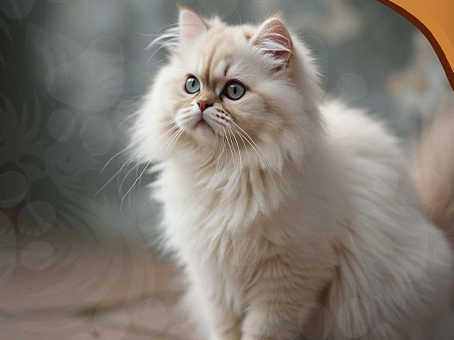
Grooming Beyond the Face
No matter the face, that coat is a commitment. It mats easily. A slicker brush and a metal comb are your best friends. Bathing every 4-6 weeks keeps the coat manageable and reduces oil that can contribute to staining. Many owners opt for a "lion cut" from a professional groomer in the summer—it's a lifesaver for the cat and you.
Pro Tip Most Breeders Won't Tell You: When evaluating a kitten, especially a Peke or Ultra type, don't just look at the face. Gently listen to its breathing after it's been playing. Place a finger near its nostrils to feel for strong, clear airflow. Ask the breeder for proof of health screenings for polycystic kidney disease (PKD) in the parents—this is a separate issue but critical for the breed.