If you're considering a Siberian tabby cat, you're looking at one of the most affectionate and low-allergen pets out there. I've owned one for years, and let me tell you, it's not just the fluffy coat that wins hearts—it's their dog-like loyalty and playful nature. This guide dives deep into everything you need to know, from their origins to daily care, based on my experience and expert insights.
Your Quick Guide to Siberian Tabby Cats
What is a Siberian Tabby Cat?
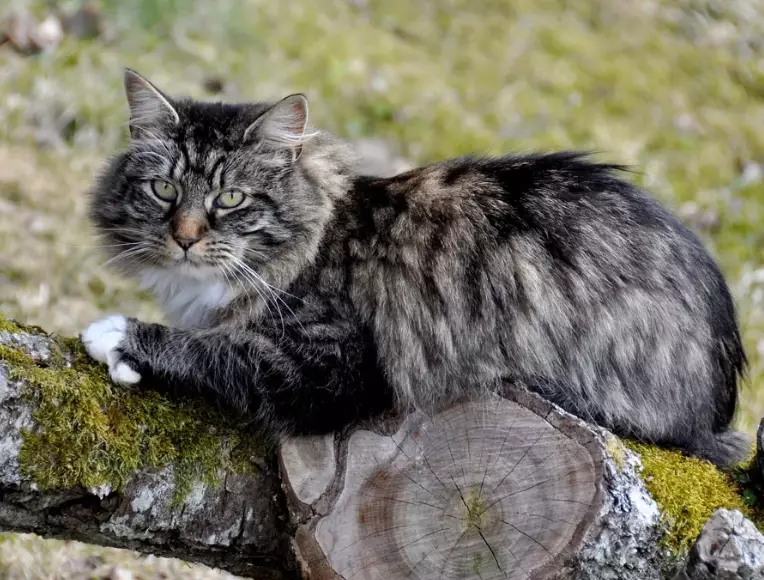
A Siberian tabby cat isn't a separate breed—it's a Siberian cat with a tabby coat pattern. Siberians hail from Russia, where they evolved naturally over centuries to handle cold climates. The tabby part refers to the distinctive stripes, swirls, or spots on their fur, which can come in classic, mackerel, or spotted variations. Think of it as a rugged, forest-dwelling cat with a wild look but a gentle heart.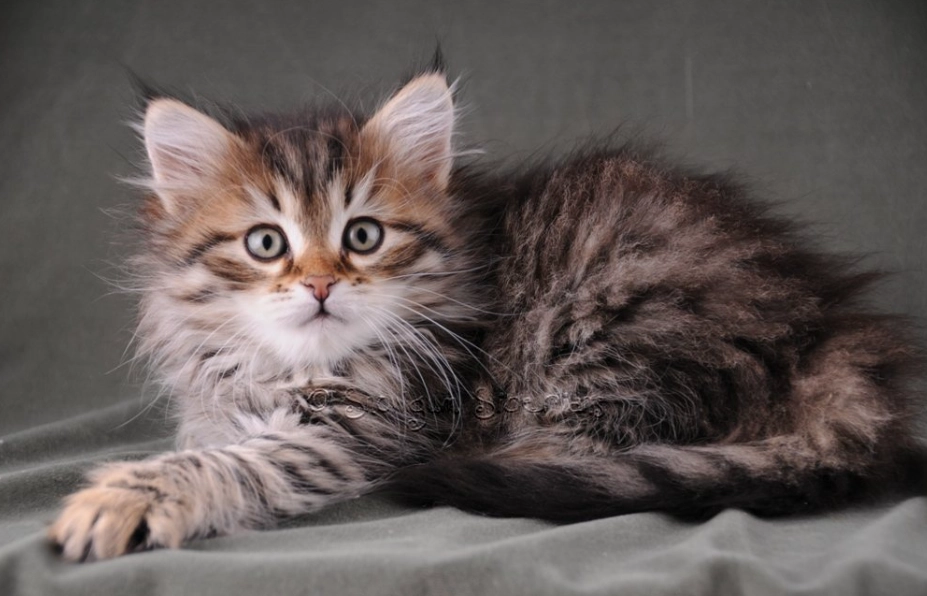
I remember when I first saw my Siberian tabby, Misha. Her coat had this beautiful brown mackerel pattern that shimmered in the light, and she had those classic "M" markings on her forehead. It's not just aesthetics; the thick triple-layered coat is functional, providing insulation against harsh weather. According to The International Cat Association (TICA), Siberians are a natural breed, meaning they weren't heavily manipulated by humans, which contributes to their robust health.
Key takeaway: Siberian tabbies combine the Siberian breed's hypoallergenic traits (due to lower Fel d 1 protein levels) with the tabby's striking appearance. This makes them a top pick for allergy sufferers who still want a fluffy companion.
Siberian Tabby Personality and Temperament
Don't let the majestic look fool you—Siberian tabbies are big softies. They're known for being friendly, intelligent, and surprisingly dog-like. Misha follows me around the house, greets guests at the door, and even plays fetch with crumpled paper balls. It's like having a mini panther with the soul of a golden retriever.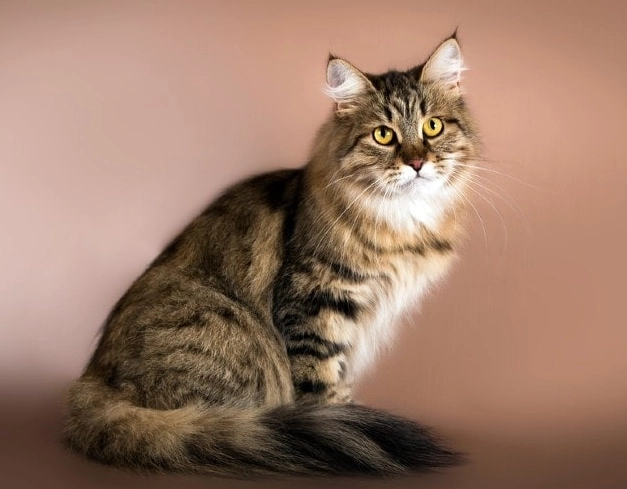
Here's what to expect personality-wise:
- Affectionate but not clingy: They love cuddles but won't suffocate you. Mine often curls up next to me while I work, but she's independent enough to entertain herself.
- Playful and energetic: These cats retain kitten-like energy well into adulthood. Without enough play, they might get bored and resort to mischief—I learned that the hard way when Misha started batting pens off my desk.
- Good with families: Siberians are generally great with kids and other pets. Their patient nature makes them tolerant of gentle handling, but always supervise interactions with young children.
A common mistake new owners make is underestimating their need for mental stimulation. Siberians are smart; they need puzzle toys or interactive games to stay happy. I introduced a food-dispensing ball, and it cut down on her nighttime zoomies by 80%.
How to Care for Your Siberian Tabby
Caring for a Siberian tabby isn't overly complicated, but it requires consistency. Their thick coat and active lifestyle demand specific attention. Let's break it down.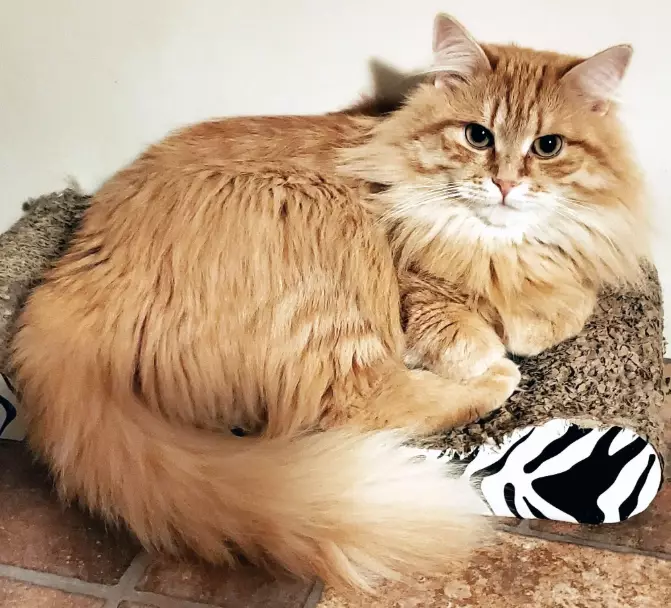
Grooming: Taming the Fluff
That luxurious fur mats if neglected. I groom Misha twice a week with a stainless-steel comb and a slicker brush. During shedding seasons (spring and fall), it's a daily chore—trust me, you'll find fur everywhere. But here's a pro tip: use a damp rubber glove to collect loose hair; it works better than most brushes for the undercoat.
Bathing isn't usually necessary unless they get into something messy. Siberians have water-resistant coats, so if you do bathe them, ensure thorough drying to prevent skin issues.
Diet and Nutrition
Siberians are medium to large cats, weighing 10-20 pounds, so they need high-quality protein to maintain muscle. I feed Misha a mix of wet and dry food, with wet food making up about 70% of her diet for hydration. Avoid fillers like corn or wheat; look for meat as the first ingredient. According to the American Association of Feline Practitioners, a balanced diet supports their joint health, which is crucial for this active breed.
Overfeeding is a pitfall. Mine gained a few pounds when I free-fed her as a kitten. Now, I measure portions and use timed feeders to control intake.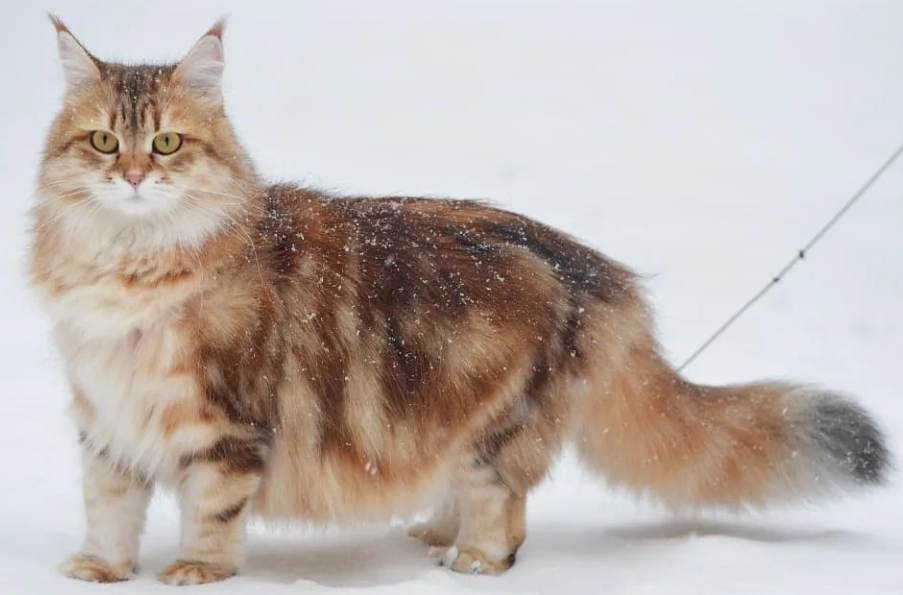
Exercise and Enrichment
These cats need space to climb and explore. If you live in an apartment, invest in tall cat trees and window perches. I set up a shelving system along my walls, and Misha loves racing across it. Interactive play sessions of 15-20 minutes twice a day keep her fit and prevent obesity—a common issue in indoor Siberians.
Consider leash training for outdoor adventures. Mine took to it slowly, but now she enjoys supervised backyard patrols. Always use a harness for safety.
Health Considerations for Siberian Tabbies
Siberians are generally healthy with a lifespan of 12-15 years, but they're prone to certain conditions. Regular vet check-ups are non-negotiable. From my experience, here are the big ones to watch:
- Hypertrophic cardiomyopathy (HCM): A heart disease that's common in many cat breeds. Ask your vet about annual echocardiograms, especially if you get a kitten from a breeder. Reputable breeders test for this, so always request health clearances.
- Hip dysplasia: Yes, cats get it too. Siberians can develop joint issues due to their size. Look for signs like reluctance to jump or limping. Maintaining a healthy weight helps reduce risk.
- Urinary tract issues: While less common, ensure they drink enough water. I add water to Misha's wet food and use a cat fountain to encourage hydration.
Dental care is often overlooked. I brush Misha's teeth weekly with a feline toothpaste, and it's saved me from costly dental cleanings. Start early to get them accustomed.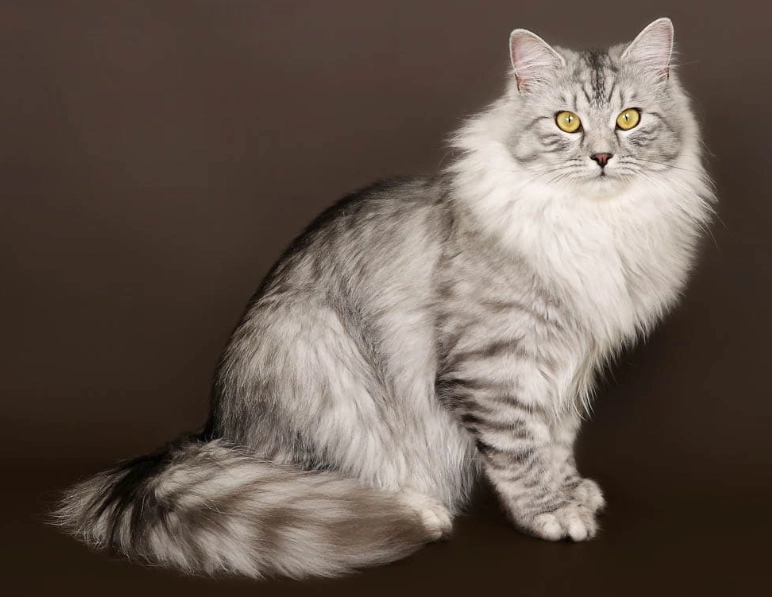
Is a Siberian Tabby Right for You?
Deciding to bring a Siberian tabby home depends on your lifestyle. They're not low-maintenance pets. If you travel frequently or prefer a hands-off cat, this might not be the breed for you. But if you want a loyal, interactive companion and are willing to put in the grooming effort, it's a match made in heaven.
Consider these factors:
- Allergies: Many people with cat allergies tolerate Siberians better due to lower Fel d 1 levels. However, it's not guaranteed—spend time with one before committing. I have mild allergies, and with regular cleaning and an air purifier, I rarely have issues.
- Space: They thrive in homes with room to roam. A small studio might feel cramped for them.
- Time commitment: Plan for daily play and weekly grooming. Skipping grooming leads to mats that can cause skin infections.
Adoption vs. buying: Check shelters first; Siberian mixes sometimes show up. If buying from a breeder, ensure they follow ethical practices, like those outlined by TICA. I got Misha from a breeder who provided genetic testing records, and it gave me peace of mind.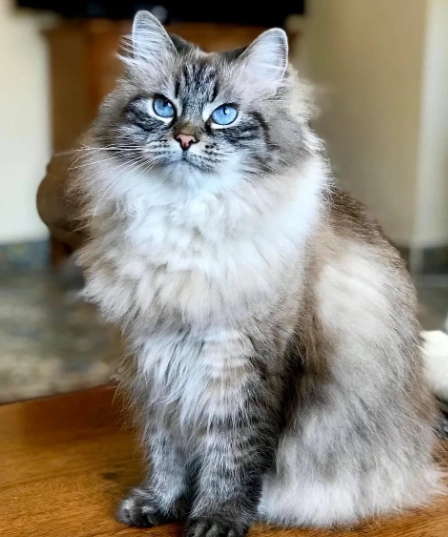
Frequently Asked Questions
Wrapping up, Siberian tabby cats are incredible pets for the right owner. They offer loyalty, beauty, and a touch of wild charm. If you're ready for the grooming commitment and active play, you'll gain a furry friend for years to come. Remember, every cat is an individual—mine has her quirks, like stealing socks—but that's part of the joy. For more resources, check out reputable sites like The International Cat Association for breed standards or the Cornell Feline Health Center for health tips.