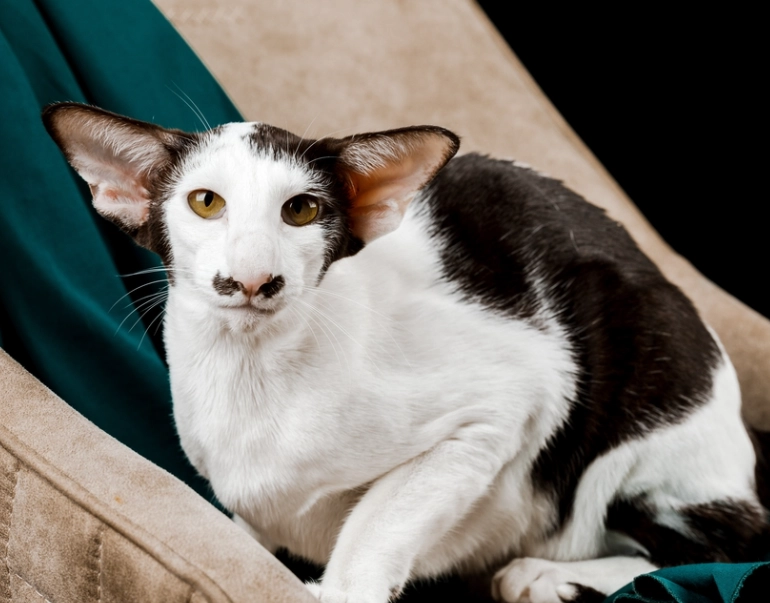
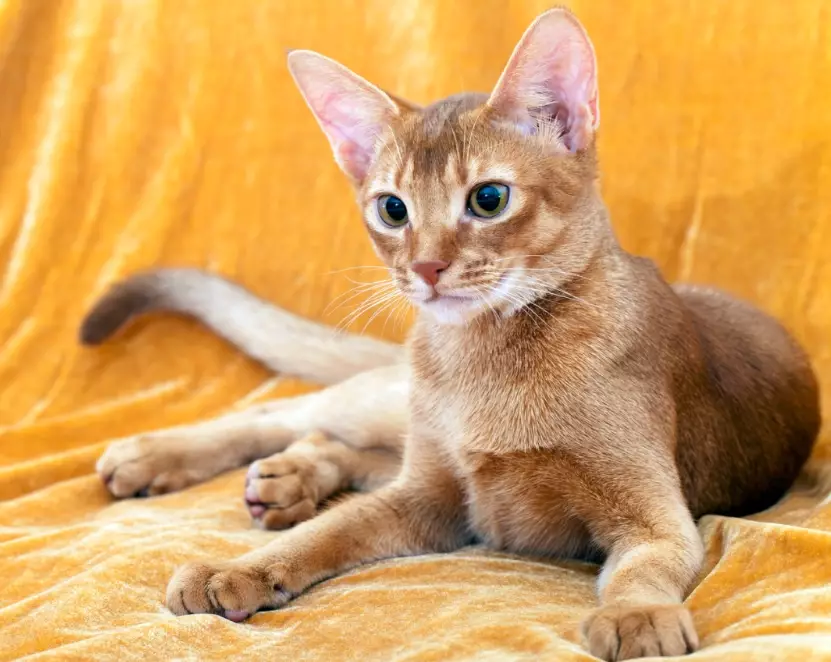
You see a cat in a photo. It's impossibly slender, with enormous ears, almond-shaped eyes, and a coat that looks like satin. Your first thought might be "Siamese." But what if I told you there's an entire family of cats that share that iconic look, but come in over 300 color and pattern combinations? That's the world of the Oriental cat breed. Forget thinking of them as just a Siamese cousin—they're a personality-packed, vocal, and deeply engaging companion that operates more like a permanent, furry toddler with opinions.
I've lived with cats for decades, and my first Oriental, a ebony shorthair named Jinx, redefined what I thought I knew about feline behavior. He didn't just meow; he held conversations. He didn't just play; he needed puzzles. This guide isn't a dry list of facts. It's what I wish I'd known before bringing that whip-smart, demanding bundle of energy home.
What’s Inside This Guide?
What Exactly is an Oriental Cat?
Let's clear up the confusion. The Oriental Shorthair and Oriental Longhair are recognized breeds that, along with the Siamese, Balinese, and a few others, belong to the "Oriental" family or type. The key difference? Color and pattern. While the Siamese is defined by its color points (dark face, ears, paws, and tail on a lighter body), the Oriental comes in virtually every other solid color, tabby pattern, tortoiseshell, and shaded combination you can imagine.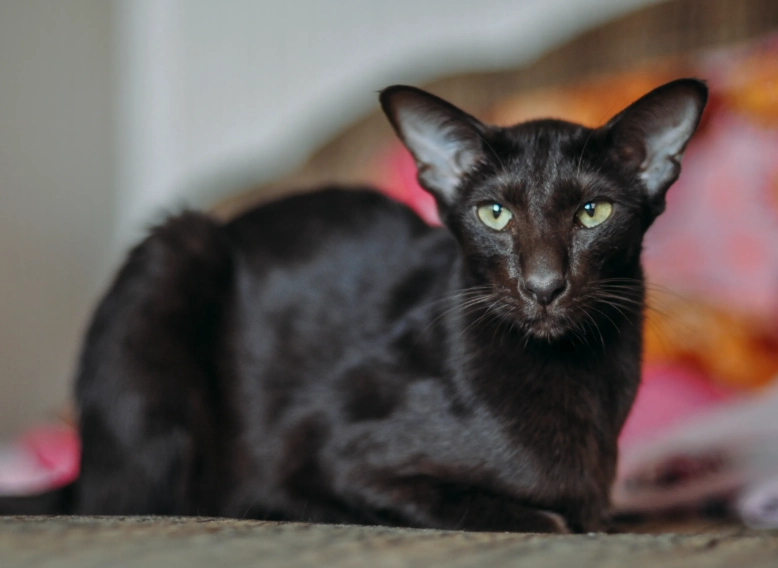
They were developed in the mid-20th century by breeders who wanted the Siamese body type but with a different palette. The Cat Fanciers' Association (CFA) and The International Cat Association (TICA) both recognize them. The body is the star: long, tubular, and muscular like a runner's, not delicate. The head forms a perfect wedge from the nose to the tips of those huge, radar-dish ears. It's a look of extreme elegance that comes with extreme energy.
The Oriental Personality: It’s Not for the Faint of Heart
If you want a decorative pet that minds its own business, stop reading now. The Oriental cat personality is 100% involved. They are often called "canine cats" for their loyalty and tendency to follow you room-to-room. But that's too simple. They're more like a cross between a dog, a monkey, and a very chatty toddler.
Vocalization: They Have Opinions
They don't just meow. They chirp, trill, and produce loud, raspy opinions on everything—the empty food bowl, the closed door, the meaning of life. My Jinx would have full-blown arguments with me. It's not aggression; it's conversation. You need to be okay with noise. Some people find it charming, others end up rehoming the cat. Be brutally honest with yourself about this.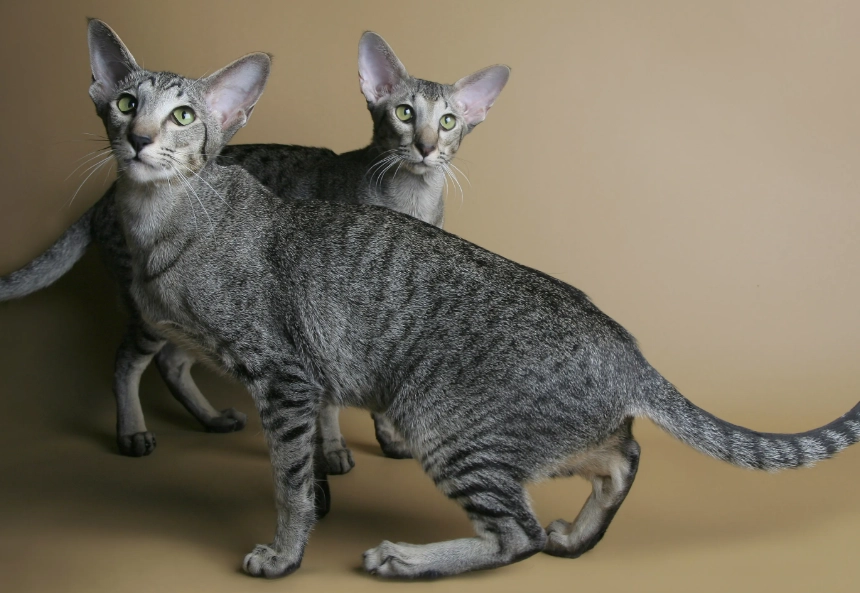
Intelligence and Need for Stimulation
Their brain is always on. This is the cat that figures out how to open cabinets, turns on faucets, and learns tricks faster than you can teach them. Boredom is their enemy. A bored Oriental becomes destructive or develops anxiety-based behaviors. Puzzle feeders are not a luxury; they are a necessity. Daily interactive play sessions (think wand toys, fetch) are non-negotiable.
I made a classic mistake early on. I left Jinx alone for a standard workday with just a few toys. I came home to a roll of toilet paper shredded into a snowstorm and a cat screaming at me from the top of the bookshelf. He wasn't bad; he was under-stimulated. I learned to create "food hunts" and leave out novel, safe objects for him to investigate.
Caring for Your Oriental: Diet, Grooming, and Environment
Their care is straightforward but specific. That sleek coat is deceptive—it hides a high-metabolism engine that needs proper fuel.
Diet and Nutrition
Orientals are lean, not skinny. You should feel a thin layer of fat over firm muscle. Because they're so active, they often need more calories than a similarly-sized, more sedentary breed. High-quality, protein-rich food is key. Many Orientals are food-motivated, which helps with training but can lead to begging. Establish strict meal times, not free-feeding.
A common pitfall I see: owners see a slender cat and overfeed carbs or low-quality food to "fatten them up," leading to a pot belly and poor coat condition. Consult your vet, but aim for a diet with meat as the first ingredient. Some lines can be prone to sensitive stomachs, so transitions to new food should be slow.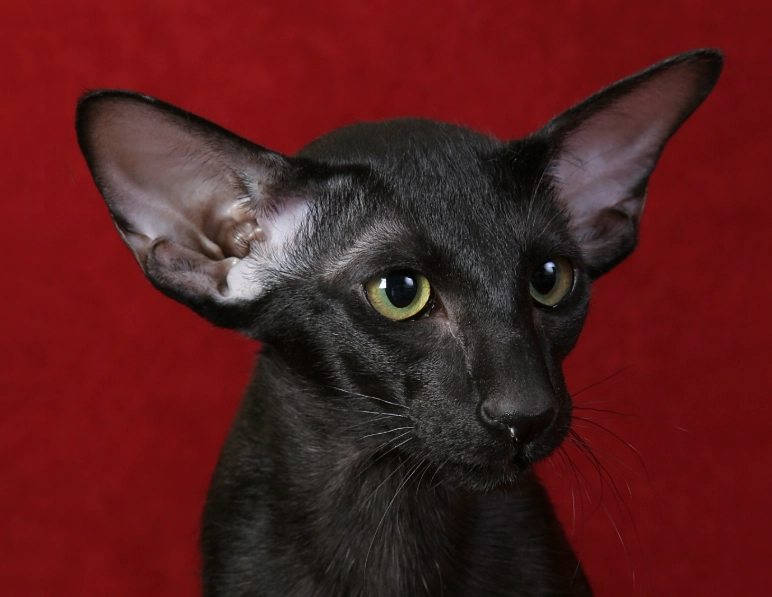
Grooming Needs
This is the easy part.
Oriental Shorthair: That short, fine coat needs minimal work. A weekly rub-down with a silicone grooming mitt or soft brush removes loose hair and distributes skin oils. It's more of a bonding activity than a necessity.
Oriental Longhair: The semi-longhair version has a silky, fine coat that surprisingly doesn't mat easily. A bi-weekly brushing is usually sufficient to prevent tangles, especially behind the ears and in the "pants" (hind legs).
For both, regular nail trims, ear checks, and dental care are just as important as for any cat.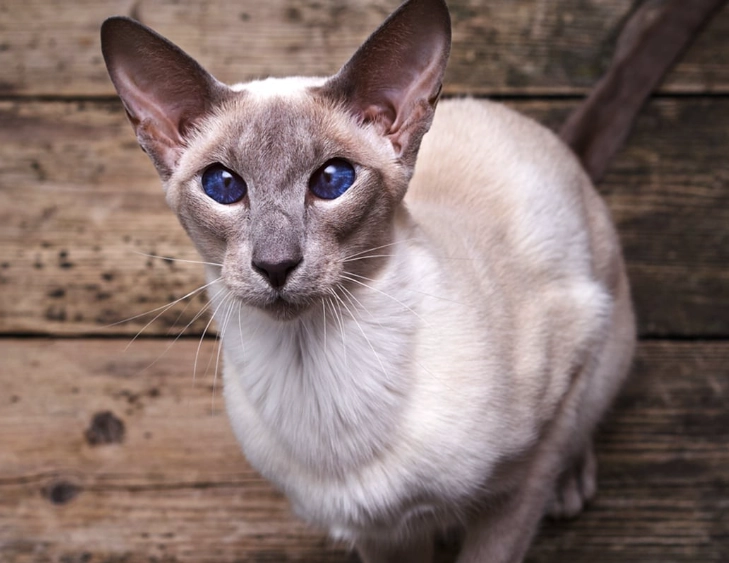
Creating the Right Home Environment
Think vertical. These cats love to climb and survey their kingdom. A tall, sturdy cat tree by a window is a must-have. Provide multiple scratching surfaces (sisal, cardboard). They appreciate warmth, so consider a heated bed or a spot in the sun. Most importantly, provide companionship. They deeply dislike being alone for long periods. If you work long hours, a second pet (even another Oriental or a similarly active breed) can be a lifesaver for their mental health.
Health and Lifespan: What to Watch For
Orientals are generally healthy cats with a lifespan of 12-15 years, often longer. However, because they share ancestry with Siamese, they can be predisposed to certain genetic conditions. Responsible breeders screen for these.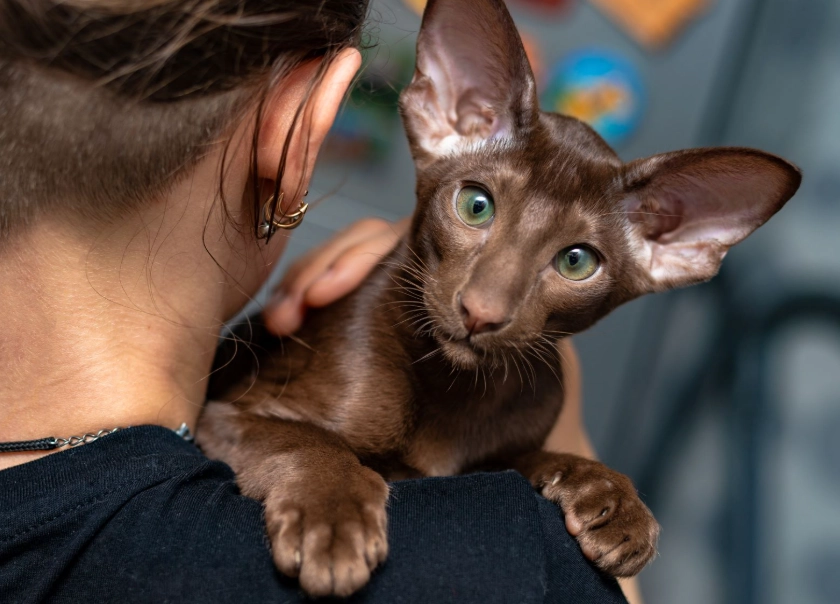
| Condition | What It Is | What Responsible Breeders Do |
|---|---|---|
| Progressive Retinal Atrophy (PRA) | A degenerative eye disease leading to blindness. | Test breeding cats via a veterinary ophthalmologist or genetic DNA test. |
| Amyloidosis | A disease where abnormal protein deposits damage organs, particularly the liver. | Know the lineage history and avoid breeding from affected lines. |
| Cardiac Issues (e.g., Cardiomyopathy) | Heart muscle diseases. | Screen breeding cats with echocardiograms (heart ultrasounds). |
| Dental Issues | They can be prone to gingivitis and periodontal disease. | N/A – This is an owner management issue via dental care. |
When talking to a breeder, ask for proof of health screening for the parents (not just "the vet says they're healthy"). A good breeder will be transparent. The Oriental Shorthair Club of America is a great resource for breeder referrals and health information.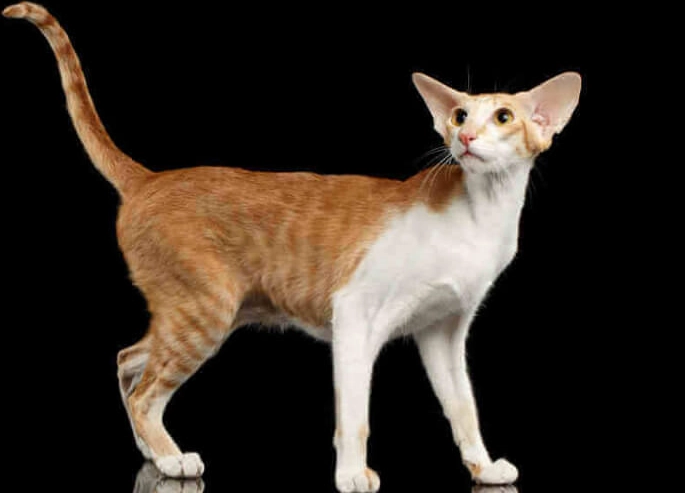
Is an Oriental Cat Right for You? A Reality Check
Let's match the cat to the lifestyle. This isn't about good or bad; it's about fit.
The Ideal Oriental Home: Active households, people who work from home, families with older children who understand cat boundaries, experienced cat owners who enjoy interaction, multi-pet homes (with proper introductions). Someone who wants a true companion, not just a pet.
Think Twice If: You crave peace and quiet, are away from home 10+ hours a day, have very young children who might be rough, prefer independent pets, or are a first-time cat owner who isn't prepared for the intensity. There's no shame in admitting it's not a match. Getting a cat that clashes with your lifestyle is unfair to both of you.
Consider adoption. While purebred Orientals are less common in shelters, Siamese and Siamese-mix cats (who often have very similar personalities) are frequently found in rescue organizations. You might find your perfect, chatty soulmate there.