You see a cat with a stunning, fox-like tail, a radiant coat that seems to glow from within, and an expression of pure mischief. Is it a Somali cat, or just a very pretty domestic longhair? This question trips up a lot of people, even seasoned cat lovers. I've been around cats my whole life, and I still remember the first time I confidently misidentified a ruddy Somali as just a "pretty orange tabby." The owner gently corrected me, and that sparked a years-long fascination with this breed. Identifying a Somali cat isn't just about spotting long hair; it's about recognizing a specific combination of physical architecture, unique coat texture, and an unmistakable personality. Let's break it down so you can spot one with confidence.
What's in This Guide?
The 5 Key Physical Traits of a Somali Cat
Forget checking just one box. A genuine Somali cat is a sum of very specific parts. Miss one, and you might be looking at a different breed or a beautiful mix.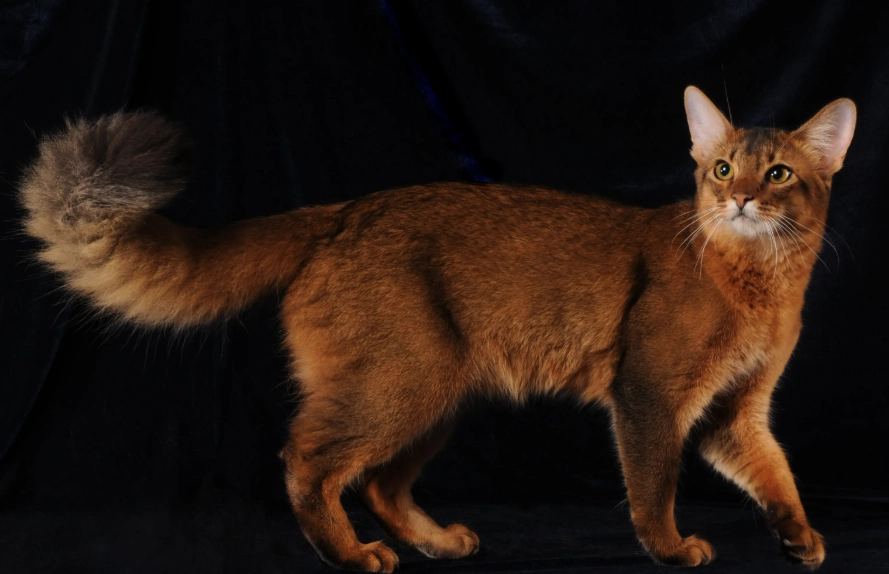
1. The Coat: "Ticking" is Non-Negotiable
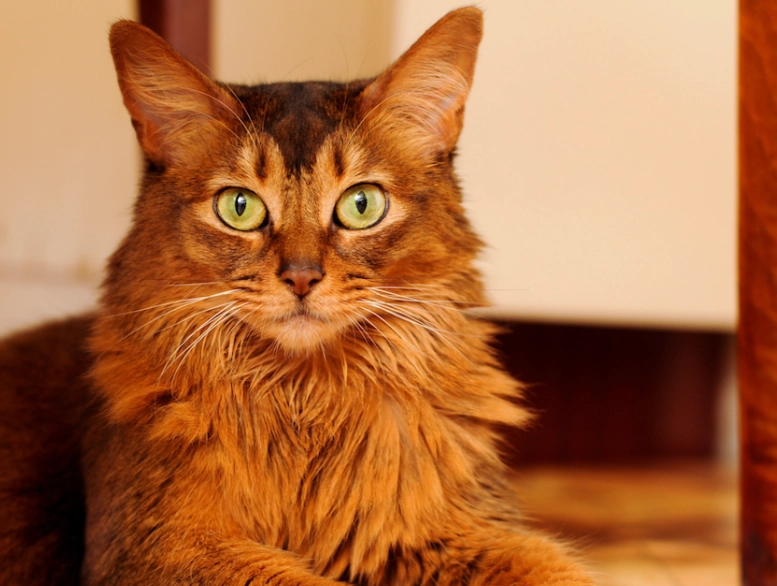
This is the hallmark. Each hair strand has 4-6 bands of alternating light and dark color, with a dark tip. It's called agouti ticking. From a distance, it creates a warm, shimmering, almost iridescent effect—never a solid color or classic tabby stripes. Run your hand against the grain; you should see the distinct bands on the individual hairs, especially on the back. A solid-colored cat is not a Somali.
2. The "Fox" Tail and Britches
The tail is a dead giveaway. It's extremely full, bushy, and long, with the hair the longest at the base and tapering slightly. When the cat is alert, it's often carried high like a plume. Coupled with the tail are pronounced "britches"—full, fluffy fur on the upper hind legs that give them a pantalooned appearance. If the tail is skinny or short-haired, you're not looking at a Somali.
3. The Wedge-Shaped Head and Large Ears
The head is a modified wedge, without flat planes. The ears are notably large, broad at the base, cupped, and set alertly on the head. They often have lynx-like tufts at the tips and "thumbprint" markings on the back. The eyes are almond-shaped, expressive, and come in shades of gold, green, or hazel, outlined with a dark "eyeliner" that is itself surrounded by a lighter area.
4. The Body Type: Medium and Muscular
Somali cats are not cobby or overly delicate. They have a medium, muscular, and graceful build—somewhere between sturdy and svelte. They feel surprisingly dense when picked up. The legs are proportionately long, contributing to an elegant, balanced silhouette.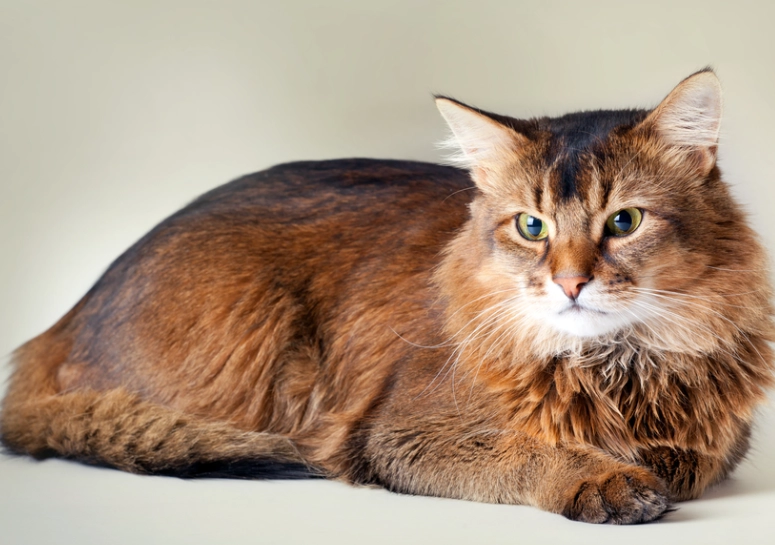
5. The Overall Impression of an Alert, Active Animal
Even at rest, a Somali looks ready to spring. There's an alertness in their posture. This isn't a languid lap cat (though they can be affectionate). They look engaged with their environment.
Pro Tip from Experience: Many guides miss this, but check the ruff. A mature Somali should have a discernible ruff of longer fur around the neck, framing the face. It's not as massive as a Maine Coon's, but it's definitely there and adds to that foxy look. Kittens won't have it fully developed.
Coat Color & Patterns: It's All About the "Ticking"
Somali cats come in several recognized colors, but the pattern is always agouti ticked. The most common by far is Ruddy (burnt sienna ticked with black). Others include Red (warm red ticked with chocolate), Blue (soft blue-gray ticked with slate blue), and Fawn (light cream ticked with dark cream). The undercoat is always a warm, bright color corresponding to the base. A cold-toned or dull undercoat is a red flag.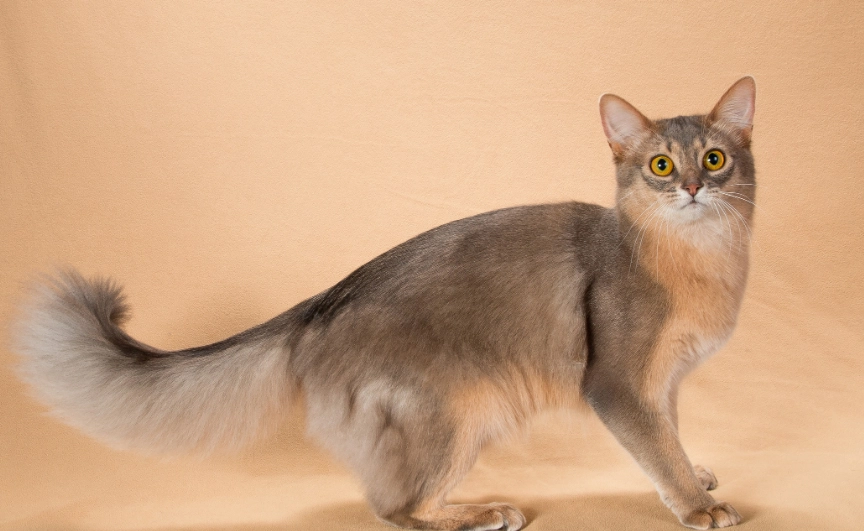
| Color Name | What to Look For | Common Mistake |
|---|---|---|
| Ruddy | Deep orange/copper base with black ticking. Tail tip is black. "Eyebrow" whisker dots. | Mistaken for a regular orange tabby, but tabbies have stripes, not ticking. |
| Red | Rich red/apricot base with chocolate brown ticking. | Can look similar to Ruddy in low light, but ticking is brown, not black. |
| Blue | Warm blue-gray (oatmeal) base with darker slate blue ticking. | Mistaken for a Russian Blue mix, but Russian Blues have solid, short coats. |
| Fawn | Light cocoa-cream base with darker creamy-beige ticking. Rare. | Can be confused with a dilute cream domestic, but ticking must be present. |
Personality & Behavior: The Livewire Demeanor
If the physical traits have you leaning towards "Somali," the personality will confirm it. They are often described as the clowns of the cat world. Here's what that looks like in practice:
They are curious to a fault. Nothing in your home is safe from investigation. Cabinets, drawers, shelves—they will figure out how to open them. I've known Somalis who learned to turn on faucets.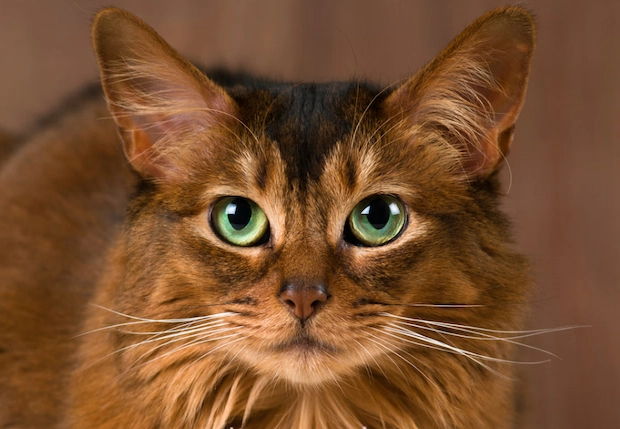
They are highly social and often "talkative." They don't meow much, but they produce a charming, soft chirping or trilling sound, especially when following you around. They hate being left alone for long periods and do best with another pet or a human who is home often.
They retain kitten-like playfulness for life. A 10-year-old Somali will still race after toys, leap into the air, and engage in crazy midnight zoomies. They are athletic jumpers and love high places.
They bond deeply but on their terms. They'll be in your business, "helping" you work, but might not be a constant lap-sitter. Their affection is active—a head bump, a chirp, bringing you a toy.
Let's be real. If you see a cat matching the physical description but it's aloof, sedentary, or hides all day, it's either not a purebred Somali or it's unwell. The personality is a core identifier.
Common Lookalikes & How to Tell Them Apart
This is where most identification attempts fail. Here’s a quick breakdown.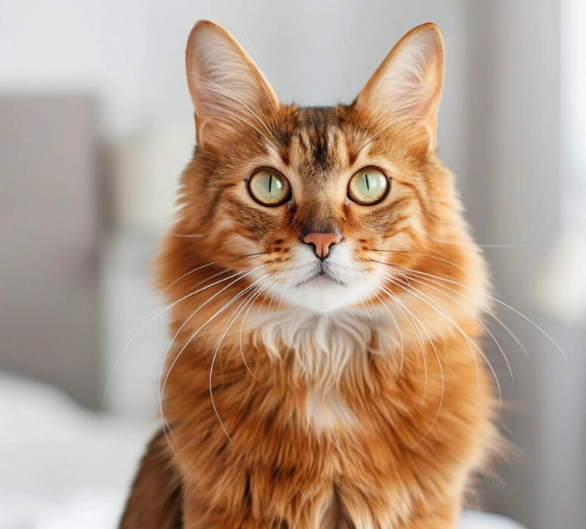
- Domestic Longhair (DLH) "Tabby": The most common confusion. A DLH can have a bushy tail and long fur. The difference? Stripes vs. Ticking. DLH tabbies have clear mackerel, classic, or spotted tabby stripes. Somalis have no stripes, only ticking. Also, DLH head shapes and ear sets are far more variable.
- Abyssinian: The Somali's direct ancestor and short-haired cousin. They share identical ticking, body type, and personality. The difference is coat length—period. An Aby is a short-haired cat. A Somali is its long-haired version. Some people call Somalis "long-haired Abyssinians."
- Maine Coon or Norwegian Forest Cat Mix: These breeds can have tabby patterns and bushy tails. Key differences: Maine Coons/NFCs are much larger, boned, have different head shapes (square muzzle for MC, triangular for NFC), and their fur is shaggier, often with a less defined ticking pattern and more of a rugged, weather-resistant look.
- Chausie or Other Hybrids: Some hybrid breeds can have ticked coats. However, their body types are often more extreme (very long legs, deep chests), and their heads are a different shape (often more wild-looking).
Final Verification Steps
You've observed the cat. It ticks most of the boxes (pun intended). What now?
1. Ask for Pedigree Papers. This is the only definitive proof. Reputable breeders register their kittens with organizations like The International Cat Association (TICA) or the Cat Fanciers' Association (CFA). Papers list the lineage, confirming it's a purebred Somali.
2. Consider a DNA Test. For a rescue cat with no papers, a cat DNA test from a company like Basepaws or Wisdom Panel can detect breed markers. It's not 100% for rare breeds, but it can strongly indicate Somali/Aby ancestry in the mix.
3. Consult a Breed Expert. Reach out to a Somali cat breed club or a respected breeder. They can often make an assessment from good photos (clear shots of the profile, full body, tail, and a close-up of the coat against the grain). The Somali Cat Club of America (associated with CFA) is a good resource.
Remember, many wonderful cats are mixes that resemble Somalis. Identifying a true Somali is about the precise combination of traits. If the cat is missing that iconic ticking, the specific head shape, or the livewire personality, you likely have a beautiful Somali-like mix—which is a fantastic cat in its own right.