You scroll through Instagram or a breeder's website, and there it is—a Tonkinese cat with a coat that looks like a creamsicle sunset. Warm, apricot points against a pale ivory body. It's not the classic seal or chocolate. This is an orange Tonkinese, sometimes called a red point or flame point. And suddenly, you need to know everything about it. Is it a separate breed? How does that color happen? And, crucially, how on earth do you find one? Let's clear the air right away: an "orange Tonkinese" isn't a different breed. It's a stunning and less common color variation of the beloved Tonkinese, a cat known for its dog-like affection and chatty, playful nature. The quest for this specific color is where things get interesting, and sometimes, frustrating.
What’s Inside This Guide
What Exactly is an Orange Tonkinese Cat?
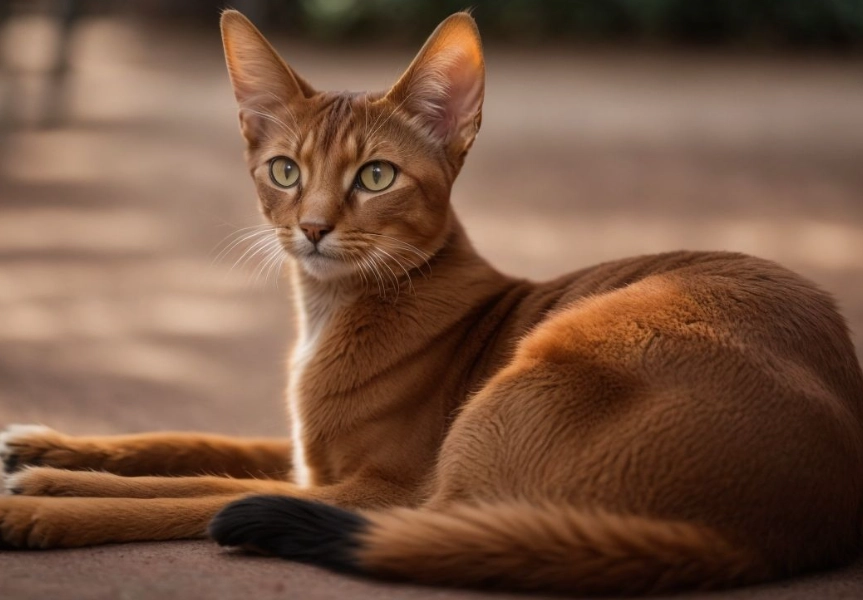
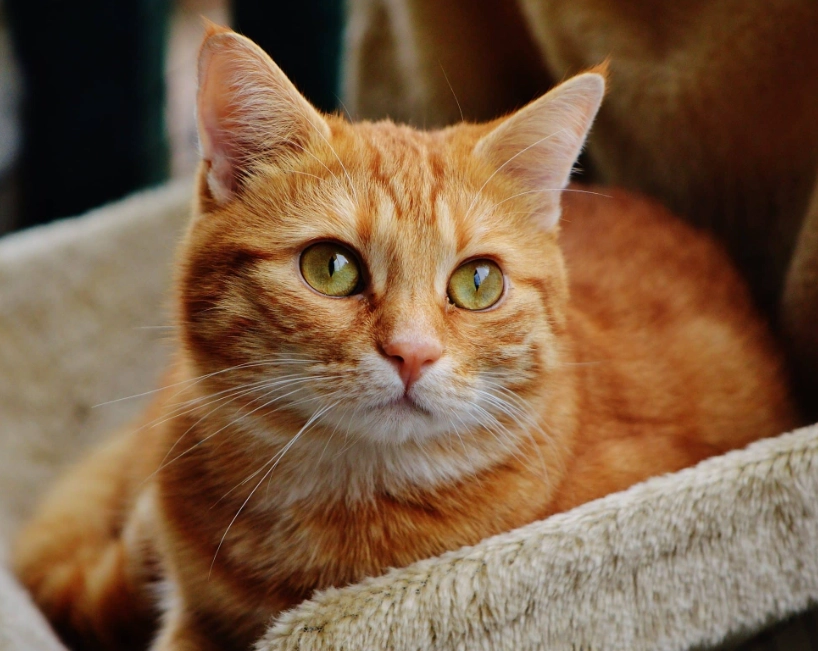
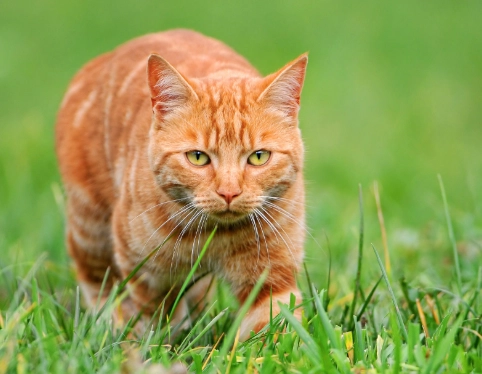
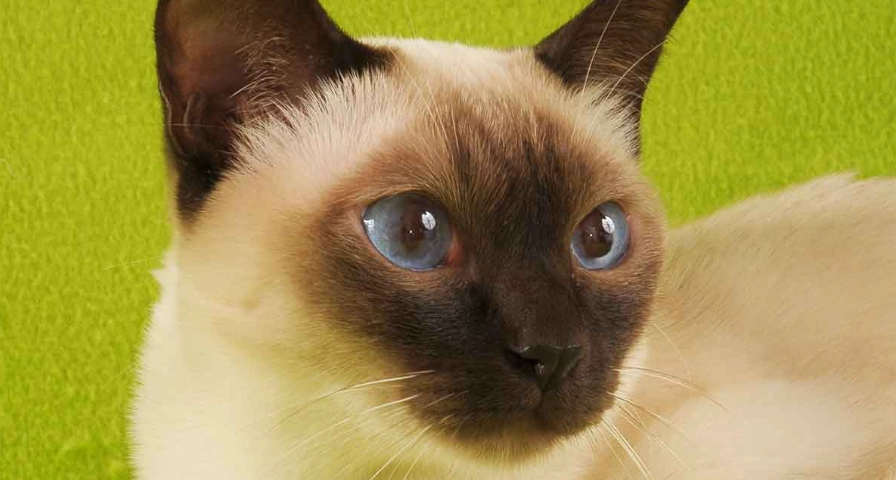
First, let's ditch a common misconception. In the cat fancy world, "orange" is often formally called "red." So, an orange Tonkinese is a red point Tonkinese. The points (ears, face mask, paws, tail) display shades ranging from pale apricot to deep, rich reddish-gold. The body is a much lighter cream or off-white. The eyes remain the signature aqua or blue-green, creating a breathtaking contrast.
Major cat registries like The Cat Fanciers' Association (CFA) and The International Cat Association (TICA) recognize this color. But here's the catch: it's not just about one parent being orange. The Tonkinese is a hybrid breed from Siamese and Burmese. The red color gene is sex-linked and carried on the X chromosome. This leads to a quirky statistical reality: male orange Tonkinese cats are more common than females. To get a female, you need *both* parents to carry and pass on the gene, which is a more specific breeding project.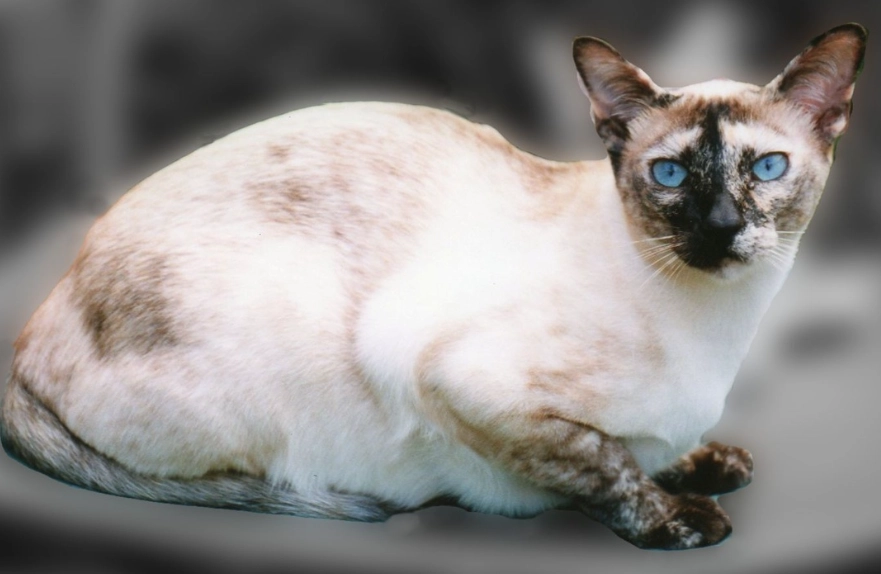
Quick Color Reference: In official terms, you might see "Red Point," "Cream Point," or even "Apricot Point" used. "Flame Point" is a popular nickname, often associated with red point Siamese. They all refer to variations within the orange/red spectrum.
The Genetics Behind the Orange Glow
If you really want to talk to breeders intelligently, understanding the basics helps. The red/orange color in cats is caused by the "O" (orange) gene. It's dominant and sits on the X chromosome.
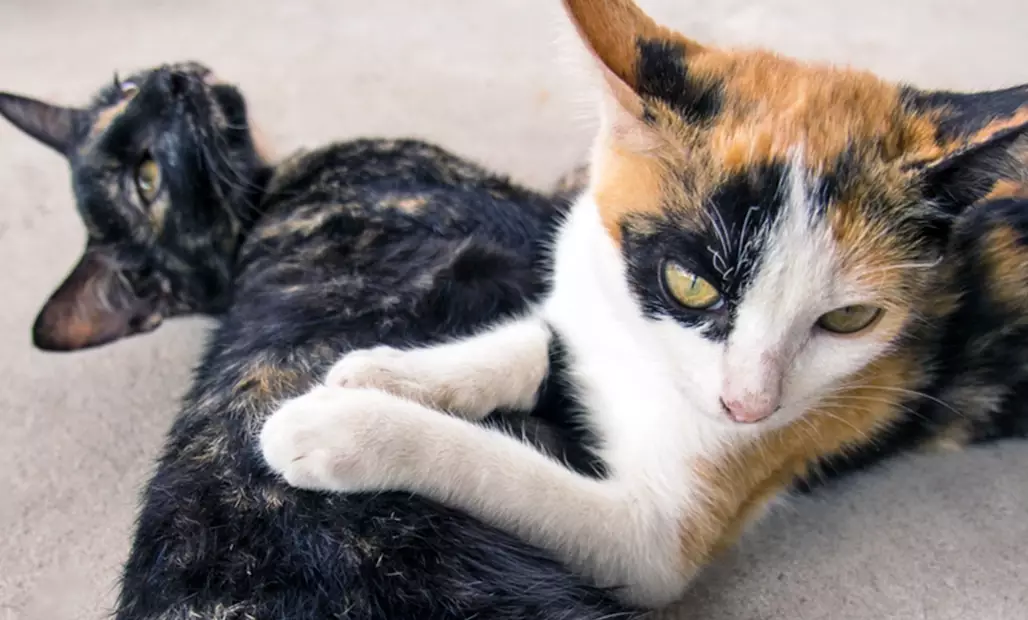
A male cat (XY) only needs one copy of the O gene from his mother to be red. A female (XX) needs copies from *both* parents. If she gets only one, she becomes a tortoiseshell or calico—a mix of red and another color. This is why you'll see far more male red point Tonkinese than females. A reputable breeder planning for red points has to carefully track which of their cats carry this gene, sometimes going back generations to outcross with a red carrier from another breed line (like a red point Siamese or a Burmese with red in its ancestry). It's not a simple "mix A and B" process.
Many new enthusiasts get tripped up here. They see a photo of a stunning cat and email a breeder asking, "Do you have orange kittens?" A seasoned breeder might sigh. They don't just "have" them on demand. This color is a planned outcome, often resulting from specific pairings made years in advance to ensure health and temperament are prioritized over just color.
The Orange Tonkinese Color Spectrum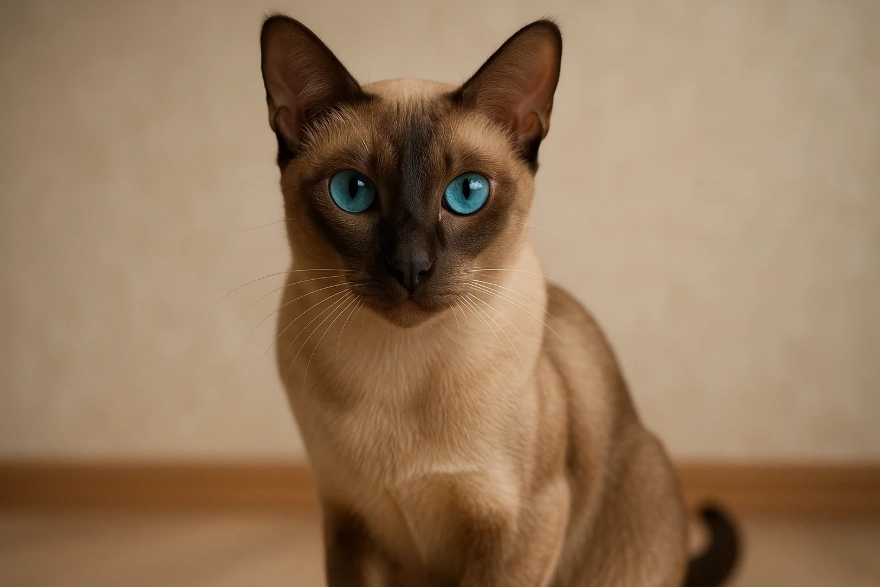
Not all orange Tonks look the same. The final shade depends on other modifying genes and whether the cat is a mink, solid, or point pattern (Tonkinese come in all three).
| Common Name | Point Color | Body Color | Pattern Type | Rarity Note |
|---|---|---|---|---|
| Red Point | Deep reddish-gold | Pale, warm cream | Mostly Point or Mink | The classic "orange" look |
| Cream Point | Soft, muted apricot | Nearly white ivory | Point, Mink, or Solid | Dilute form of red, very elegant |
| Apricot Point | Warm peach tone | Off-white | Typically Mink | A middle ground between red and cream |
| Red Tortie Point | Patchy mix of red & seal/chocolate | Pale cream | Point or Mink | Almost exclusively female |
The Realistic Path to Finding an Orange Tonkinese
This is the part where dreams meet reality. You won't find an orange Tonkinese at a shelter (it's vanishingly rare). Your only ethical avenue is a dedicated, preservationist breeder. And I need to be blunt: you will be on a waitlist. You might be on a waitlist for over a year. Good breeders have limited litters and plan pairings for health and conformation first, color second.
Here’s a step-by-step approach that actually works, based on my years talking to breeders:
Start with registries, not Google. Go to the TICA and CFA websites. Use their "breeder referral" directories. These breeders agree to a code of ethics. Email every Tonkinese breeder in your region, even if their website shows only seal or blue kittens.
Your initial email is crucial. Don't lead with "How much for an orange one?" Introduce yourself, mention you're fascinated by the breed and have done research on their personality. Then, express a strong interest in the red/cream point colors and ask if they ever work with those lines or could refer you to a breeder who does. This shows you're serious, not just shopping for a pretty coat.
Be prepared for a conversation. A good breeder will interview you. They'll want to know about your home, your experience with cats, your lifestyle. They are placing a life they've nurtured, not selling a product. If a "breeder" immediately has an orange kitten available for extra money with no questions asked, run. That's a red flag for a backyard operation.
Consider expanding your color preferences. A seal or chocolate mink Tonkinese has the same wonderful personality. Sometimes, a breeder might have a planned litter that could produce red points, but they won't guarantee a specific color for a waiting list family. Are you open to a different color if an orange one isn't available in that litter? Being flexible can sometimes get you a wonderful kitten sooner.
A Word on Price & Patience: An orange Tonkinese kitten doesn't inherently "cost more" from an ethical breeder. Reputable breeders charge based on the breed standard, health testing, and care, not color rarity. However, the wait and the specific planning involved can feel like a premium. Anyone charging significantly extra solely for a "rare red color" is likely prioritizing profit over breeding ethics.
Care & Personality: Beyond the Color
Once you have your amber-eyed companion, the color becomes a bonus. The Tonkinese personality is the real treasure. They are famously social, often following you room-to-room. They retrieve toys, greet you at the door, and hold conversations with a distinctive, soft voice (less piercing than a Siamese). They can be clownish and need interactive play.
Care is straightforward but non-negotiable. Their short, silky coat needs weekly brushing. Their social nature means they hate being left alone for long periods. Seriously, a lonely Tonkinese can become depressed or destructive. If you work 12-hour days, this isn't your breed. Consider getting two, or have another pet for company.
Health-wise, they are generally robust. Reputable breeders screen for common issues like gingivitis and certain heart conditions. The red color gene itself is not linked to any specific health problems. The key is the breeder's health testing, not the hue of the cat.
A Day in the Life with an Orange Tonk
Let's make it concrete. Your orange Tonkinese, let's call him Mango, wakes you up not by meowing, but by gently patting your face. After breakfast, he supervises your morning routine. He might nap while you work, but likely in the same room, preferably on a warm laptop. Evening is playtime—a feather wand is a must. He'll crash on the couch with you, a warm, purring presence. He might even learn to walk on a harness. The color is what draws you in, but this daily rhythm of companionship is what you stay for.
Your Burning Questions Answered
 Do orange Tonkinese cats "darken" with age like other point-colored cats?