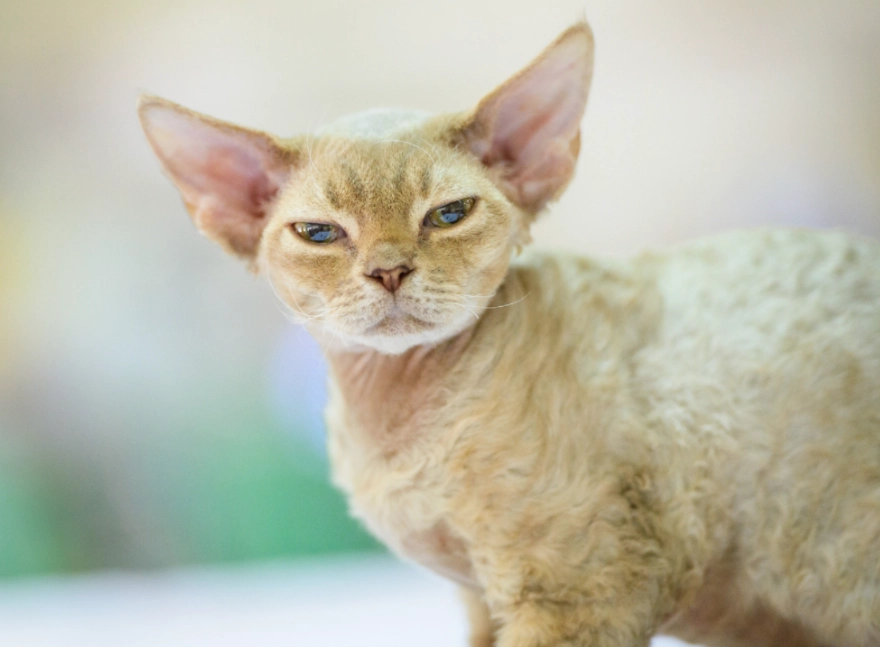
Let's cut to the chase. A Devon Rex cat typically costs between $1,200 and $2,500 if you buy from a reputable breeder. But I've seen prices swing from $800 to over $4,000. Why the huge range? It's not just about the kitten—it's about bloodlines, location, and a bunch of factors most first-time buyers overlook. I've helped friends navigate this for years, and the biggest mistake is focusing only on the upfront price. The real cost includes vet bills, food, and even that special shampoo for their unique coat. Stick around, and I'll break it all down so you don't get surprised.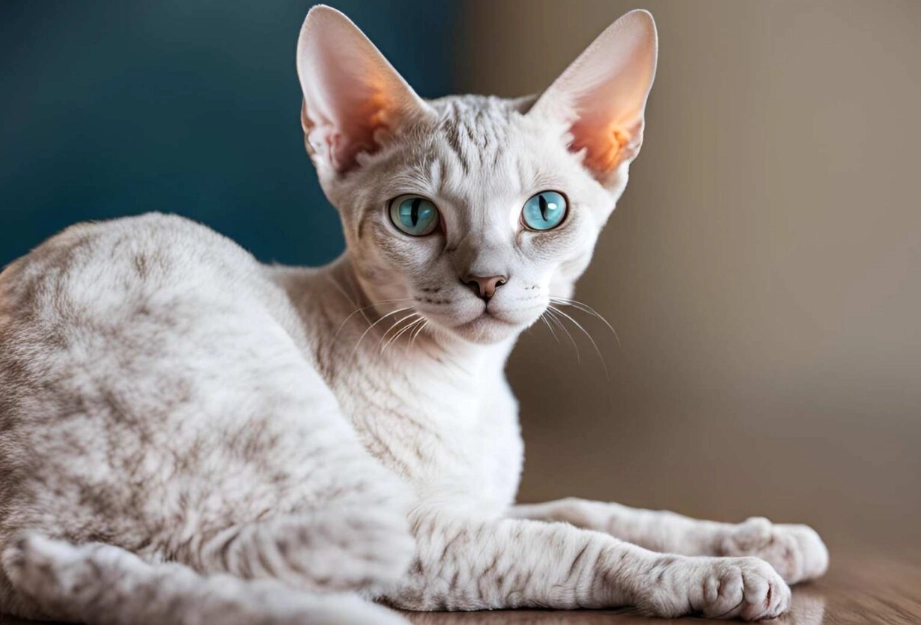
Your Quick Guide to Devon Rex Costs
What's the Average Price? A Realistic Breakdown
Most people search for a simple number, but it's more like a spectrum. Here's a quick table based on my research and chats with breeders across the U.S. and Europe.
| Source | Price Range | What You Get |
|---|---|---|
| Reputable Breeder (Pet Quality) | $1,200 - $2,000 | Health checks, vaccinations, sometimes spay/neuter. A kitten for companionship, not shows. |
| Show-Quality Breeder | $2,000 - $4,000+ | Top bloodlines, champion parents, breeding rights. Rare colors like smoke or silver can push it higher. |
| Rescue or Adoption | $100 - $400 | An adult or senior cat, often with vet work done. Less common but worth checking. |
| Backyard Breeder or Online Scam | $500 - $1,000 | Risky. Often no health guarantees, and you might inherit genetic issues. I'd avoid. |
See that gap? A friend of mine paid $1,800 for a Devon Rex from a breeder in Ohio, and another spent $350 adopting a five-year-old from a shelter in Texas. Both are happy, but their upfront costs were worlds apart. The breeder kitten came with papers from The International Cat Association (TICA), which adds value but isn't always necessary for a pet.
Location matters too. In big cities like New York or Los Angeles, prices tend to be 20% higher. Breeders there have more overhead. Meanwhile, in rural areas, you might find a gem for less, but travel costs can add up.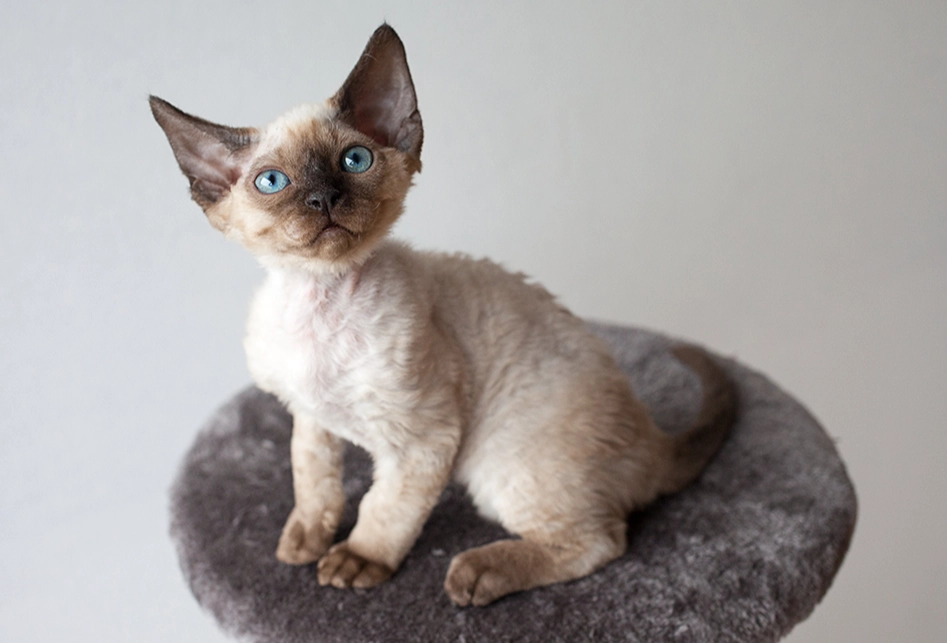
Key Factors That Change the Price Tag
Think of this like buying a car. The base model is one thing, but add-ons and condition change everything. Here are the big players.
Breeder Reputation and Location
A breeder with a long history and positive reviews from places like the Cat Fanciers' Association (CFA) will charge more. They're investing in genetic testing, proper socialization, and lifetime support. I once visited a breeder in Florida who charges $2,500 per kitten. She showed me her vet records and let me meet the parents—totally worth it for peace of mind.
Location isn't just about city vs. country. Some regions have more competition, which can lower prices. In the Midwest, I've seen reputable breeders offer kittens for $1,500, while on the West Coast, similar quality starts at $2,000.
Kitten Quality: Pet vs. Show
This is where newcomers get confused. Pet-quality kittens might have minor cosmetic flaws, like a less curly coat or a slight kink in the tail. They're perfectly healthy but not suited for shows. Show-quality kittens meet strict breed standards and often come from champion lines. If you just want a companion, save money and go pet-quality. A show kitten can cost double, and unless you're into cat shows, it's overkill.
Color and Rarity
Devon Rex cats come in many colors—solid, tabby, bicolor. Common colors like black or blue are usually cheaper. Rare patterns like pointed or chocolate can add $500 or more. But here's a tip: some breeders hype up "rare" colors that aren't even recognized by major associations. Check standards from TICA or CFA before paying extra.
Personal take: I think the color premium is often overstated. A healthy kitten with a good temperament matters more than a unique shade. I've seen people pay $3,000 for a "rare" color, only to deal with health issues later.
Age and Availability
Kittens are pricier. Adults or retirees from breeding programs can be cheaper, around $800 to $1,500. They're often calmer and already trained. Don't overlook them—they're a steal if you want a lower-energy pet.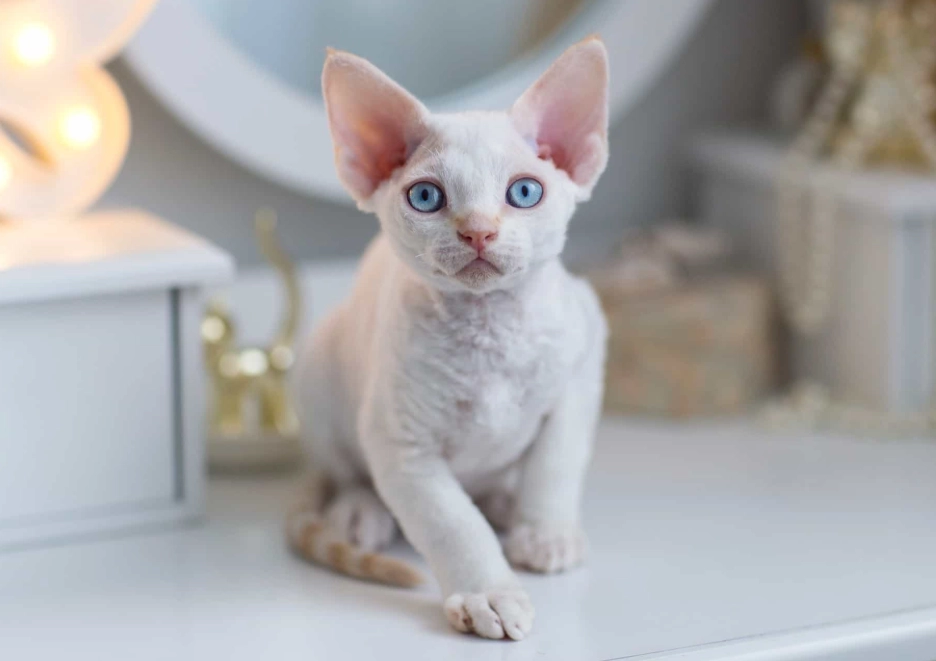
Where to Buy: Breeders, Adoption, and Hidden Gems
Where you look drastically affects cost and experience. Let's walk through the options.
Reputable Breeders: The Standard Route
Start with breeder directories from TICA or CFA. Expect to wait—good breeders have waitlists. They'll interview you, which is a good sign. Prices include initial vet care, microchipping, and sometimes a starter kit. My friend Jane bought from a CFA-registered breeder in Michigan for $1,600. The kitten arrived with a health guarantee and a bag of food. Smooth process, but she waited six months.
Adoption: The Budget-Friendly Surprise
Devon Rex cats do end up in shelters or breed-specific rescues. Check organizations like Devon Rex Rescue or local shelters. Adoption fees range from $100 to $400, covering vaccinations and spay/neuter. The downside? Availability is sporadic. I volunteered at a rescue once, and we got a Devon Rex maybe once a year. But when we did, it was a quick adoption—people love these cats.
Cat Shows and Networking
Attend a cat show. You can meet breeders in person, see their cats, and sometimes find kittens for sale on the spot. Prices might be negotiable. I know someone who got a show-quality kitten for $1,800 at a show after chatting with the breeder. It's more work, but you get a feel for the community.
Online Platforms: Proceed with Caution
Sites like Craigslist or generic pet marketplaces are risky. I've seen listings for "Devon Rex mix" at $500, but they're often scams or poor-quality breeds. If you go this route, insist on a vet visit and health records. Better to pay more for safety.
Ongoing Costs: Budgeting for Year One and Beyond
The purchase price is just the entry fee. Here's what you'll spend yearly, based on my own tracking and vet advice.
- Food: High-quality wet and dry food for a Devon Rex runs $40 to $60 per month. They have fast metabolisms, so they eat more than you'd think.
- Vet Care: Annual check-ups, vaccines, and preventive meds cost $200 to $400. Emergencies? A friend's Devon Rex needed surgery for a respiratory issue—$1,200 out of pocket.
- Grooming: Their curly coat needs minimal brushing, but they're prone to oily skin. Special shampoo and occasional baths add $50 per year.
- Toys and Supplies: Litter, scratching posts, toys—budget $200 initially and $100 yearly.
- Pet Insurance: Optional but smart. Plans range from $300 to $600 annually. For a breed with potential health issues like hypertrophic cardiomyopathy, it's worth considering.
Year one total, including the kitten purchase: If you buy a $1,500 kitten, add $1,500 for ongoing costs, so around $3,000. After that, yearly costs drop to $800 to $1,200.
Let's do a quick scenario. Imagine you adopt a Devon Rex for $300. First-year costs might be $1,200, so you save $1,000 compared to buying from a breeder. But adoption cats might have unknown health histories, so factor in potential vet bills.
Your Burning Questions Answered
 Wrapping up, the cost of a Devon Rex cat isn't just a number—it's a mix of upfront price, ongoing care, and where you shop. Whether you spend $300 adopting or $3,000 on a show kitten, plan for the long haul. These cats are playful, affectionate, and worth every penny if you're prepared. Do your homework, ask tough questions, and remember that a higher price doesn't always mean a better pet. Happy hunting!