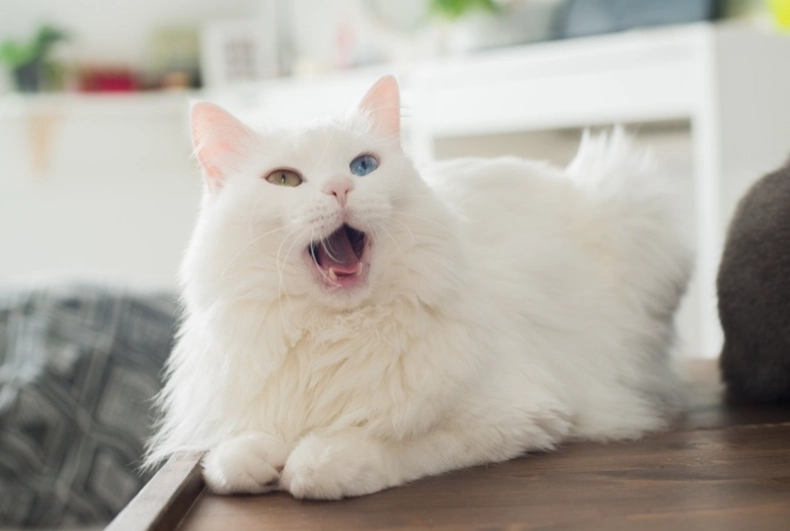
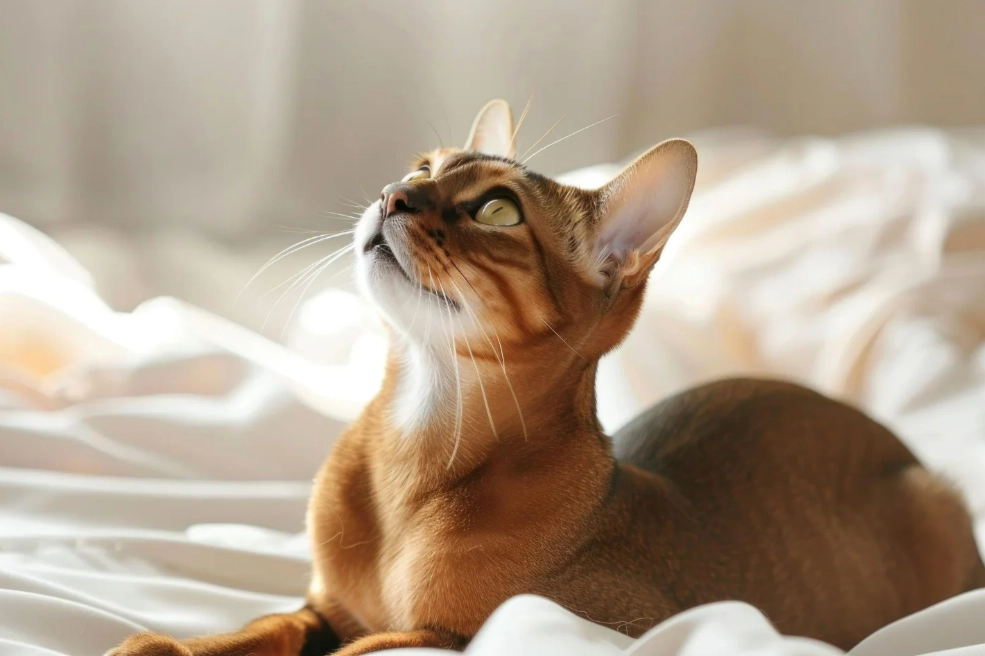
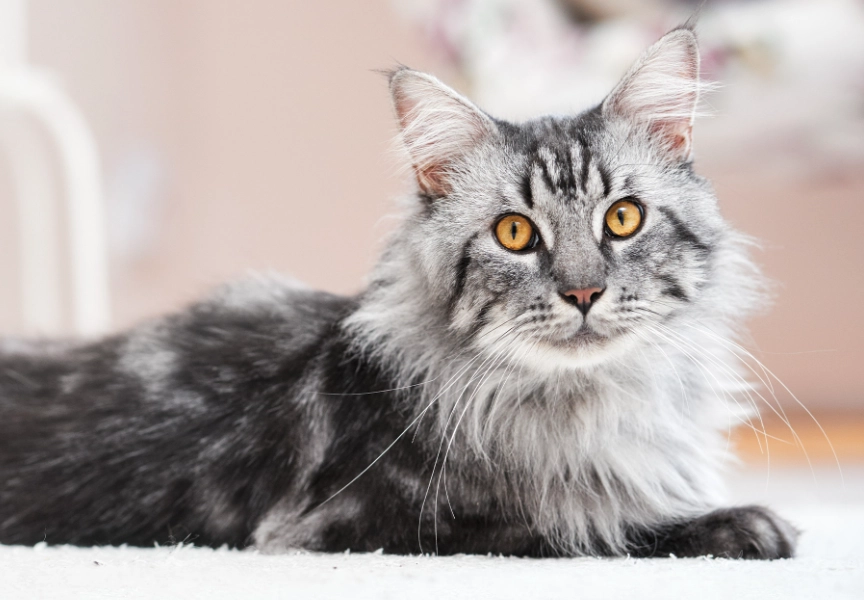
You've seen the pictures. That stunning, fox-like tail, the ticked coat that seems to glow, and those alert, intelligent eyes. The Somali cat is undeniably one of the most visually striking breeds out there. But before you fall head over heels for a photo, it's crucial to look beyond the beauty. Is a Somali cat's personality as captivating as its looks? What does living with one actually entail?
I've shared my home with cats for over two decades, including a delightful Somali mix for several years. That experience taught me that this breed is a world away from a laid-back lap cat. They're a package deal of incredible highs and some very real challenges. Let's cut through the fluffy marketing and talk about the real, day-to-day pros and cons of Somali cats.
Quick Guide: What's in This Article
What Makes a Somali Cat Unique?
First, a bit of background. The Somali is essentially the long-haired version of the Abyssinian. The story goes that the longhair gene was always present in Abyssinian lines, and breeders eventually decided to develop these "longhaired Abbys" into their own recognized breed. Major cat registries like The Cat Fanciers' Association (CFA) and The International Cat Association (TICA) now recognize them.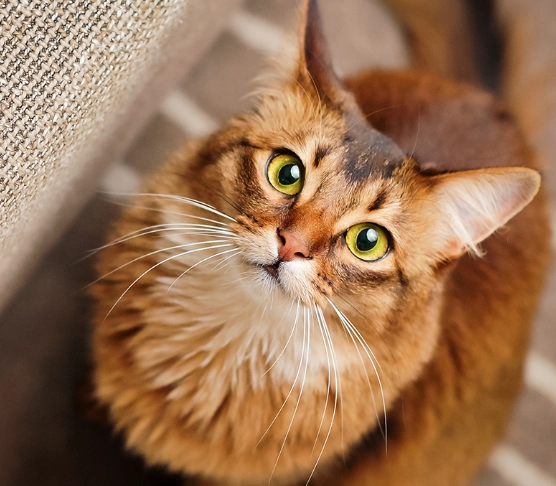
Their most famous feature is their "ticked" coat. Each hair has multiple bands of color, creating a warm, shimmering effect without distinct stripes or spots. The classic "ruddy" color is a deep orange-brown, but they also come in sorrel (cinnamon), blue, and fawn. Then there's the "fox-like" tail—full, plumed, and often carried high like a banner.
But the real magic (and sometimes the madness) is inside. Somalis are often described as the "dogs of the cat world." This isn't just a cute saying; it defines their core personality and needs.
Key Takeaway: Don't be fooled by the elegant appearance. A Somali cat is an athlete and a busybody wrapped in a gorgeous package. They are not decorative pets.
The Pros: Life with a High-Energy Companion
If you're looking for an interactive, engaging pet that breaks the aloof cat stereotype, the Somali's advantages are massive.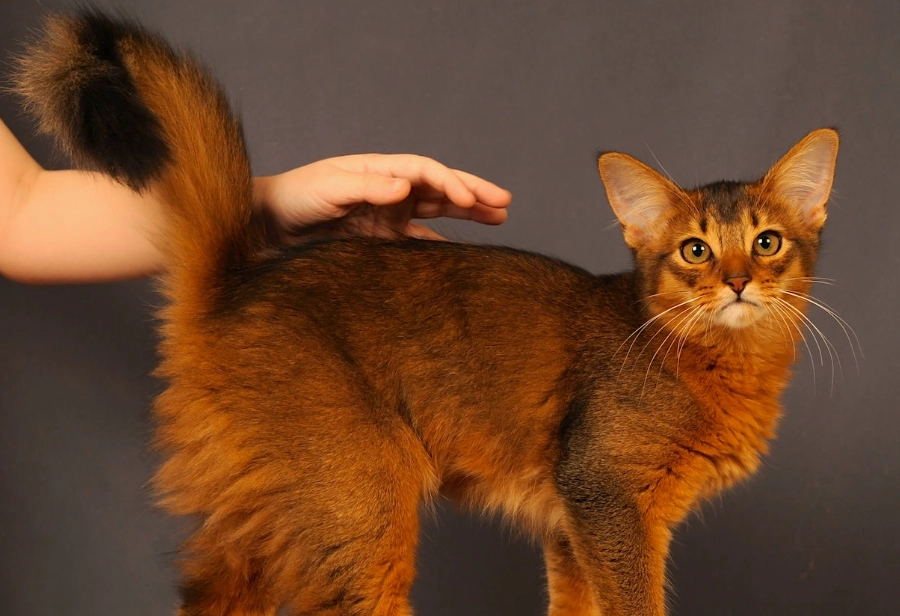
1. Unmatched Intelligence and Playfulness
This is their biggest pro. Somalis are scary smart. They learn tricks easily—fetch, high-five, even navigating complex puzzle toys. Boredom is their enemy, but this intelligence means they can be endlessly entertained with the right stimulation. Watching a Somali figure out a new food puzzle is like watching a tiny, furry engineer at work.
Their playfulness lasts well into adulthood. While many cats mellow out, a 10-year-old Somali will often still race around the house after a toy. This makes them fantastic companions for people who want a playful, interactive pet for years.
2. Deeply Affectionate and Social (On Their Terms)
They form extremely strong bonds with their families. A Somali will follow you from room to room, not necessarily to sit on your lap, but to be involved. They'll supervise you cooking, watch TV with you, and "help" with your work. This is a breed that wants to be in the thick of family life.
Their affection is active. Expect head-butts, chirps, and trills (they're not big on loud meows). They often get along well with other pets, especially dogs and other active cats, because they see them as potential playmates. A common mistake is getting a Somali as a solo pet for someone who works 12-hour days. That's a recipe for a neurotic cat.
3. Striking, Low-Maintenance Grooming (Mostly)
Here's a surprise for a long-haired cat: their coat is relatively easy to care for. Unlike Persians, the Somali's fur lacks a thick undercoat, so it's less prone to matting. A good brush once or twice a week is usually sufficient to remove loose hair and keep that glorious tail fluffy. Their coat feels silky, not woolly.
The grooming session becomes a bonding activity. Most Somalis enjoy the attention and the sensation of being brushed.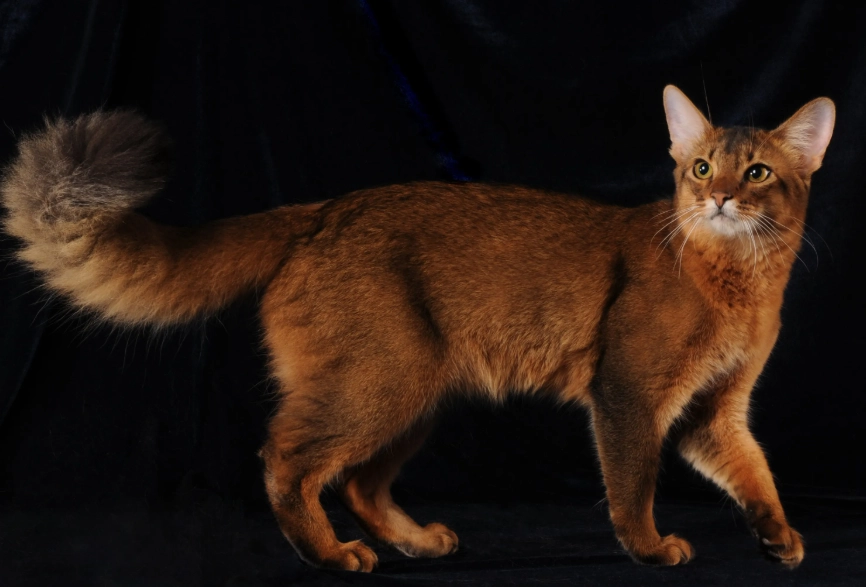
The Cons: Why a Somali Might Not Be for You
Now, the flip side. These cons aren't deal-breakers for everyone, but ignoring them is how Somalis end up in shelters labeled "too energetic."
1. High Energy and Demand for Stimulation
This is the number one con for most people. A Somali's energy isn't a suggestion; it's a requirement. They need vigorous play sessions at least twice a day. Not just waving a wand toy for a minute, but full-on sprinting, jumping, and pouncing until they're panting.
Without an outlet, that energy turns destructive. They will climb your curtains, knock things off shelves, and learn to open cabinets. I learned the hard way to use childproof locks on my kitchen drawers because my Somali figured out how to open them to find bags and crinkly toys.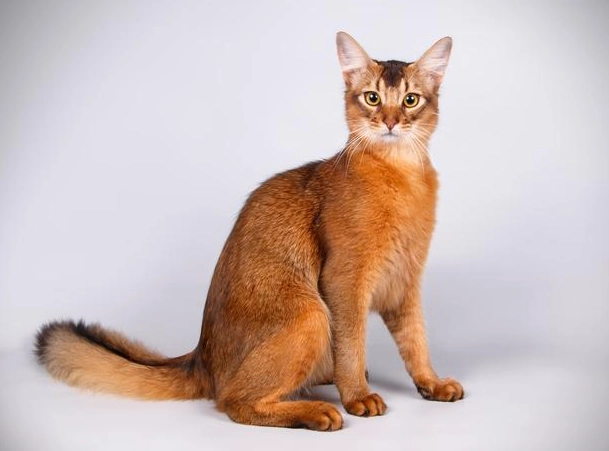
2. They Can Be Masters of Mischief
Their intelligence has a dark side. They are curious to a fault. Nothing is safe. They will investigate bags, boxes, open drawers, and running water. Many Somali owners report their cats' fascination with water—playing with faucets, dipping paws in water glasses, and some even joining you in the shower.
You must truly "cat-proof" your home. Secure valuable breakables, hide wires, and be prepared for things to go missing (they love to carry off small objects).
3. Not a Lap Cat (Usually)
If your dream is a cat that sleeps on you for hours, a Somali will likely disappoint. They show love through proximity and interaction, not prolonged cuddling. They might curl up next to you, or sit on your lap for a short, affectionate period, but then they're off to the next adventure. They crave movement and engagement over stillness.
Some individuals are cuddlier than others, but as a breed standard, don't count on it. This is a common point of mismatch between owner expectation and reality.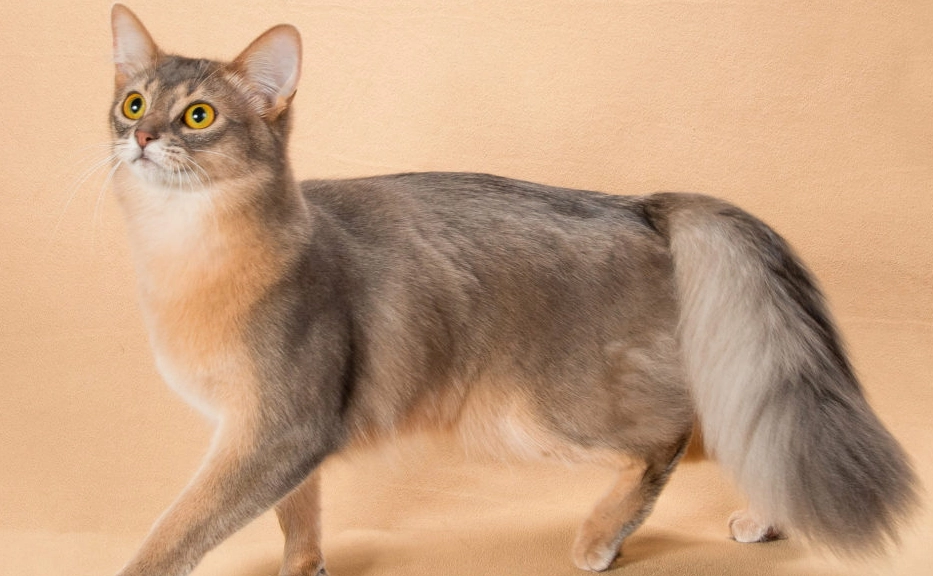
4. Potential for Excessive Vocalization (When Bored)
While not yowlers, bored or lonely Somalis will vocalize. It's not a loud meow, but a persistent, plaintive chirp or trill that says, "I'm here, and I'm not entertained." This can happen if they're left alone too long without enough environmental enrichment.
| Pros at a Glance | Cons at a Glance | ||
|---|---|---|---|
| Brilliant & Playful | Learns tricks, loves interactive toys, stays playful for life. | High-Energy Demand | Needs intense daily play; can become destructive if bored. |
| Affectionate & Social | Forms strong bonds, follows you, good with other pets. | Mischievous & Curious | Gets into everything; requires thorough cat-proofing. |
| Easy-Groom Coat | Silky fur resists matting; weekly brushing usually enough. | Not a Couch Potato | Prefers interaction to lap-sitting; not a traditional lap cat. |
| Stunning Appearance | Unique ticked coat and fox-like tail are visually breathtaking. | Can Be Chatty | May vocalize with chirps and trills when seeking attention. |
Health and Care Essentials
Beyond personality, you need to plan for their physical needs. Reputable breeders screen for genetic issues, but being aware is key.
Diet: They are active, so they need a high-quality diet rich in protein. Many Somali owners find their cats do best on a combination of wet and dry food to ensure hydration. Avoid free-feeding, as they can be prone to overeating if under-stimulated.
Exercise & Environment: This is non-negotiable. Invest in a tall, sturdy cat tree (they love height), a variety of puzzle feeders, and rotating toys. Clicker training for 5-10 minutes a day is mental gold for them. Consider building or buying a secure "catio" for safe outdoor access.
Common Health Issues: Generally robust, but breeds related to Abyssinians can be predisposed to certain conditions. Reputable breeders test for:
- Progressive Retinal Atrophy (PRA): A genetic disease that can lead to blindness. Ask breeders for proof of testing.
- Pyruvate Kinase Deficiency (PKD): A genetic anemia. Again, testing is available.
- Gingivitis/Periodontal Disease: They can be prone to dental issues. Start tooth-brushing early or use dental treats/water additives as recommended by your vet.
Regular vet check-ups are crucial. Their high energy can mask early signs of illness, so any sudden lethargy is a red flag.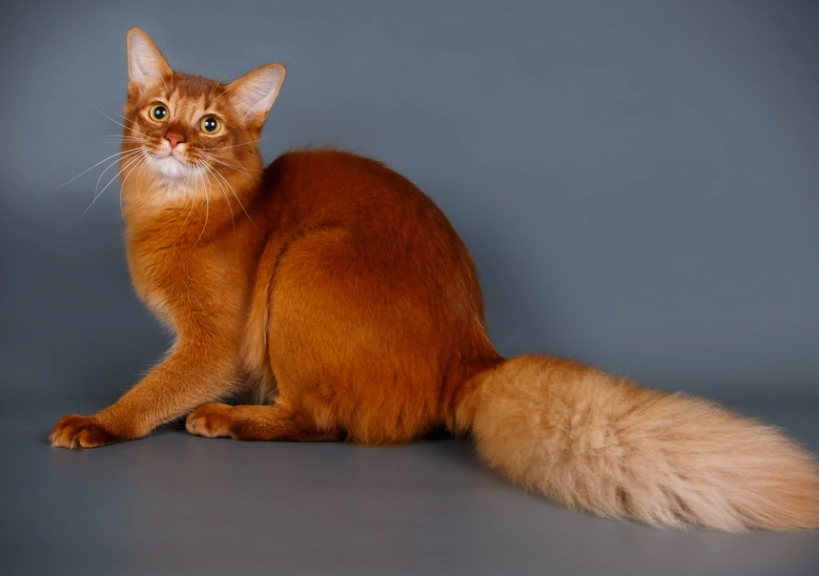
Making the Decision: Is a Somali Cat Your Perfect Match?
So, who is the ideal Somali owner? It's not about having the most beautiful cat, but about providing the right life.
Choose a Somali if you: Lead an active lifestyle at home, want a pet that's a true participant in your day, have time for daily interactive play, enjoy training animals, and have a secure, stimulating environment. They are perfect for families with older children, work-from-home professionals, or retirees with energy.
Think twice if you: Are gone for long hours daily, prefer a quiet, low-maintenance pet, have a home full of fragile heirlooms, or primarily want a cat to cuddle quietly for hours. First-time cat owners can succeed with a Somali, but only if they've done their research and are prepared for the commitment.
Consider adopting an adult Somali from a breed-specific rescue. You'll skip the kitten craziness and get a cat whose personality is already fully formed. Rescues like Specialty Purebred Cat Rescue often have Abyssinians and Somalis looking for homes.