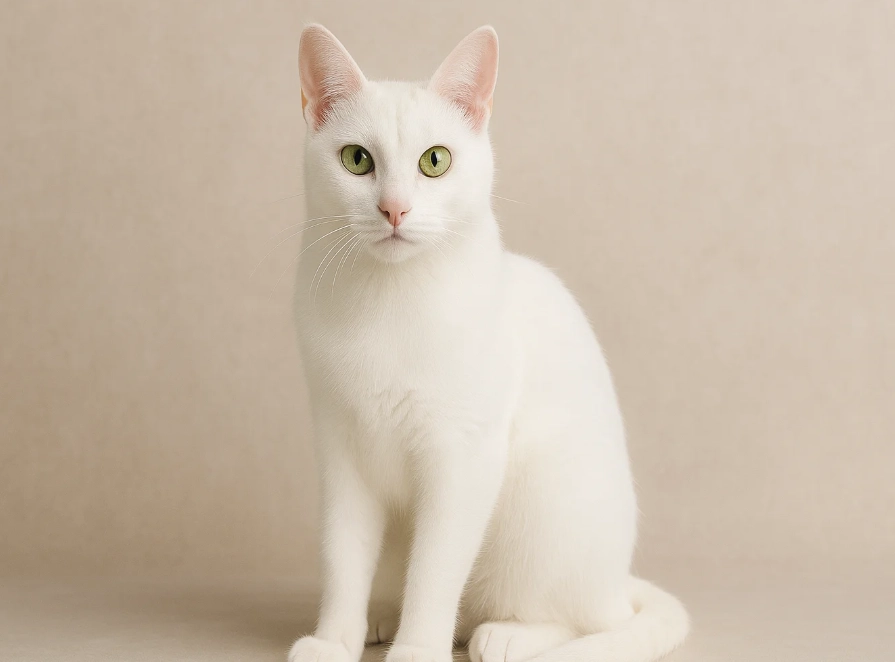
Let's clear something up right at the start. If you're searching for information on a "white Abyssinian cat," you might be picturing a sleek, snow-colored feline with those famous large ears. Here's the thing: a pure white Abyssinian doesn't exist within the official breed standard. The Cat Fanciers' Association (CFA) and other major registries recognize colors like ruddy, red, blue, and fawn—all warm, ticked coats that shimmer in the light. The "white" you might have seen is likely a very light fawn or a "sorrel" (red) Abyssinian in certain lighting, or perhaps a mixed-breed cat. But here's what truly matters, and what this entire article is about: the personality of an Abyssinian cat is utterly independent of its coat shade. That vibrant, curious, and affectionate spirit is the same whether the coat is deep ruddy or light fawn. So, let's talk about the real Aby.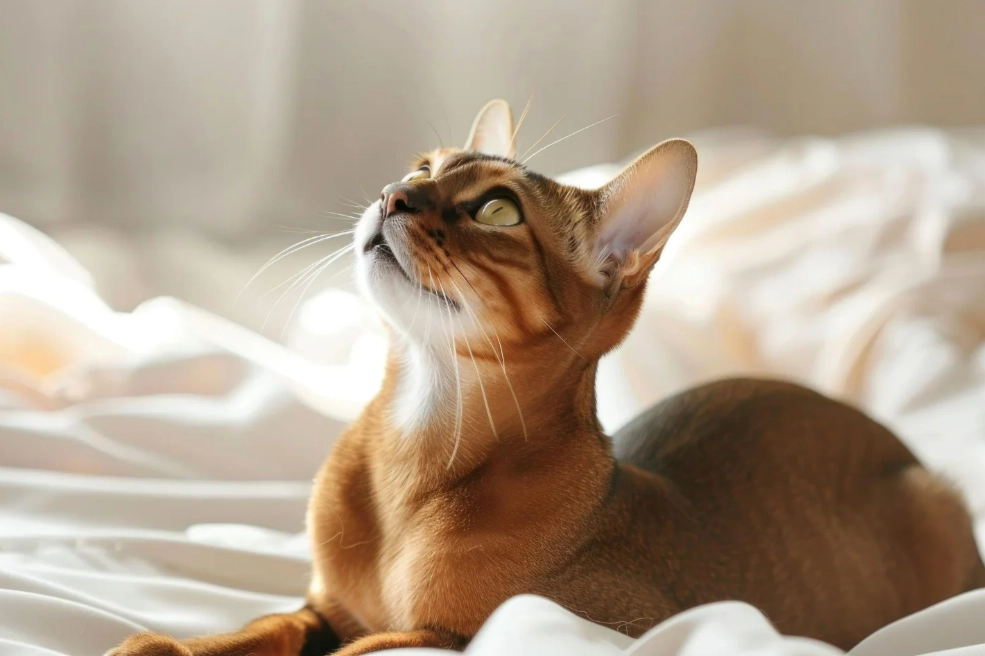
What You'll Discover in This Guide
The Unmistakable Personality of an Abyssinian Cat
Owning an Aby is less like having a pet and more like living with a tiny, furry perpetual motion machine that loves you. They're often described as the "clowns" or "acrobats" of the cat world, and for good reason. Forget the aloof cat stereotype.
Intelligent and Inquisitive. This isn't just "cat smart." An Abyssinian will study how you open doors, cabinets, and even faucets. I've seen one who learned to turn on the bathroom tap for a drink. They need mental challenges. Food puzzles aren't a luxury; they're a necessity to prevent boredom.
Energetic and Playful. Think of a kitten's energy, but sustained for about 10-15 years. They don't just play; they perform aerial feats off your bookshelf. A simple wand toy can become a 30-minute Olympic event. If you want a couch potato, look elsewhere. This energy is their defining trait and the source of most owner surprises.
Affectionate and Social. They show love differently. It's not always a lap cat (though some are). It's following you from room to room, "helping" with chores, and perching on the highest point in the room to supervise. They hate being left alone for long periods and often do better with a companion—another Aby or a similarly energetic pet.
Vocal and Communicative. They don't meow excessively, but they have a soft, pleasant chirp and trill. They'll converse with you, telling you about their day or (more likely) demanding you engage with them right now.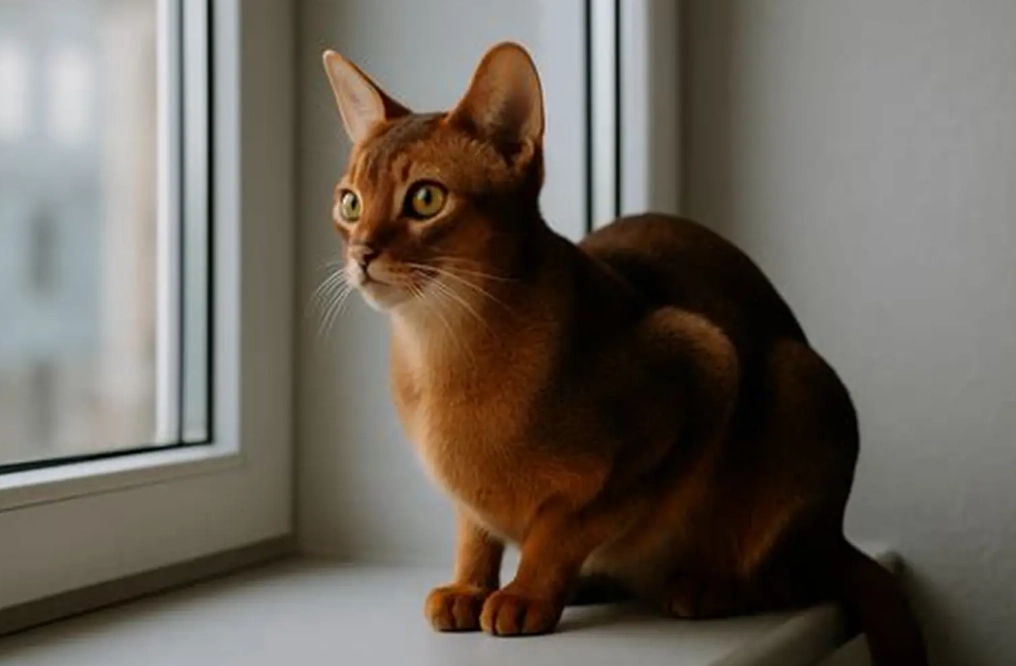
The 'White' Abyssinian: A Color Clarification
Let me be clear: there is no such thing as a pure white Abyssinian in the breed standard. The gene for a solid white coat is not present in purebred Abys lines. So, what's going on?
When people refer to a "white" Abyssinian, they're usually seeing one of two things:
- The Fawn Abyssinian: This is the lightest recognized color. It's a warm, creamy beige with light brown ticking. In bright sunlight or poor-quality photos, it can look strikingly pale or off-white.
- The "Usual" or Ruddy in Certain Light: Even the classic ruddy (a burnt orange-brown) can photograph with bright highlights that give a washed-out, lighter impression.
The personality does not change with these coat variations. A fawn Aby is just as energetic and clever as a ruddy one. The focus should always be on the ticked tabby pattern—each hair banded with multiple colors—which gives them that wild, cougar-like look, not on a non-existent solid white color.
If you encounter a cat advertised as a "white Abyssinian," it is almost certainly a mixed-breed cat, possibly with some Aby ancestry contributing to its body shape or energy, or it's a different breed altogether (like an Oriental Shorthair). Reputable breeders, whose information can be found through associations like The International Cat Association, focus on health and temperament within the standard colors.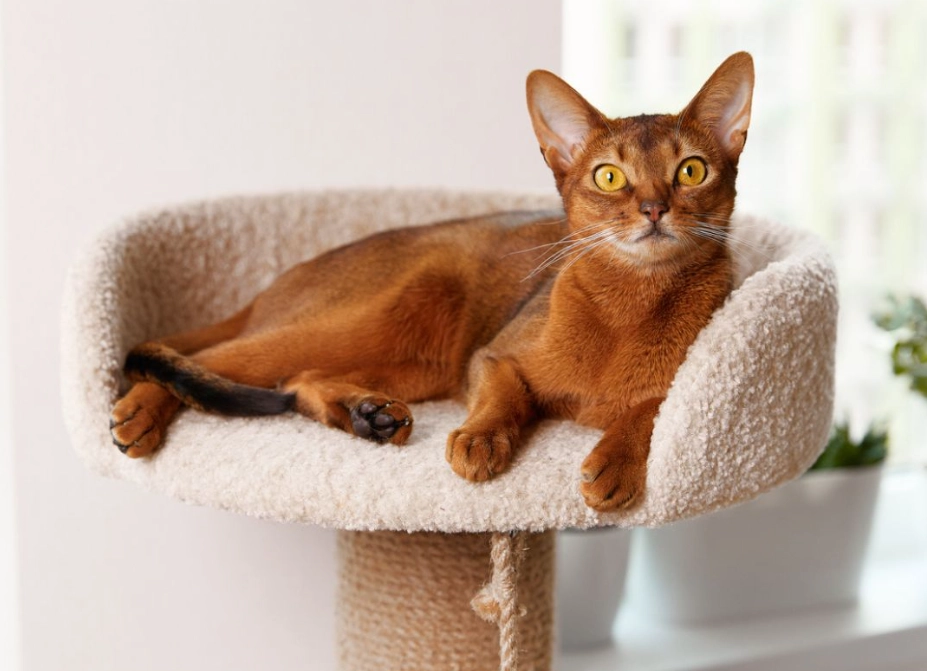
How to Care for an Abyssinian Cat's Active Personality
Caring for an Aby is about channeling their natural drive. It's proactive, not reactive.
Environmental Enrichment: Non-Negotiable Setup
Your home needs to be an Aby playground.
- Vertical Space: A cat tree under 5 feet is a stool to them. Aim for 6+ feet with multiple platforms, condos, and scratching surfaces.
- Interactive Toys: Rotate wand toys, laser pointers (always end with a physical reward!), and motorized toys. They lose interest in static toys quickly.
- Puzzle Feeders: Every meal should be a hunt. Use slow-feed bowls, snuffle mats, or puzzle balls to engage their brains.
- Secure Outdoor Access: A catio (a secure outdoor enclosure) is the absolute gold standard. It satisfies their curiosity safely. Harness training is also a brilliant option, but it requires patience.
Training Your Aby: It's Possible and Rewarding
They can learn tricks—sit, high-five, fetch—often easier than dogs. Use clicker training with high-value treats. Keep sessions short (2-3 minutes) and end on a success. This isn't a party trick; it's essential mental exercise that strengthens your bond.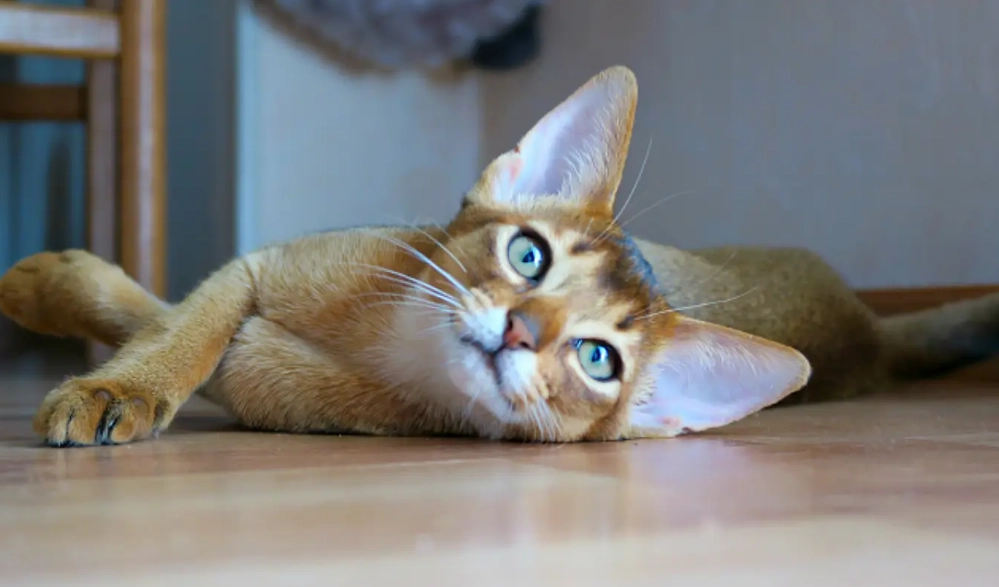
Social and Companionship Needs
Leaving an Aby alone for 9+ hours daily is a recipe for anxiety and destructive behavior. They are social creatures. If your household is empty all day, seriously consider getting two kittens. They will entertain each other. A single adult Aby in a quiet home can become depressed.
| Activity | Minimum Daily Commitment | Why It's Critical |
|---|---|---|
| Interactive Play Sessions | 2-3 sessions, 15 mins each | Mimics hunting, burns physical energy, prevents obesity. |
| Puzzle Feeder Use | For 1-2 meals per day | Staves off boredom, slows eating, provides mental challenge. |
| Quiet Bonding Time | Evening cuddles or grooming | Provides needed affection and reinforces security. |
| Environmental "Updates" | Weekly toy rotation, new box/paper bag | Keeps their environment novel and interesting. |
Is an Abyssinian Cat the Right Fit For You?
Let's be brutally honest. An Abyssinian is not for everyone. They are a high-input, high-reward pet.
You'll likely thrive with an Aby if: You're an active person or family who wants a participatory pet. You work from home or have a household that's rarely empty. You enjoy training and interactive play. You can provide a safe, enriched environment (catios, tall trees). You appreciate loud purrs and constant companionship over serene independence.
You should probably consider another breed if: You want a decorative, low-maintenance cat. You're away from home most of the day and night. You prefer a quiet, sedentary lifestyle. You're not prepared for potential mischief (things knocked off shelves, cabinet doors opened). You have very young children who might not handle a high-strung pet gently.
I made the mistake with my first Aby, Leo. I thought my other domestic shorthair's tree was enough. Leo spent weeks trying to scale my curtains before I invested in a proper, ceiling-height climbing system. The difference in his contentment was night and day. He stopped the undesirable behaviors because his core need—to climb and observe—was finally met.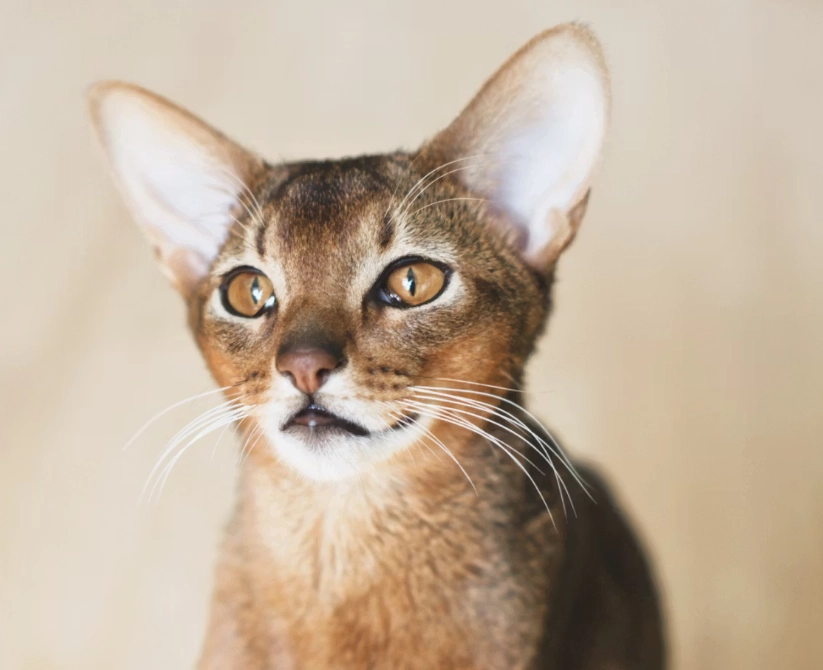
Your Abyssinian Cat Personality Questions Answered
Are Abyssinian cats good for first-time owners?
It depends entirely on the person's lifestyle. A highly engaged, research-oriented first-time owner who is prepared for the activity level can do wonderfully. A first-timer expecting a typical, low-key cat will be overwhelmed. I'd recommend spending time with an Aby (via a breeder or rescue) before committing.
My Abyssinian seems hyperactive and never sleeps. Is this normal?
They do sleep, just in shorter, more alert bursts than other cats. What looks like hyperactivity is often under-stimulation. Audit your enrichment. Are you doing enough interactive play? Are food puzzles used? Is there enough to climb? A structured play-eat-sleep routine (simulating the hunt) often settles them into more predictable rest periods.
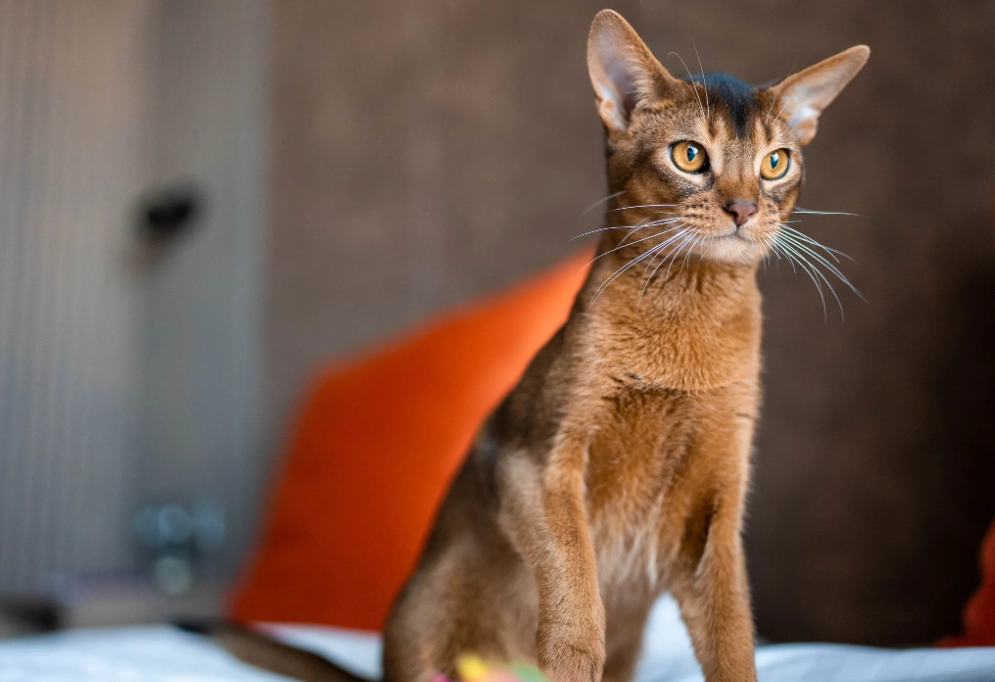 Can Abyssinian cats be left alone while I'm at work?
For a standard 8-9 hour workday, a solo Aby is a risk for developing separation anxiety or destructive habits. It's the single biggest cause of rehoming requests I see. The solution is either a second cat for companionship or drastic environmental enrichment (automated toys, bird feeders outside windows, puzzle feeders left out) to break up the day. Even then, it's not ideal.
Do Abyssinians get along with dogs or other pets?
Generally, yes, due to their confident and social nature. The key is introducing them properly to a dog that has a low prey drive. They often become instigators of play with dogs. With other cats, they usually prefer companions who can match their energy. A slow-moving, senior cat might find an Aby kitten annoying.
Why does my Abyssinian follow me everywhere, even to the bathroom?
This isn't clinginess in a negative sense. It's their fundamental social structure. You are part of their colony, and they have a deep-seated need to know what the colony is doing. It's a sign of deep affection and trust. Closing a door on them can cause genuine distress. For them, being separated from you is unnatural.
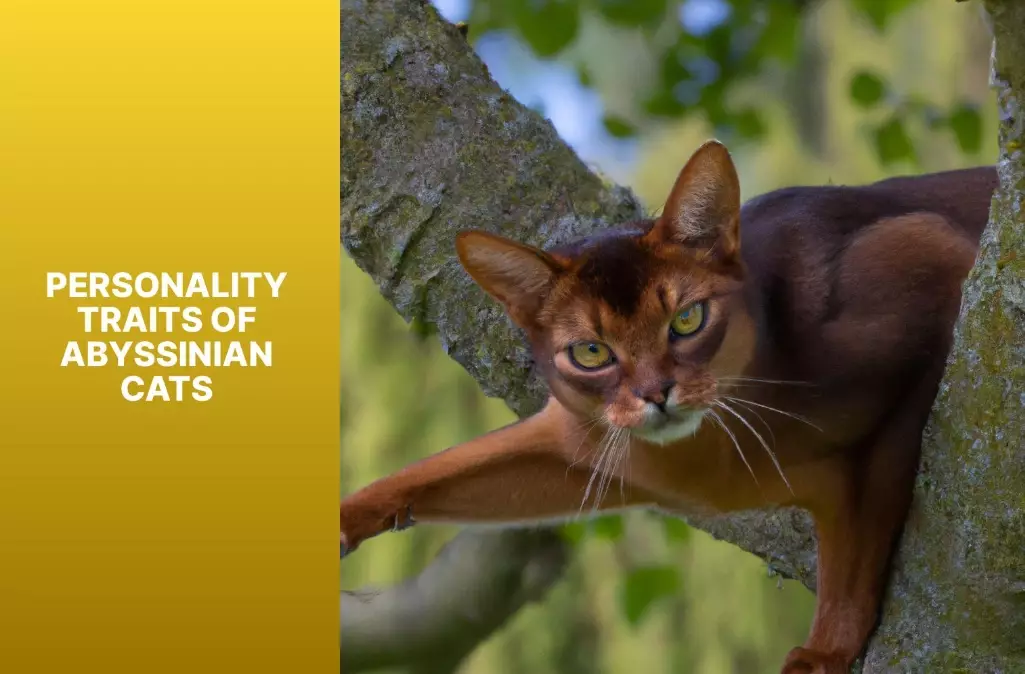 The heart of the Abyssinian cat—whether ruddy, red, blue, or fawn—is a brilliant, burning spark of curiosity and love. Their personality is a package deal: immense joy paired with a real demand for your time and engagement. The color is just the beautiful wrapping paper. If you can provide the active, involved home they require, you'll gain a companion unlike any other, a true friend who will turn every day into a small adventure.